The Sacred Valley of the Incas is close to Cuzco, and is the gateway everybody passes through to get to Machu Picchu. The Sacred Valley is an attraction in itself and a pleasant area to visit while making your way to Machu Picchu. There are a number of traditional picturesque villages in the Valley which are a pleasure to stop in and take some time to explore. Incan ruins and pretty valley scenery (terraced hills, snow-capped mountains) abound, so it’s all very interesting to look at. For those with a bit of time up their sleeves it is also possible to make some nice day hikes.
The land in the Sacred Valley is very heavily worked almost entirely by manual labour. Fields are ploughed by bulls, terraced gardens are worked to the max, whole families live and work off the land (this includes young children). Historically the land of the Sacred Valley was so highly valued that it didn’t belong to different individuals, or to a part of the Empire but to the Emperor himself.
With our Boleto Turístico del Cuzco (Cuzco Tourist Tickets) we were planning to visit some more ruins in the Sacred Valley. The ticket while expensive allows you to see a wide range of museums and Incan ruins in Cuzco and the Sacred Valley. Because it’s valid for ten days this gives you plenty of time to explore all the different sites. If you’re like us and get a bit unlucky with roadblocks and road works you do miss out on some ruins, but we were overall quite happy with the different sites that we visited with the ticket. It sounds expensive at $130 soles ($65 NZD) but that’s normal as prices in Cuzco and the Sacred Valley are heavily inflated due to tourism and you do get good value from the ticket.
We had planned to visit the ruins of Pisac which we’d read are stunning. However a popular Sunday morning market and road works blocking access to the bridge into town meant that we couldn’t get into Pisac and instead took an alternative route to Urubamba. Our journey to Urubamba was mostly uneventful except for a 20 minute traffic jam while a convoy of cars waited and watched while a bus and truck worked hard to pass each other over a very narrow stretch of back road. It was classic bus versus truck, something we’ve seen a lot in South America.
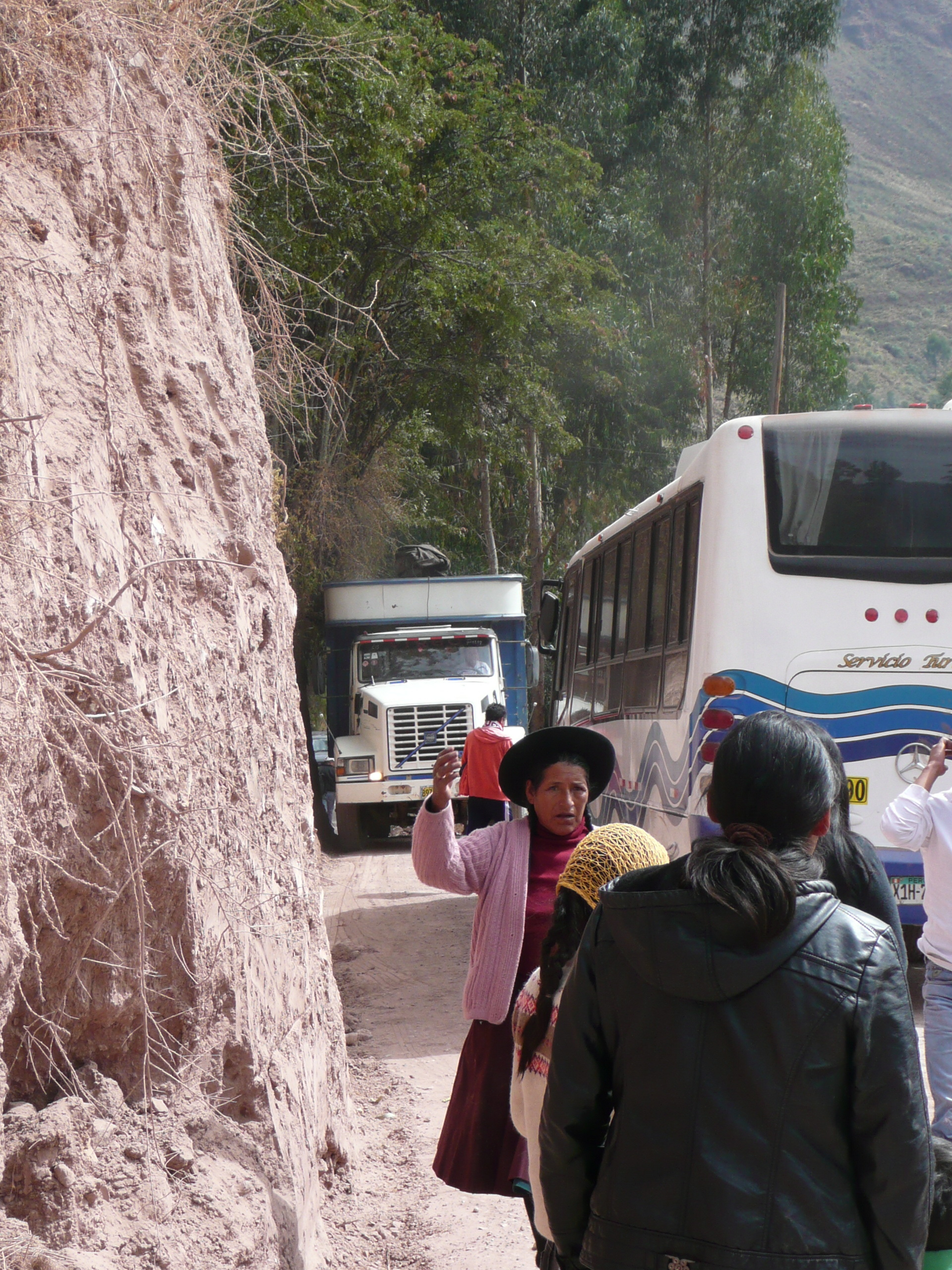
Truck vs bus, classic sight in South America!
Urubamba is the largest town in the Sacred Valley area, and quite a scenic one at that. It sits beside the Urubamba River which runs the whole length of the Sacred Valley, and beneath pretty snow-capped mountains. There are some Incan ruins in the hills which you can walk to as well. We made a lunch stop at a touristic buffet restaurant in Urubamba. The lunch by the way was Richard’s first taste of cuy (guinea pig). Roasted or fried guinea pig is a delicacy in South America, particularly in countries like Peru and Ecuador. Historically guinea pig was highly valued for being a good source of protein and in Peru it is recorded as being eaten as early as 5000BC! Featuring in many an Incan fiesta, guinea pigs were raised specifically to be eaten for special occasions. Today, they are still raised and sold to be used for special occasions. In Cuzco we’d witnessed this phenomenon for Corpus Christi when we saw many street vendors selling roasted guinea pig around the plaza where all the festivities were taking place. Unfortunately, Richard’s first taste of guinea pig wasn’t the most enjoyable. He reported it as being ‘greasy’ and that it sort of ‘slid down his throat’. He didn’t enjoy it one bit. There were other traditional Andean (Nova-Andean) food items on offer that we tried. A trout ceviche was very tasty, as were the rellenas (stuffed potatoes and stuffed and fried peppers).
After our lunch stop we made our way to La Capilla Lodge, just outside of Urubamba. La Capilla is run by Chris and Ramina, a French and Peruvian-English couple who have recently moved to Peru after having spent most of their adult lives in London. They have a young daughter and while they enjoyed being apart of the rat there they wanted a better lifestyle for their family so decided to make the move to Urubamba. Ramina’s mother already owned and was and running La Capilla Lodge, but on a smaller scale. Since they have taken over, the property has been extended, a bar, restaurant and backpackers added, and the garden has been completely over turned. A recent visit to Quillabamba in the jungle was a good opportunity for Chris to take cuttings and he now has lots of jungle flowers, coffee and banana plants, and various young trees growing. It is a very nice garden!
In Cuzco we’d had a few late nights drinking, dancing and going out and this had caught up on us. So rather than going for a walk to visit the Incan ruins close by we ended up napping the afternoon away in our very peaceful room. In the evening we chatted a lot with Chris and Ramina about life in Peru. There are many opportunities for motivated people as long as you have some sort of initiative and a lot of patience. At a small and reasonable extra cost they will cook dinner for you which is very handy because the Lodge is a bit of a hike from town. Not having any food with us, we enjoyed oven-baked trout, quinoa and a very hearty vegetable soup. Comfort food!
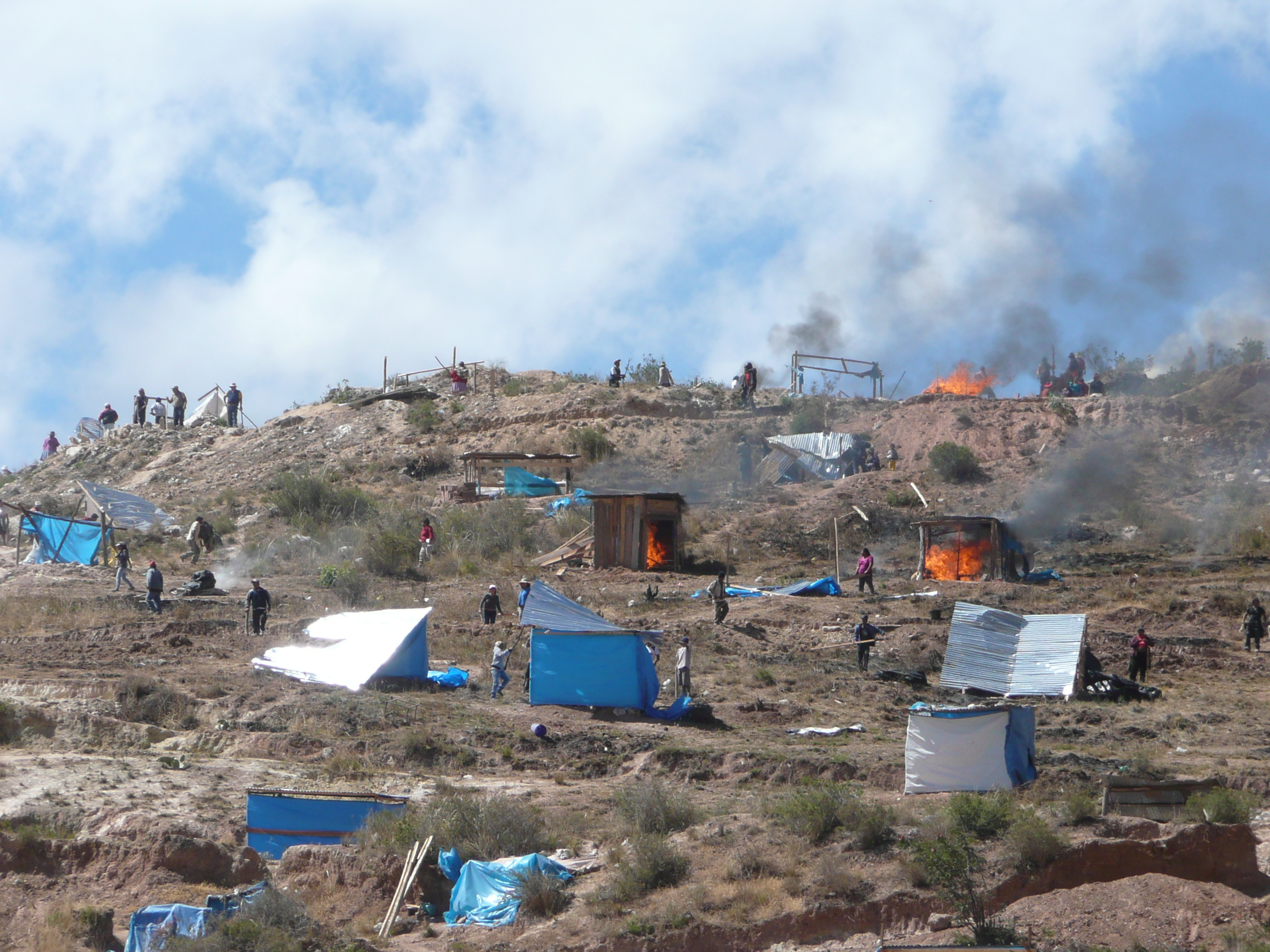
The next day we headed off to Ollantaytambo via the Salt Pans of Maras and the curious but spectacular Incan ruins in Moray. While driving out of Urubamba we stopped at a Mirador over looking Urubamba town and the valley. Up above us we saw smoke on the hill which we would be driving over. We asked the car next to us what was going on and she said that it was probably something to do with the squatters who live around the area. We carried on up the hill and while driving we went through a small village. People were acting very excited, running around as if in a hurry to go somewhere. We saw one woman who was doing her laundry outside her house leap up and thrown the bucket over the fence into the back yard and run off when other villagers yelled out something to her (that she obviously knew about). As we drove further up the hill we came across more people running hurriedly up it carrying sticks, rocks, rope whips and wearing red paint on their faces (a bit like war paint!). We were completely mystified about what was going on, but getting bit nervous. Knowing the story of Adventure Americas, the American overlanding couple Megan and Jed we were wondering if were going to see our own display of what happens when villagers take the law into their own hands. They got into big problems at the end of last year in Ocongate a village near the Sacred Valley. When we got to the hill, we pulled over and looked on in amazement as we saw hundreds of people running around pulling down shack-type houses. Many of the houses had been set on fire, and people were using whatever they had on them to strike the houses so that they fell down. It was quite a sight, and a stark reminder that despite the civility and international feeling of Cuzco that many parts of Peru are still quite traditional. Shocked at what we could only describe as savage behaviour we were both feeling a bit sad. Our first impressions of Peru had been so great, but then this sight was a stark reminder that people can be harsh, they can be unreasonable, they can be savage, and they can be destructive. Long after we’d left the Sacred Valley and Machu Picchu Richard emailed Chris from La Capilla to ask if he knew what was going on that day we left Urubamba. Chris came back to him to say that the people living on the hill were living illegally (squatters) and the local people had decided to take action themselves and evict them as it would have taken a long time if they’d waited for the proper authorities to do this. Hearing and witnessing this, I still can’t shake what we saw on that day, and my shock at how joyous the people carrying out the evictions were.
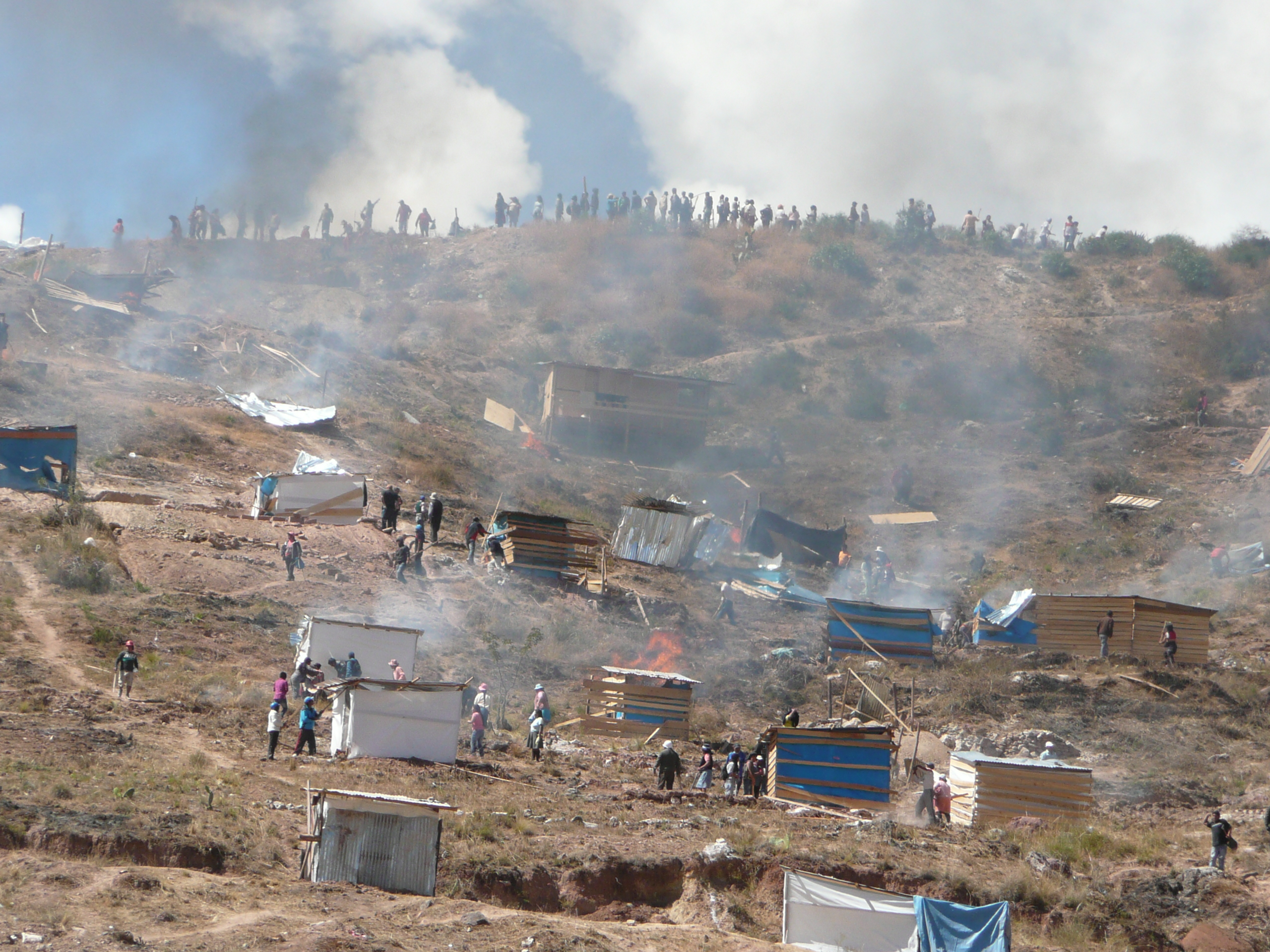
In Urubamba (small town in the Sacred Valley) we saw this savage display of how village law works (no police in sight which was strange as they were everwhere else). Here we saw hundreds of people destroying a squatters settlement on a hill. People had on red face paint, had rocks, sticks, whips which they used, and we saw people from villages below this running excitedly to take part
Arriving at the salt pans of Maras shortly after seeing what happens when Peruvians take the law into their own hands, we were amazed at the view over hundreds of salt pans hanging off the hill. The mine is a series of terraces of salt pans. A natural spring containing a high amount of dissolved salt is fed into the network of salt pans which is harvested once the sun has done its work. It’s quite a disjointed sight in the Valley after seeing Incan ruin after Incan ruin. We wandered around the salt pans for a while before carrying onto the unusual Incan site of Moray. A lunch break overlooking the wheat and quinoa crops was had before taking on the next site. Looking a bit like a Roman or Greek amphitheatre, the site of Moray has three enormous terraced circles dug into the ground. The largest is 30m deep. Archaeologists are unsure of what exactly the site was used for but there is some speculation that it was used by the Incans to study the effects of different climate conditions on crops. Basically it was one big agricultural laboratory! The temperature difference between the top and bottom terrace can be as much as 15 degrees!
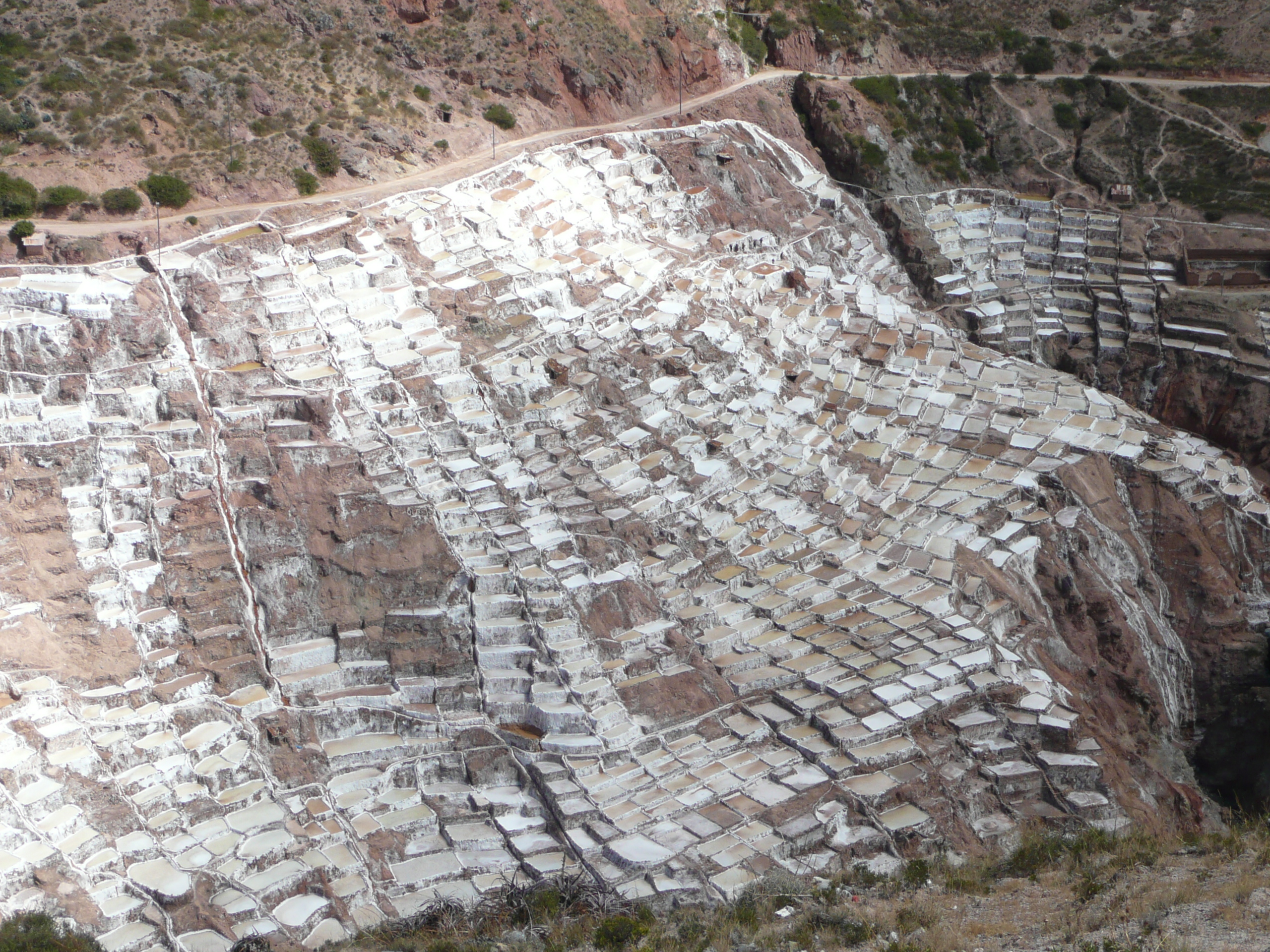
Salt pans of Maras – strange but interesting sight to see in the Sacred Valley.
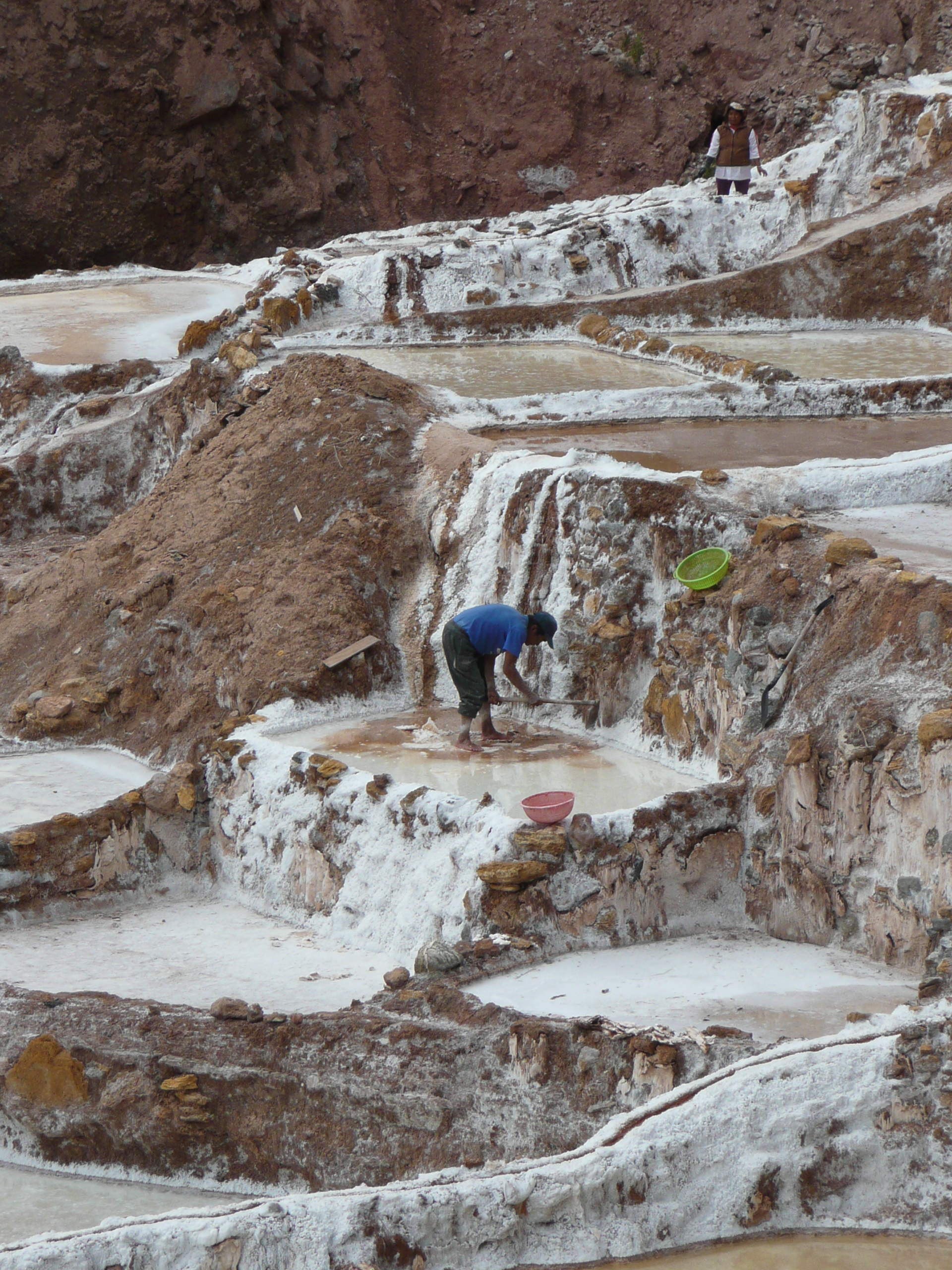
Salt pan being worked.
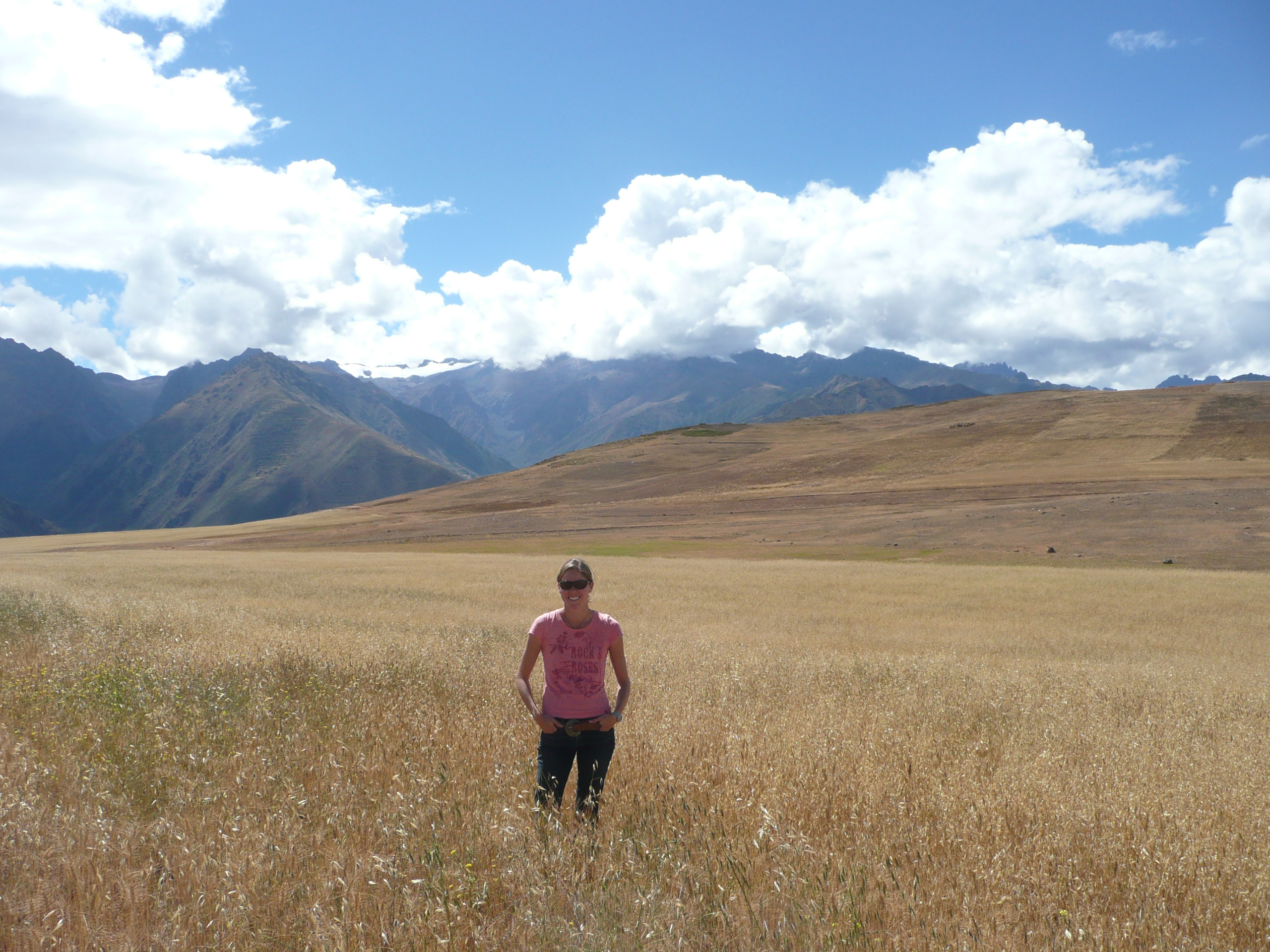
Driving away from Urubamba we came across field after field filled with various grain, wheat and quinoa crops.
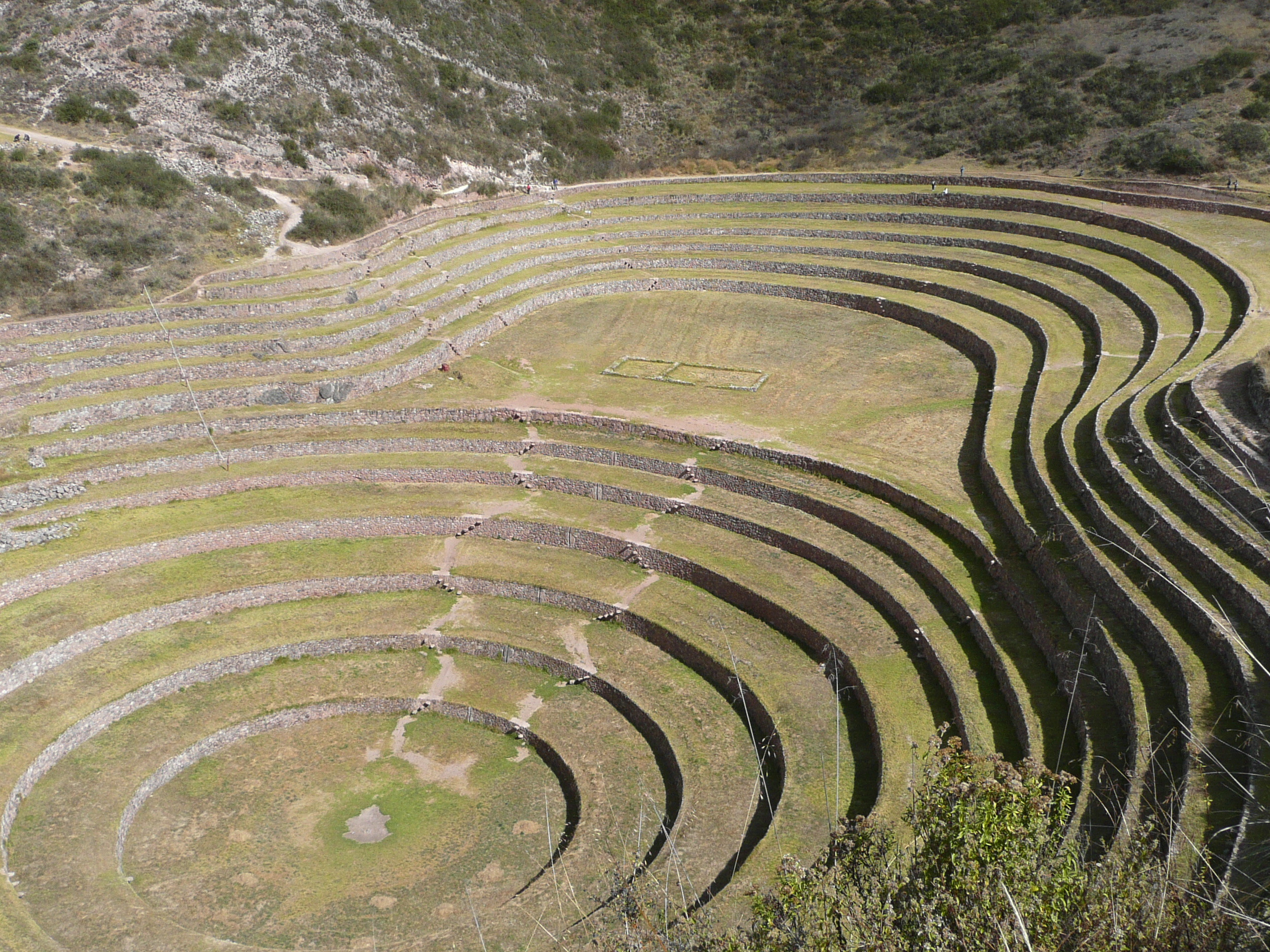
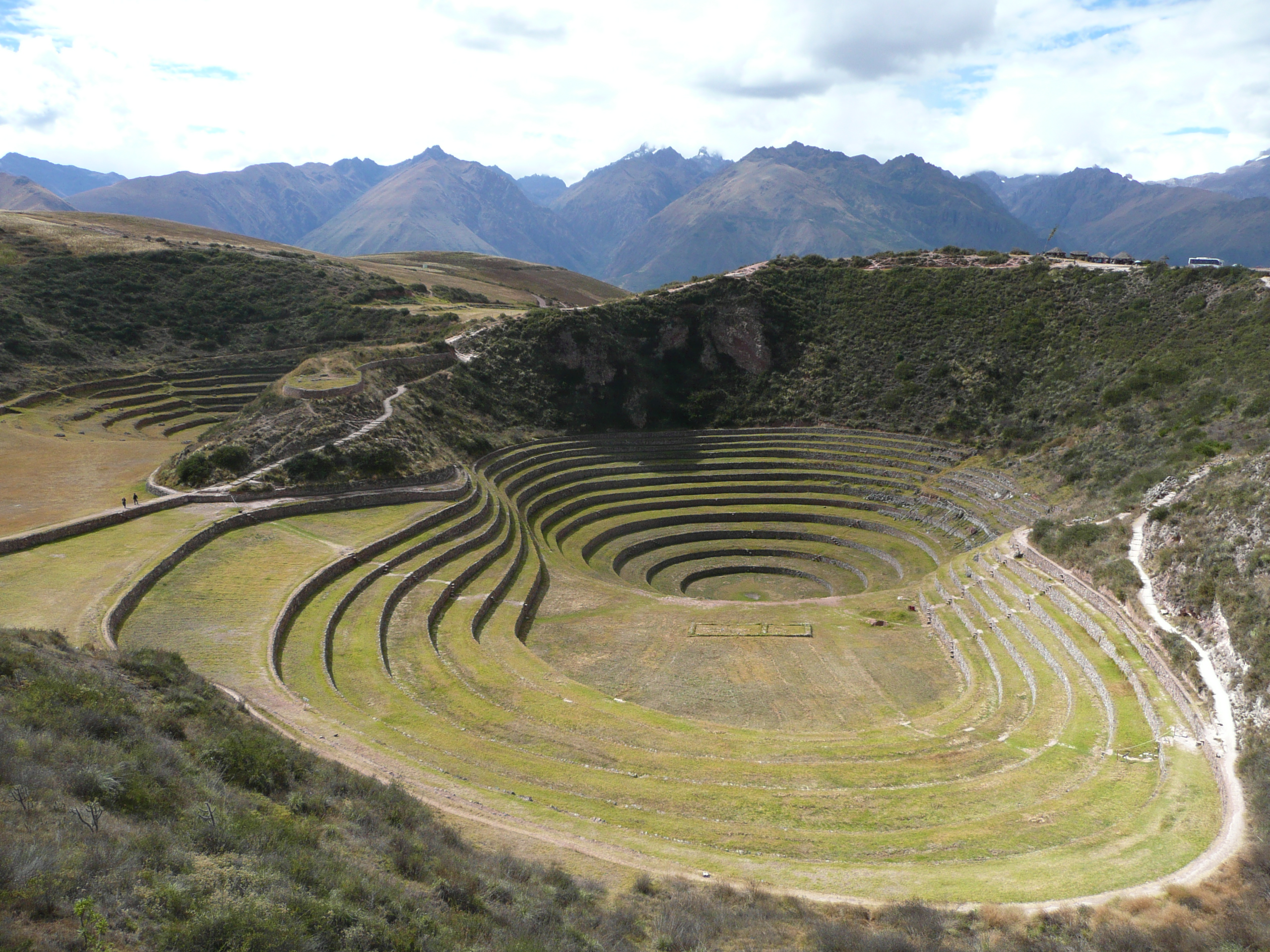
Incan site of Moray, very strange but impressive. Speculation is that it was used for ag-lab experiments.
 In the late afternoon we arrived in Ollantaytambo, the prettiest town in the Sacred Valley. Ollantaytambo sits in the shadow of two massive sets of Incan ruins. These ruins are where the Incans retreated after the Spanish took Cuzco. Driving into town we could see the ruins sitting on the hill above the town. The contrast of the ruins sitting above the modern town is quite breathtaking, and the scenery around Ollantaytambo is also pleasant: mountains, the joining of three valleys, rivers. The town itself has a nice feeling to it and we decided on arriving that we would spend a couple of extra days there once we returned from Machu Picchu. We discovered Hearts Café which was to become our regular during our time in Ollantaytambo. The owner, an English woman who came over to Peru when she was 76 set up the café after spending a couple of years living in Cuzco but had trouble adjusting because of the altitude. In the end Ollantaytambo was a good place for her to move, set at a lower altitude and in a tourist hub. Hearts Café does a lot of good things for the community, and my understanding is that it is not-for-profit. With the money earnt from the café they have regular feeding programmes for children, pay for medicines and as a result there is a lower rate of stomach parasites amongst children in Ollantaytambo. The sandwiches and soups here are fantastic, and we happily passed a couple of hours each time eating, reading and playing games.
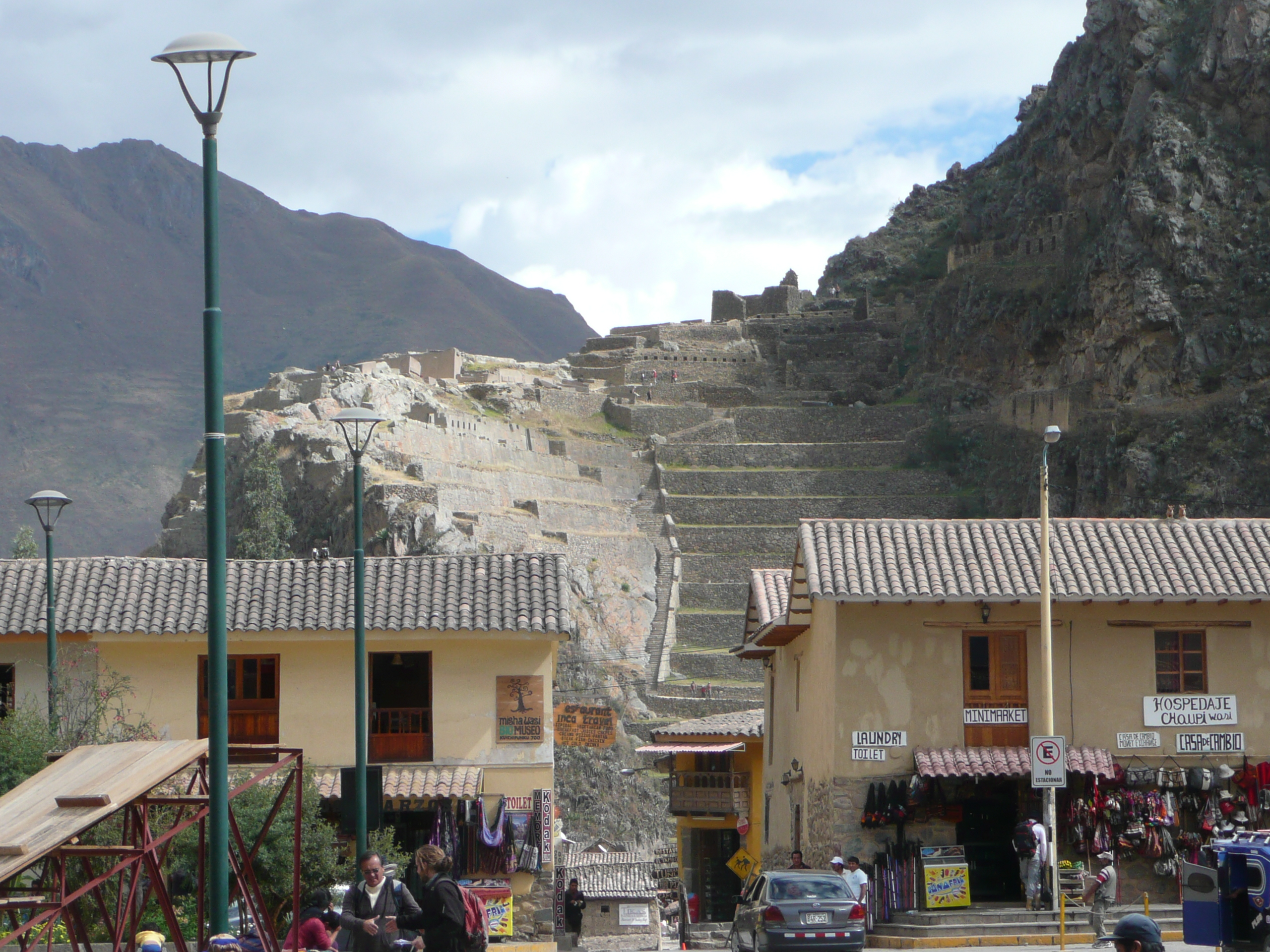
First view of Ollantaytambo town – note the impressive Incan ruins sitting high on the hill behind the town. Magical!
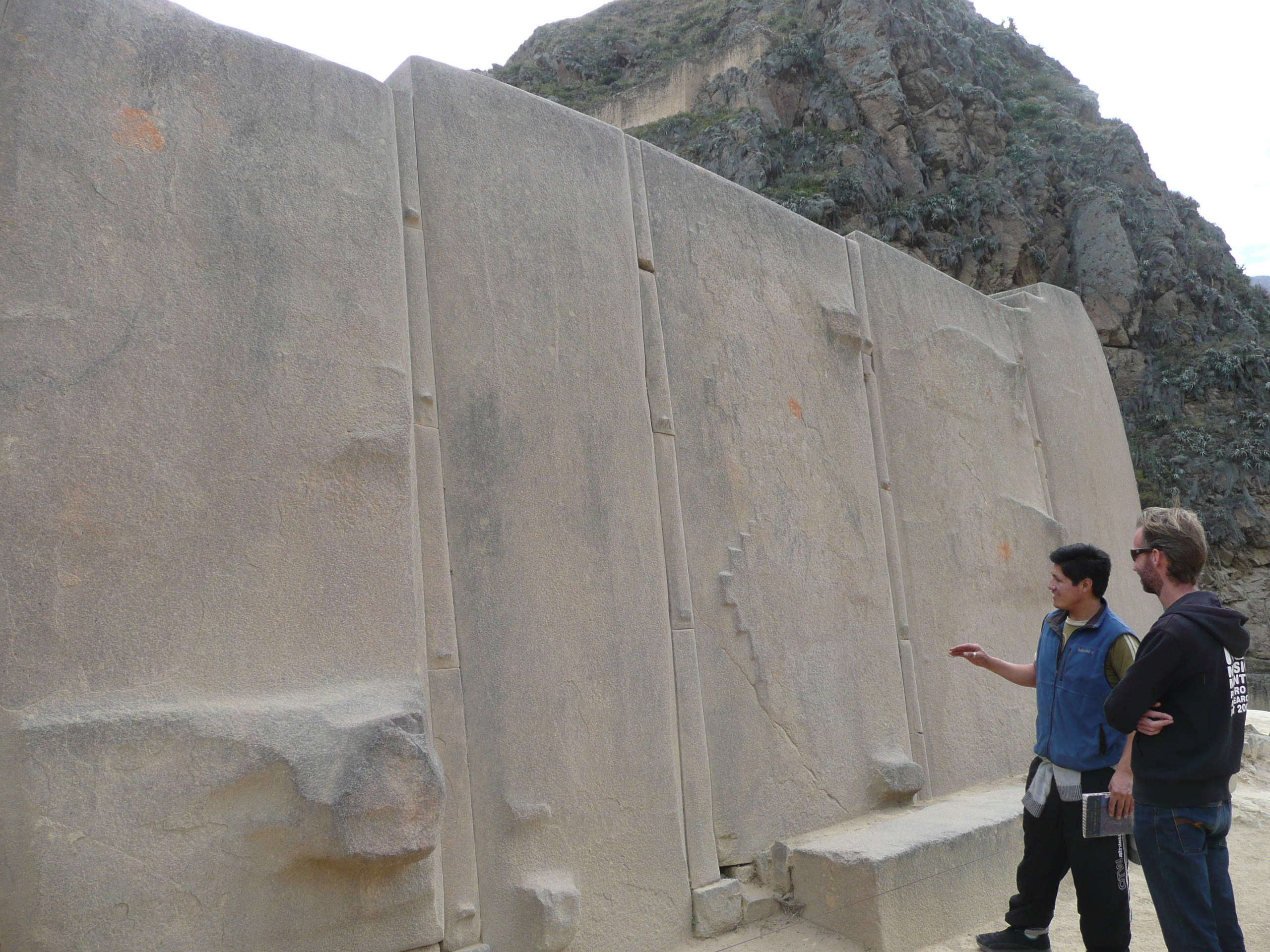
The next morning we visited the ruins of Ollantaytambo. Wanting to get a bit more out of it we hired a guide, which in hindsight wasn’t maybe the best choice. He had been guiding illegally for a while, but that was his first day as a ‘legal’ guide. He was young, a bit casual and also didn’t speak English that well. The tour was done through a mangling of English and Spanish but we got there okay. The site itself was stunning, temples, royal houses, terraces, aqueducts. This was the most impressive site we’d seen so far. We couldn’t wait to get to Machu Picchu!
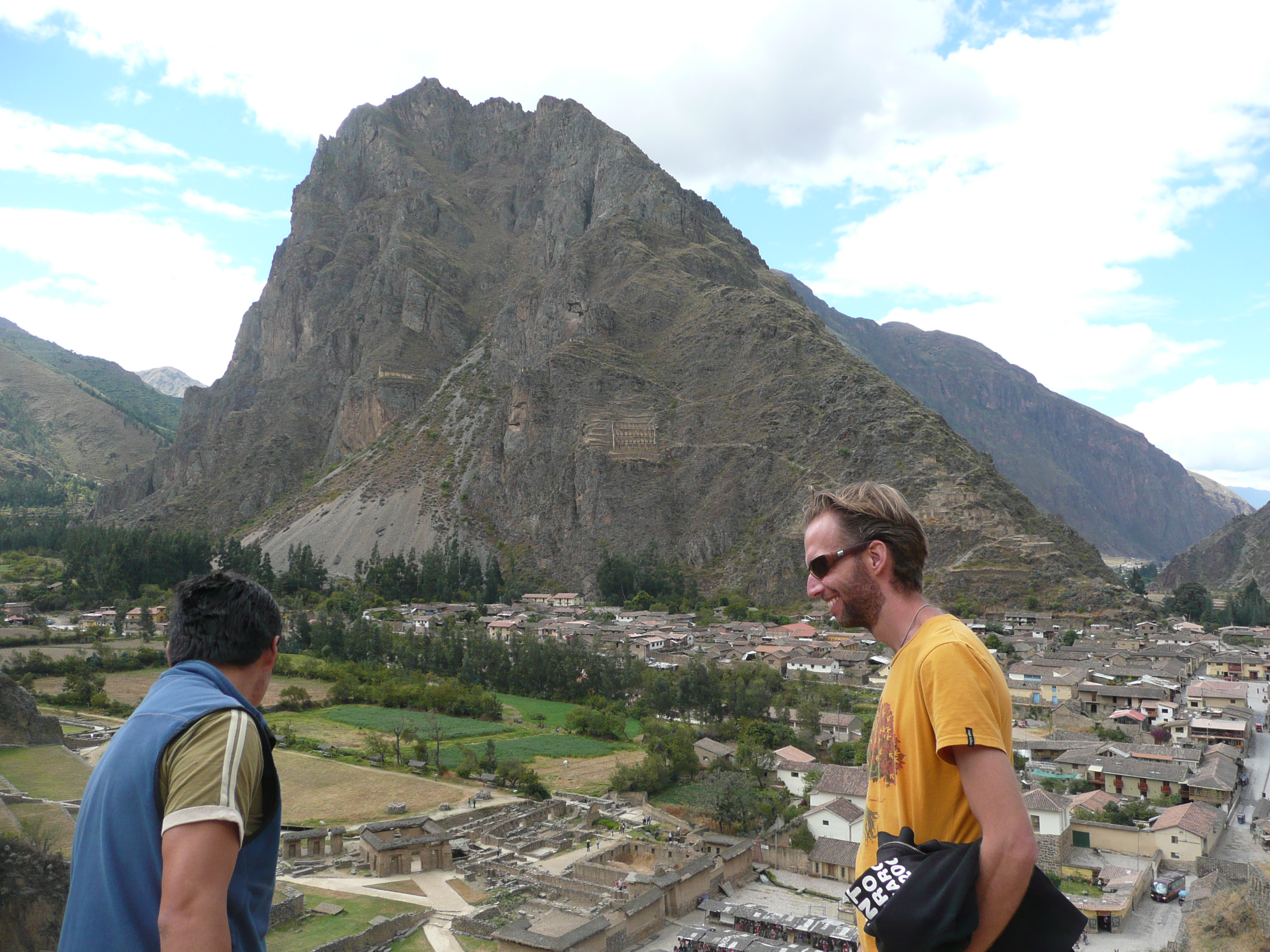
Our ‘guide’ explaining to Richard what happens to Incans who don’t build temples properly (they get pushed off the hill)… haha, not really.
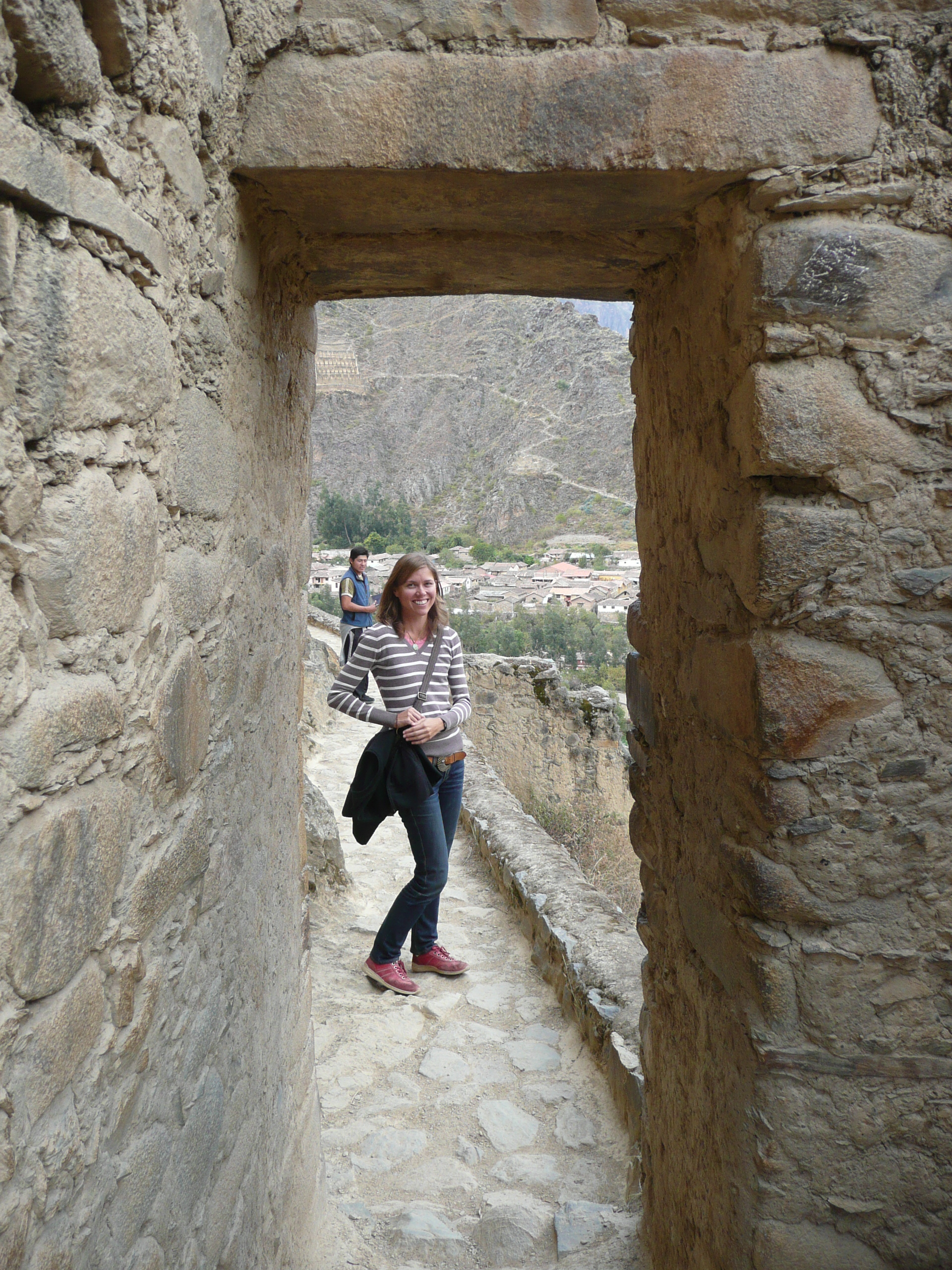
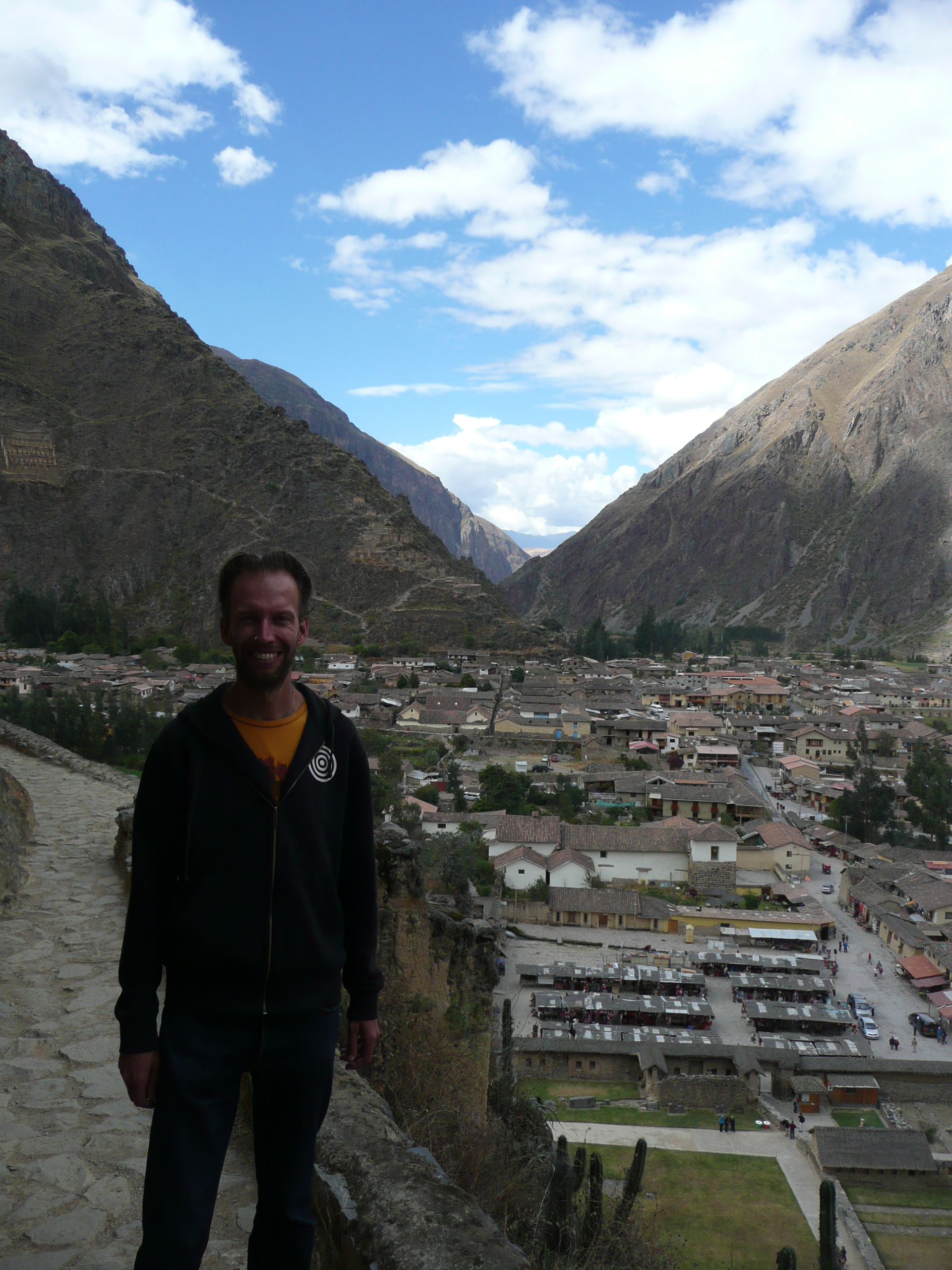
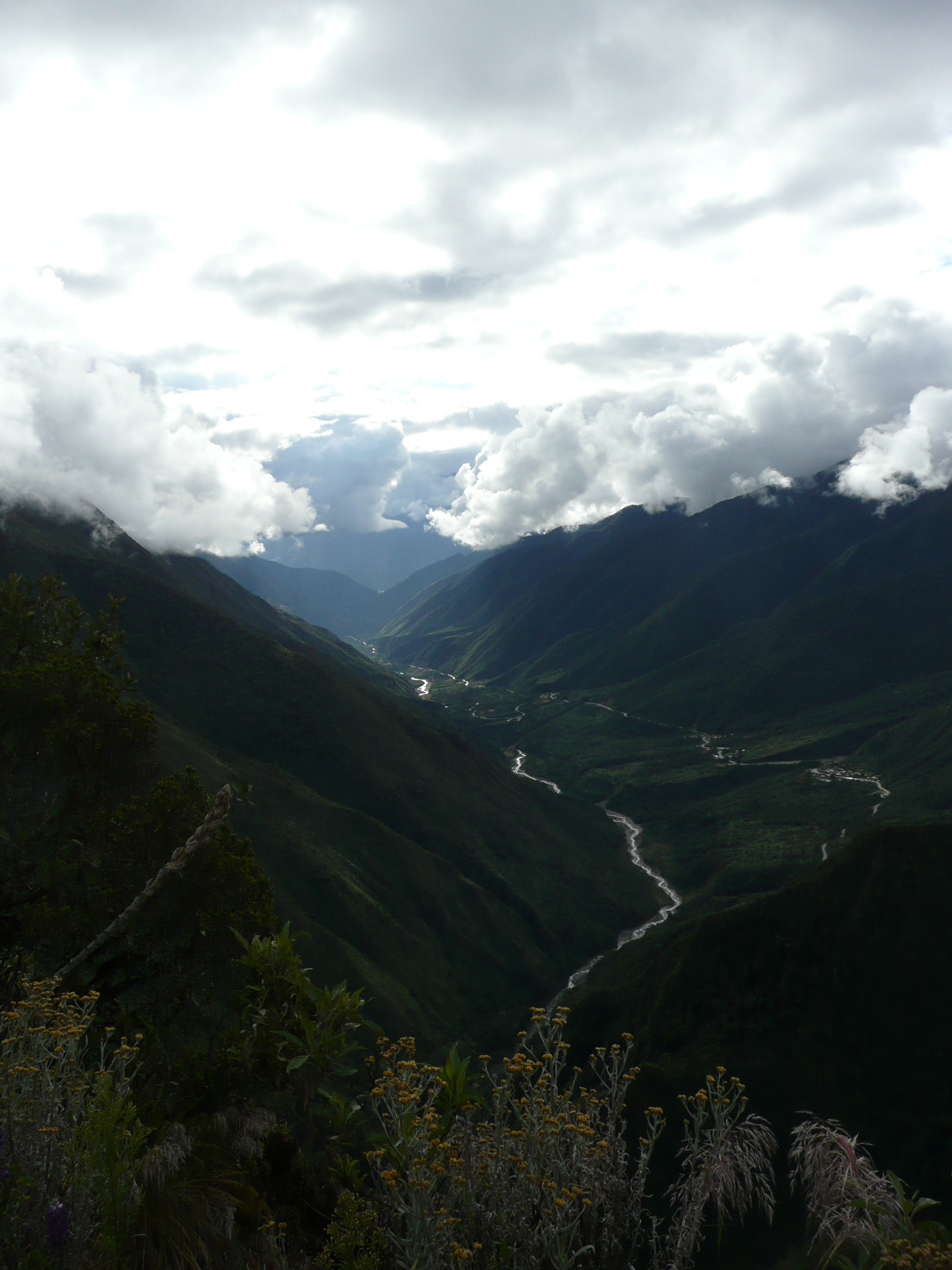
View overlooking the Sacred Valley, a little mystical.
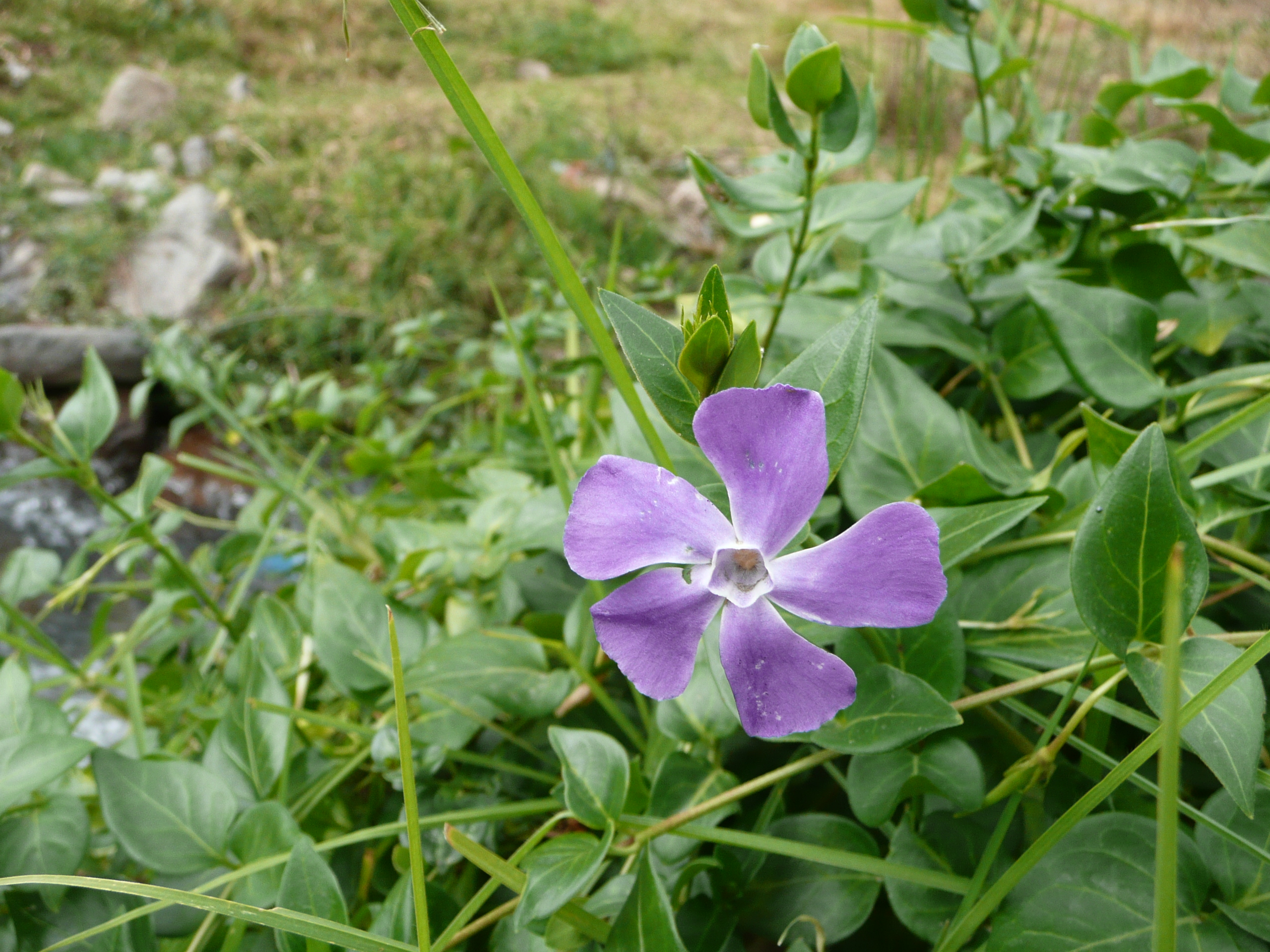
Our guide showed us how to make Incan earrings. First find a flower like this one. Secondly, take off the petals. And then you have…
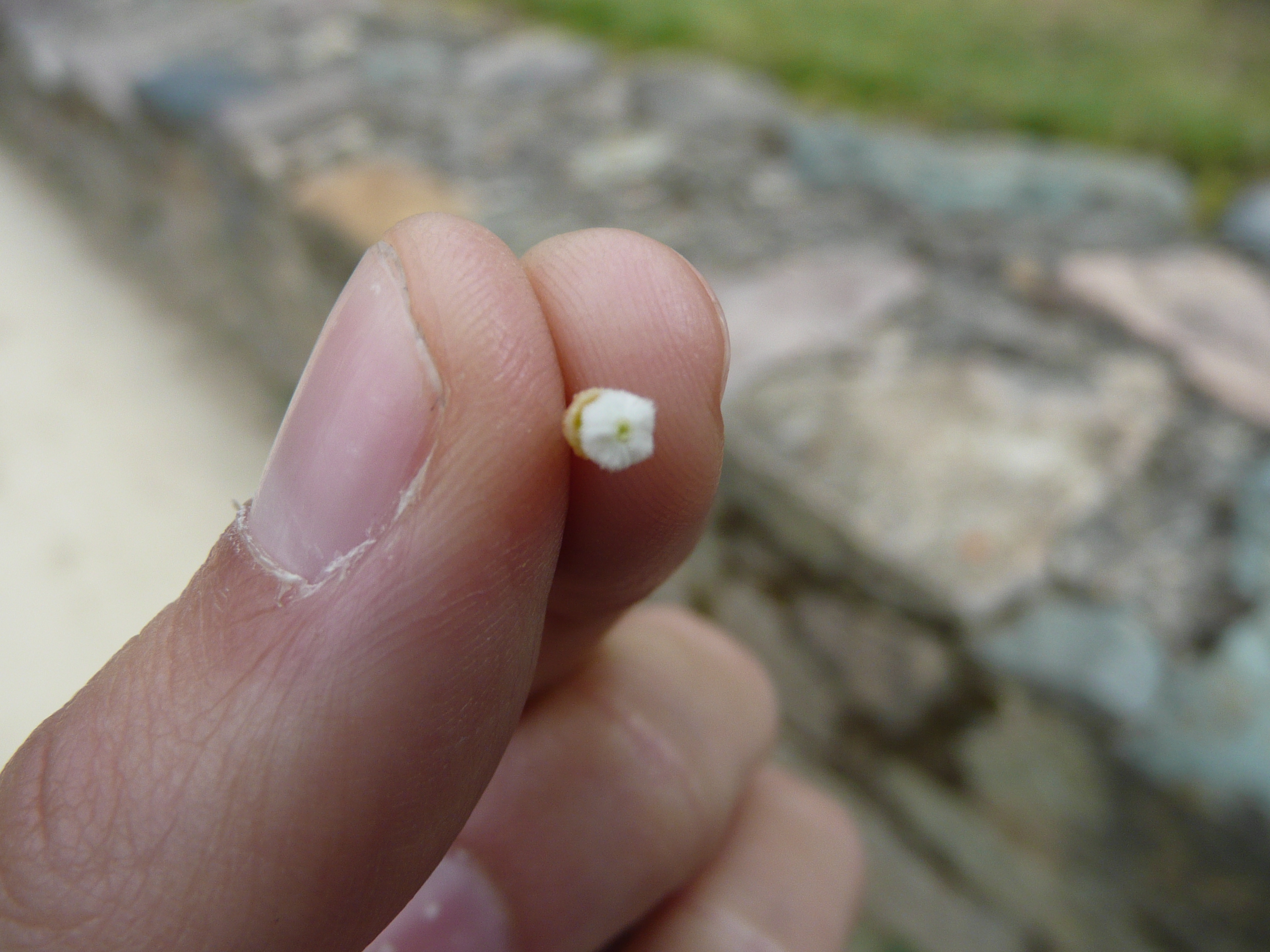
This! An Incan studded earring!
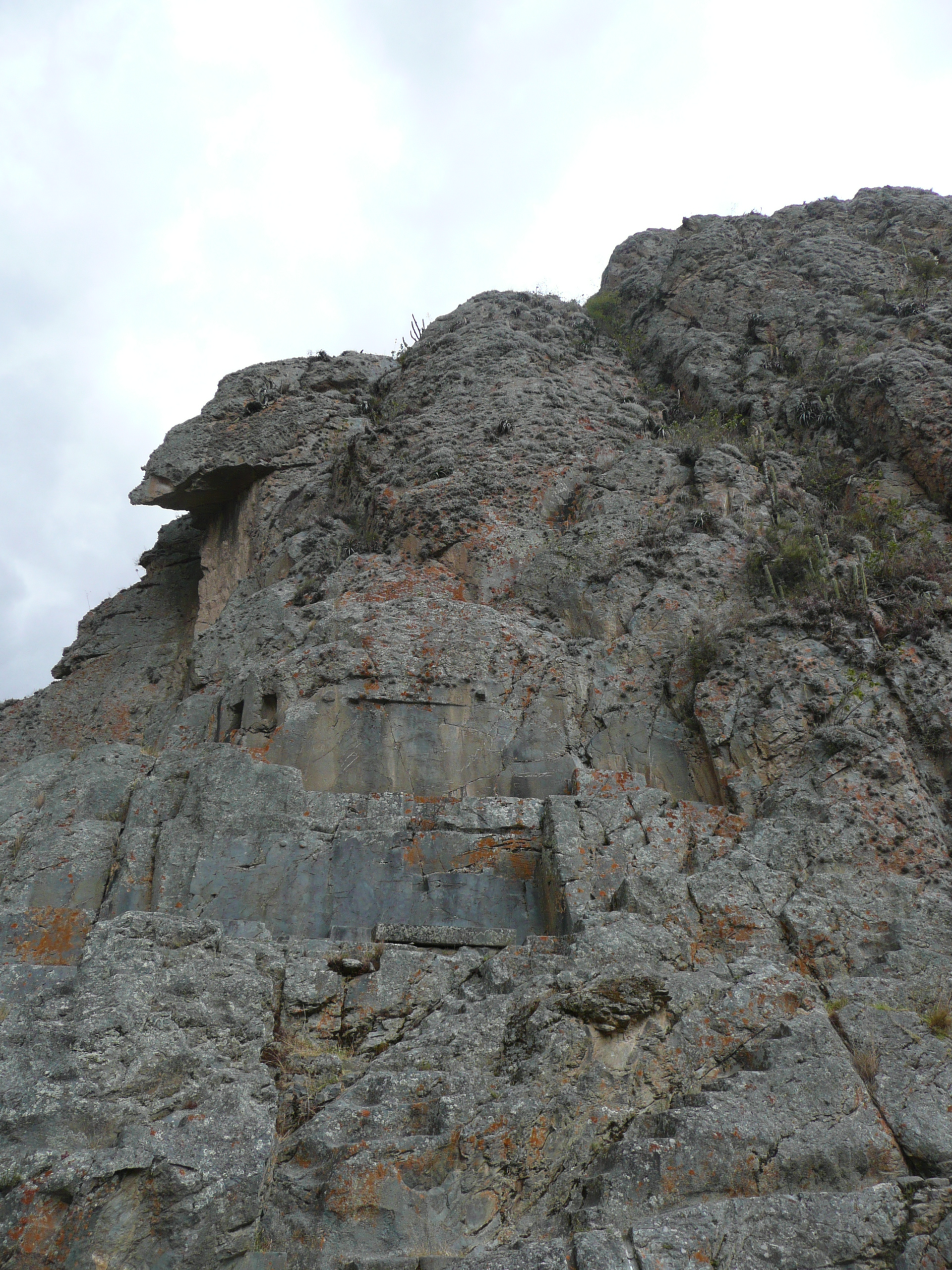
Temple of the Condor bird, Ollantaytambo. Note the head of the bird in the top left part of the picture.
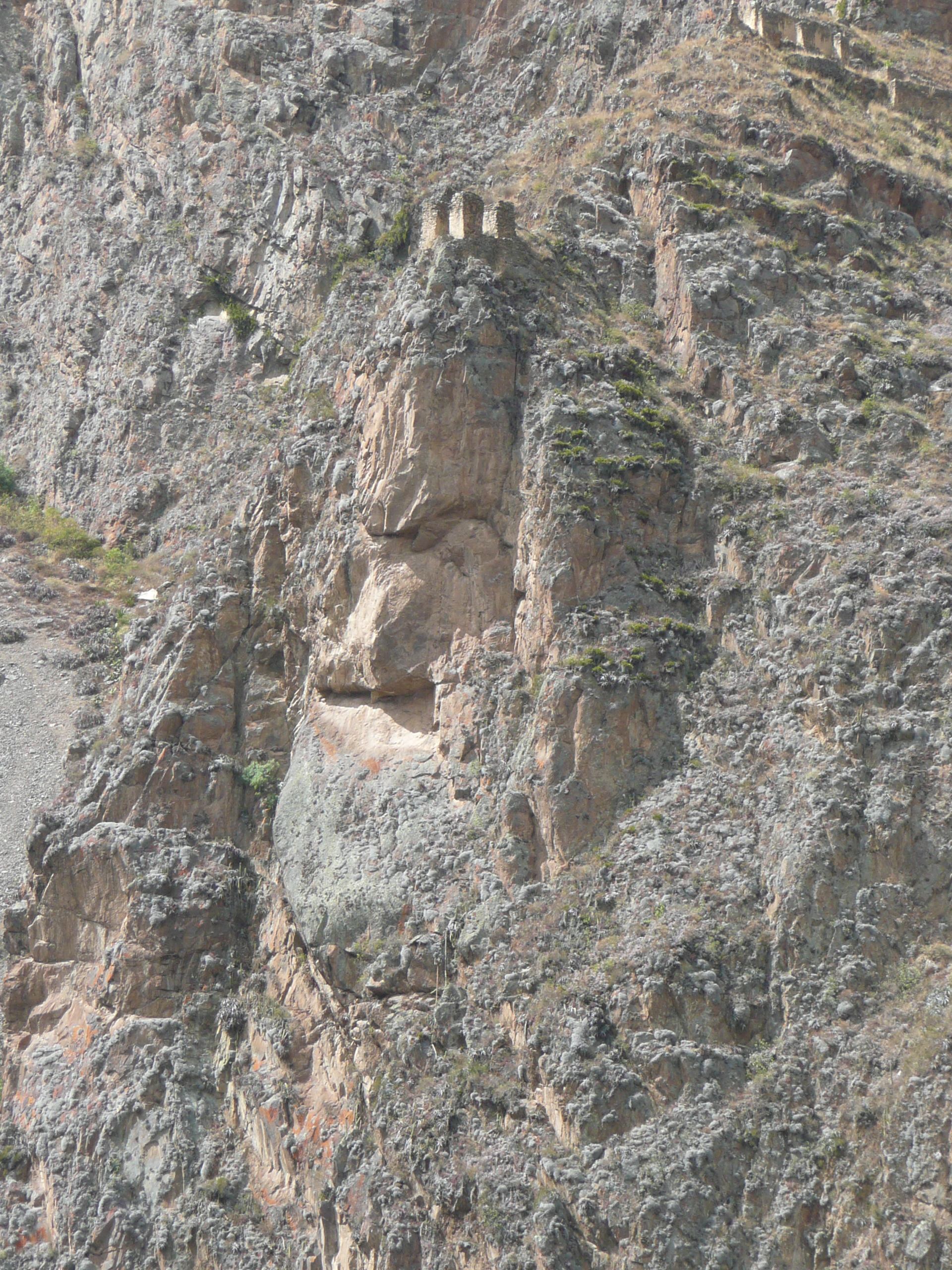
The man in the mountain – look at the face.
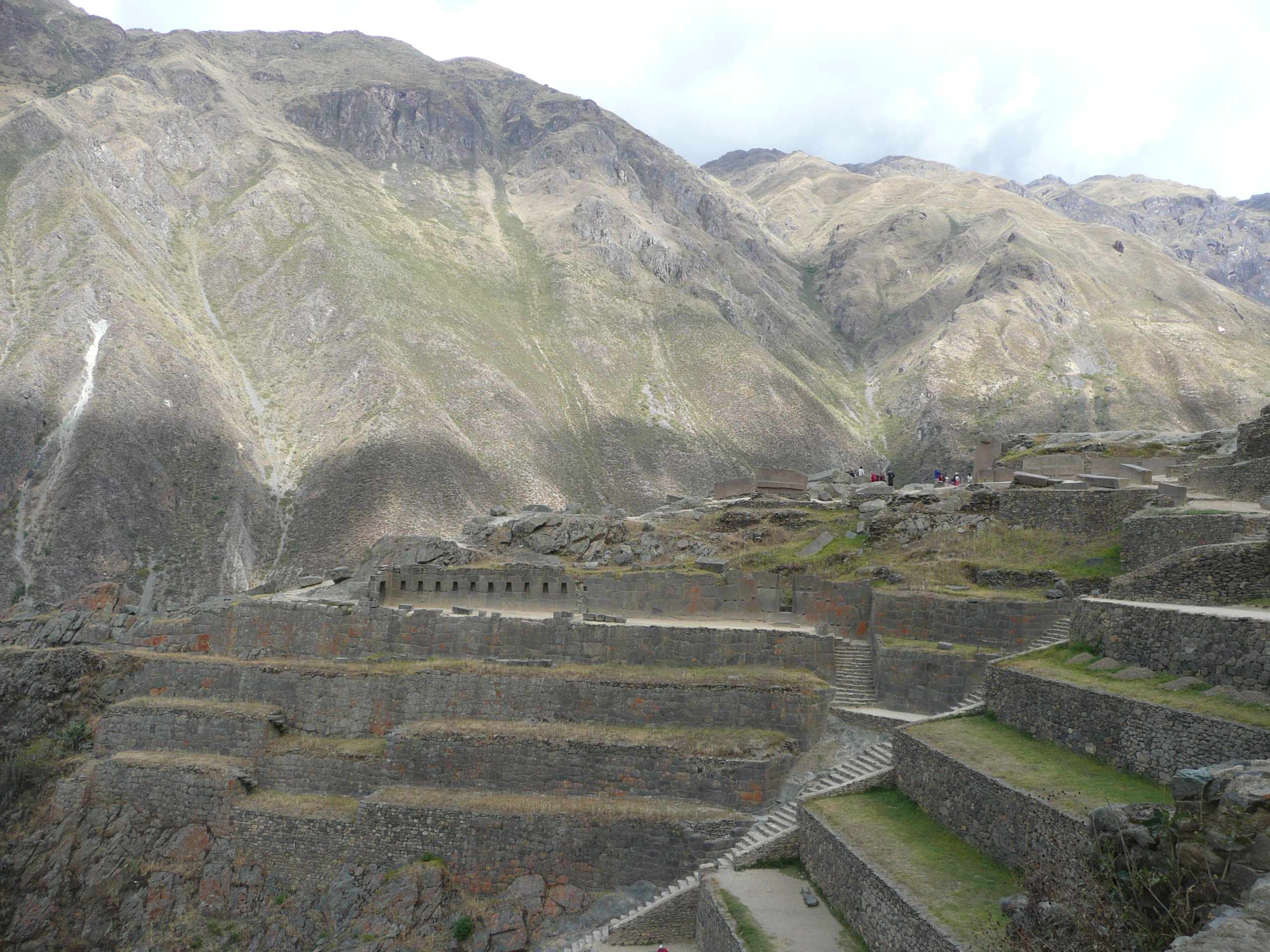
Impressive terracing in Ollantaytambo
Sabrina Pick liked this on Facebook.
Your hair looks nice, Julia.
Thanks Ben, I hadn’t had a hair cut in over six months! Wasn’t really loving it to be honest!
Will check this blo out. Watching ‘Ice road truckers’ new season.
Great pics and story. Tough place but beautiful.
Thanks!
Been playing 97pkrgame lately and it’s pretty addictive User-friendly interface and good payouts A must-try for poker fans 97pkrgame
Alanodt5 is the real deal Simple interface and easy withdrawal What else can you ask for Highly recommended alanodt5
Looking for a hassle-free GCash experience Arionplaygcash is the way to go Fast transactions and reliable service Check it out arionplaygcash
Alright, 711phcasino caught my attention. Not bad, not bad at all! Graphics are slick, and the bonuses seem legit. Going to keep playing and see how it goes, but so far, so good. Give 711phcasino a shot sometime!
Hmm, bn55com is interesting. The selection of games is varied, which is a plus. I had a little trouble navigating at first, but I figured it out. Worth a look if you’re looking for something new. See what you think at bn55com.
Downloaded the juegaenlineaapp and it’s pretty cool! Easy to use on my phone, and I like that I can play anywhere. A few of the games are a little simple, but still fun to kill some time. Download it now at juegaenlineaapp!
Downloaded the app and it completely changed how I enjoy my evening sessions. Everything runs so smoothly on my phone and the support team is always just a message away. I feel like I am part of a friendly community that celebrates every little win together. winvn16app