Machu Picchu is not an easy or cheap place to get to. Getting there takes time, effort and patience. There are a number of ways you can arrive at Machu Picchu:
- You can take a train from Ollantaytambo (2 hours) or Cuzco (4 hours) to Aguas Calientes town;
- You can hike the Inca Trail (booked out months in advance);
- You can hike one of the alternative Inca trails via a tour operator. Both of these has extra activities included like zip lining, mountain biking, a visit to the hot pools.
- You can take public transport or your own transport to Santa Teresa town via a long, steep, endlessly curvy mountain pass, get a taxi to the Hydroelectric station and then take a train or walk to Aguas Calientes town from where you can visit Machu Picchu.
Aguas Calientes is the service town for Machu Picchu. Hundreds of thousands of tourists pass through this town every year to get to Machu Picchu either by taking a 30 minute bus from the town, or hiking up a steep 1.5 hour trail to the site. There are no roads into the town, making it isolated, and a total pain to get to.
We’re not organised tour group people and like to hike on our own terms having the ability to stop and take in the sights as we like. We originally thought we’d take the train to Ollantaytambo but when we started doing the math this trip to Machu Picchu was going to be very expensive. $300 USD for the train, and then we still had to add on accommodation and entry ticket to Machu Picchu costs. By the way the ticket to Machu Picchu is exorbitantly expensive.
In the end we decided that the best option for us was to drive the car to Santa Teresa, a small town on the other side of the Valley. To get there you can either take a bus, but we had our wheels so it was a four hour drive over spectacular mountain pass scenery. The mountain pass is 4250m high, so it gets cold and misty up there. Once over the mountain, the road drops down into cloud forest, which is bordering on changing into jungle a couple of hours away. The air is hot, thick and humid. There are trees and plants everywhere that are growing right to the edge of the road. You can see pretty colourful flowers of all shapes and kind. It’s a completely different vista from the Sacred Valley. We got a little lost getting to Santa Teresa, as you have to drive through Santa Maria town to access the gravel road to Santa Teresa. It was getting dark when we found it, we felt a bit nervous as we had the idea we were about to start driving Peru’s own version of the Death Road. Clinging to the edge of a cliff the entire way we drove in the dark over a bad narrow gravel road with numerous water crossings. A couple of times we had to get out and have a look at the crossing because it was pitch black. There were also the usual crazy taxi drivers speeding away with no care for their car’s suspension. Scary!
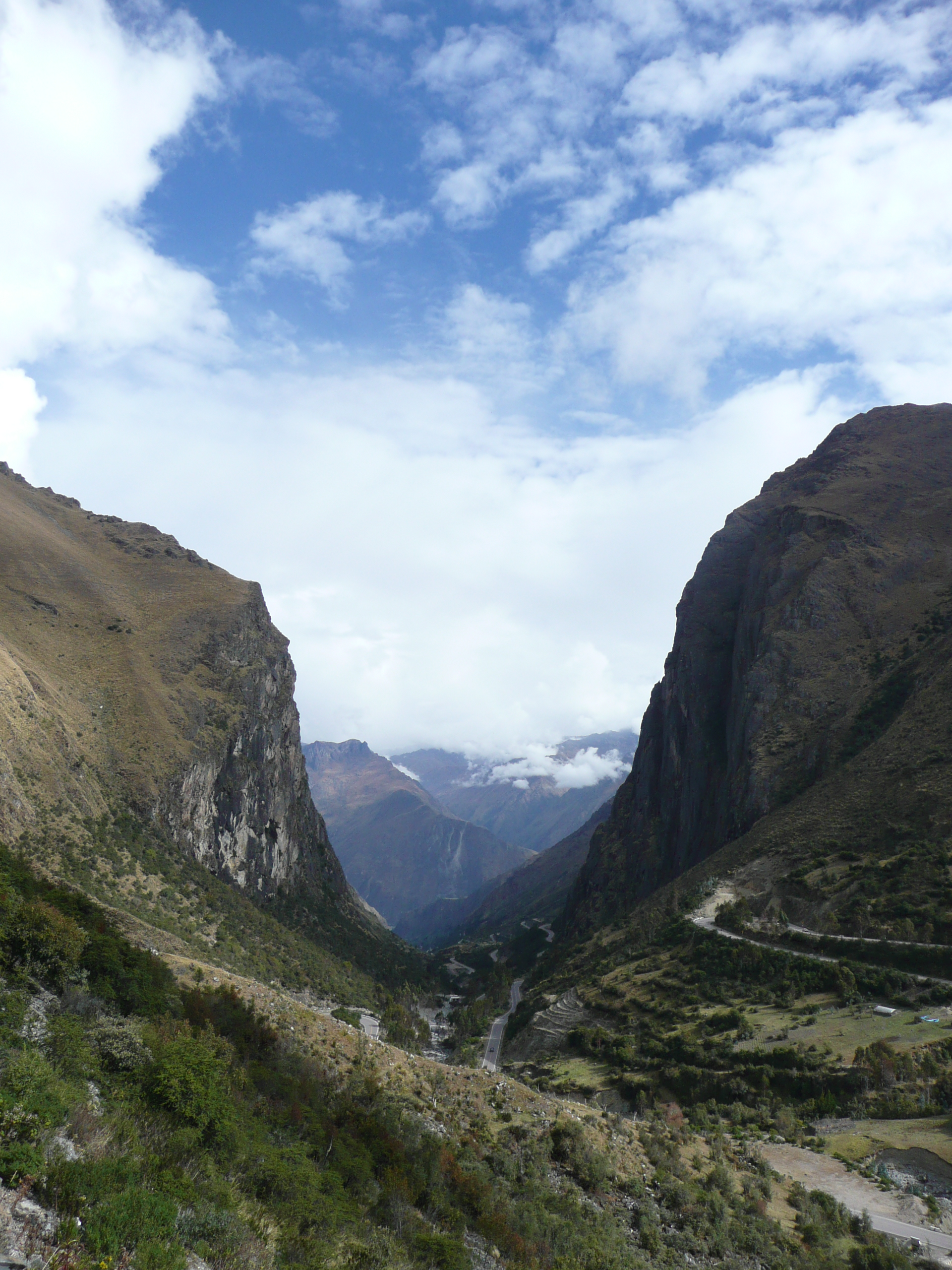
The beginning of the Abra Malaga mountain pass from Ollantaytambo to Santa Teresa.
In Santa Teresa we found a campsite where we knew we would also be able to securely park the car for a few days. We were happy to be camping again after so long, so set up camp quickly in the dark. The campsite is very popular with tour groups, and every night there are at least 50 tents pitched from various tour groups. The campsite is seriously scummy and disgusting which I found surprising as it was such a popular stop. It rained that night, which was for us the first time we’d had serious rain in months (since Cachi in northern Argentina). It was a peaceful way to pass the night, listening to the rain land on the tent roof.
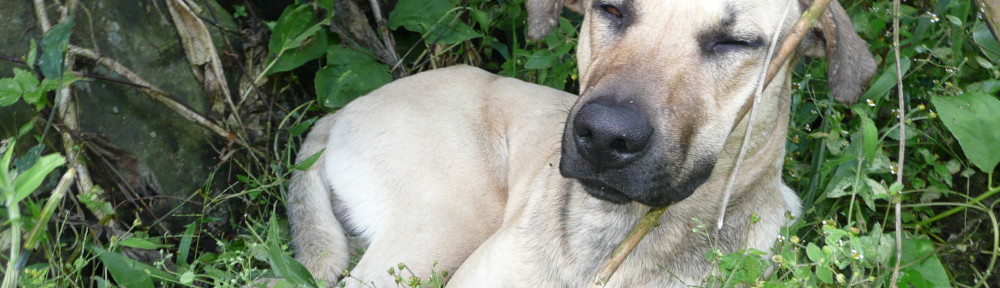
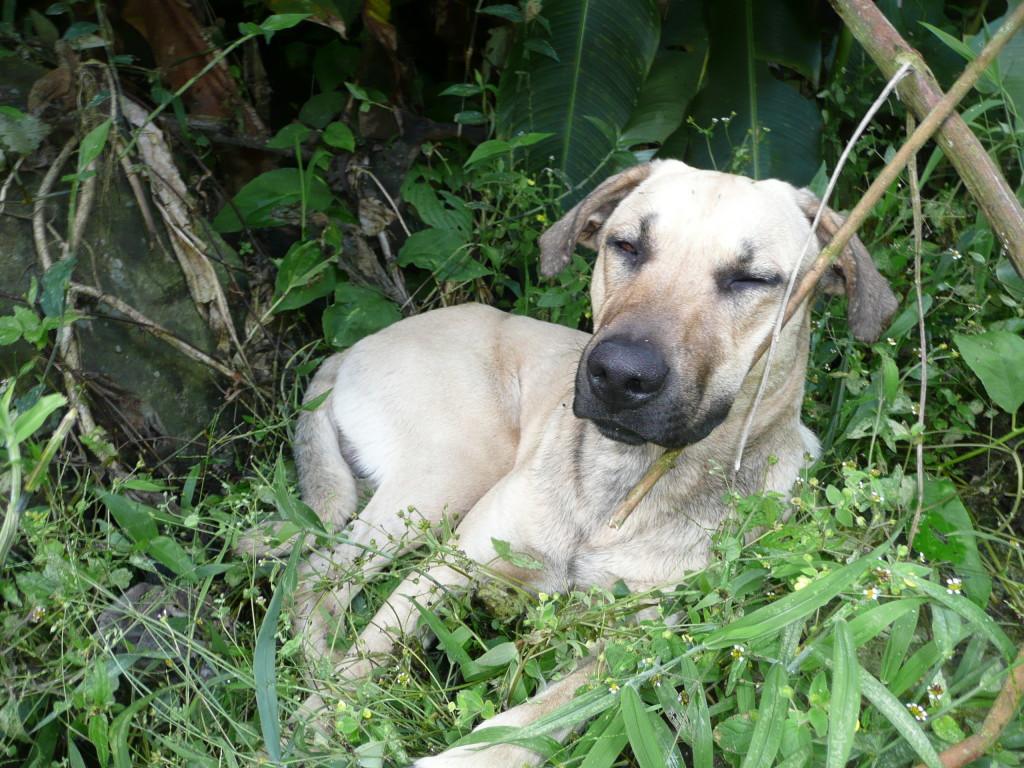
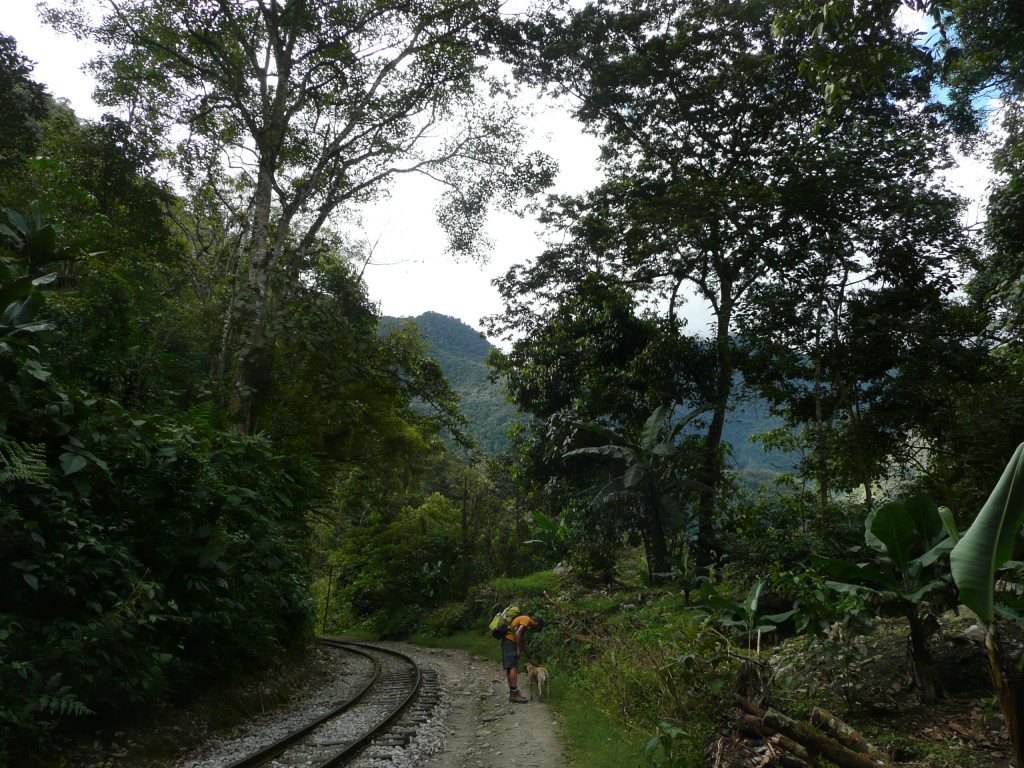
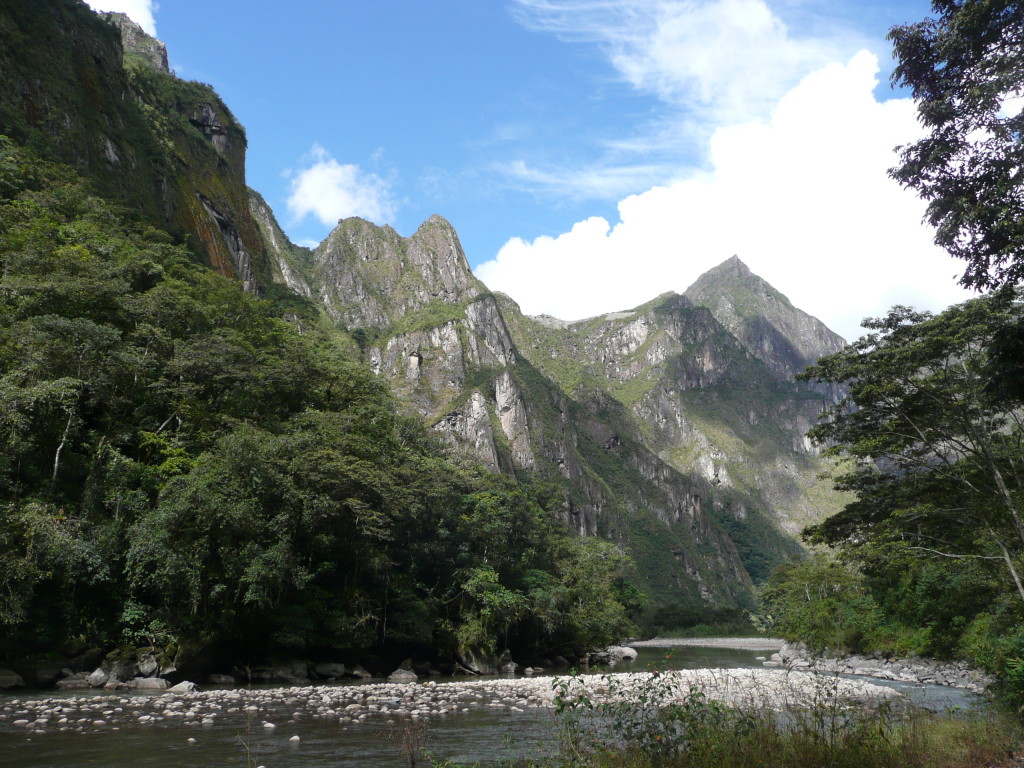
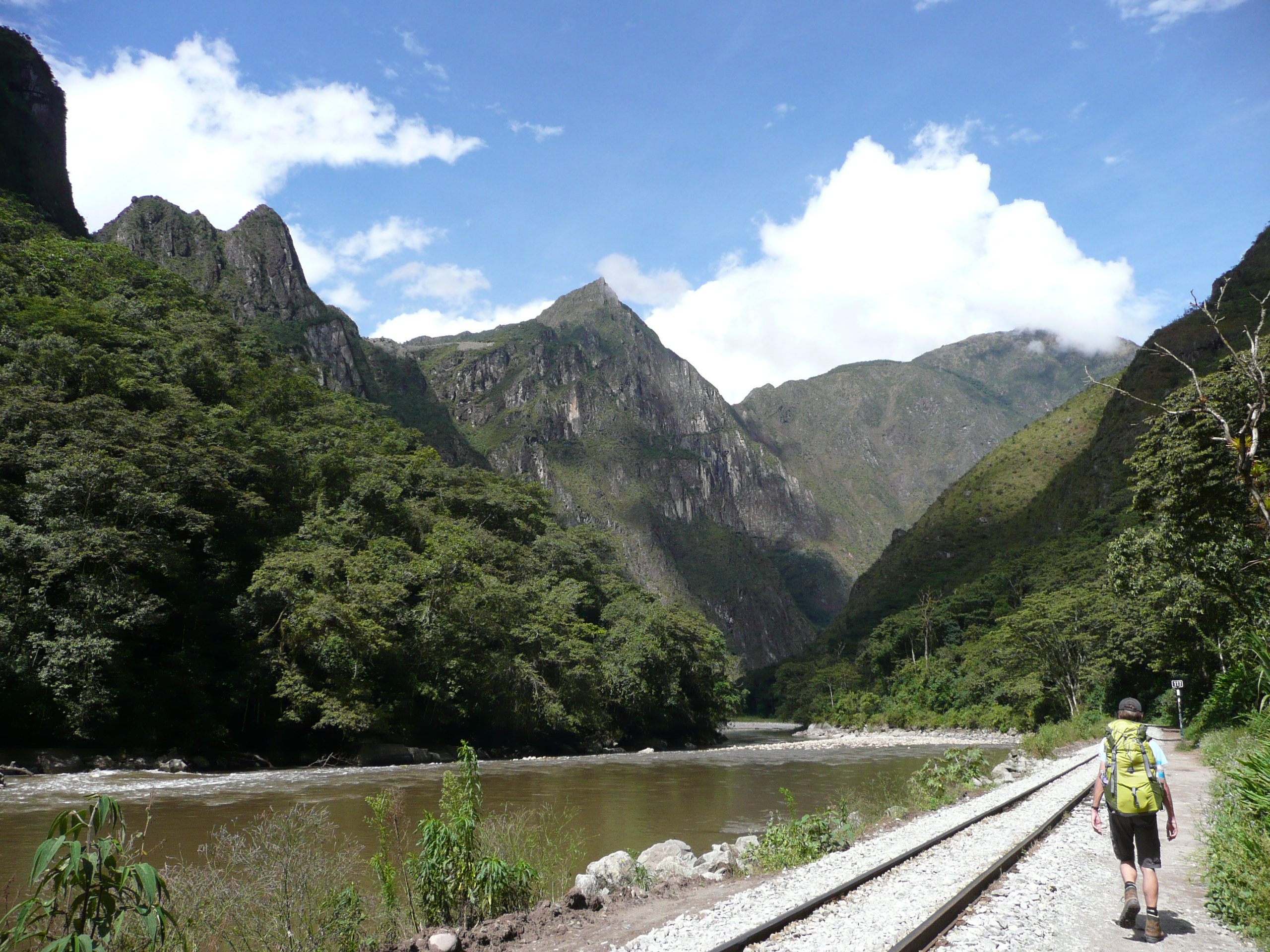
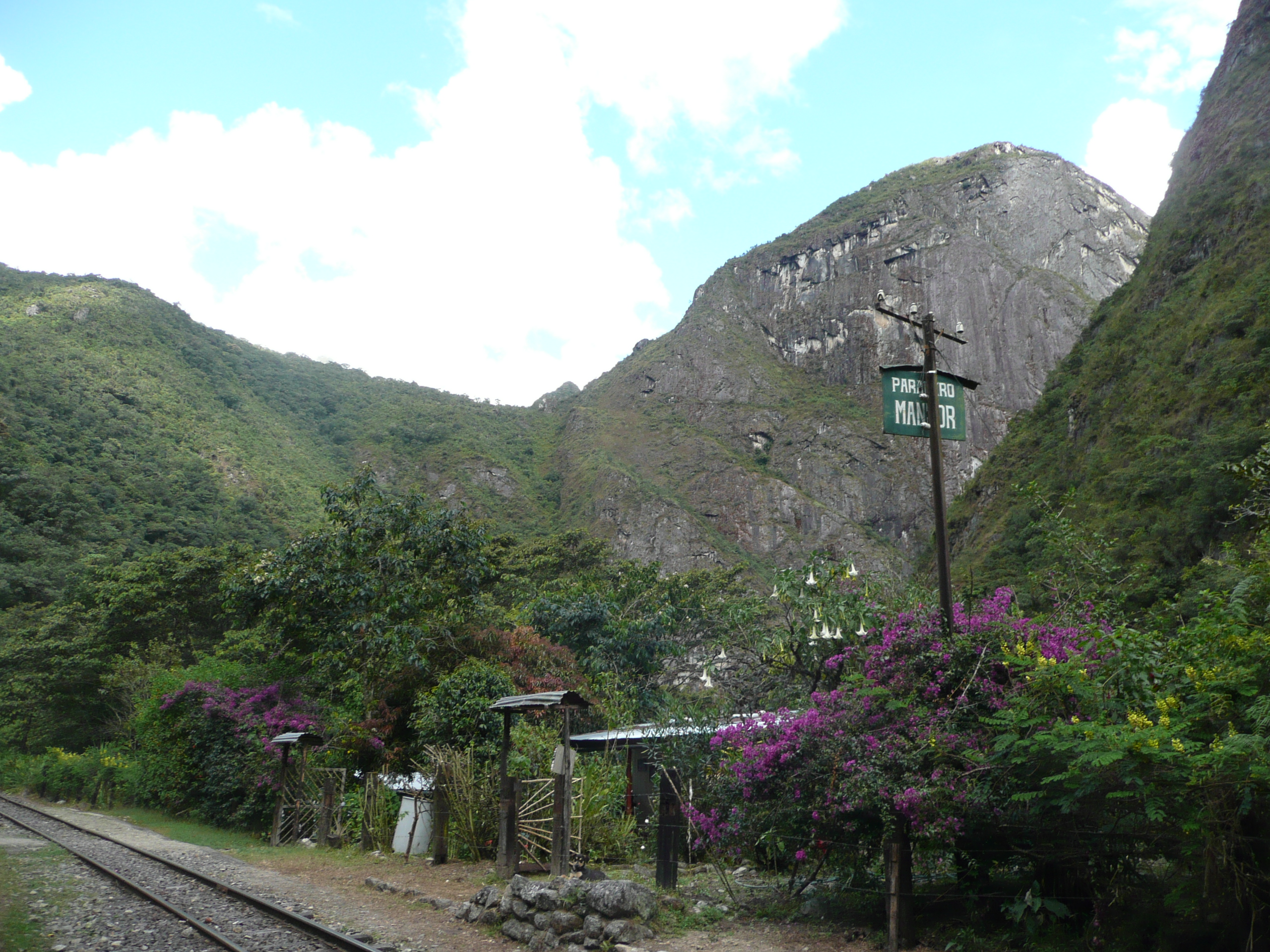
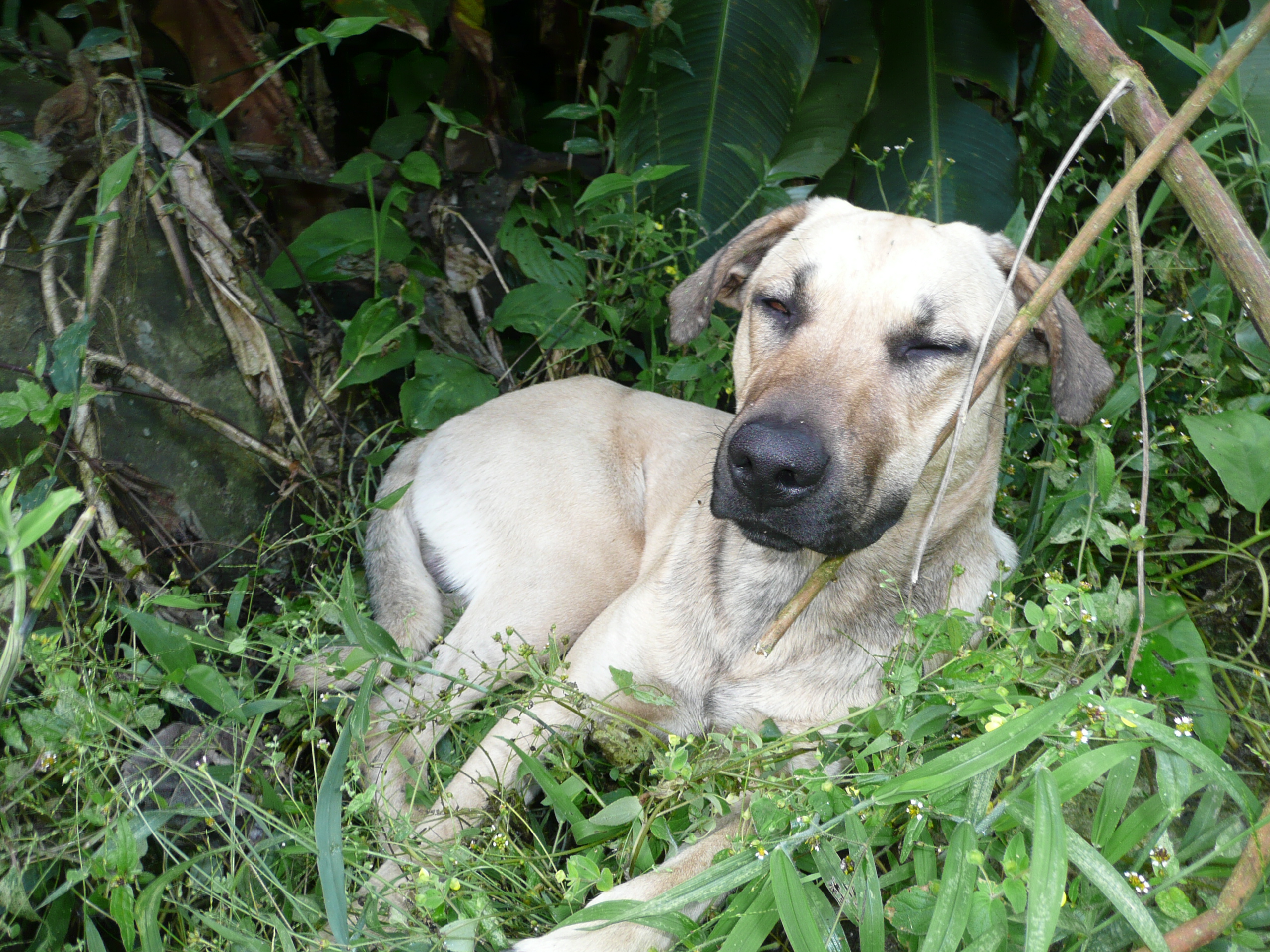
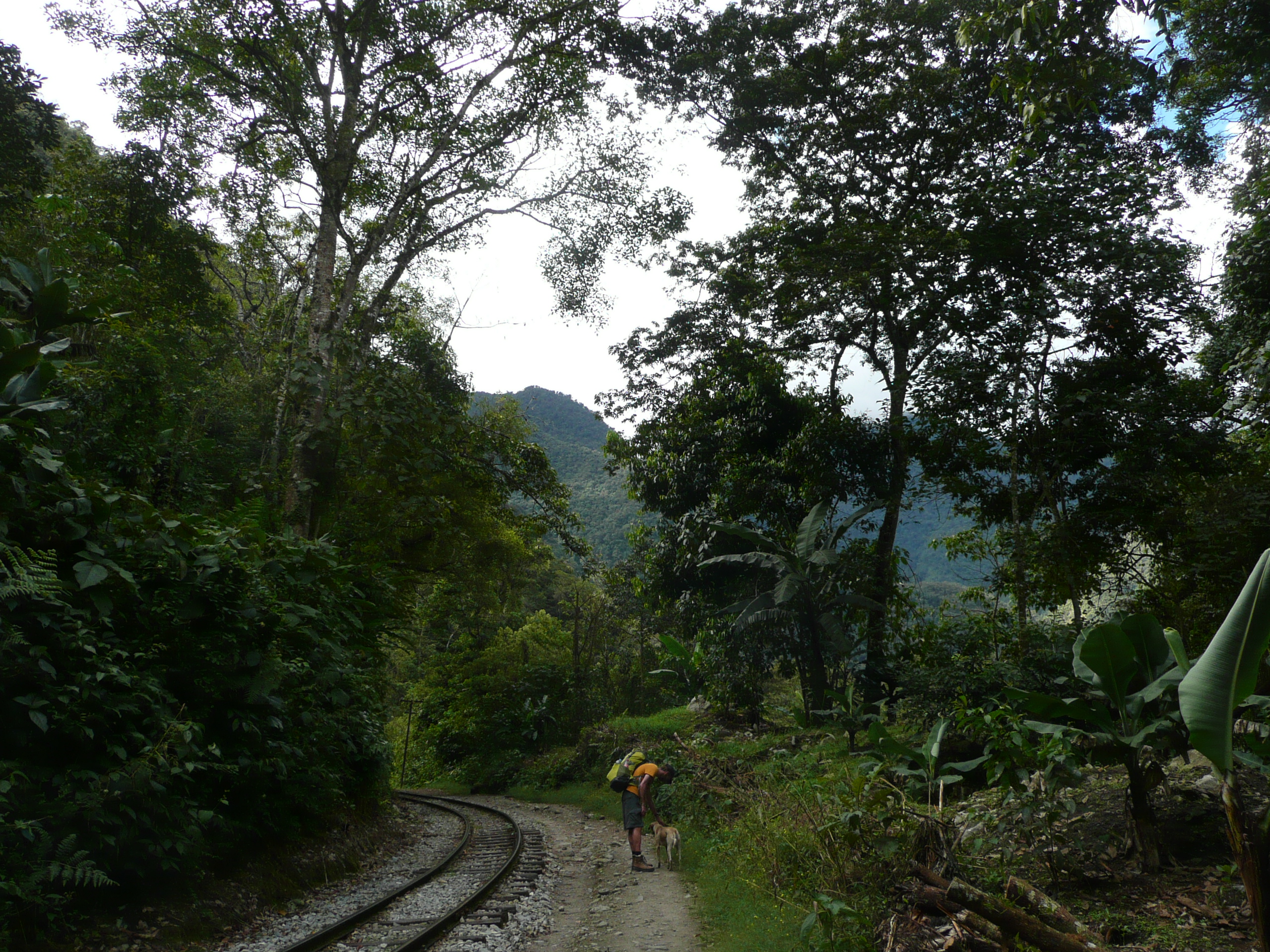
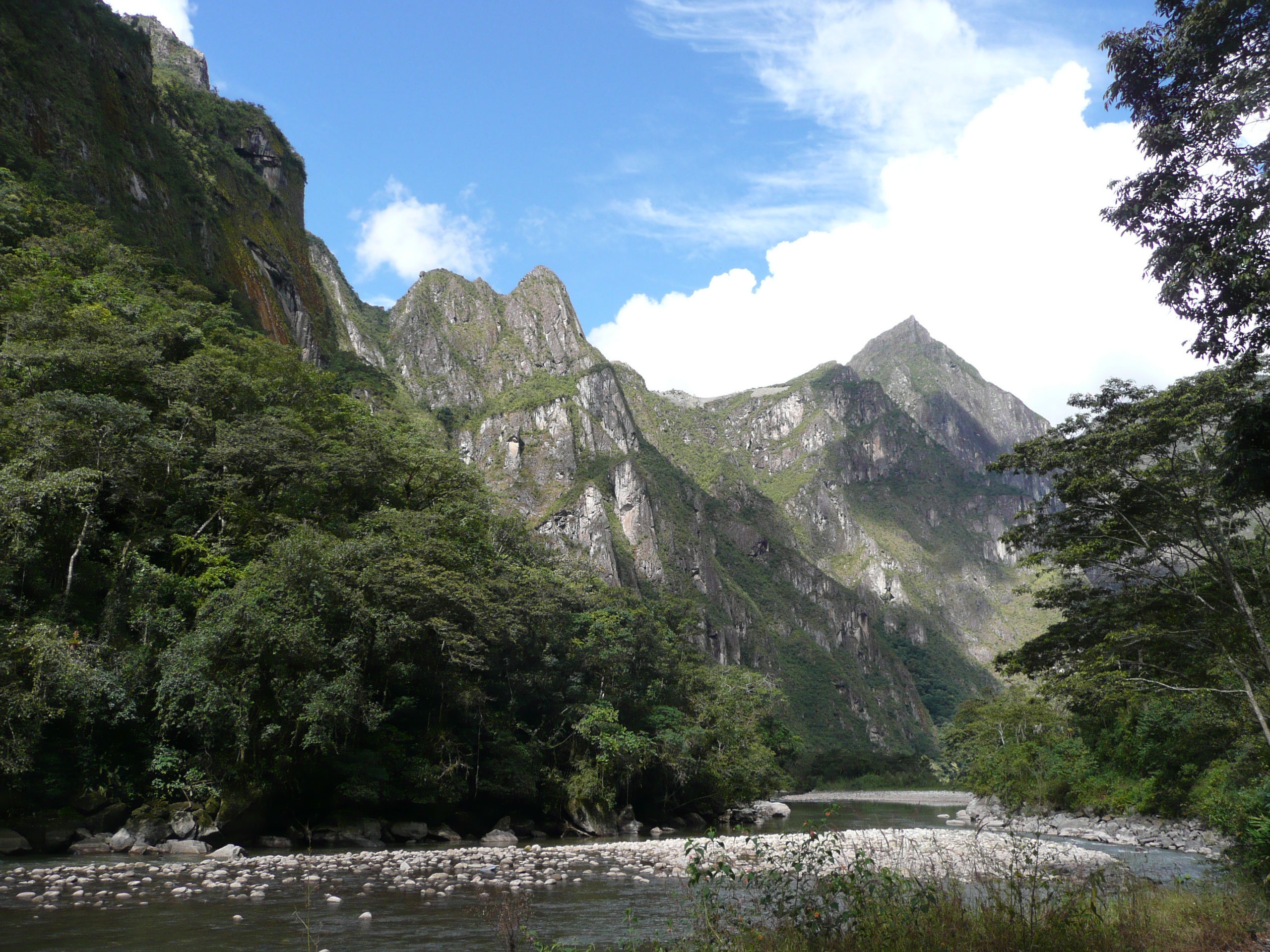
In the morning we packed up to start the hike to Aguas Calientes town. Some people walk from Santa Teresa to Aguas Calientes which is a seven hour walk, but the first half of the walk is unpleasant because you follow the road and as a result constantly eat other cars dust. We instead got a taxi to the hydroelectric station which took 30 minutes and cost hardly anything. Once there you can either take a train to Aguas Calientes or walk it. The hike from the station to Aguas Calientes is scenic, and also incredibly easy. All you have to do is follow the train tracks and stay out of the way of passing trains! The scenery is nice too. There is interesting cloud forest to see, a river running, and it is here you have your first views of the mountains that make Machu Picchu so spectacular. The walk takes about three to four hours. We picked up a railway dog early on and he walked with us for more than half the way. The sweetest dog ever. We fed and watered him, and talked about taking him home with us before he swapped us for another tourist. Everywhere along this trail there are street dogs picking up tourists and following them as they walk. A lot of people ignore them and are scared to touch the dogs, but our experience of dogs in South America has been great. In truth they are a lot more friendly, harmless and innocent then the dogs we have in New Zealand!
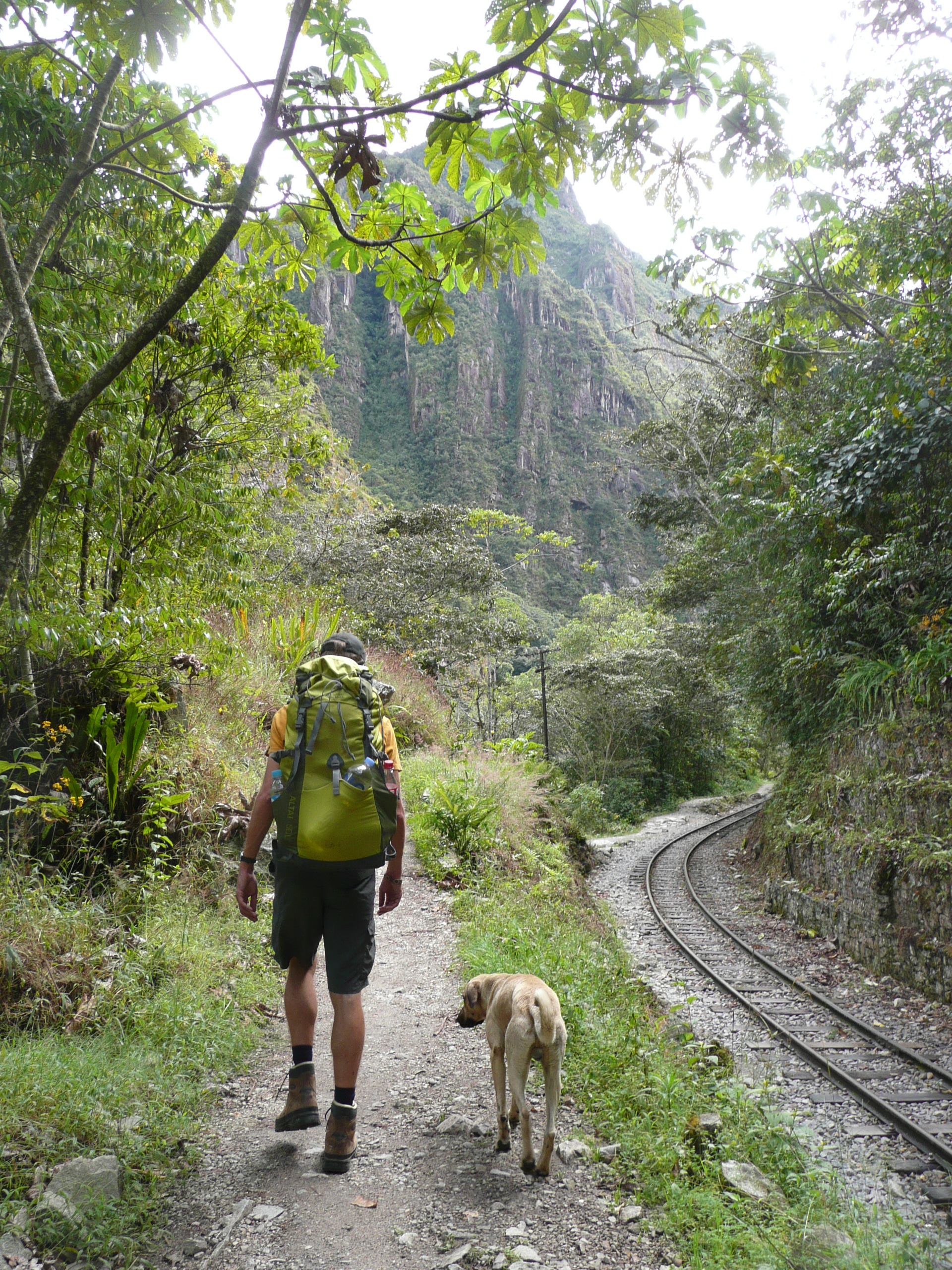
Man’s best friend.
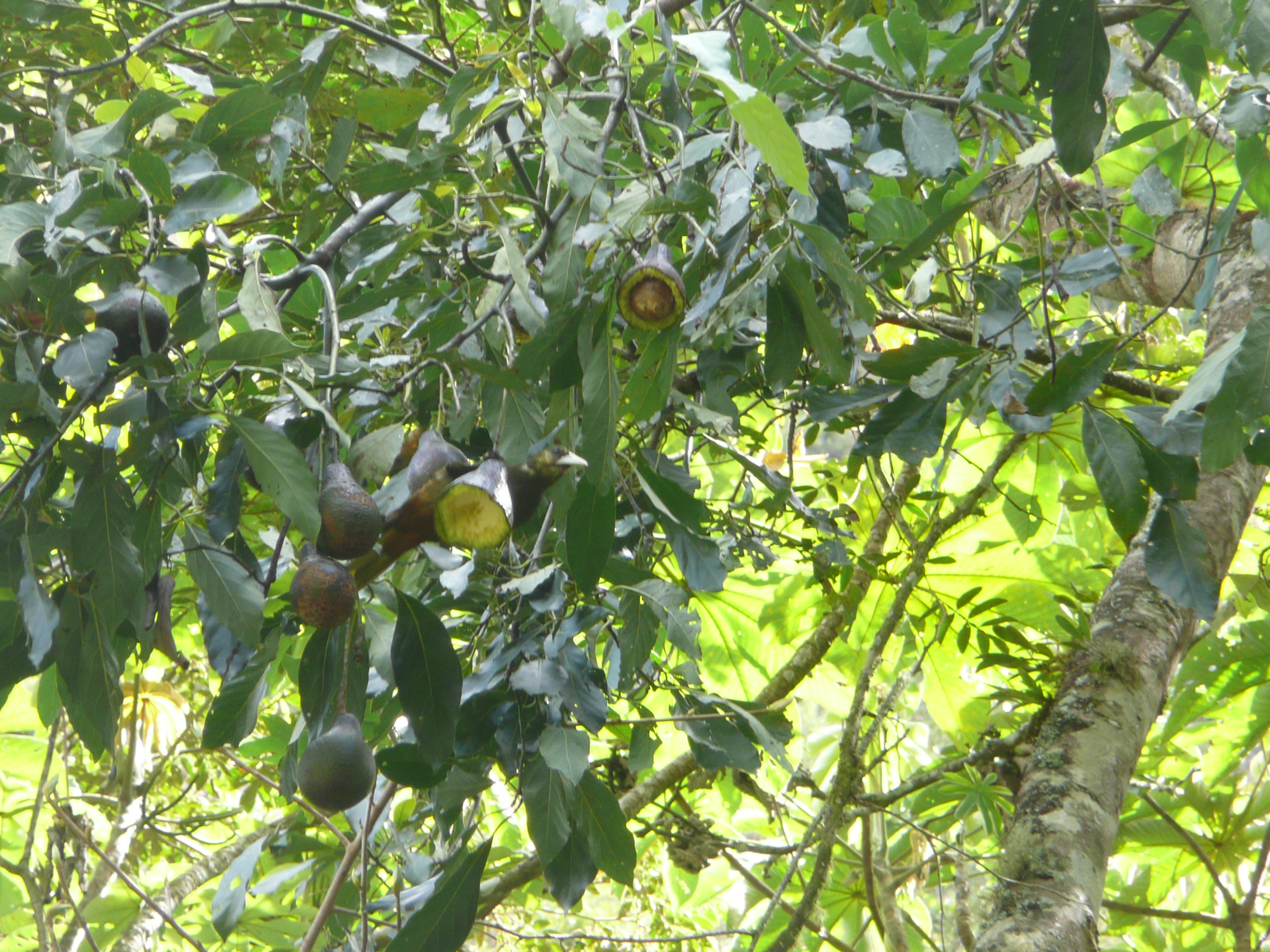
Giant avocado tree. Avocadoes are readily available in this area. Same for bananas!
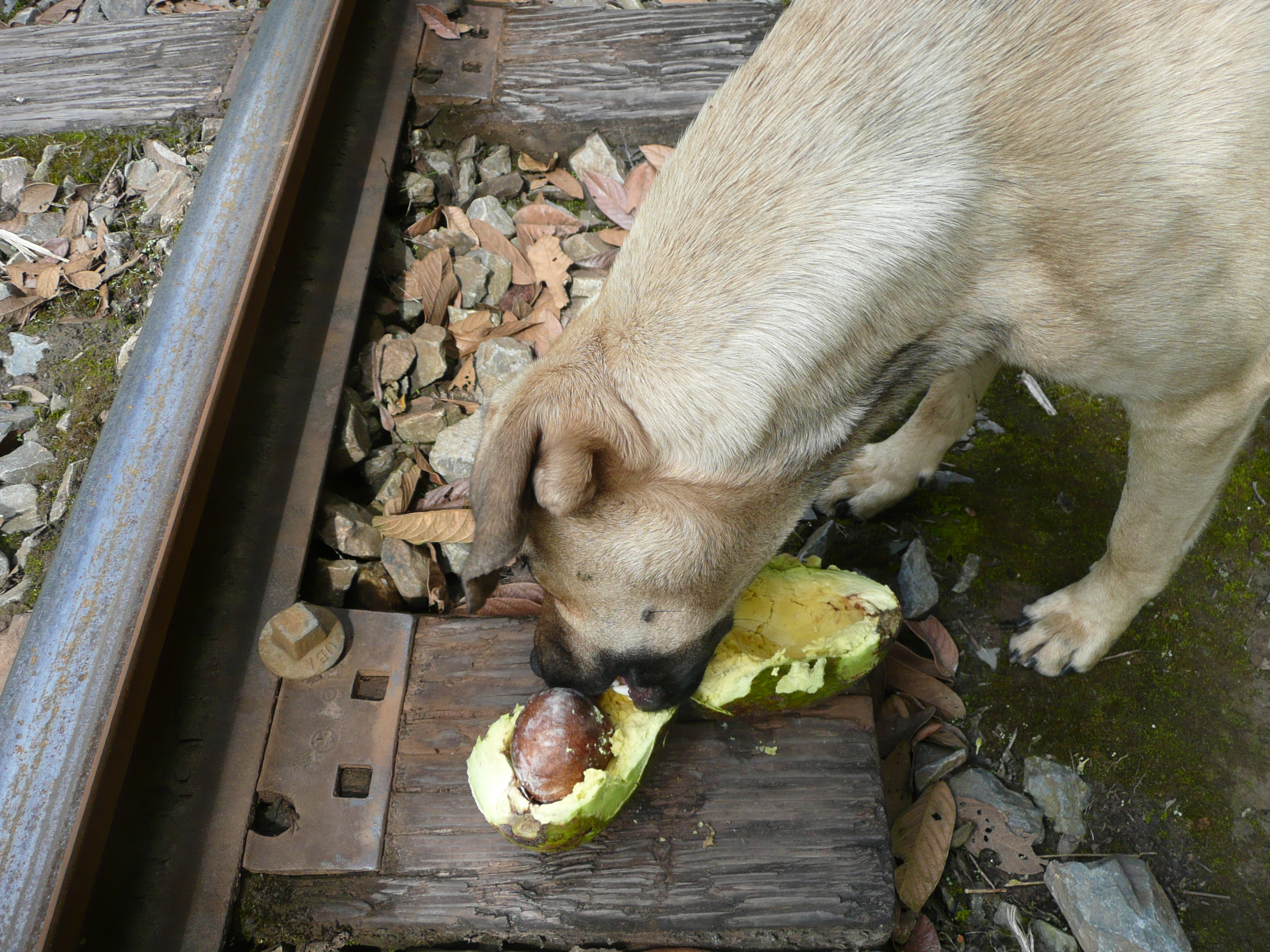
The dog found a giant avocado (look at the size of the pip) which we broke open for him to eat.
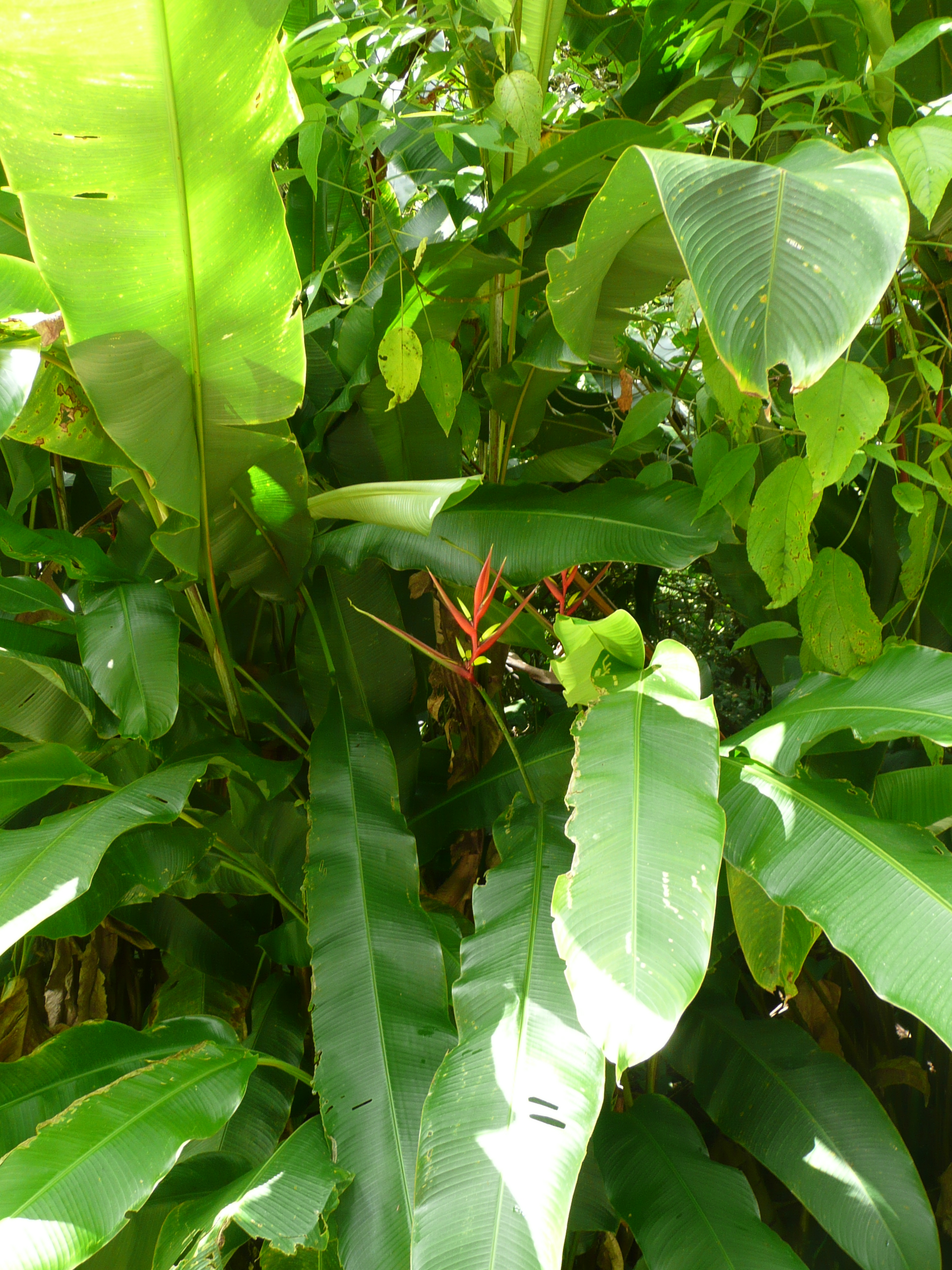
Overgrown cloud forest, beautiful!
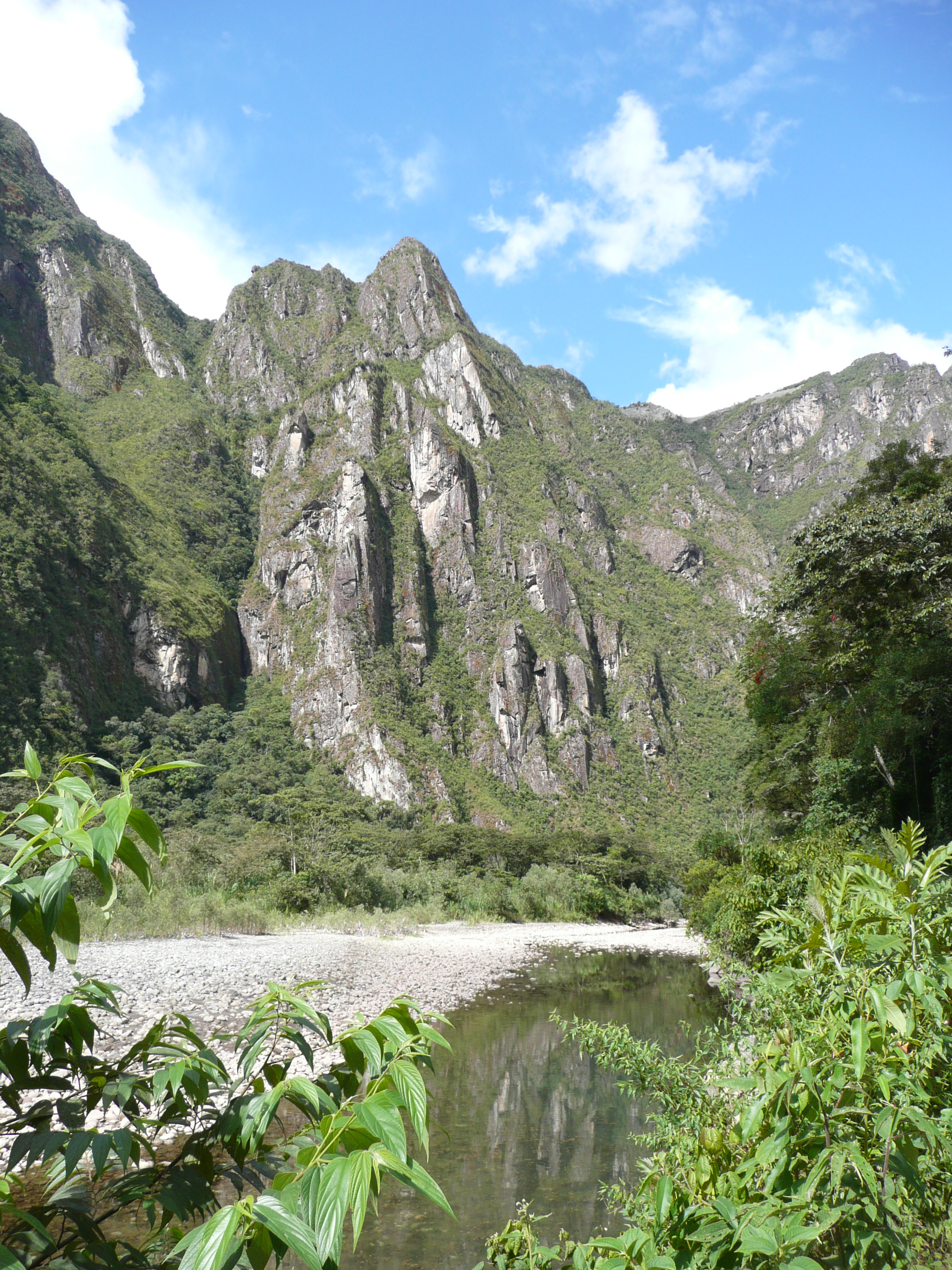
Huayna Picchu, our first glimpse of Machu Picchu
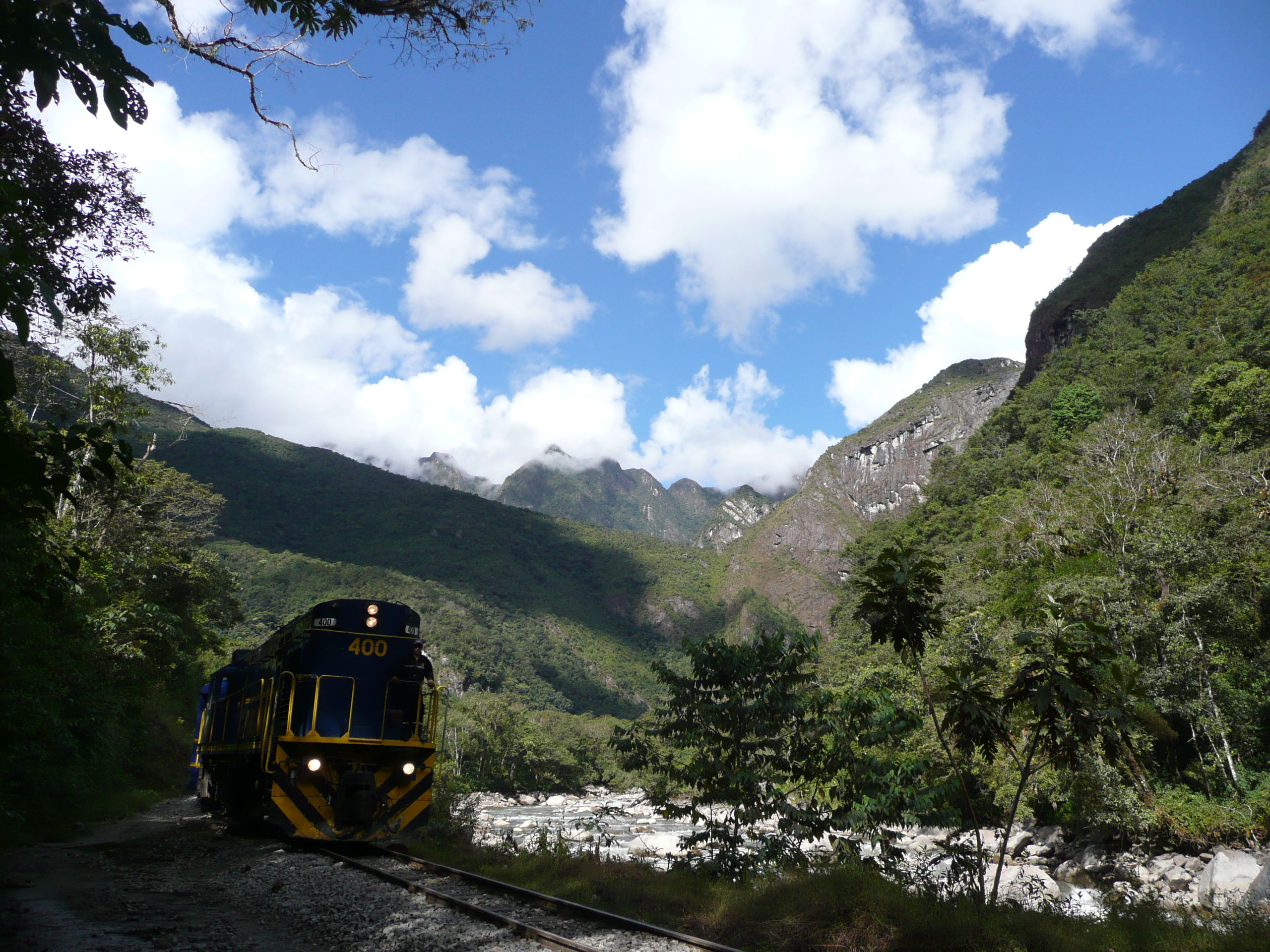
A train passing by.
Getting into the tourist town of Aguas Calientes we promptly checked into a nice hotel and spent the rest of the afternoon sitting in bed watching crappy TV. Sometimes it’s these sorts of things while you’re travelling that are complete luxury.
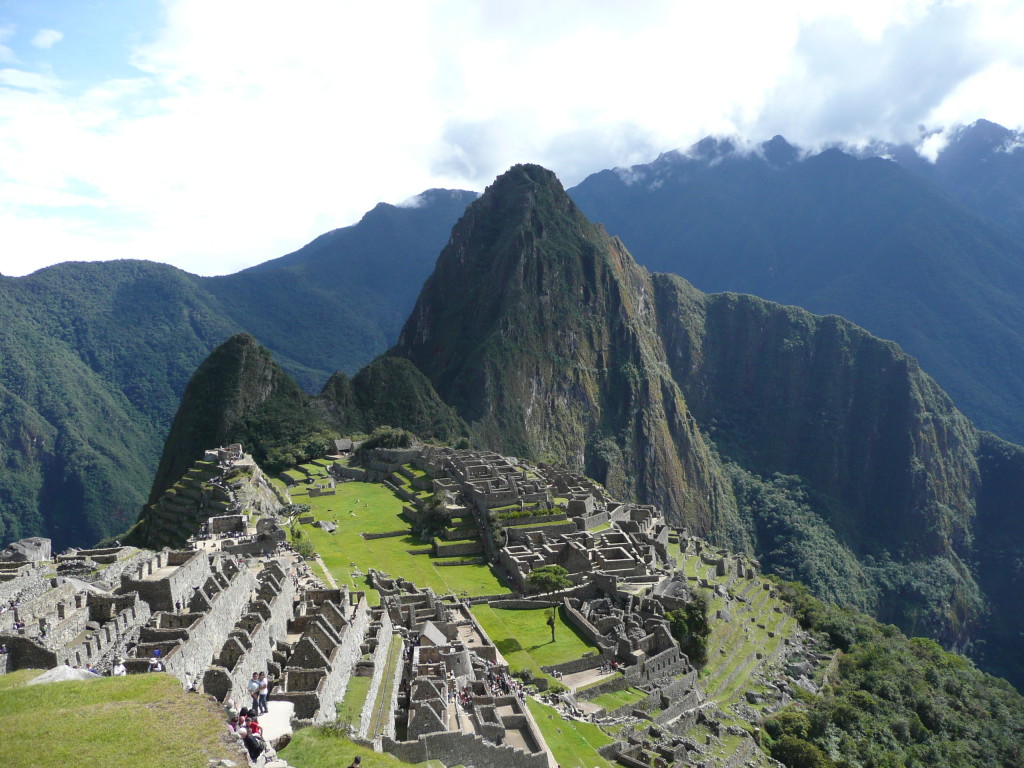
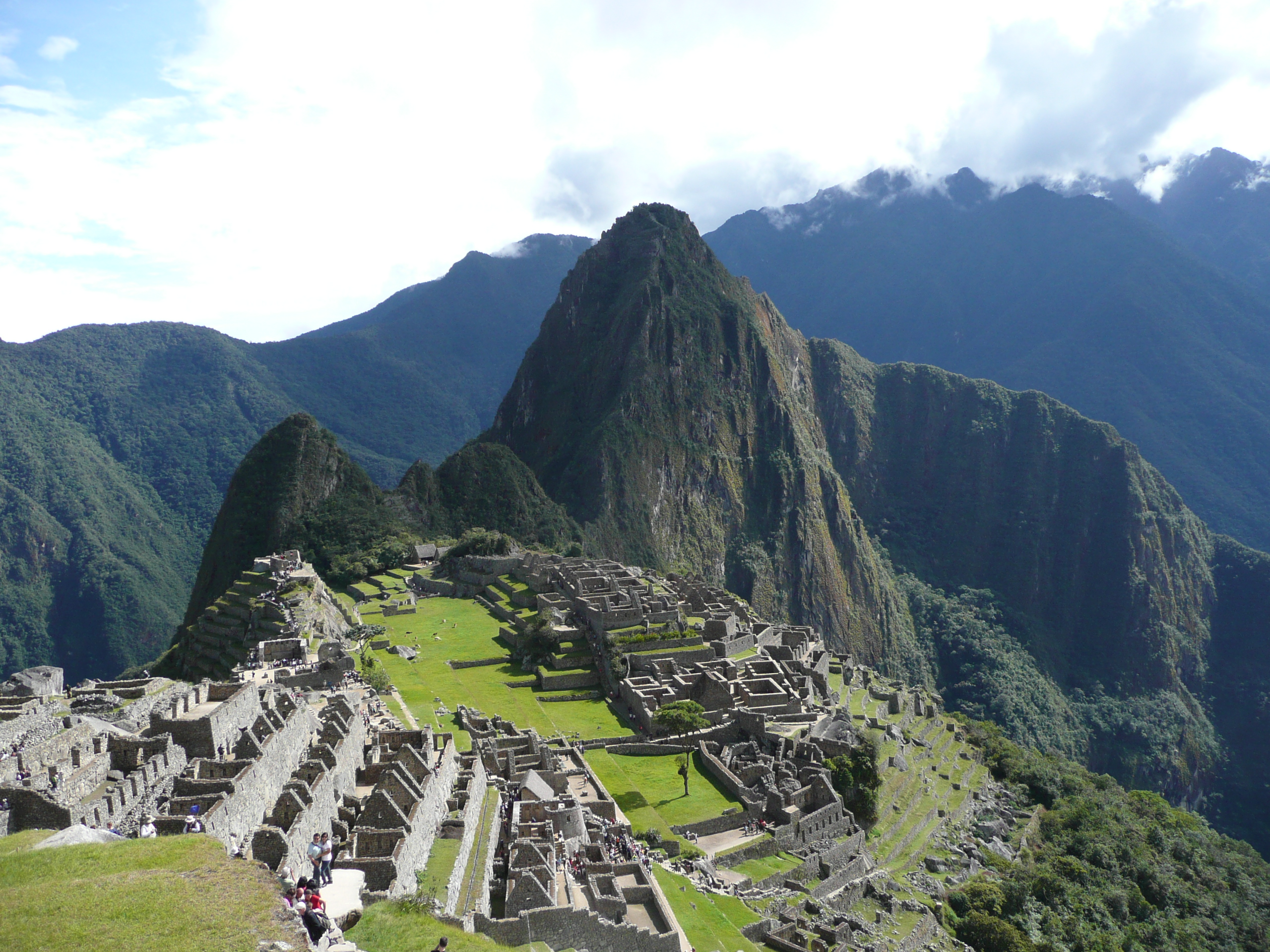
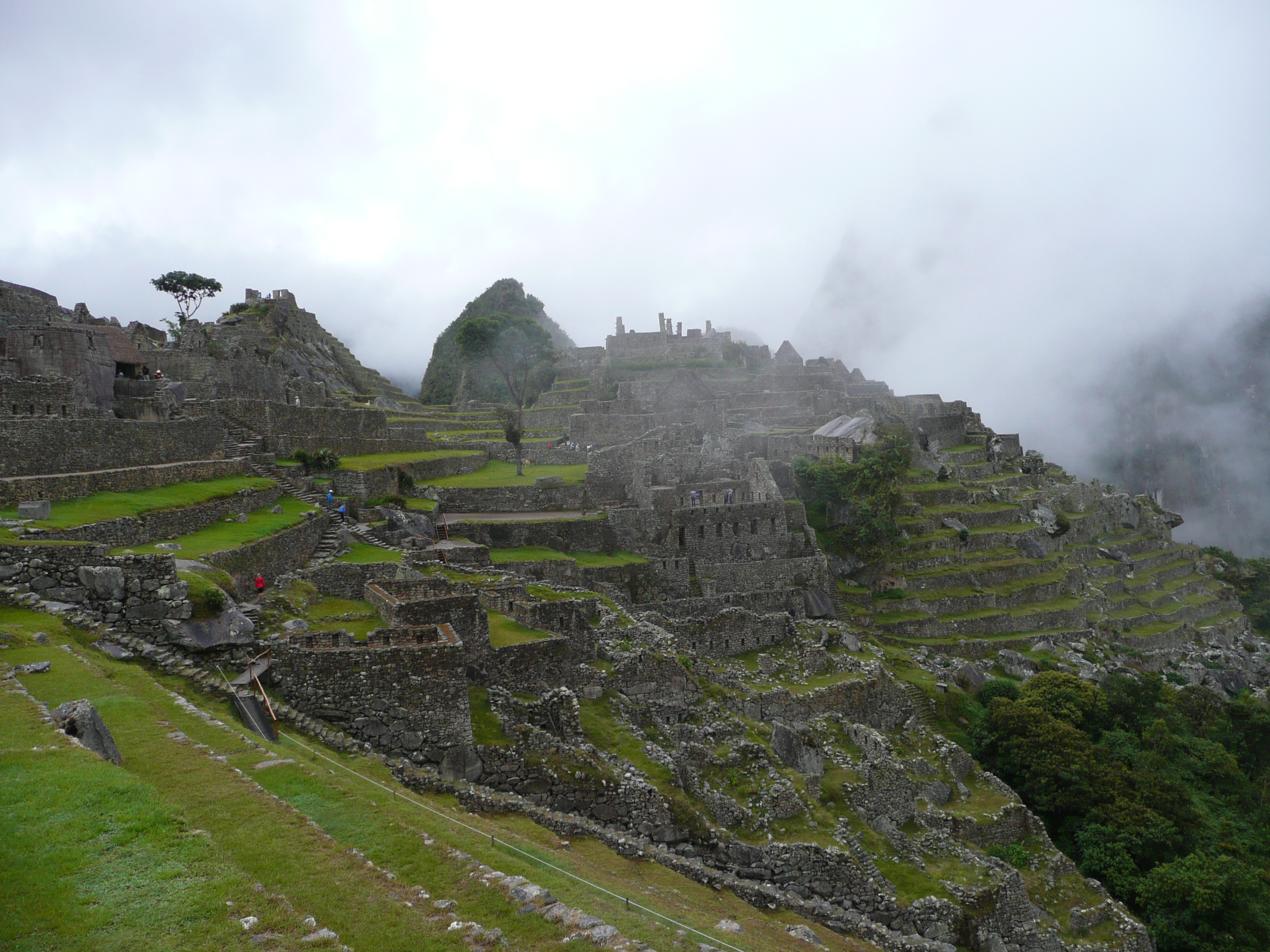
In the evening we bought our tickets to Machu Picchu and for the bus and the next morning, bright eyed and bushy tailed we took the bus up to Machu Picchu. We were promptly stunned, amazed and awed by it. It was exactly as I’d imagined it. The ruins themselves are well preserved probably because of how difficult the site is to get to and because it was well hidden from civilisation for so long. But that isn’t what makes Machu Picchu so special. It’s the setting, the steep mountains that Machu Picchu sits amongst that makes it so spectacular. We had a little bit of cloud while there, and this just adds to the mystical quality of the site. Having secured the classic Machu Picchu photo (from the rock underneath the Guard House) we set off to explore the Inca Drawbridge and the Sun Gate which you have to hike away from Machu Picchu to explore.
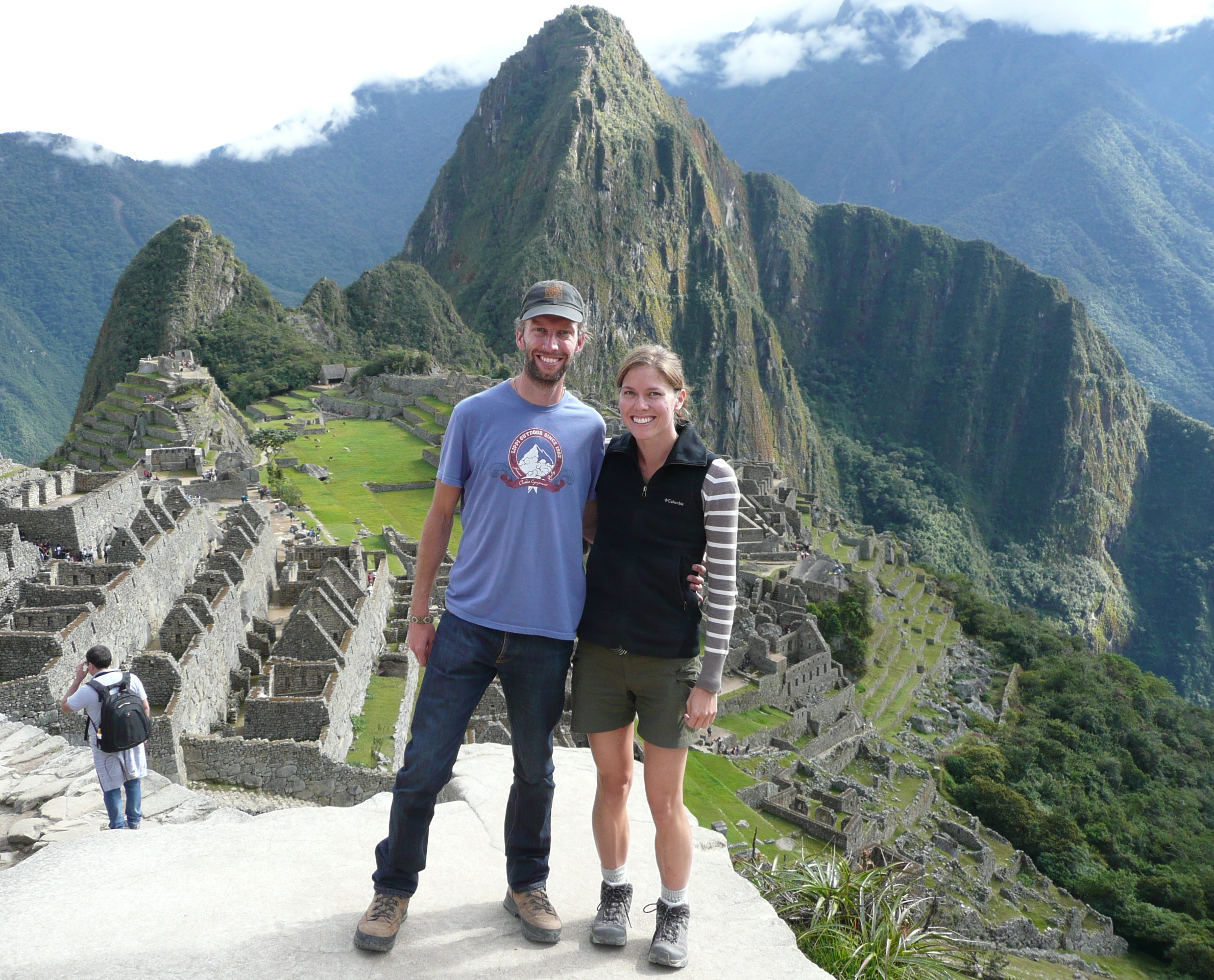
Getting our classic Machu Picchu photo, cliche but everybody does it!
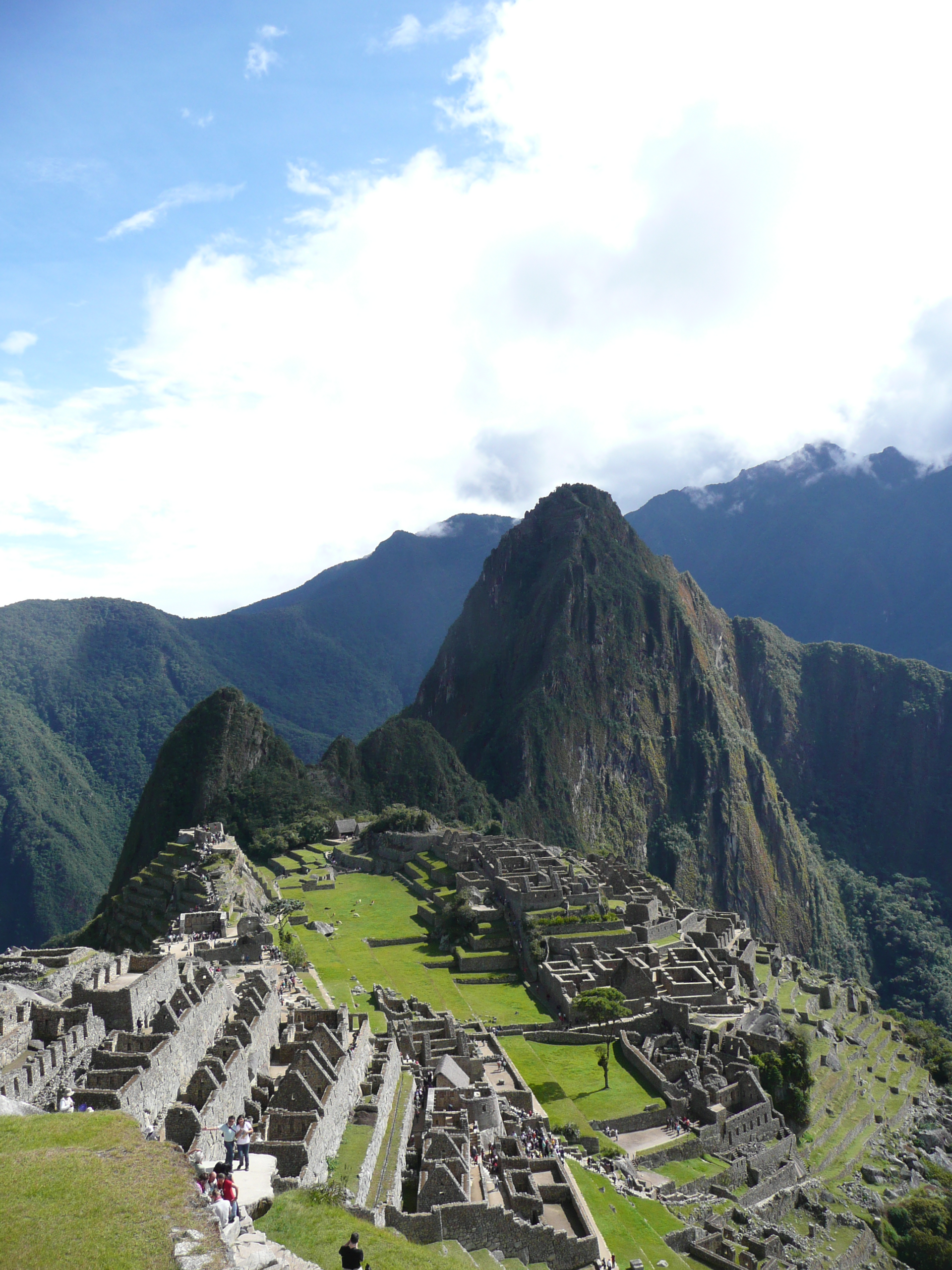
We were impressed especially with the Inca Drawbridge. It is built in such a way to allow access into the city during good times, but also allowed the city to defend itself from possible invaders during the bad times. People used to be able to walk over the bridge but some accidents mean that access to it is now closed.
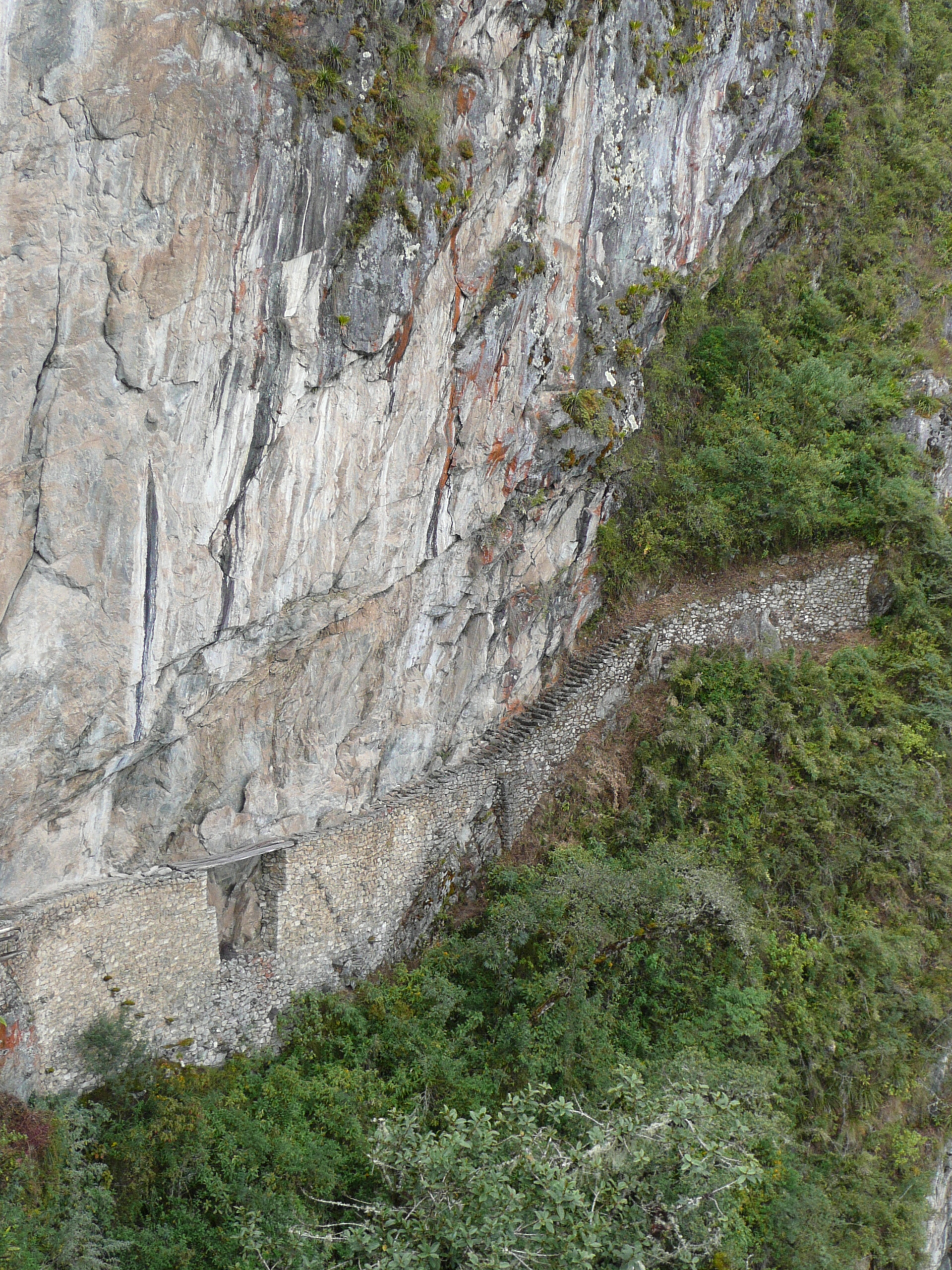
Inca Drawbridge, very narrow and not for people with a fear of heights, long way down!
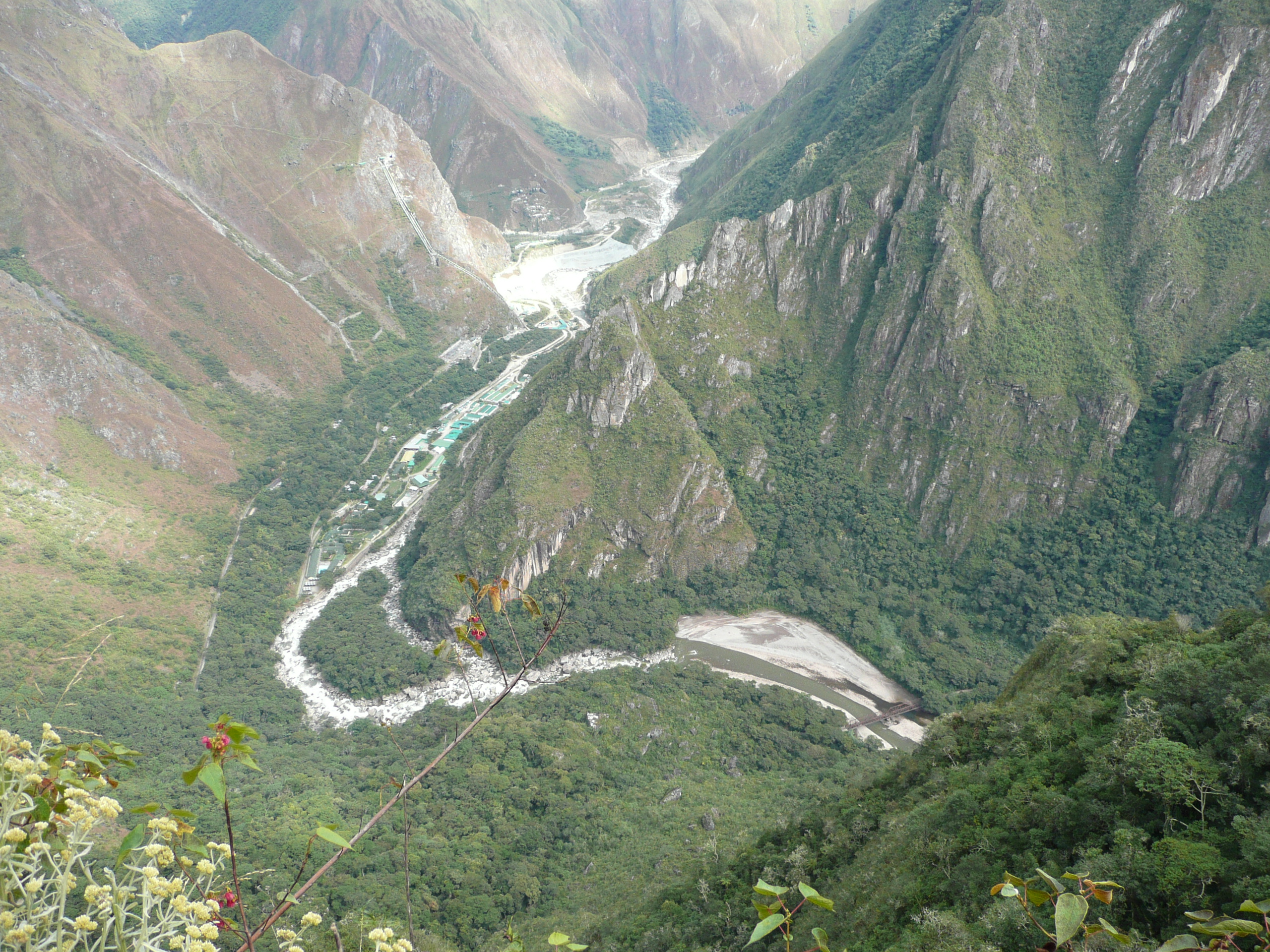
From the Inca Drawbridge we had views of where we had walked from the day before. That’s the hydroelectric station below.
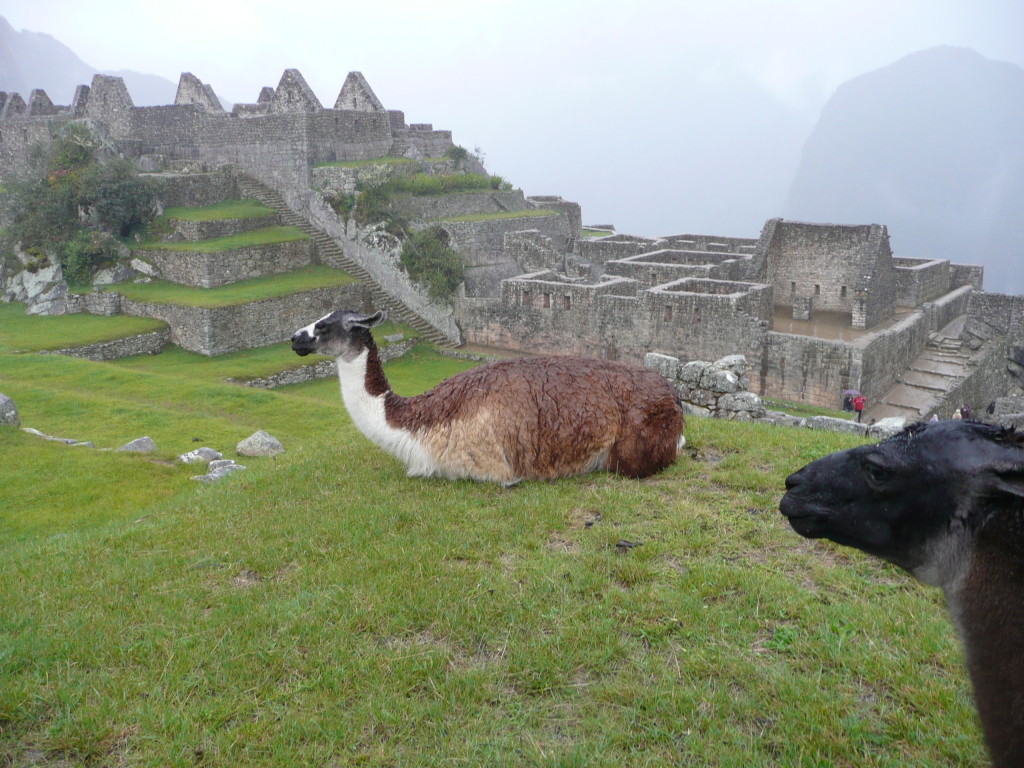
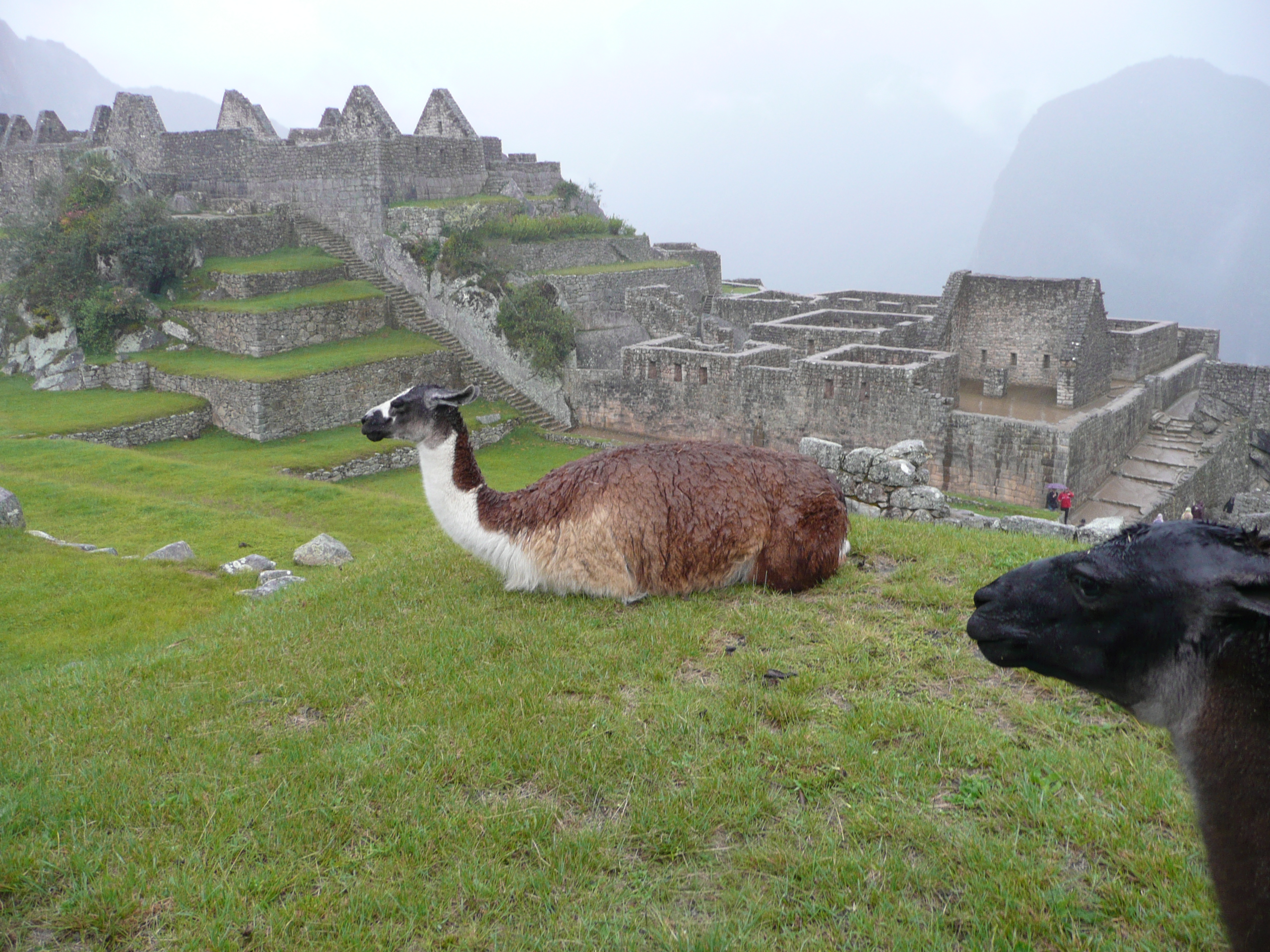
We ate lunch while the rain that had been threatening set in. We still hadn’t seen the urban part of the city so we set our minds to exploring them in the rain. Luckily Richard had packed our Gore-Tex jackets that morning. I had said we wouldn’t need them thinking it would be all sunshine and blue skies! Back in the complex we did a quick whirlwind tour as the rain hammered down. We got to witness the amazing aqueduct system the Incans used to drain away water, and we also played with a soaking wet llama. Once the water was starting to seep through my jacket we decided it was time to leave, so on the bus we got and it was back to the hotel for hot showers.
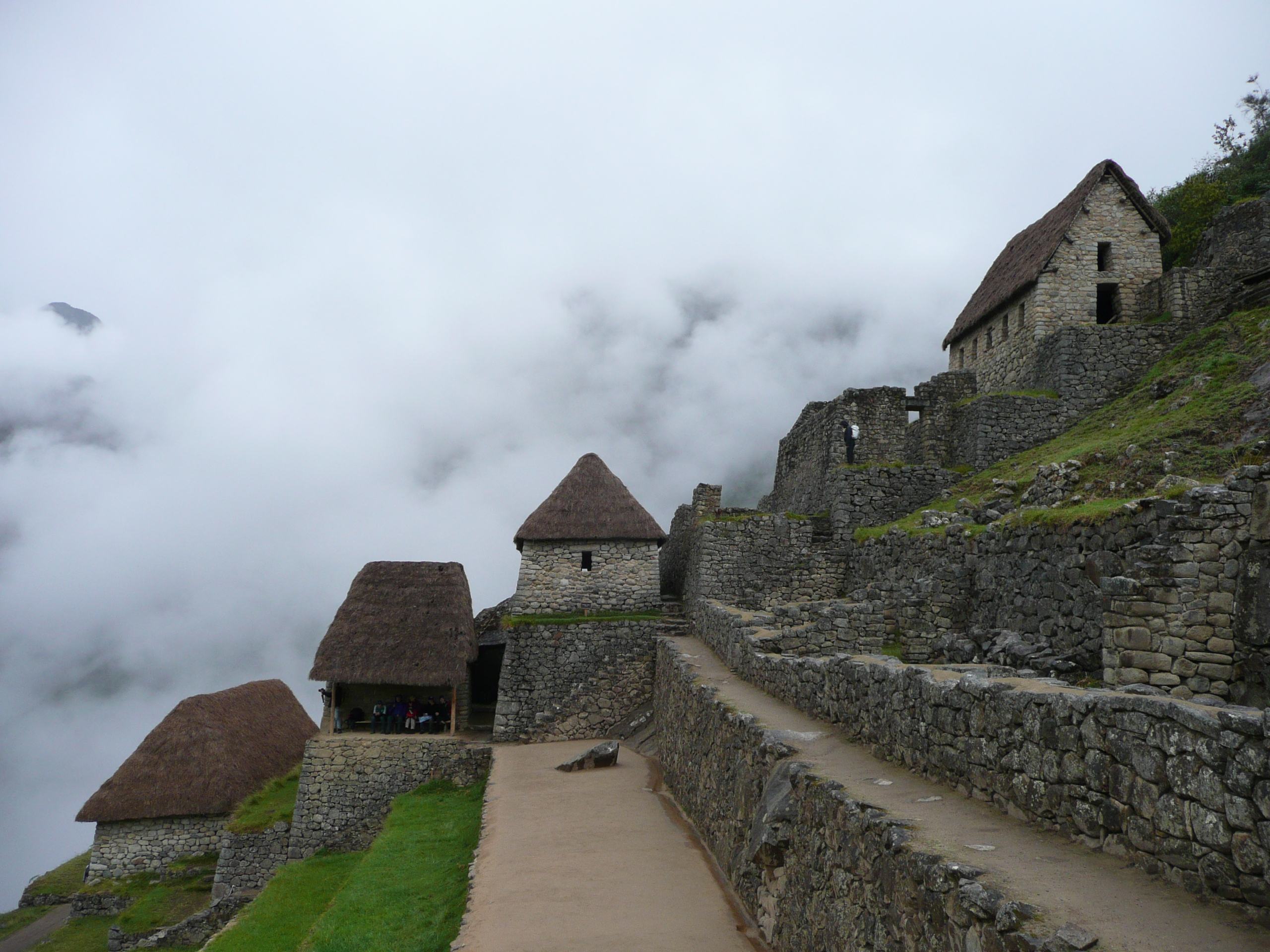
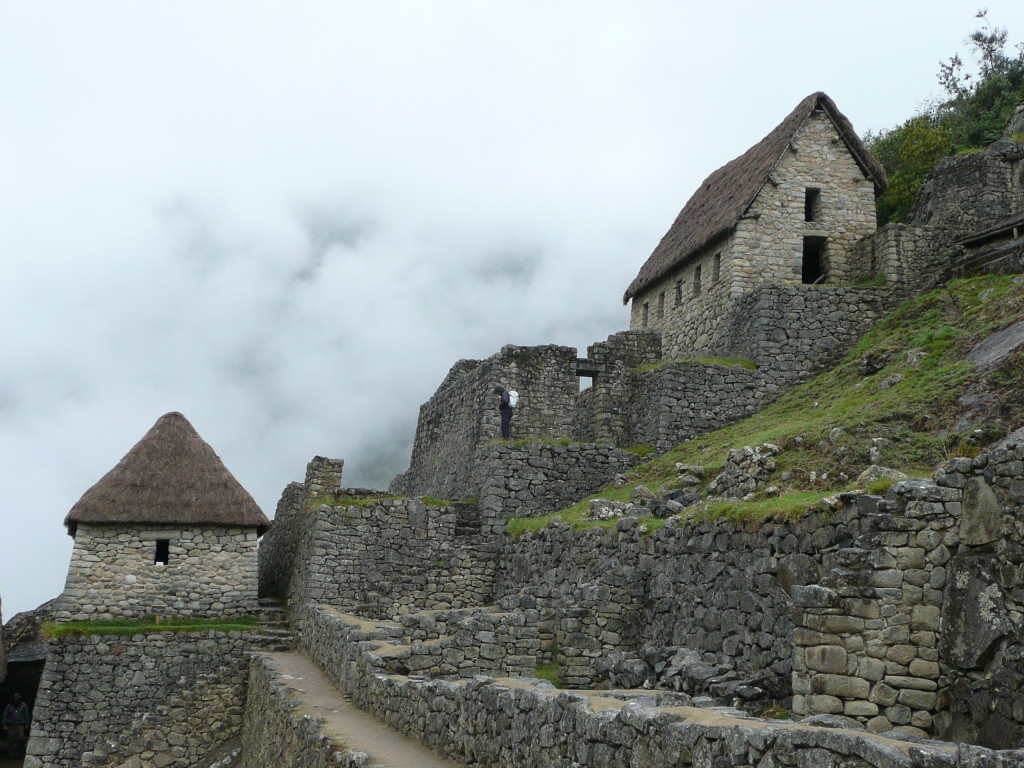
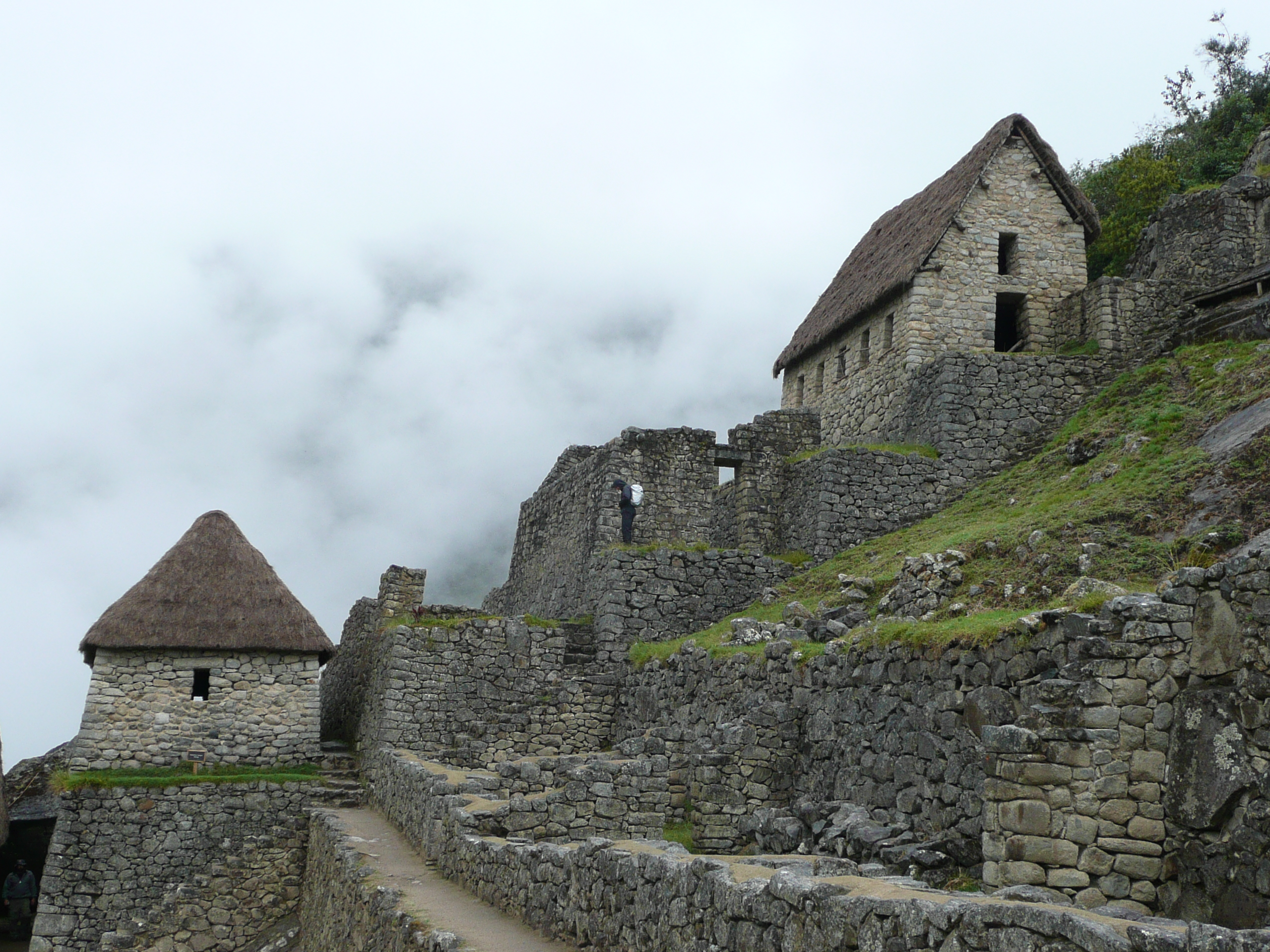
Store houses. It’s nice how the roofs have been thatched so you get a good idea of what the whole complex might have looked like in the past.
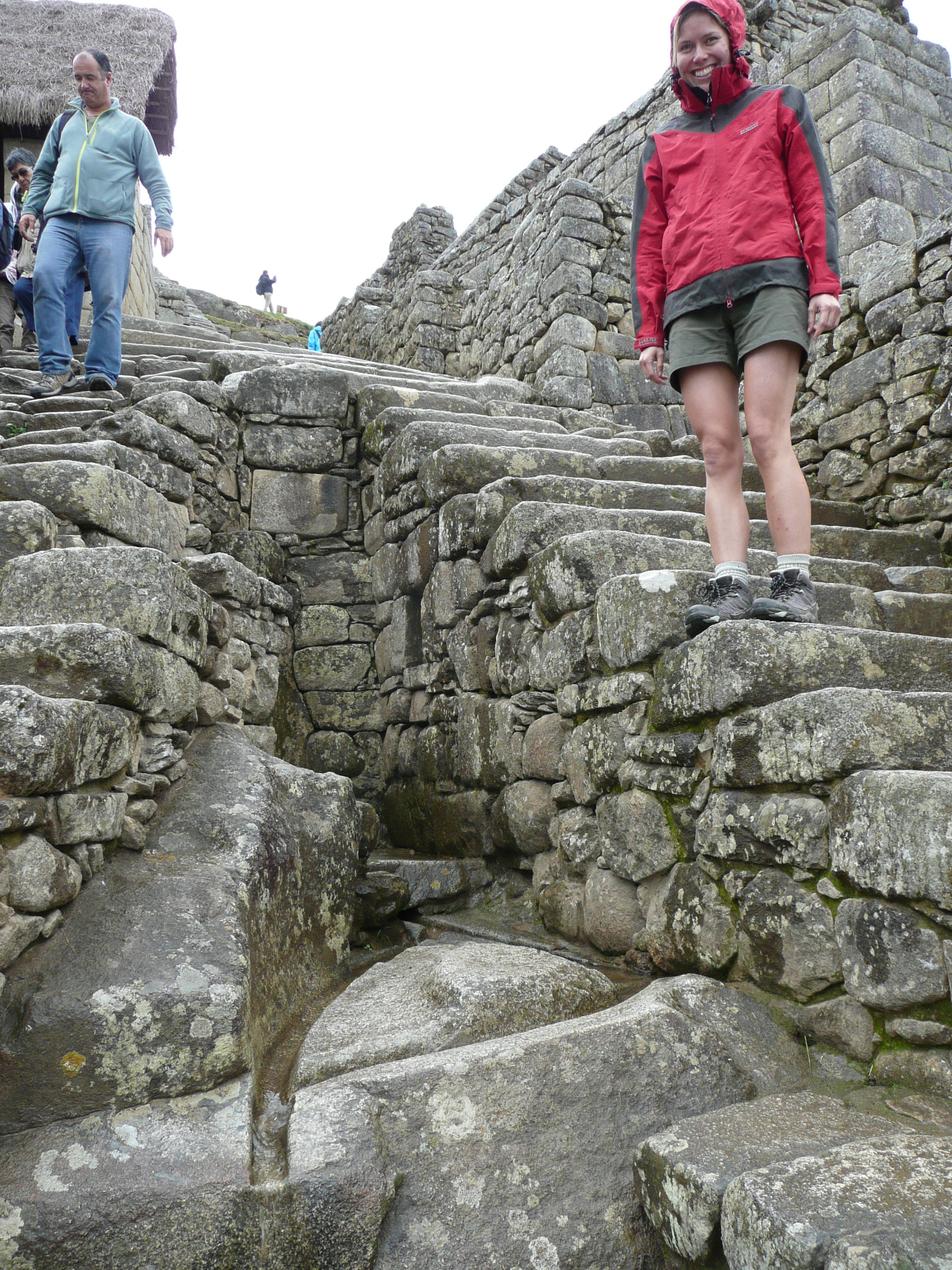
Finding out just how professional the Incans aqueduct technology really was!
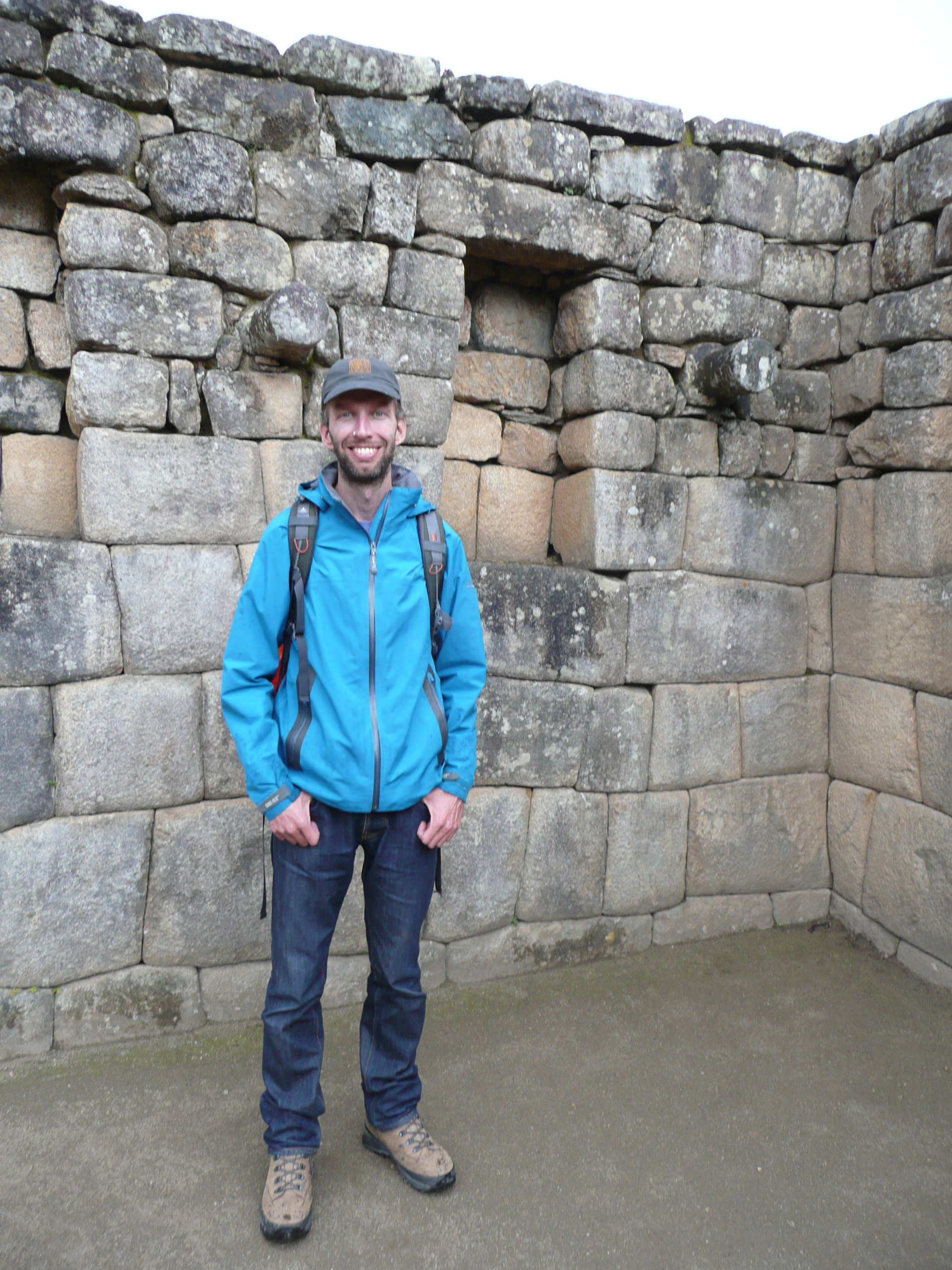
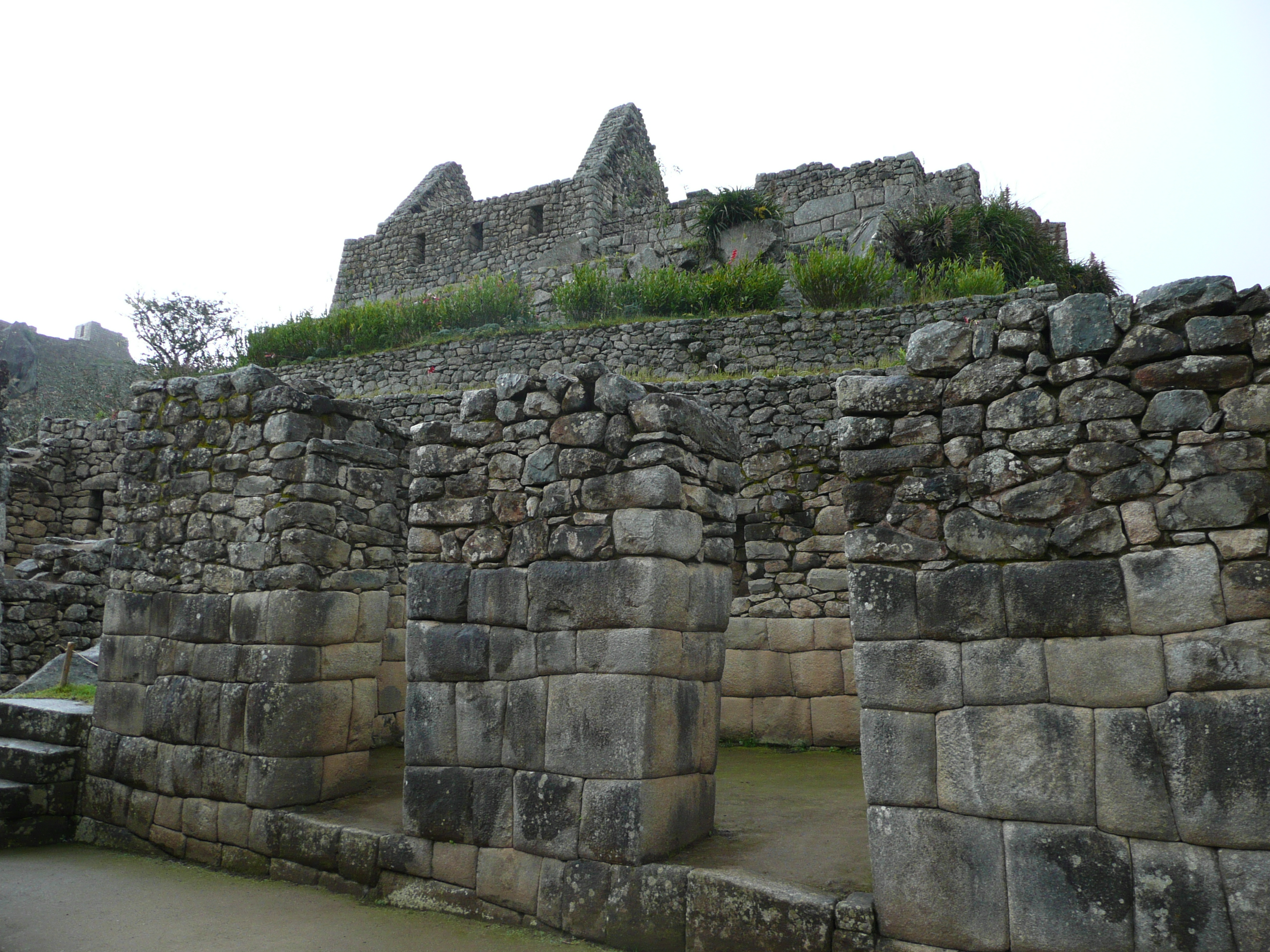
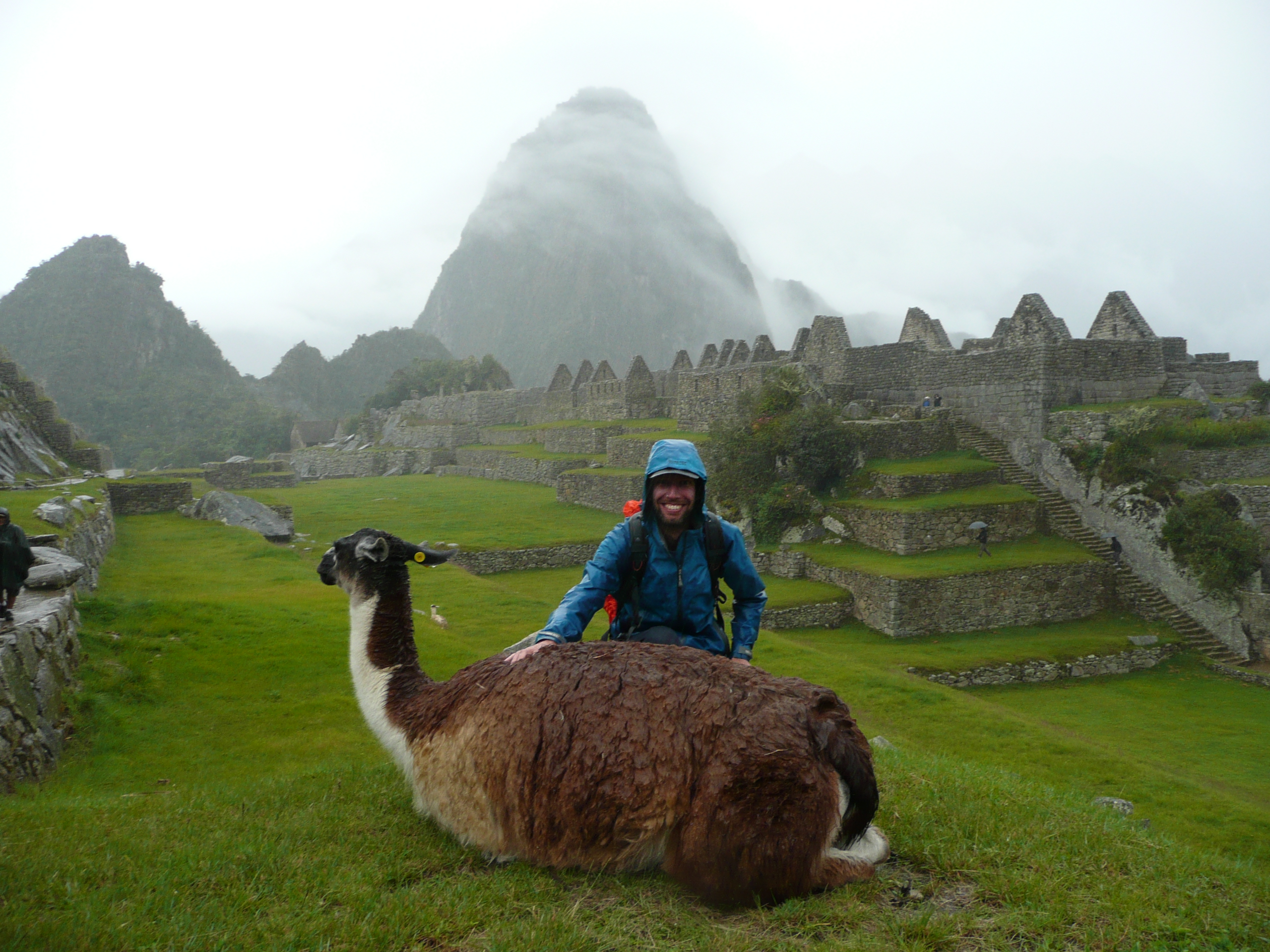
Poor wet llama!
The next day we hiked out of Aguas Calientes, back to Santa Teresa to pick up the car. At the start of the hike we ran into our railway dog, only he was limping. Looking him over we discovered he’d been injured, the pad of his foot was cut making walking difficult. The sad thing is that once he saw us he followed us halfway despite attempts to make him leave. There was a small café halfway along the railway tracks so we stopped there to give the dog a rest. The food was surprisingly good: banana pancakes with dulce de leche (caramel), sandwich with scrambled eggs and diced veges and a cheese sandwich for our dog. When we asked Mama Angela (the owner) if she would take him she said no, but that they do get fed because of the tourists who they follow. We fall into this category, although we were so enjoying this dog that we were trying to think of ways to ship him to The Netherlands or New Zealand! Eventually he traded us for a different set of tourists and we were back at the car in no time. There are some hot springs just outside of Santa Teresa which are extremely popular to visit. We showed up hoping to camp there but the staff were unfriendly and said that we would be camping at our own risk. We later found out that there was a massive landslide onto the campsite a few years ago. The hot springs were nice, clean and pretty. We made our way back to the tour-campsite, set up the tent just as the rain started pouring down and waited away the afternoon and night before hitting the road again, this time a two-day journey to Nazca.
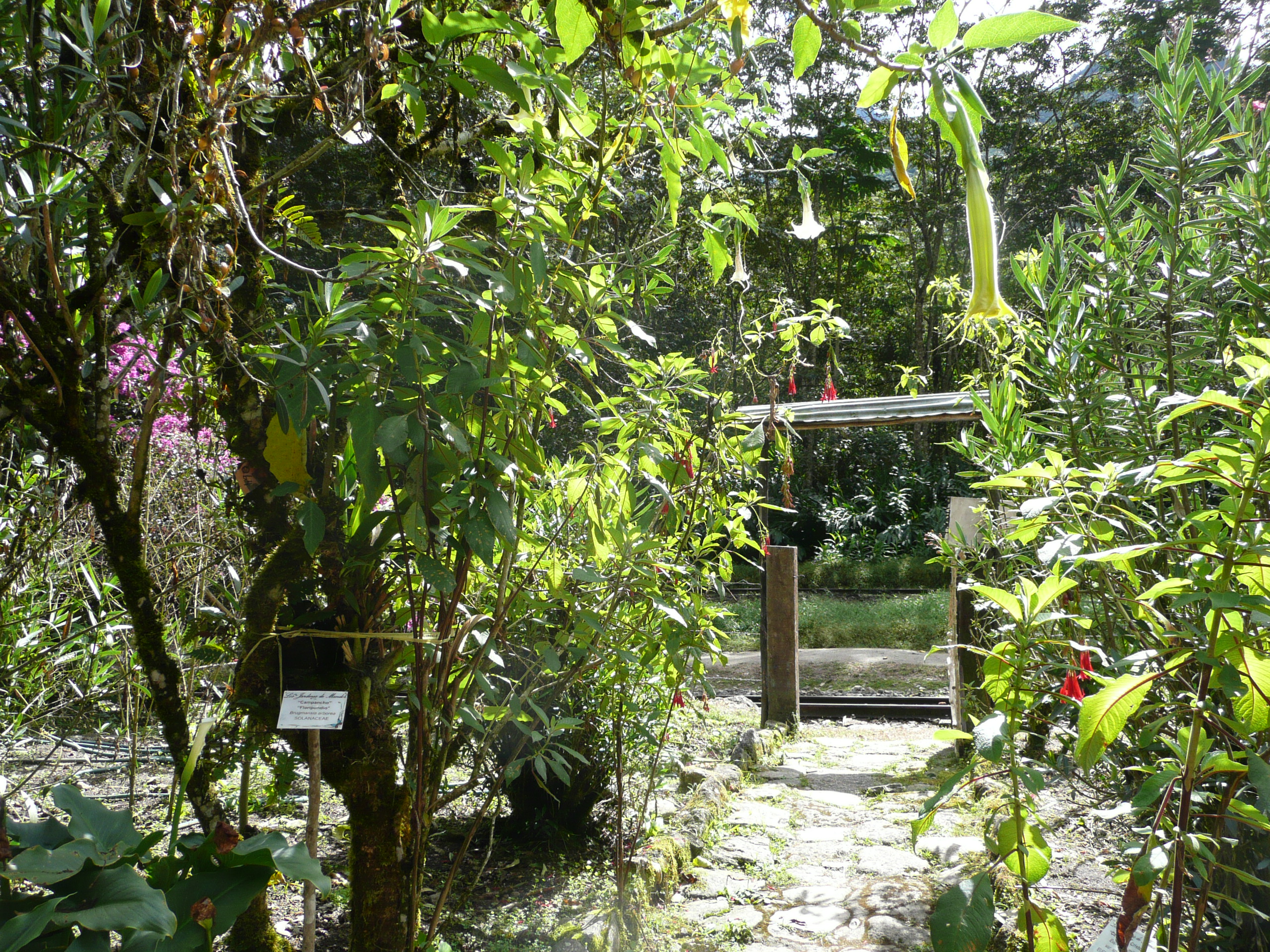
Mama Angela’s cafe by the railroad halfway between Santa Teresa and Aguas Calientes.
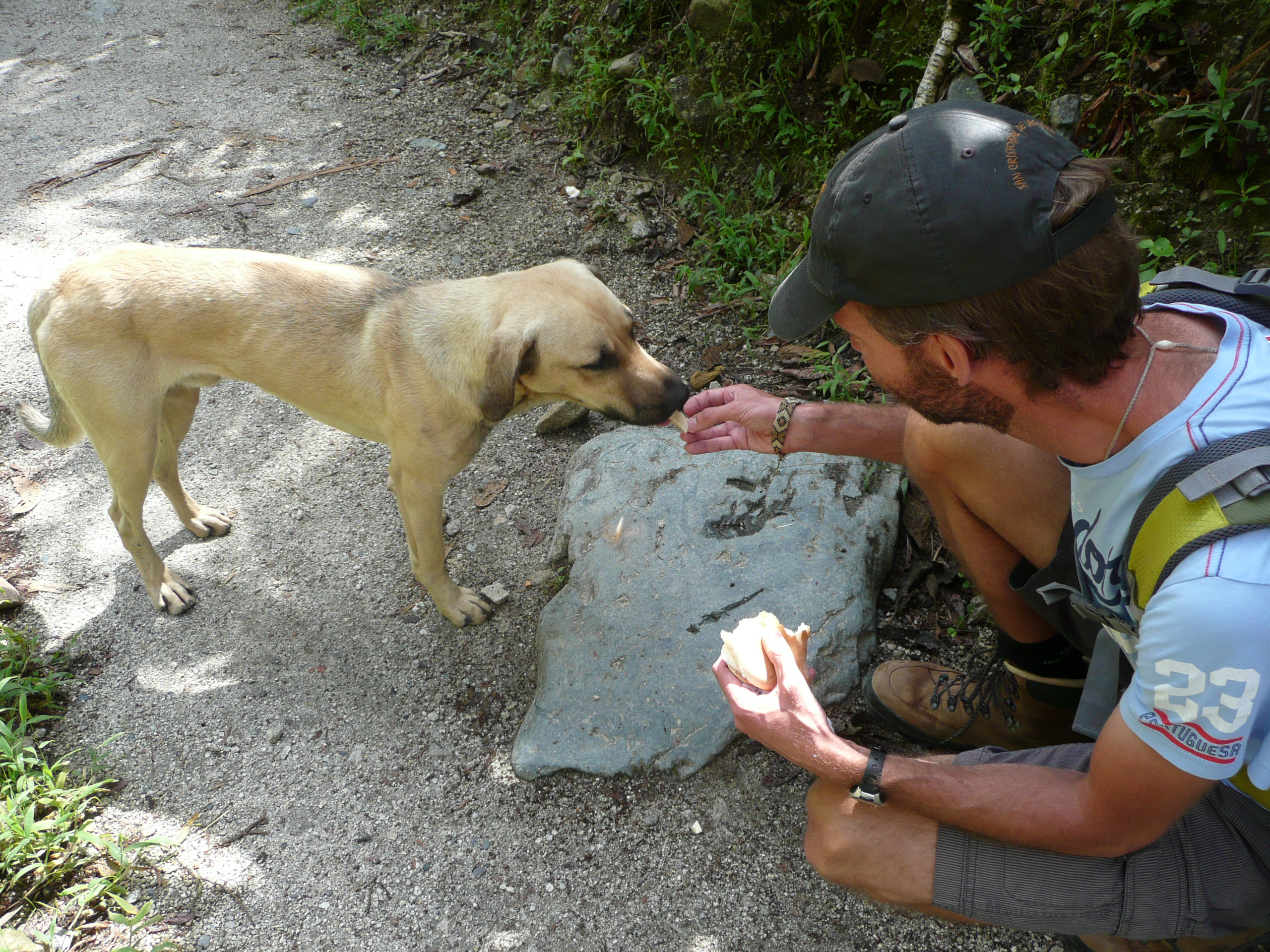
Feeding the dog his cheese sandwich.
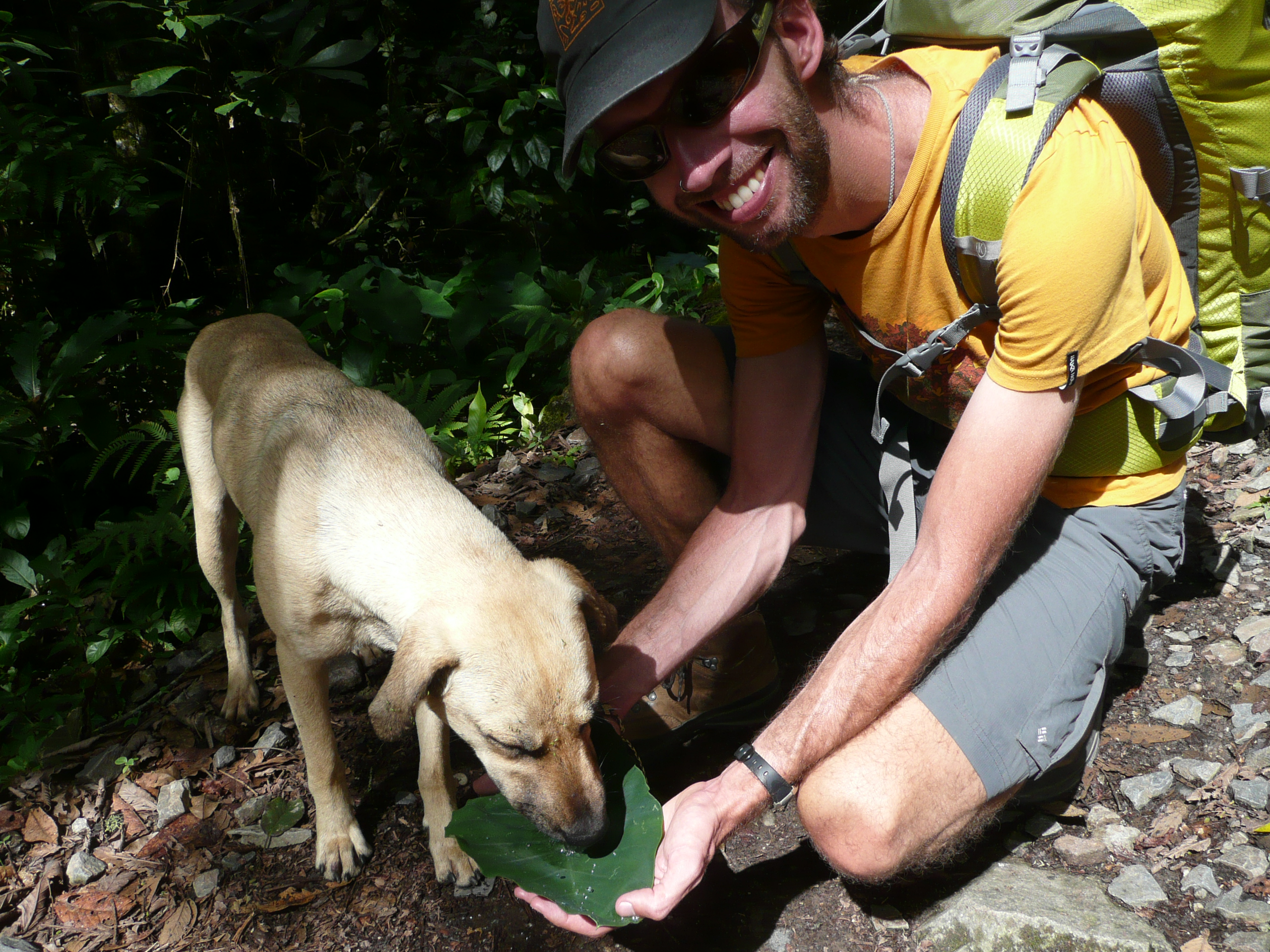
Watering the dog. Must keep hydrated in the heat!
What can I say about my Machu Picchu experience? It was an amazing place to visit. Yes there are a lot of tourists, but the city is big enough that you can catch plenty of quiet moments to yourself. We found visiting Machu Picchu a lot more manageable compared to hiking in Torres del Paine National Park in southern Chile. Hiking there was like walking up the main street of a busy city at lunchtime. Busy! It’s the sort of place you only visit once as it takes time and effort to organise. It also can be quite costly, even when doing it on the cheap. You can visit it without paying for a tour or taking the expensive train, for which we highly recommend the walk from Santa Teresa’s hydroelectric station to Aguas Calientes. It’s a great alternative if you want to do it yourself. Would I visit again? Probably not. But, I’m glad to have seen it and experienced the mystery and magnificence of it.
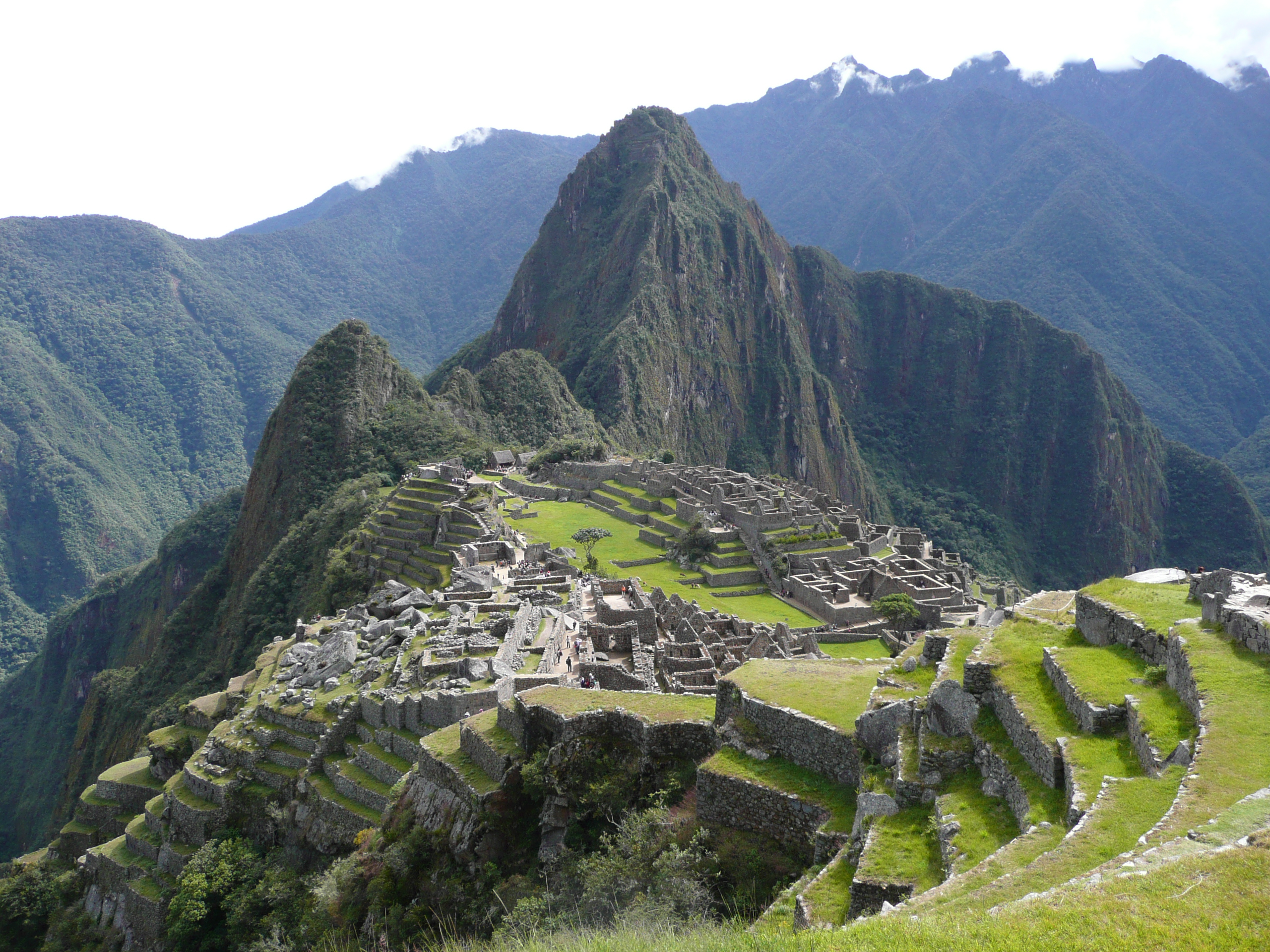
Straddled between two mountains, the city is mystical…
Some facts about Machu Picchu:
- It was built around 1450AD.
- It was abandoned in 1572 after the Spanish arrived and conquered the Incan Empire.
- The site’s purpose and use is still under debate, but theories include that it was the estate of the great Incan emperor Pachacuti. Another theory is that it was a sacred religious site, which can be seen by its location and the type of buildings it had. Another theory is that it was a prison (although I don’t believe this, the site is too magical). Or another theory is that it was used as an agricultural laboratory to test different crops on the different terrace levels.
- Machu Picchu was never found by the Spanish, and remained a mystery to the world until 1911 when Hiram Bingham was shown the site by local Quechua boy. Unlike other Incan sites Machu Picchu never had the chance to be plundered by the Spanish so it was kept in pristine condition.
- It has been a UNESCO World Heritage site since 1983.
- It is the number one tourist attraction in Peru and one of the most visited attractions in South America.
- Machu Picchu sits in the middle between two mountains, Machu Picchu and Huayna Picchu. Hauyna Picchu is the mountain you always see in the background of the classic Machu Picchu photos interestingly enough.
- Its water supply comes from springs that cannot be blocked easily.
- The hillsides leading to the city are steeply terraced not only for farming but to deter invaders. Terracing also reduced soil erosion and protected against landslides, something very common in the area.
- To get to Machu Picchu required a hike over high-altitude trails. Entrance was via the sun gate or the Incan Bridge. Both easily blocked access if invaders tried to get into the city, making Machu Picchu a strategic place to easily defend against invaders.
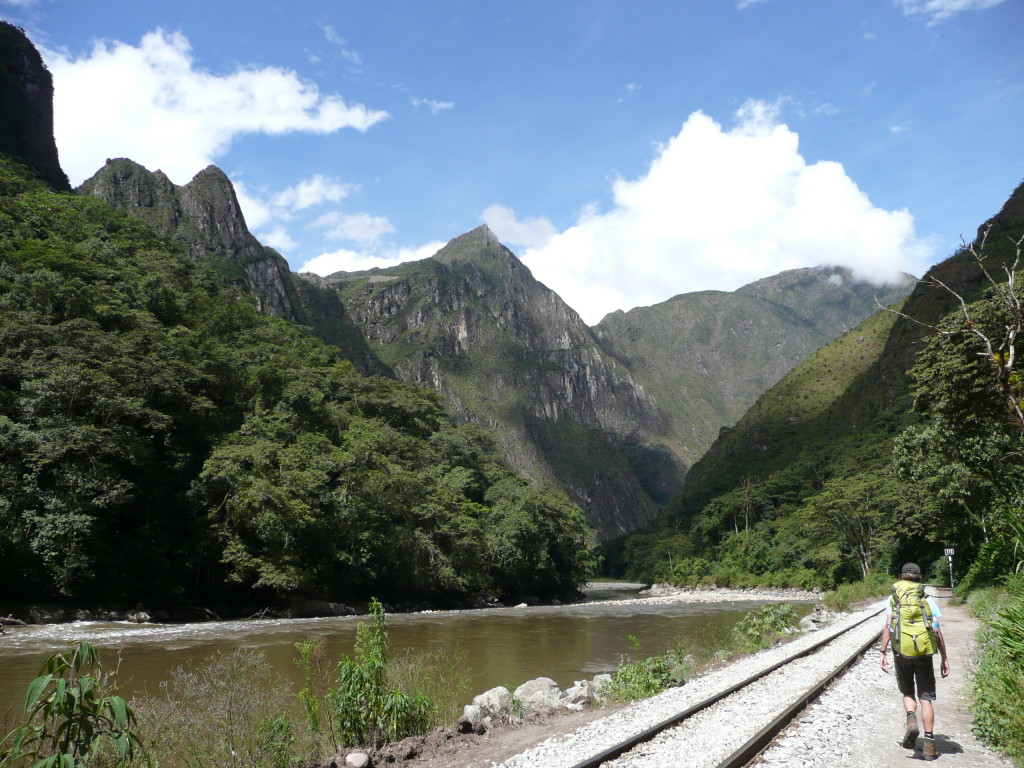
Trail to Aguas Calientes from Santa Teresa, what a pleasure to walk!
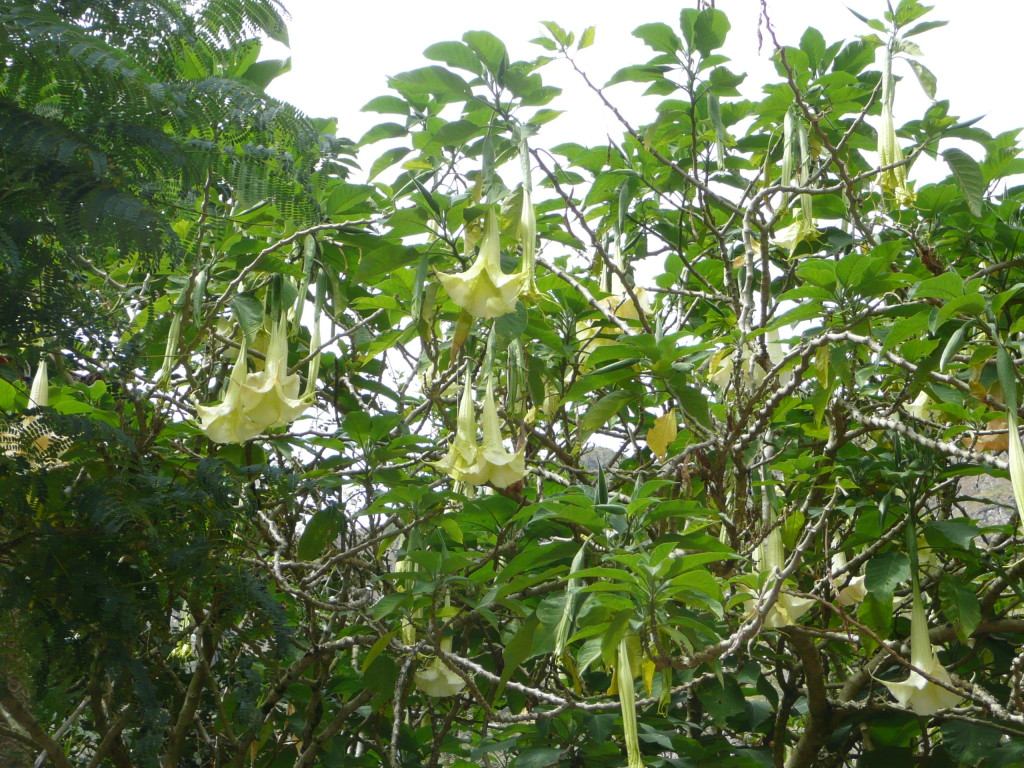
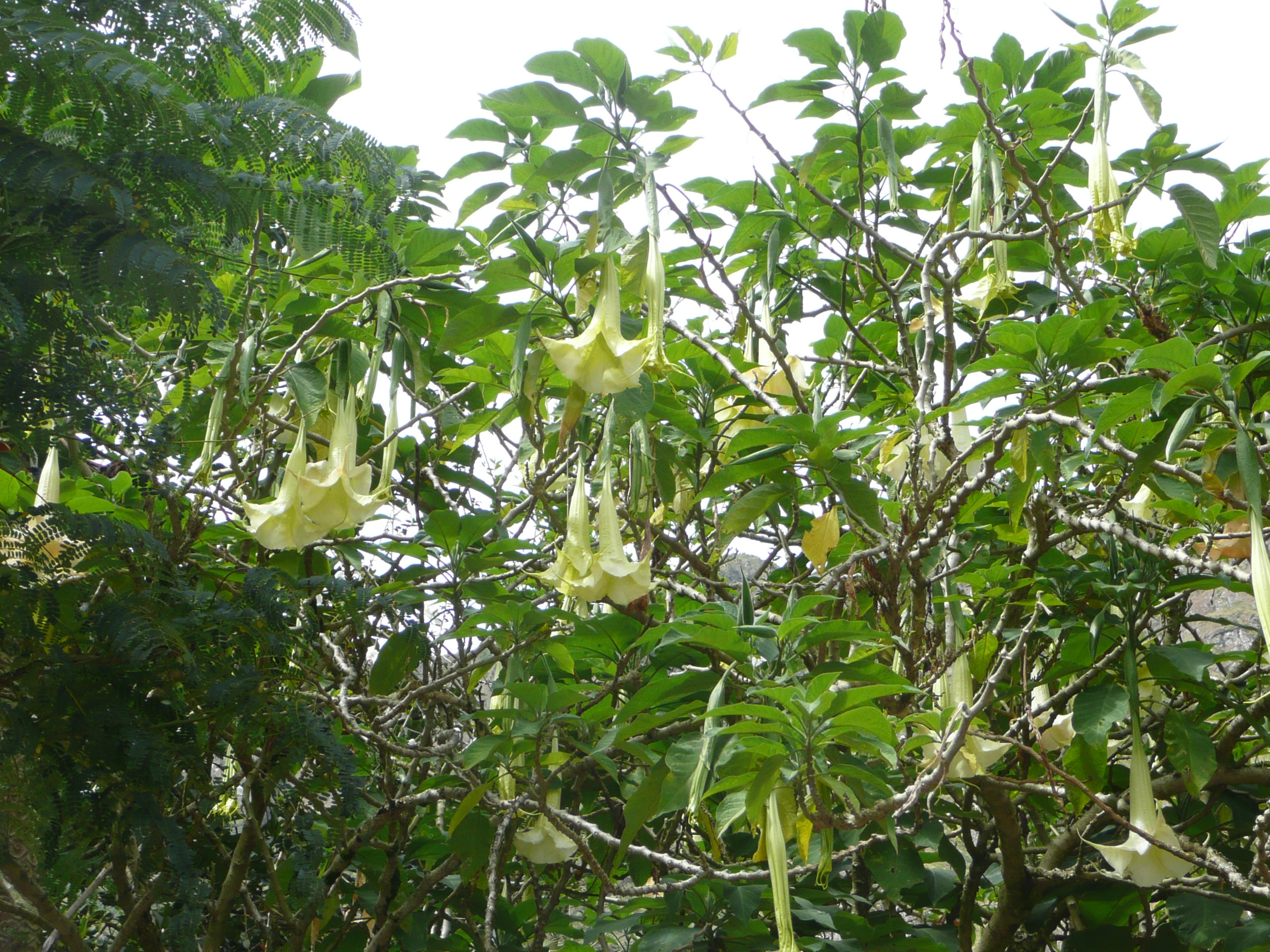
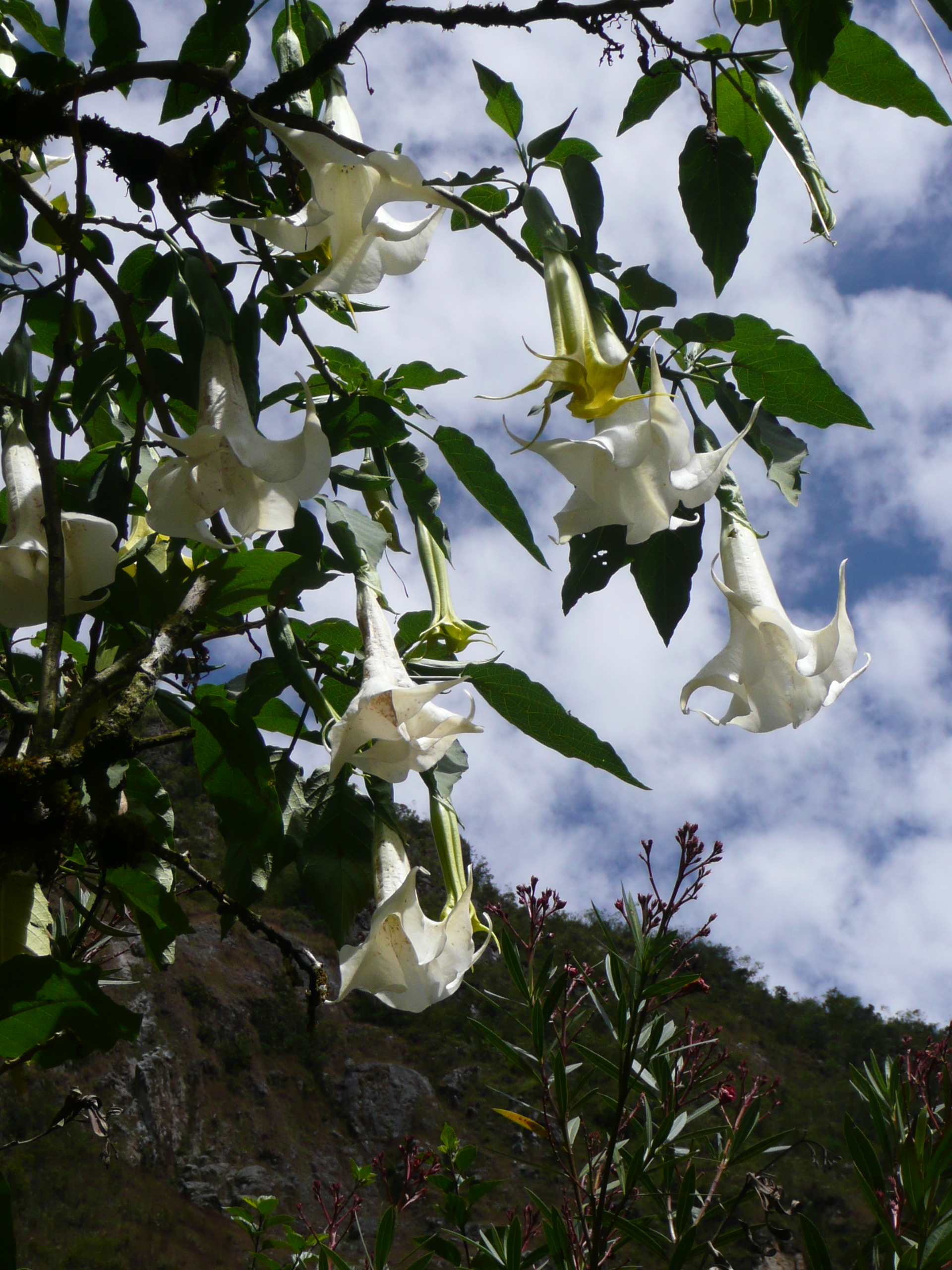
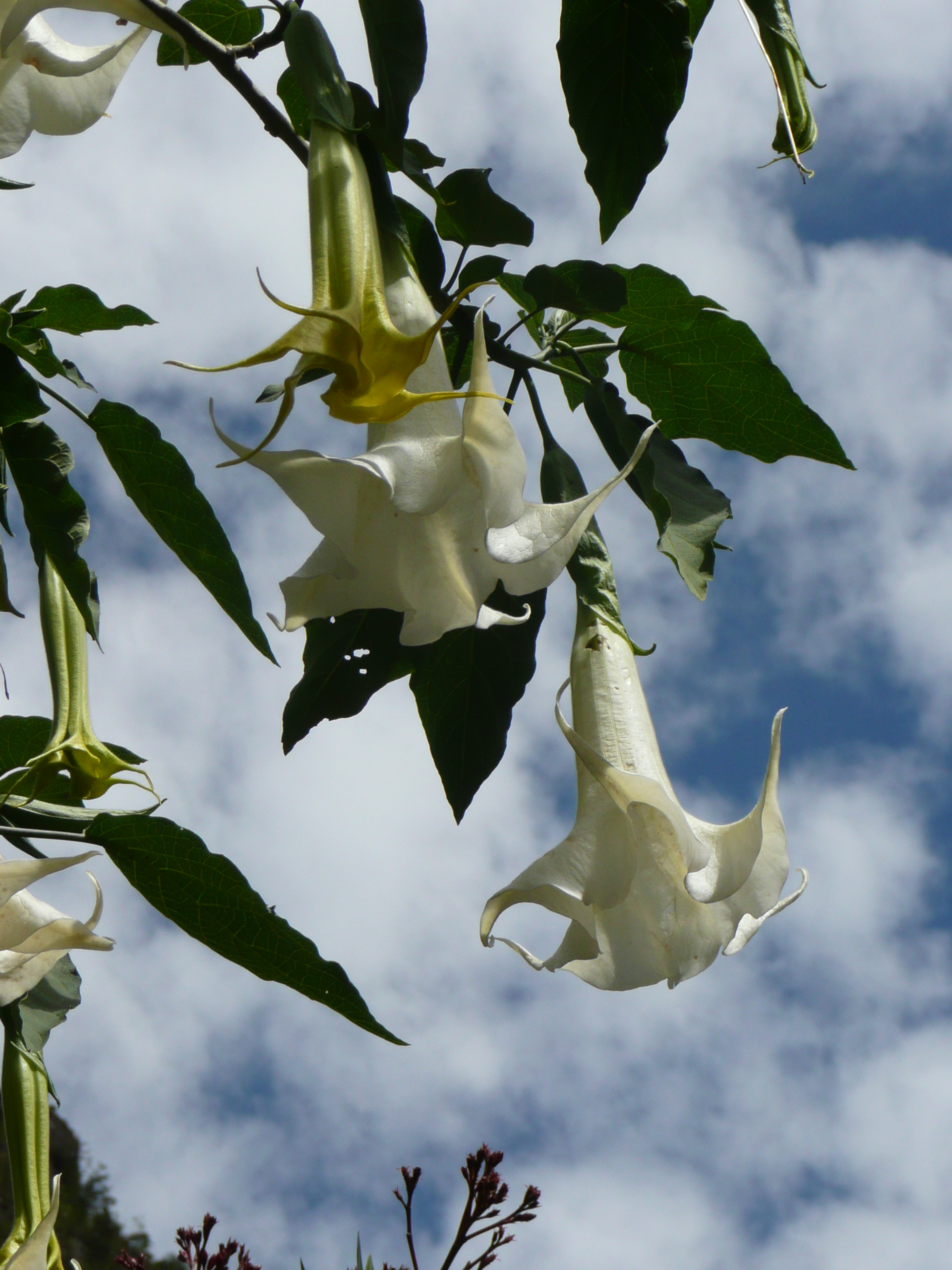
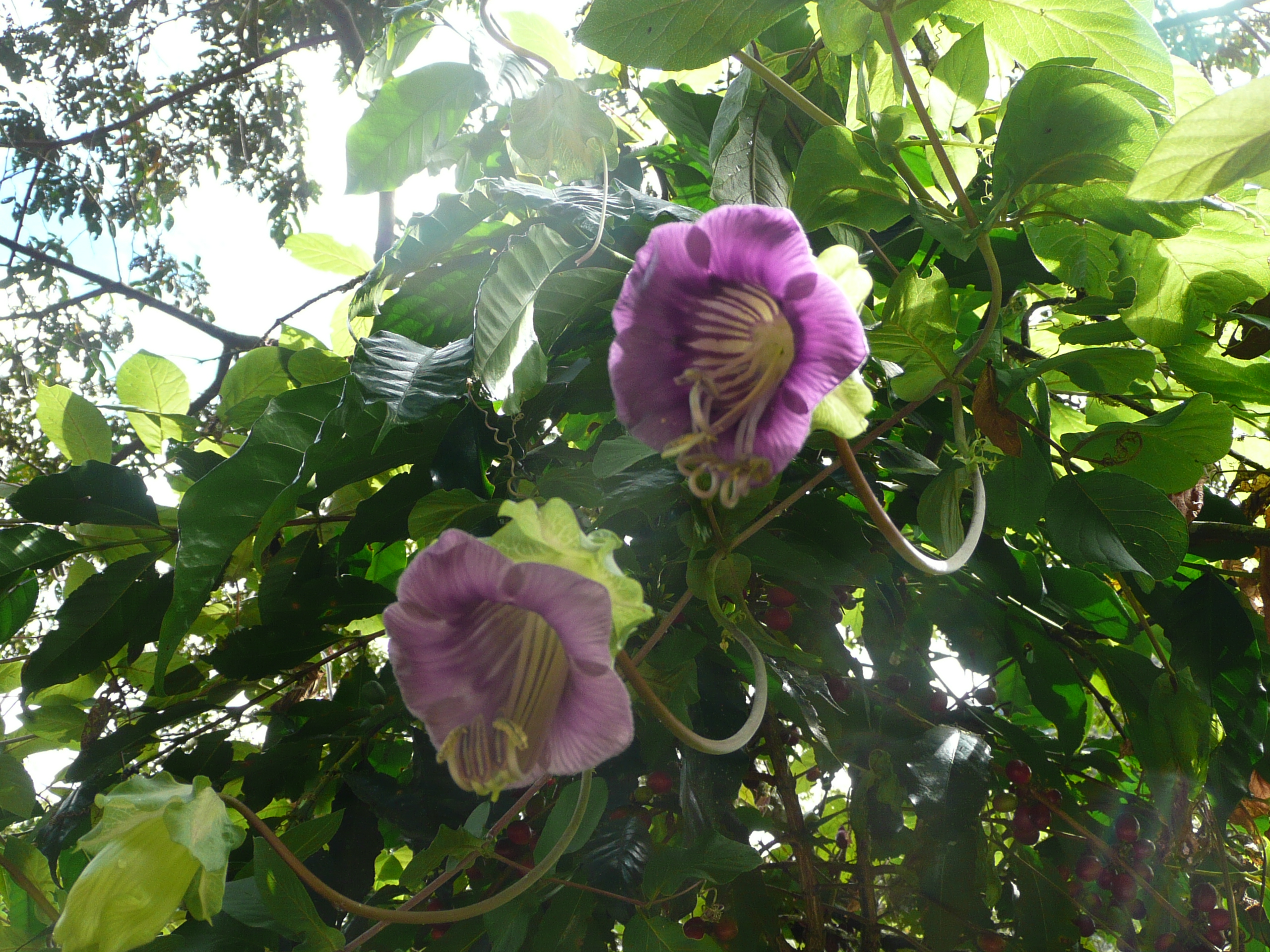
Beautiful tree with big hanging flowers.
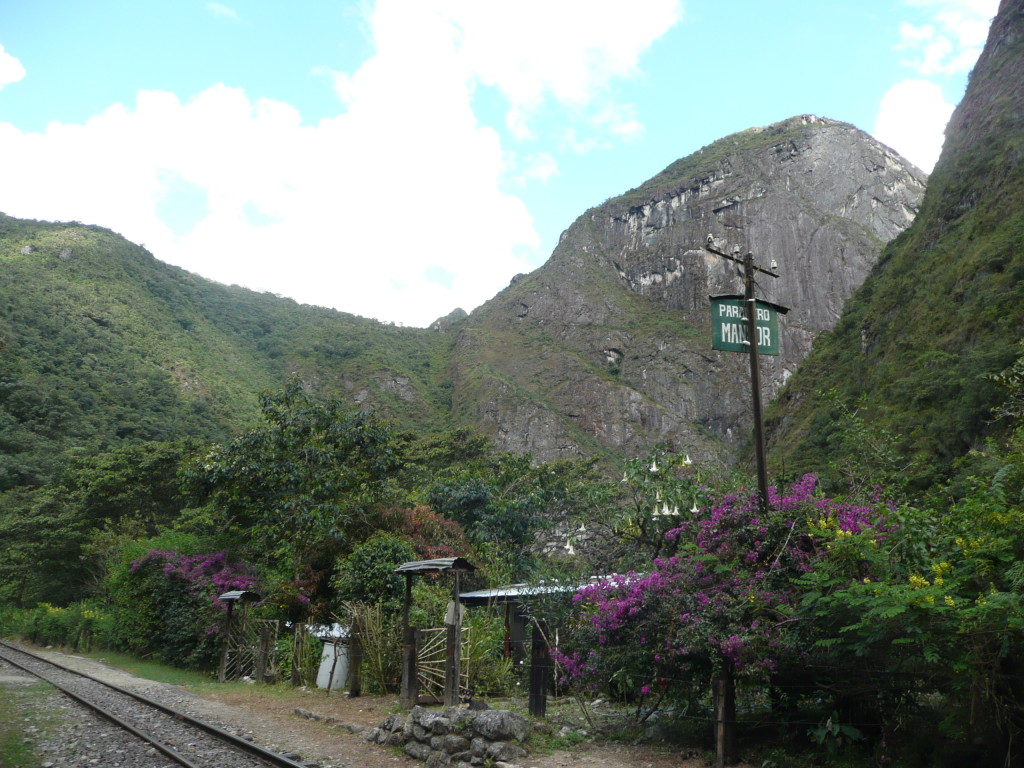
Mama Angela’s railroad side cafe.
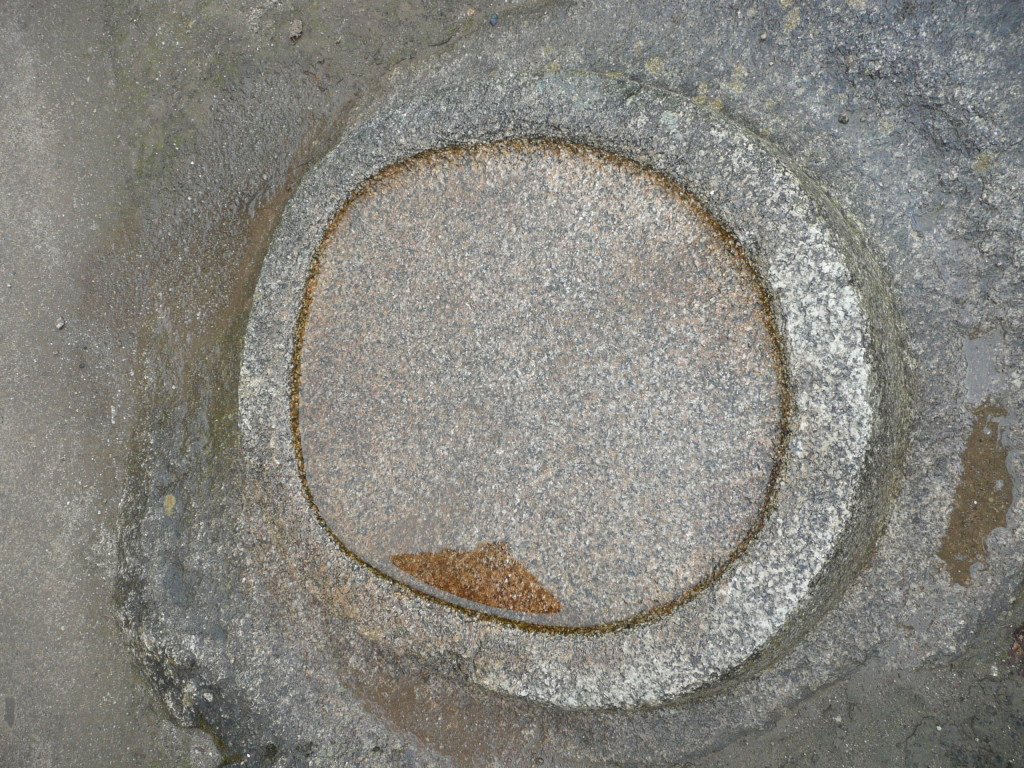
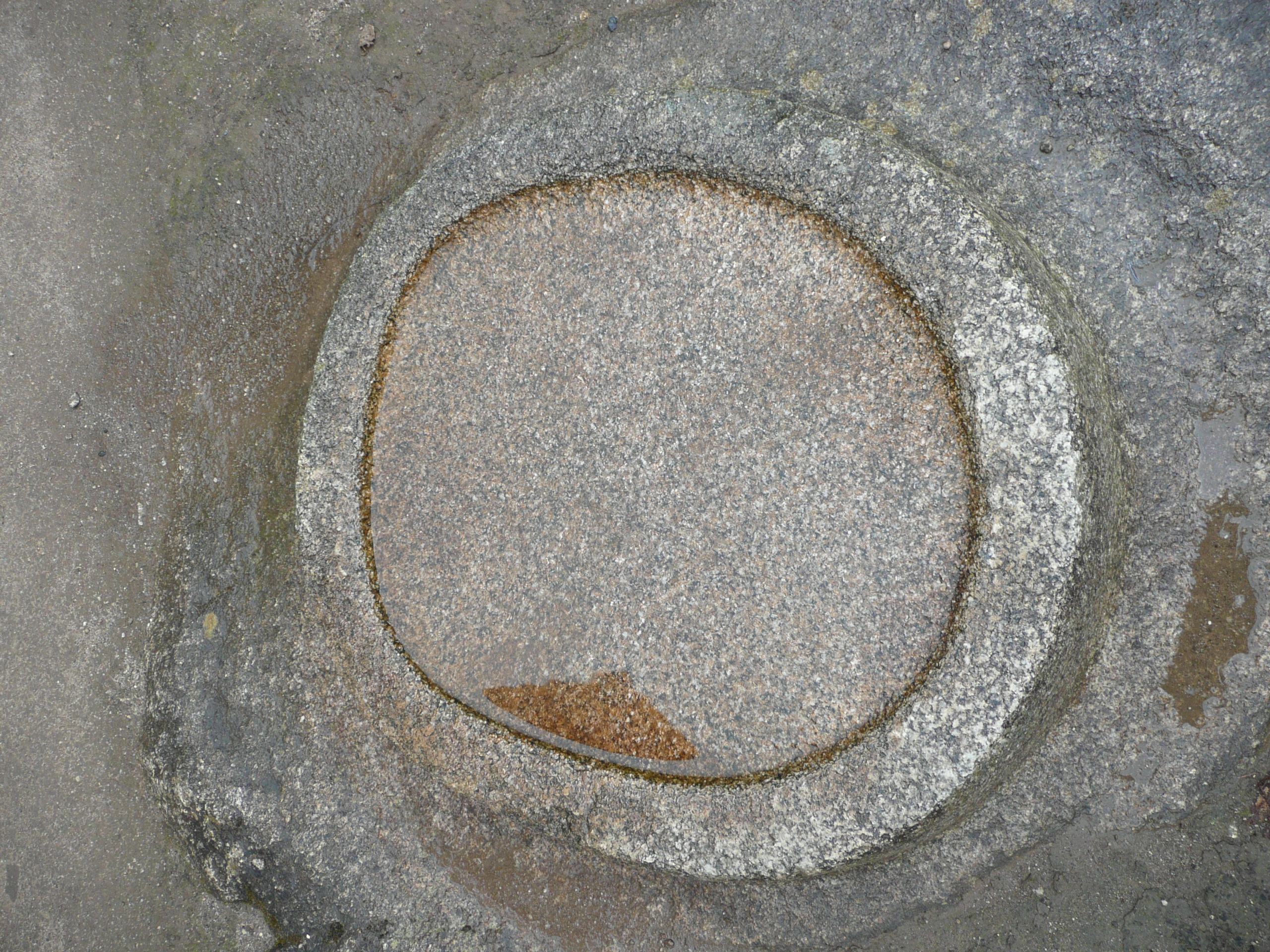
Incan mirror? That’s what we heard a guide telling her tour group…. trying to look at our reflections we were slightly sceptical.
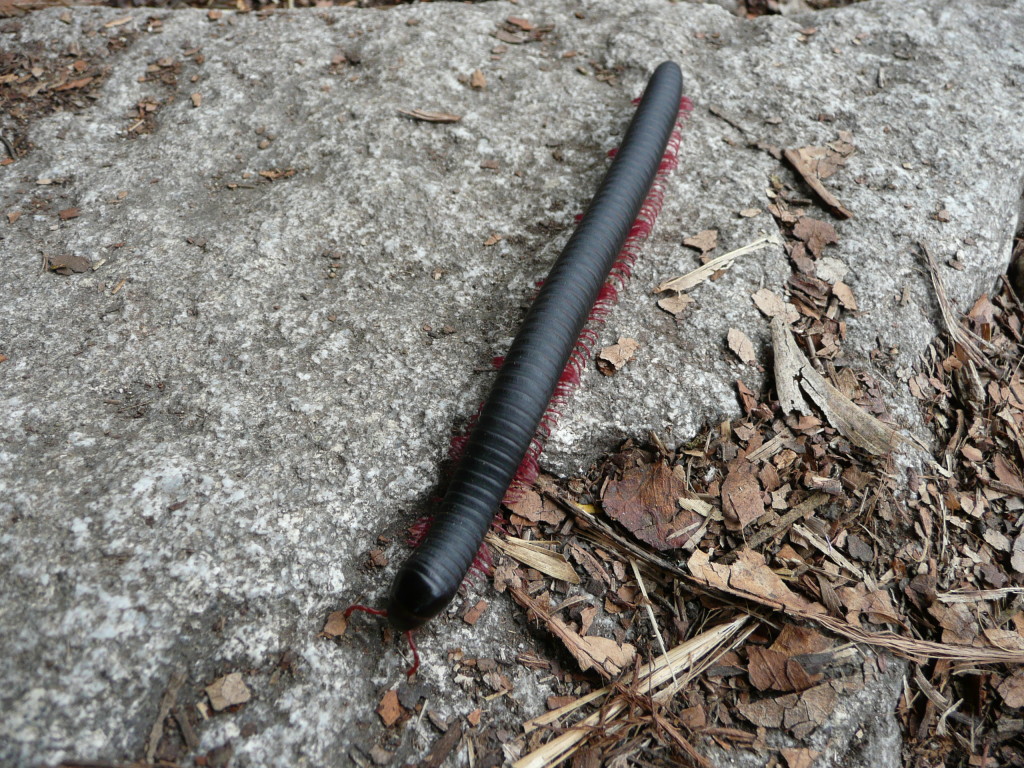
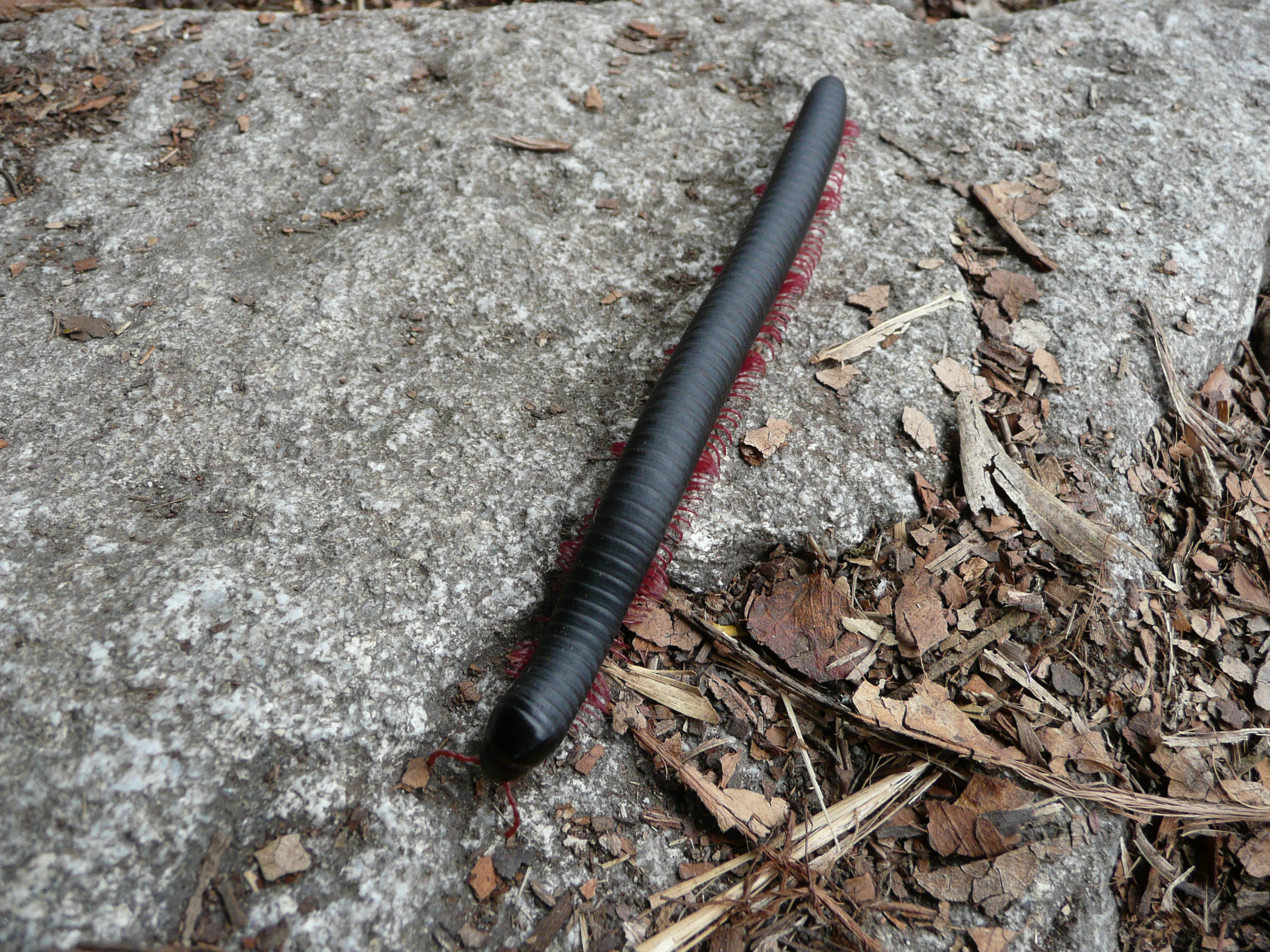
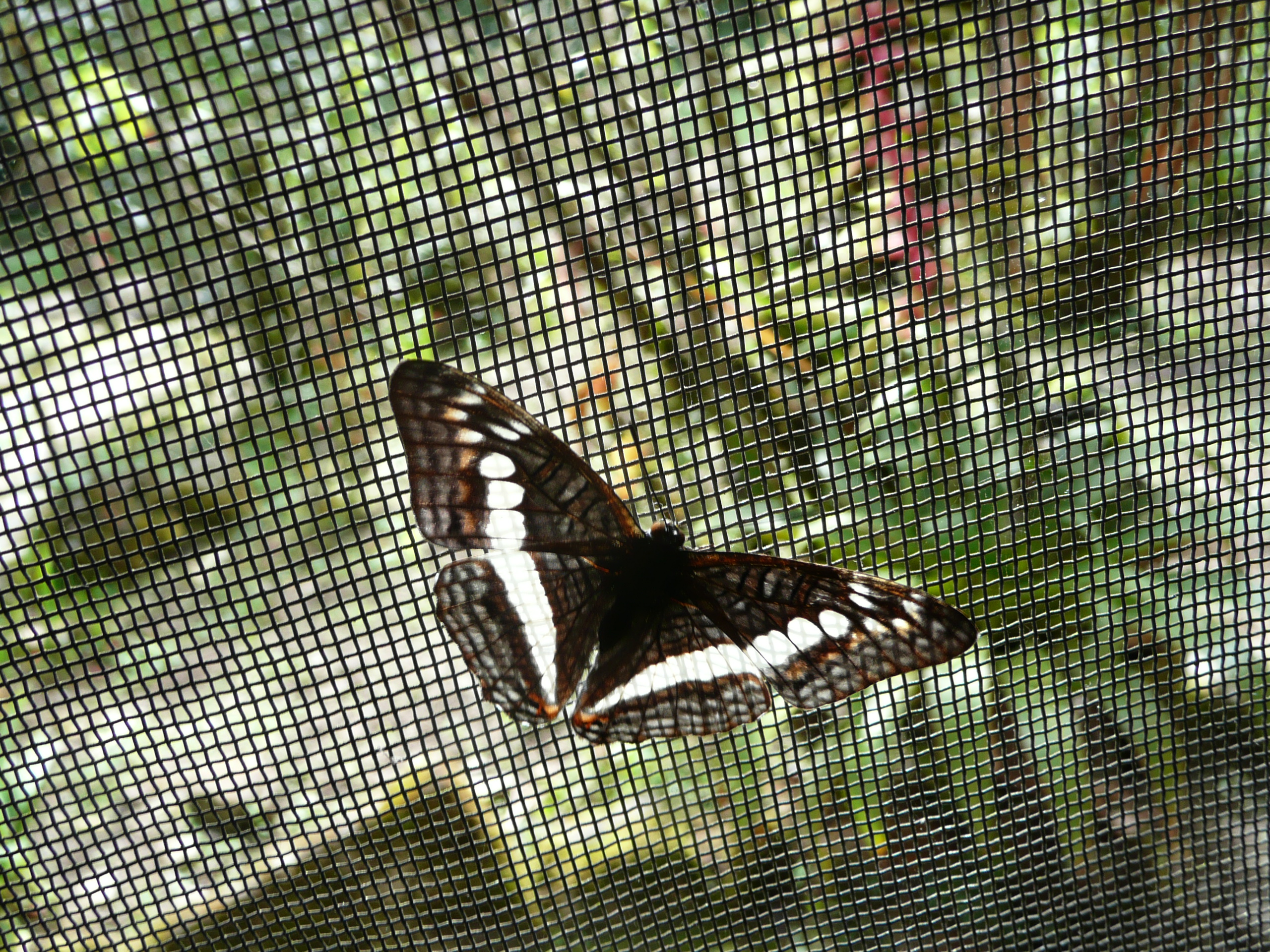
Millipede
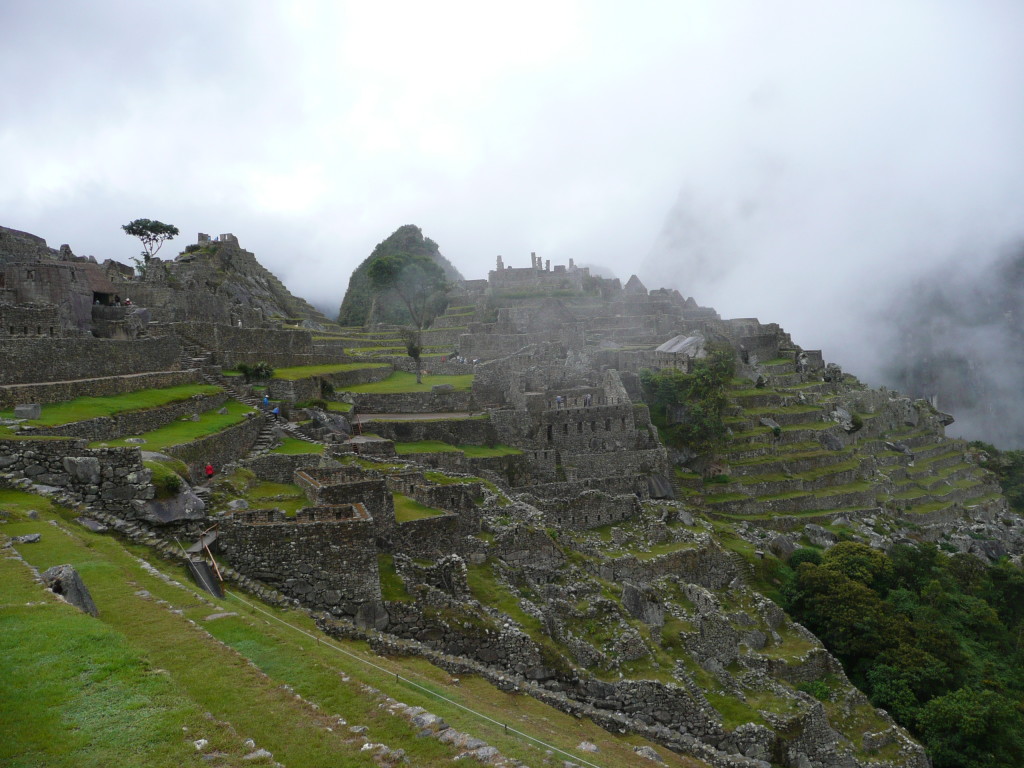
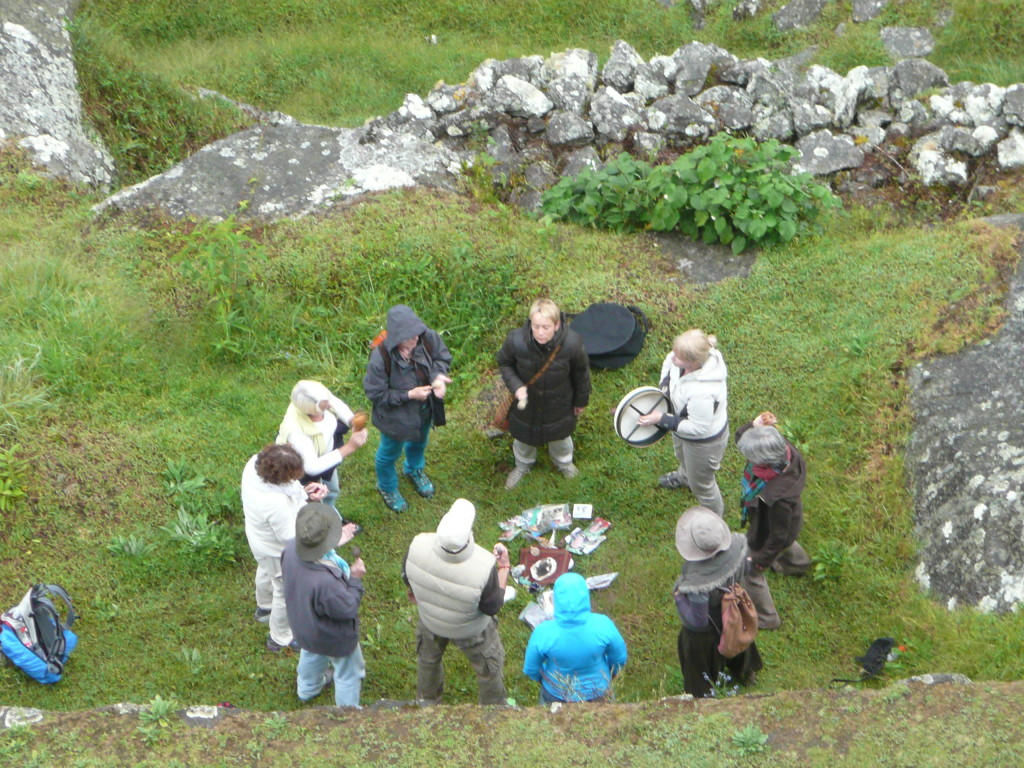
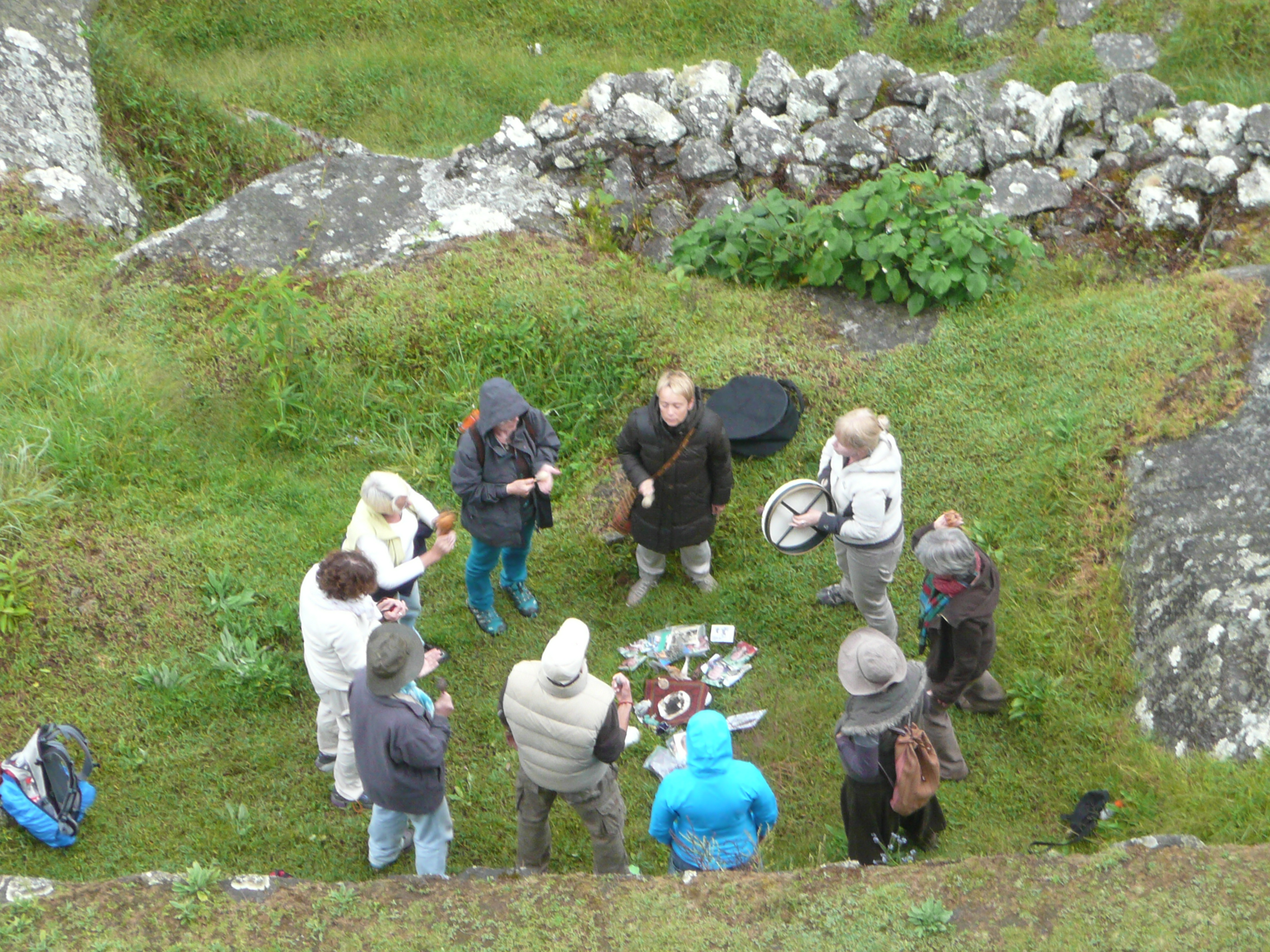
We kept on coming across groups of people meditating and performing rituals at the different Incan sites we visited. Here the group were singing and dancing, we were wondering where the sacrifice was?
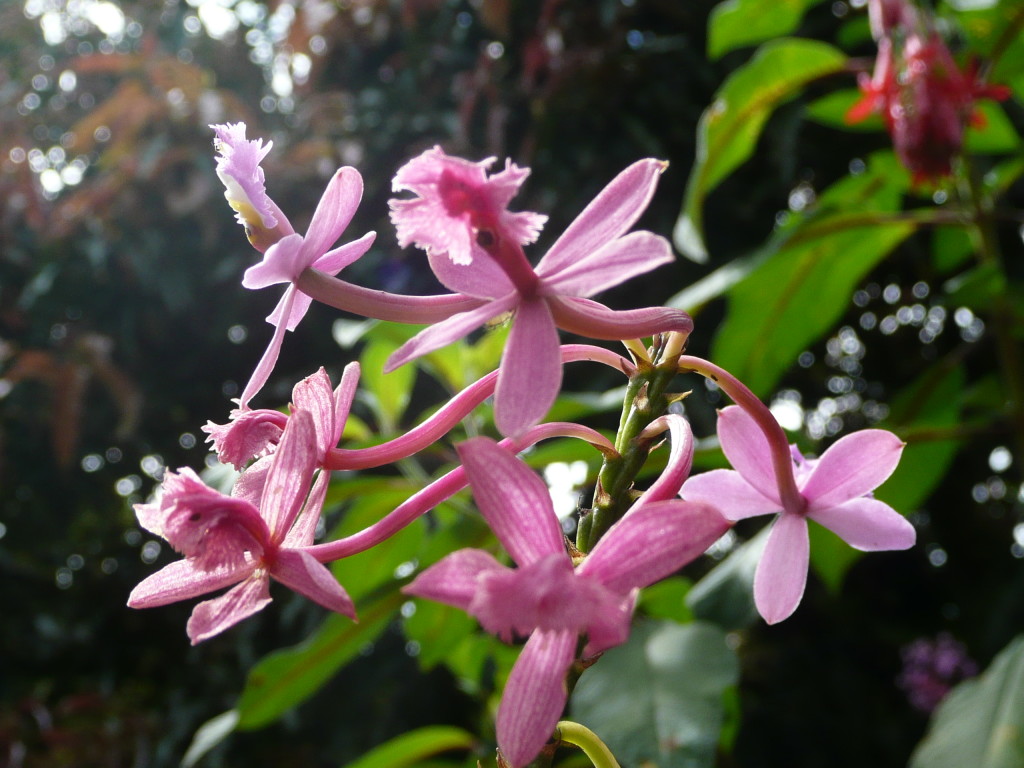
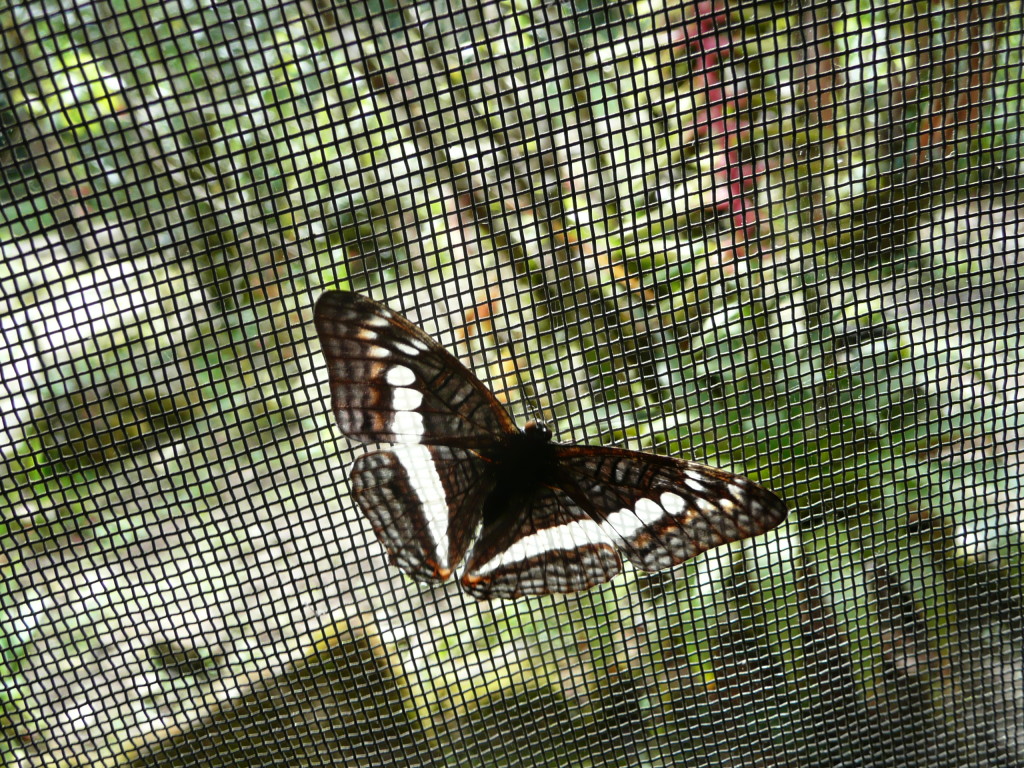
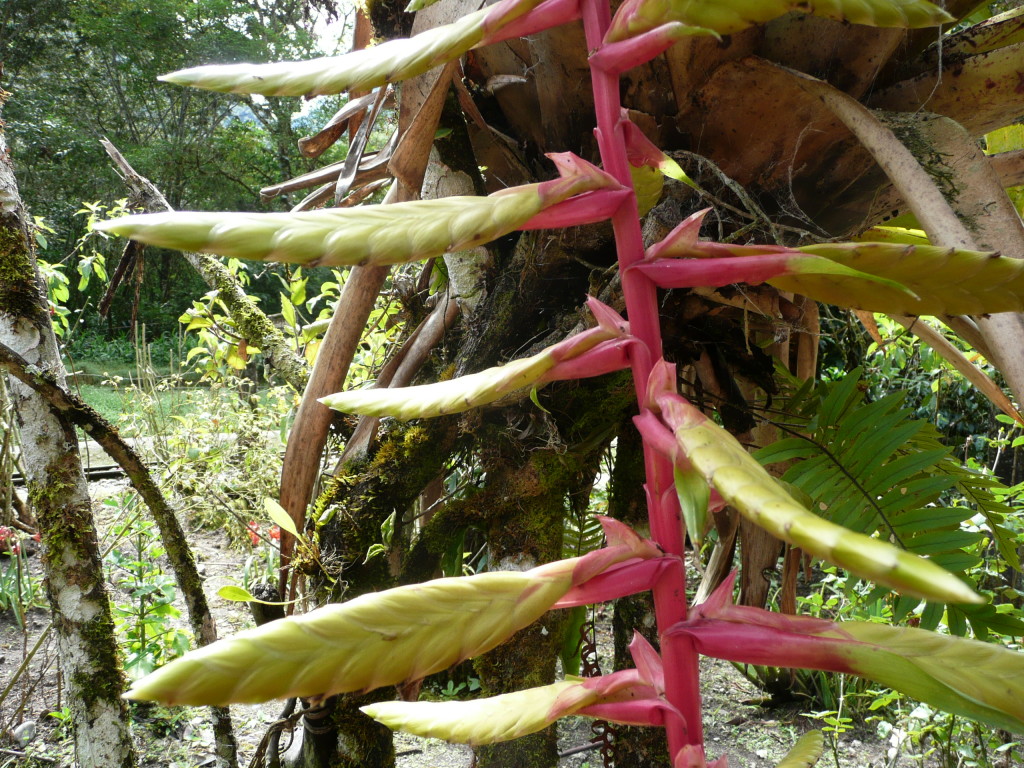
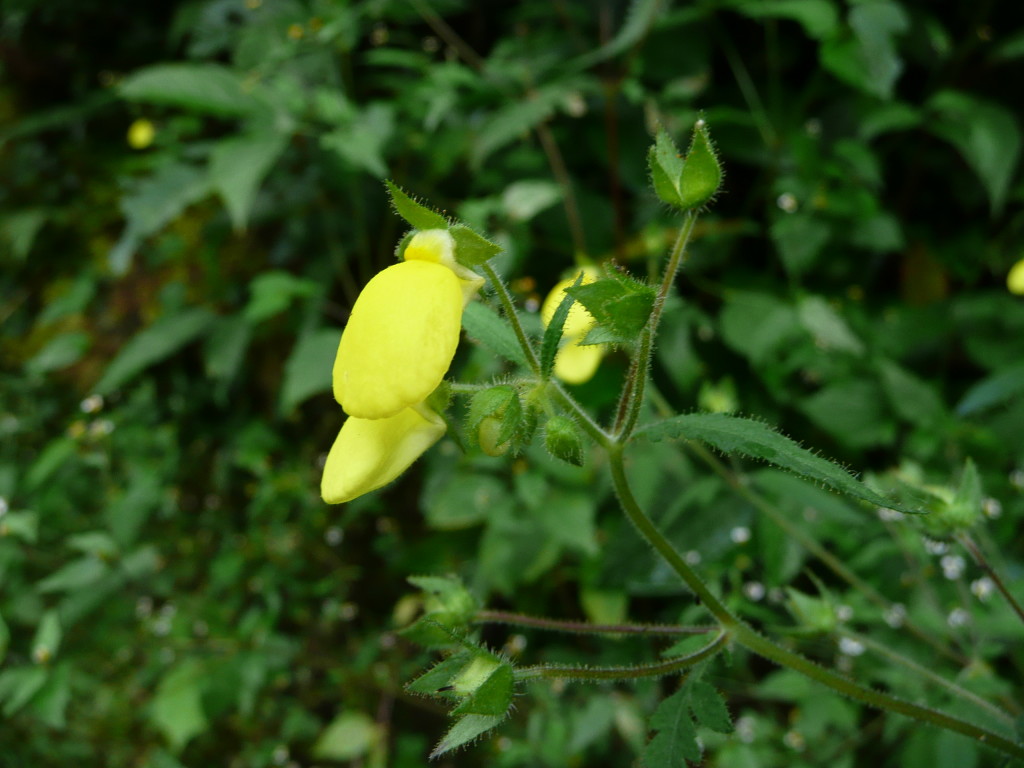
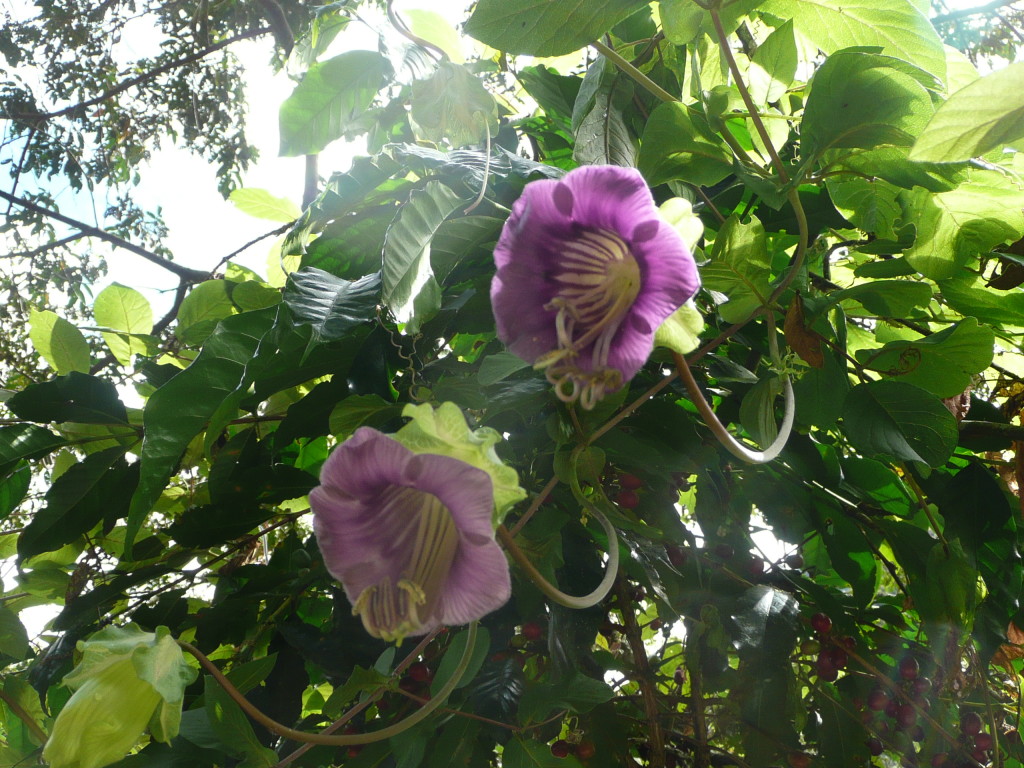
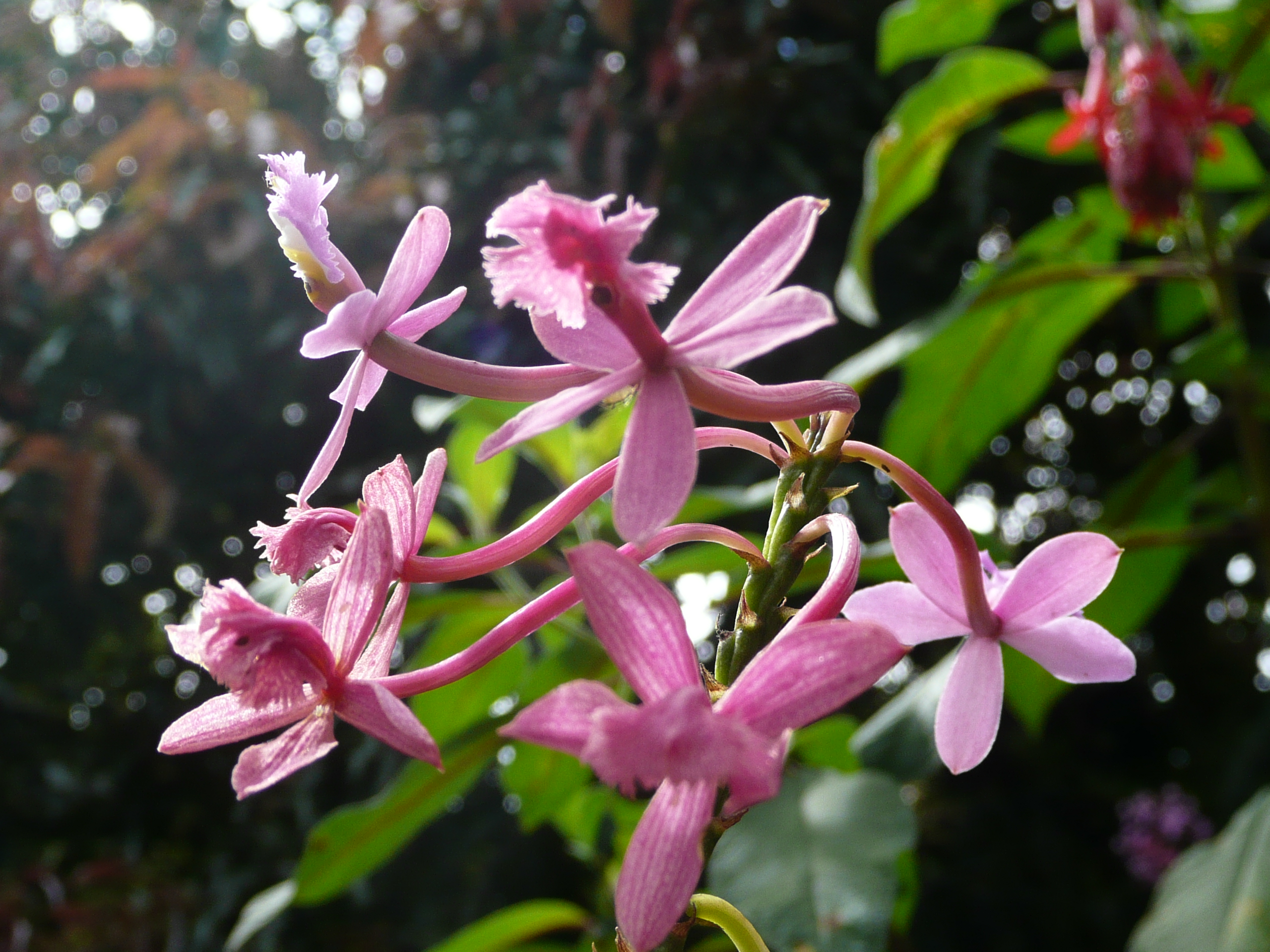
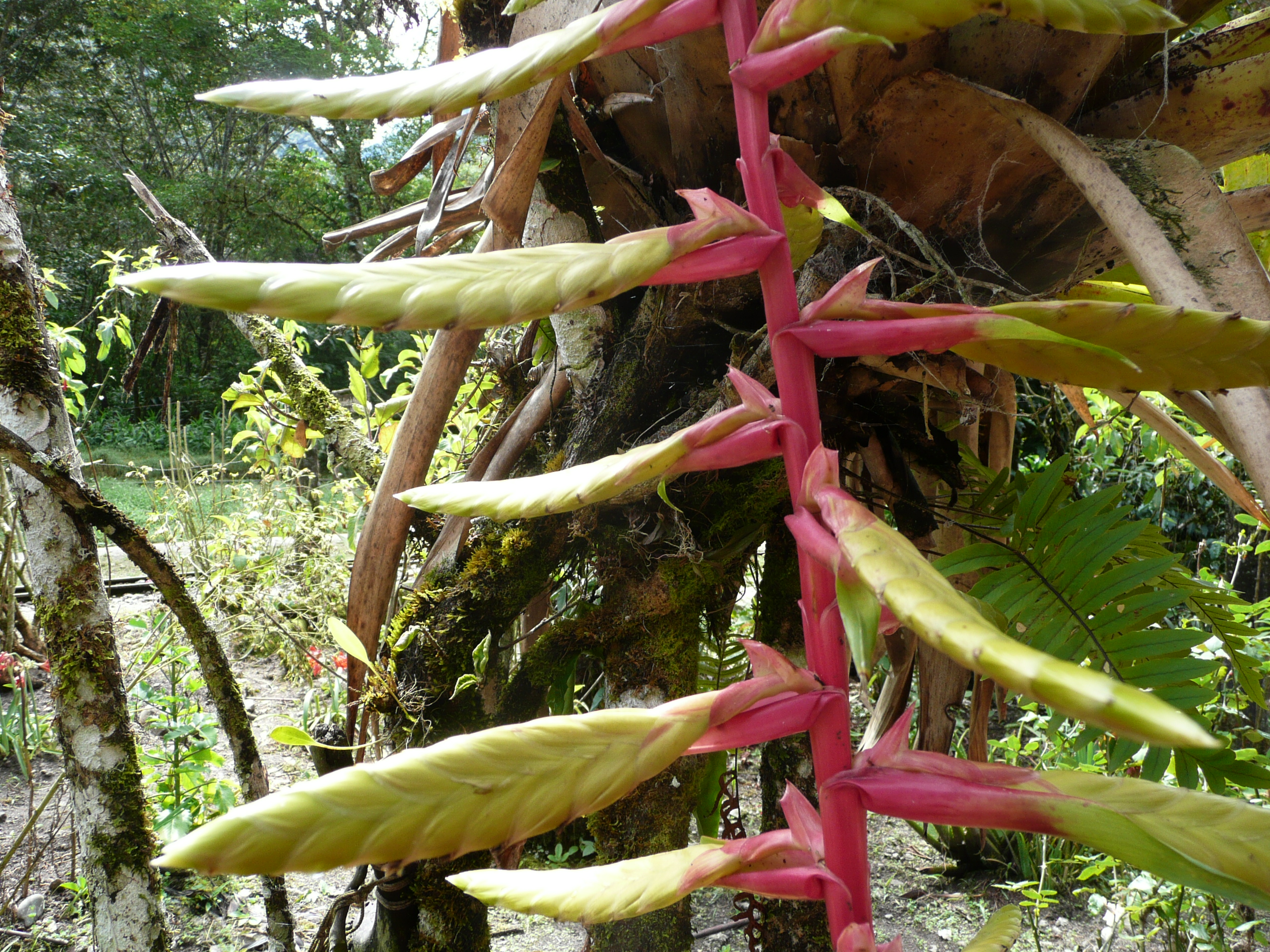
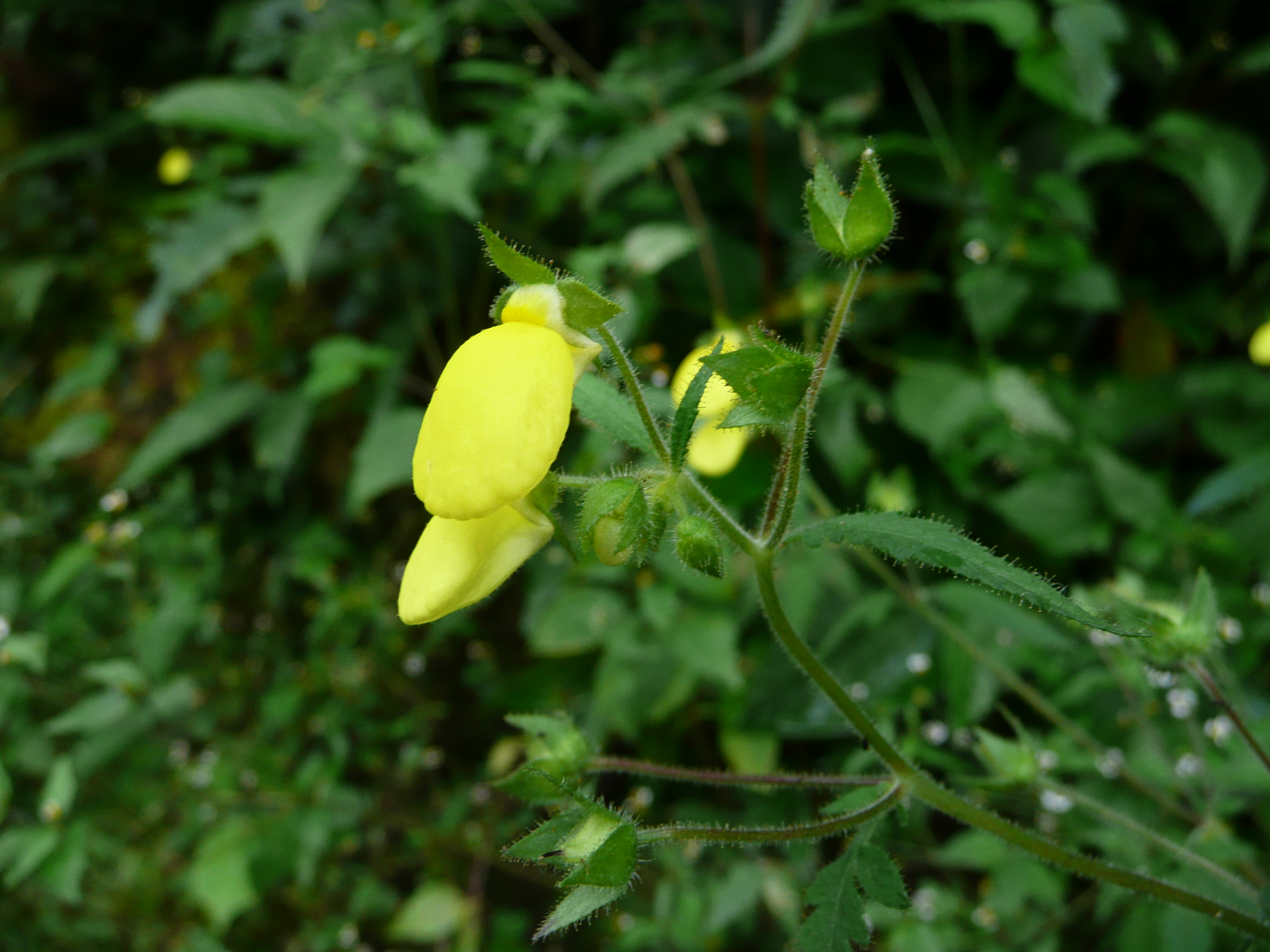
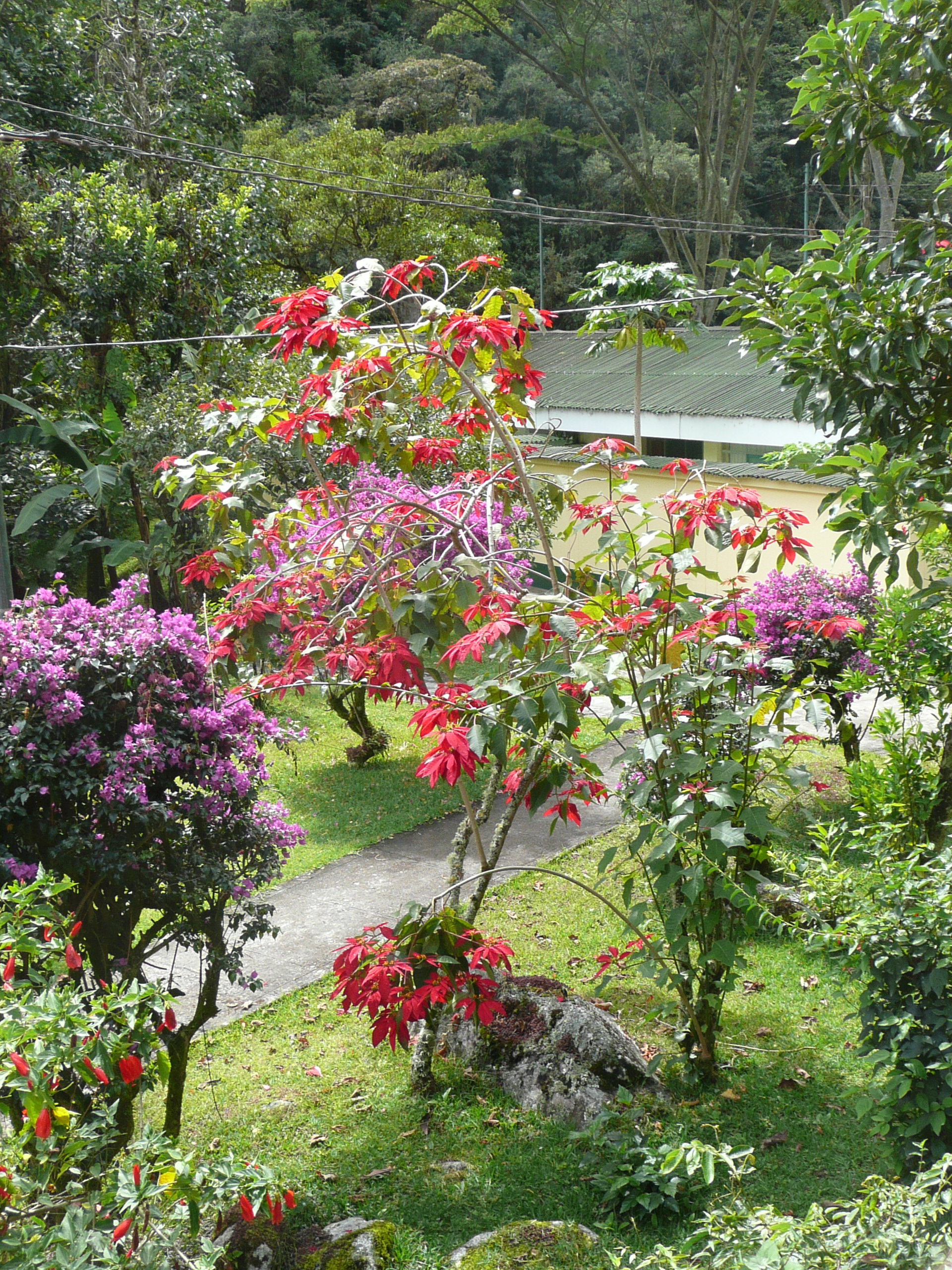
I really liked looking at all the different flowers and plants on this side of the valley. Being in cloud forest and so close to the jungle you get to see a whole range of plant life.
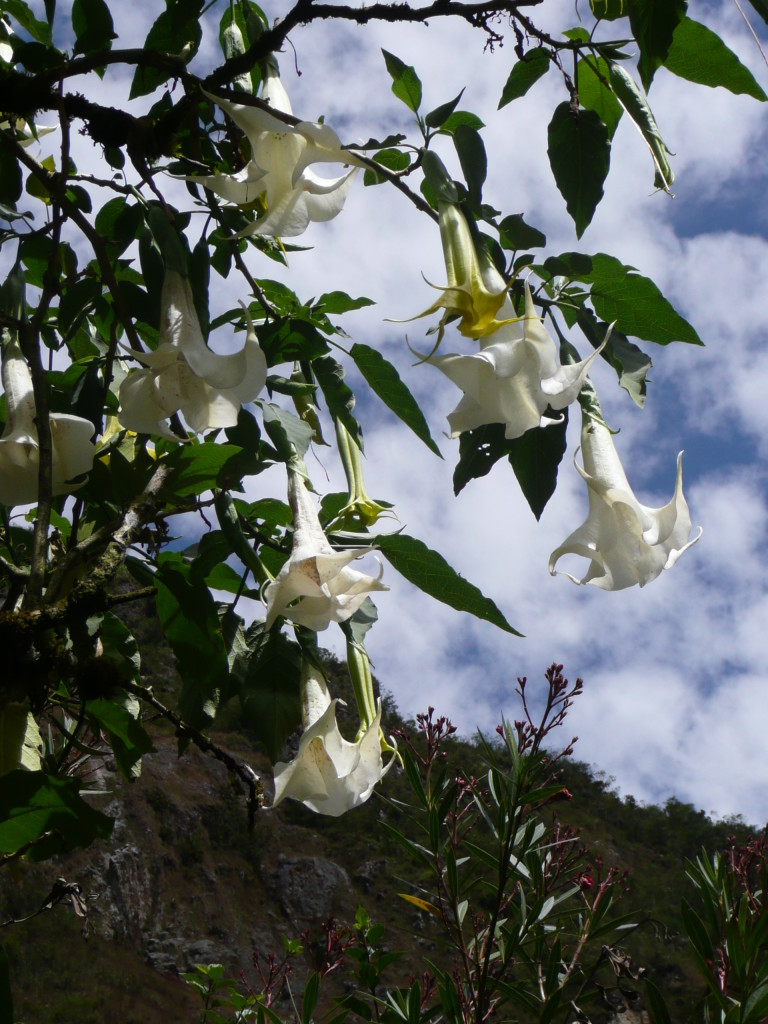
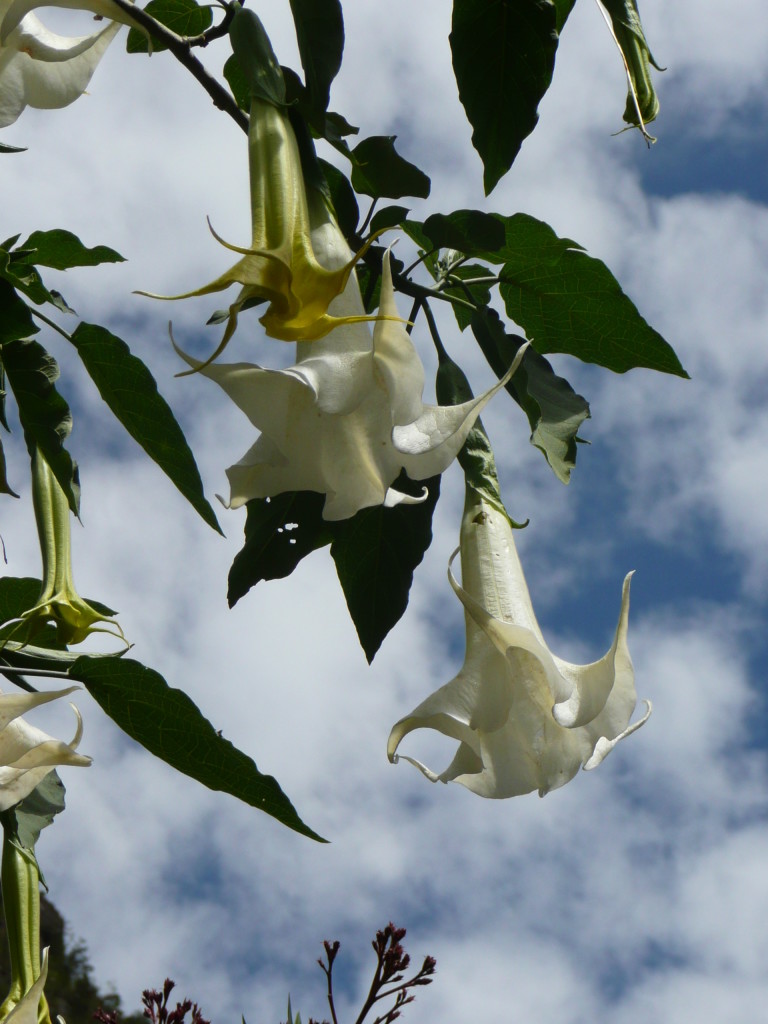
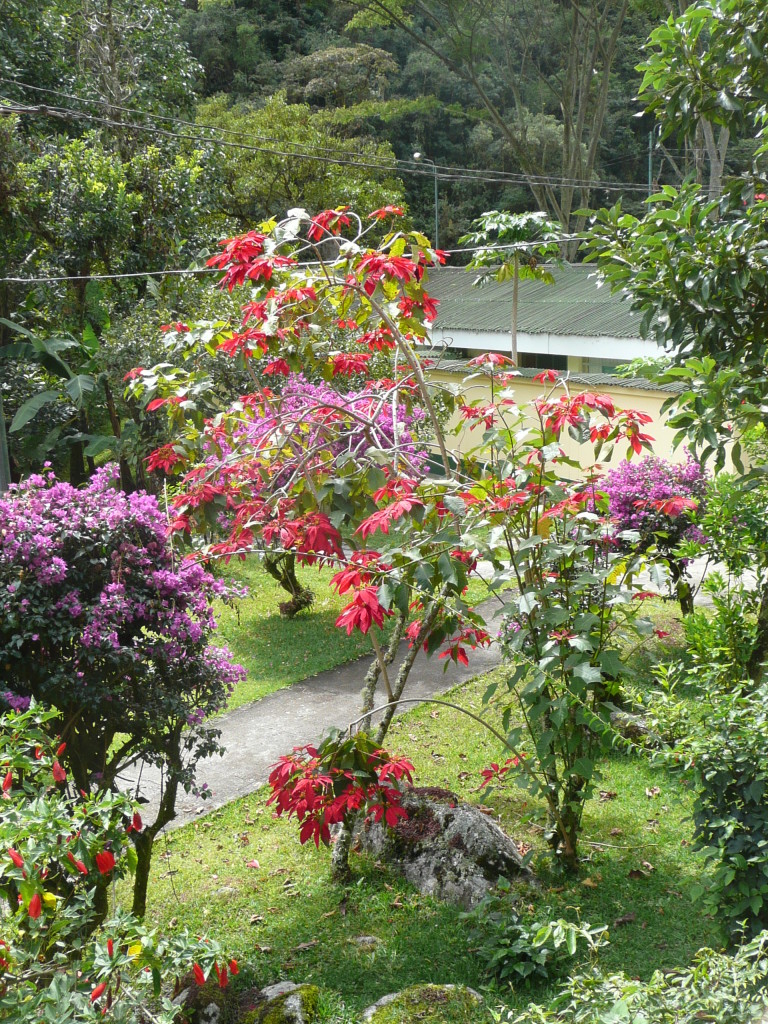
Looks like poinsettia which we get as a plant in NZ and NL, but here it’s a whole tree!
Theo Sprangers liked this on Facebook.
Roel Verschueren liked this on Facebook.
I really liked the blog, particularly the videos. Yes, I wouldn’t be walking in some of those high places. Nice one guys.
Nice Vids and photos looking forward to catching up.
Erik Gouw liked this on Facebook.
Now that sounds like the ultimate bucket list experience! Definitely on my list as well.
Ha, thanks. I think it’s something on a lot of peoples bucket list!
Chris Sherlock liked this on Facebook.
Wonderful pictures!
We are going to MP in 3 weeks and are considering returning via Santa Teresa. Do you have any information on trains to Hidroelectrica or Santa Teresa from Aguas Calientes in the evening? We are not sure if it is advisable to walk down the train track in the evening after hiking MP.
Thanks!
Hi Frank,
That should be fine as long as you do it while it is light. It takes about three hours from AC, to hydro. There are taxis at the hydro to bring you to St Theresa, very cheap.
Enjoy,it is great there!
Richard and Julia
Best place for those who love big wins and great bonuses. The customer support is actually helpful and responds quickly. Give bdjuya777 a try!
Been looking for a reliable place to play and finally found it here. The slot selection is huge and the daily bonuses keep things exciting. I love how transparent they are about terms and conditions. My withdrawals cleared without a single hassle. Highly recommend giving it a try. mxtrueluck