In total we spent five weeks in Sucre. I would like to say that we made the most of our time there but in all honesty we were tired after four months of travelling through Argentina and Chile. We were staying in accommodation where we felt comfortable, which was quiet, peaceful and away from the humdrum of the city also meant that we were quite lazy and spent a lot of time hanging around there basically just recharging our batteries. We felt a bit guilty about this but we also ran into a lot of other travellers who were on the same level and were going through their own dose of travel fatigue.
To top it off our tummy problems that had started in northern Chile in Arica, continued to persist right throughout our stay in Sucre, despite a treatment of giardia pills during our first week there. Richard got a true dose of it after eating chicken satay at one of the gringo cafes during our third week and was off Spanish class for the rest of the week. With both of our tummies continuing to misbehave we decided we were due a visit to the doctor, in this case the gastro-hospital on the other side of town. This was an interesting hospital. The Japanese government obviously invested quite a bit of money in it, as photos and plaques commemorating the donations are everywhere in the hospital. Hospital staff also have the flags of Japan and Bolivia monogrammed on their uniforms. We waited for a couple of hours to be seen, and as time crawled closer to lunchtime we got a bit nervous, knowing that between the hours of 12 and 2 in Sucre everybody goes for lunch. As the hospital waiting room emptied out we thought that we had no chance of seeing anybody, but then a nurse walked past and asked us if we’d been seen and when we said we’d been waiting for a couple of hours already she scurried to find us a doctor. Before that, our attempts to ask the reception staff if we could see someone were met with blank stares and a barking growl of “go away”!
Our doctor was quite unfriendly in the beginning. It was only after another doctor joined us, one who could speak English that she perked up a bit after finding out that we both had decent occupations (that is when we are working). After that, things became quite smooth and various prescriptions were given and tests drawn up. We both had to get blood, urine and stool tests (which we had to give everyday for three days straight). We dealt with the laboratory staff a lot during this time. The women working in the lab were great, very sweet and friendly though terribly unorganised. Various books and pieces of paper were constantly being searched for. Results were put into the wrongly addressed envelopes which then had to be ripped open and typed out (yes on a typewriter) again. But it was all just part of the norm, and we were by this stage more relaxed and just took it in our stride, smiled and waited patiently while the women tried to sort through the chaos. In the end the results showed up all clear, and the medication they prescribed did seem to set us right. The only problem was that by this stage we were right off our food, and while we still went for lunch (which is the main meal of the day in Bolivia) we went through phases of eating muesli or noodles for dinner, holed up in our lovely accommodation at La Selenita.
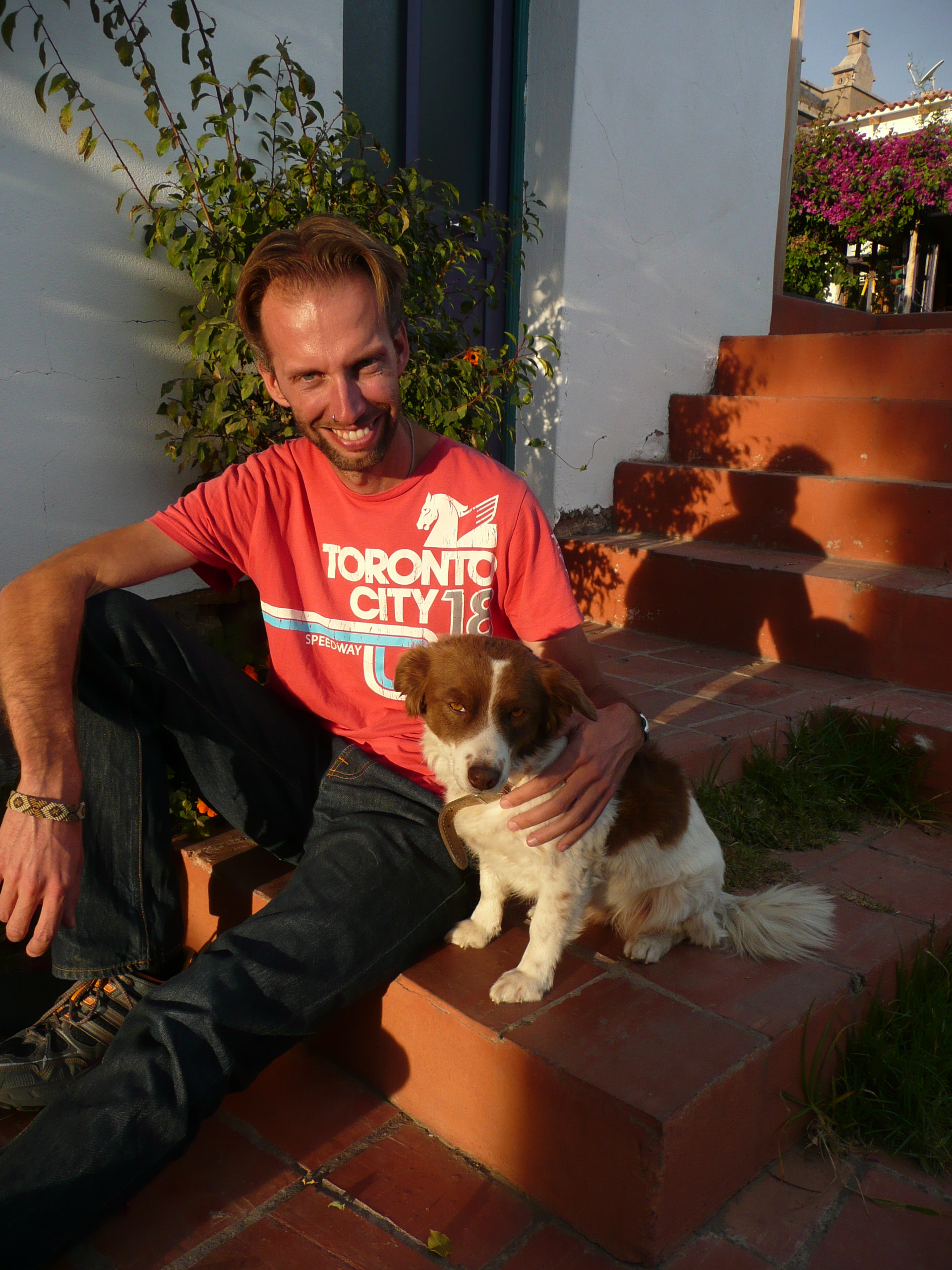
We spent a lot of time hanging out with the hostel pets at La Selenita. Here Tza Tza is being lulled into a deep trance while Richard pats her.
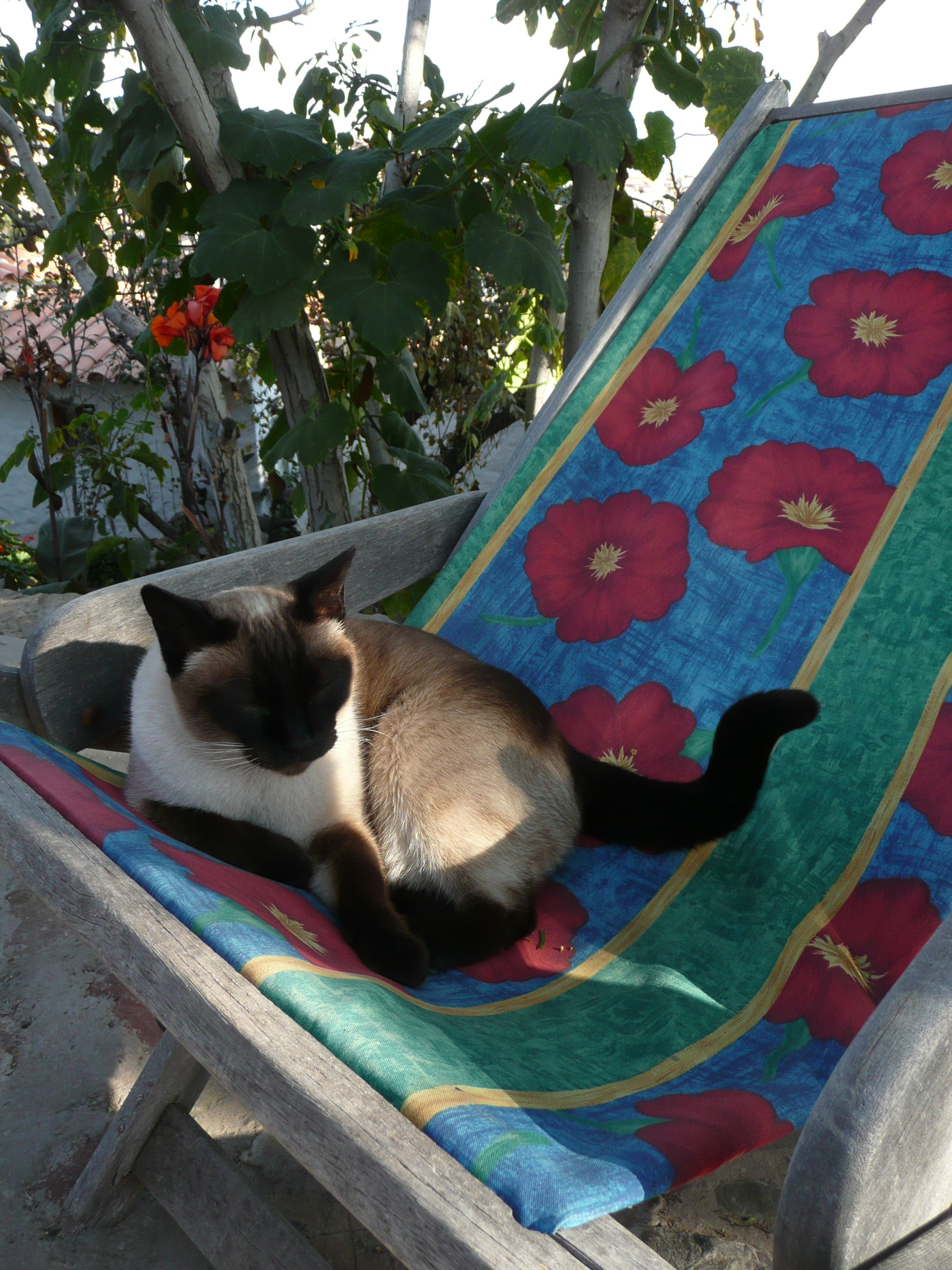
We loved the cat. He came with us everywhere around the hostel, and even slept on my bed.
Aside from hospital adventures, we continued to go to Spanish classes at Fenix. I increased the number of hours of Spanish to three hours a day for the last two weeks and Tatiana and I powered through the rest of the grammar. By the time my last class arrived I was ready to finish up, but felt a sense of achievement as during the four and a bit weeks there I’d gone through all verb tenses plus the much hated subjunctive. We both found our classes quite interesting, especially talking with our teachers about their lives, Bolivia and all things cultural, economic, and political.
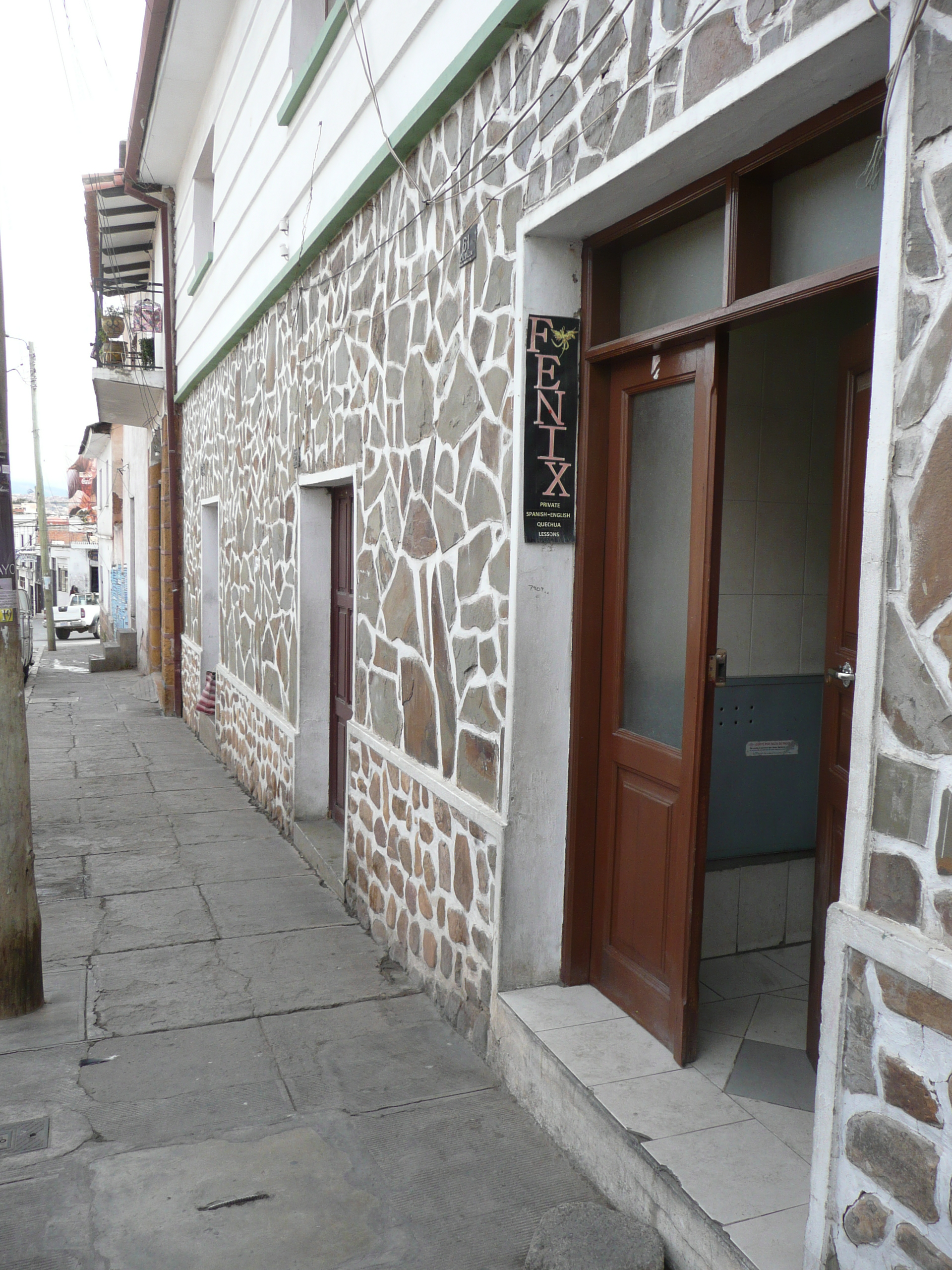
Here is a photo of the outside entrance to Fenix Language School where we took Spanish classes.
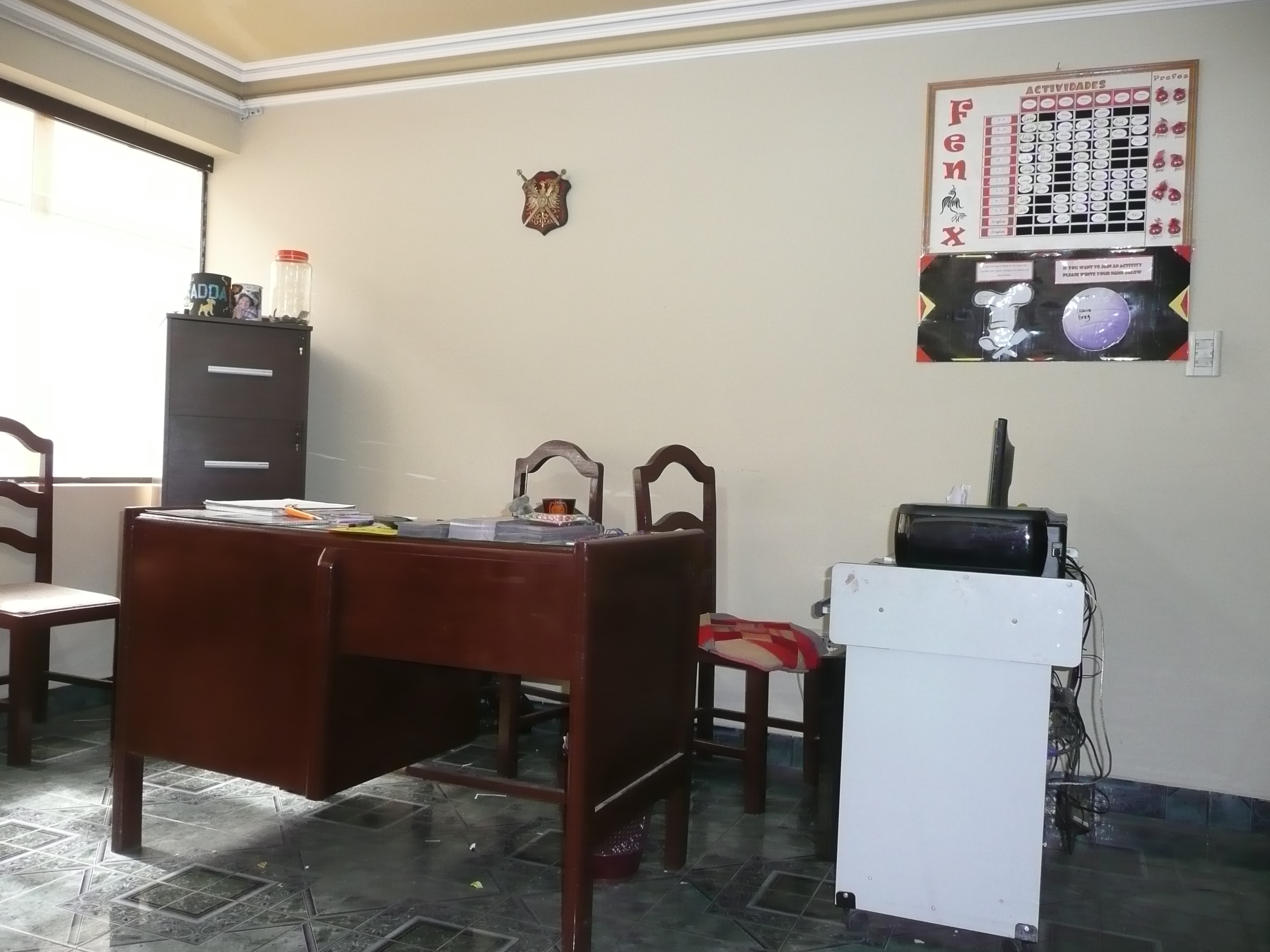
The inside office of Fenix. They have two floors with different classes offered: Spanish, English and even Quechua.
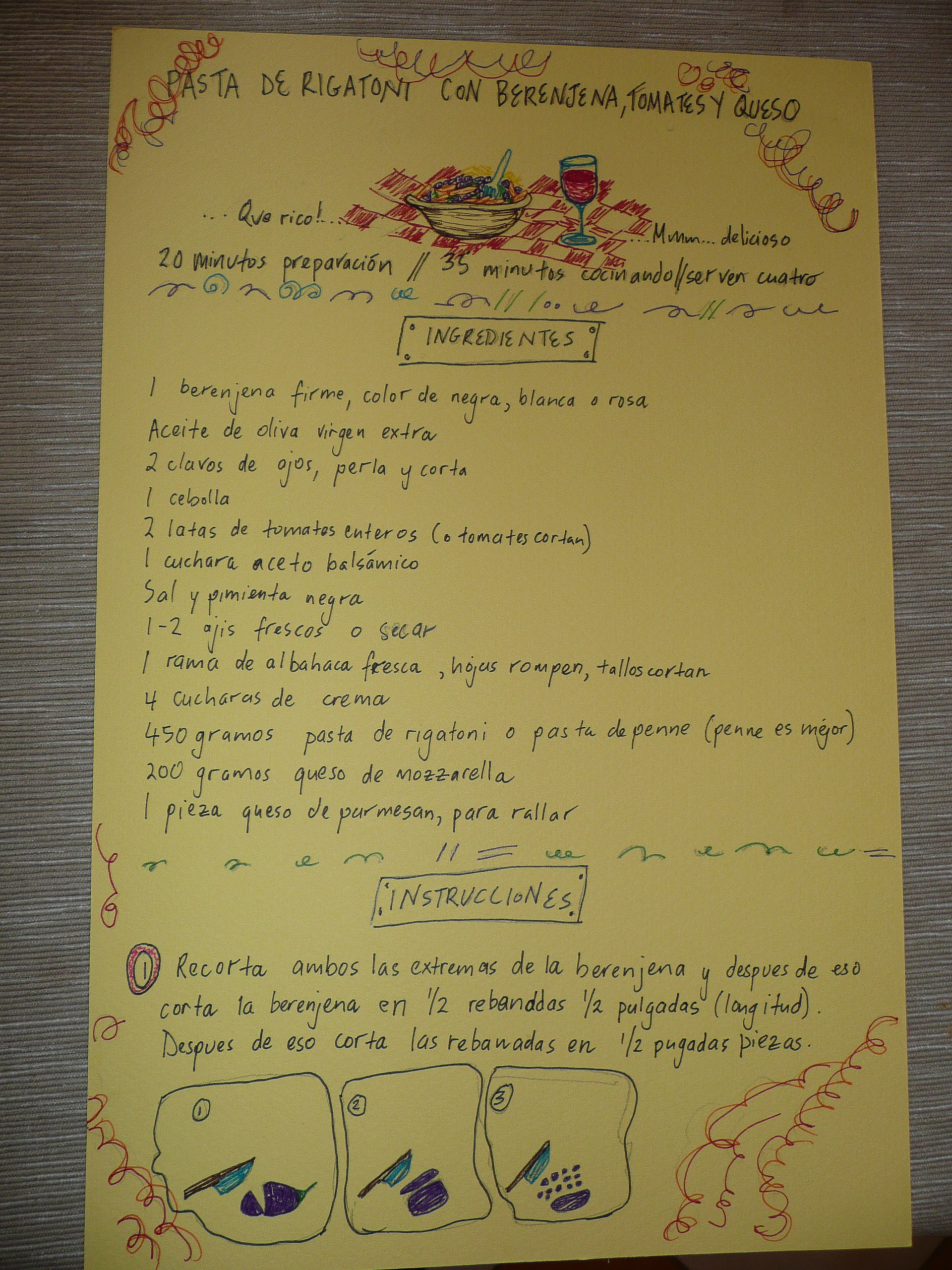
An example of one of my last homeworks (aka tarea in Spanish). Here we’d just gone over commands which you can use for when you want to give people tips/reccomendations or for writing recipes. Here is my favourite eggplant patsa recipe in Spanish.
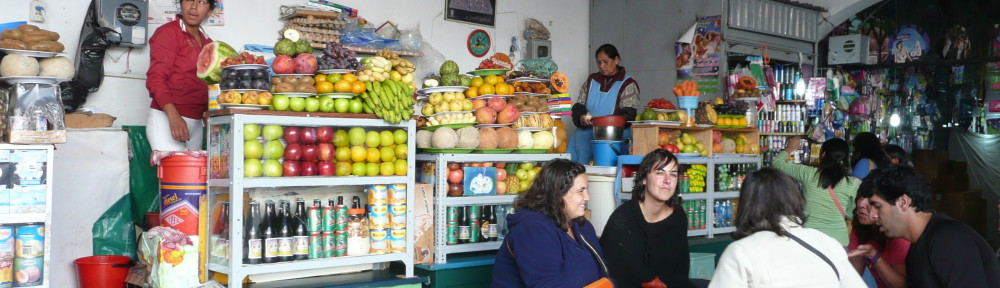
While in Sucre one of our favourite things to do was to buy a freshly squeezed juice and sit in the beautifully landscaped plaza watching people. We were often hassled by kids wanting to shine our shoes, women selling bracelets, or other juice stall holders wanting to sell us more juice (while we were still having a full cup in hand). With time, and as our Spanish improved we became a bit savvier with saying no and were able to sit and people watch for longer periods of time.
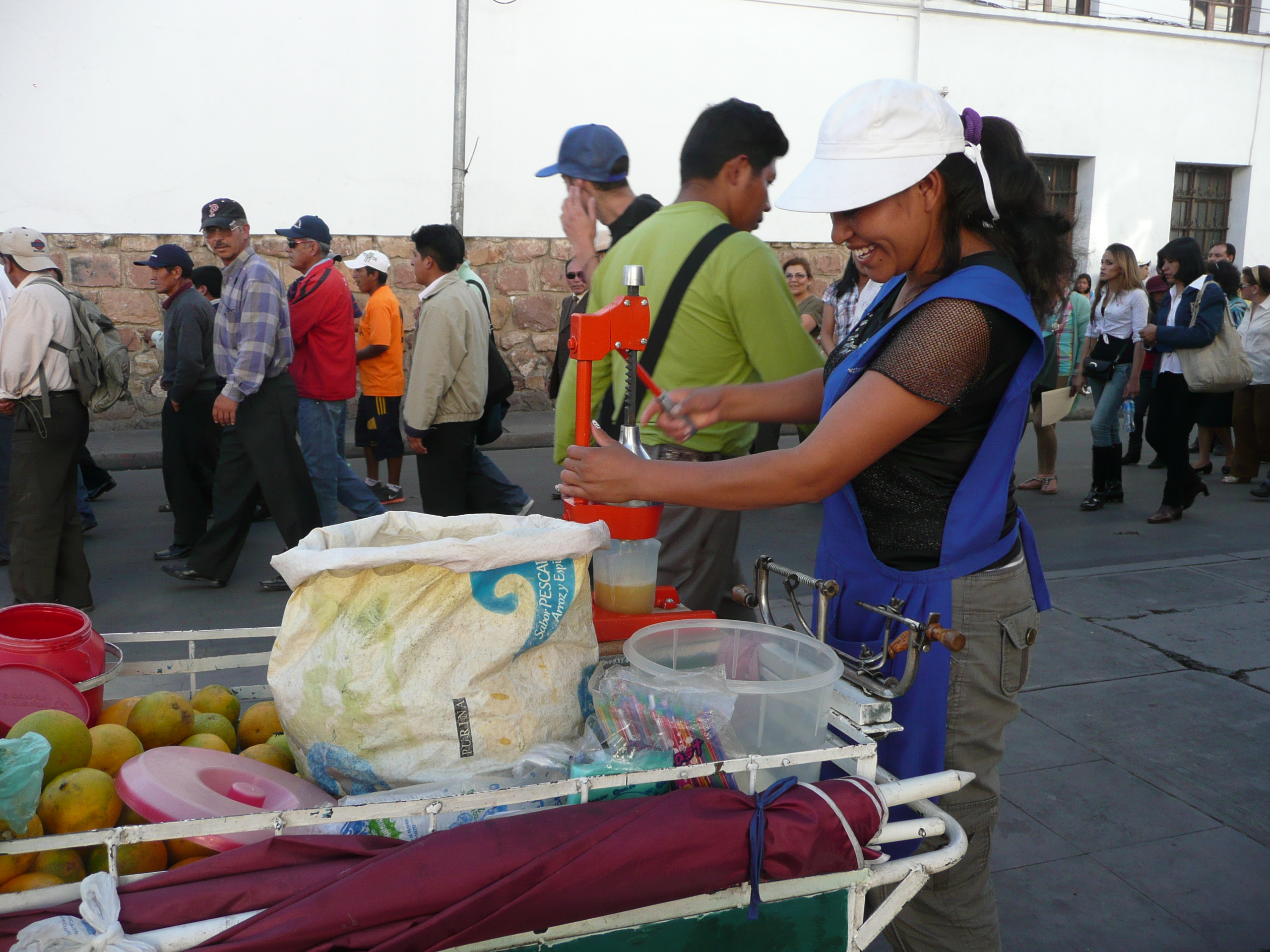
Freshly squeezed juice is available everywhere from these sorts of stands in Sucre. It costs as little as 4 Bolivianos (60 NZ cents). Whatever is left in the container you get as a refill. Note the protest going on in the background.
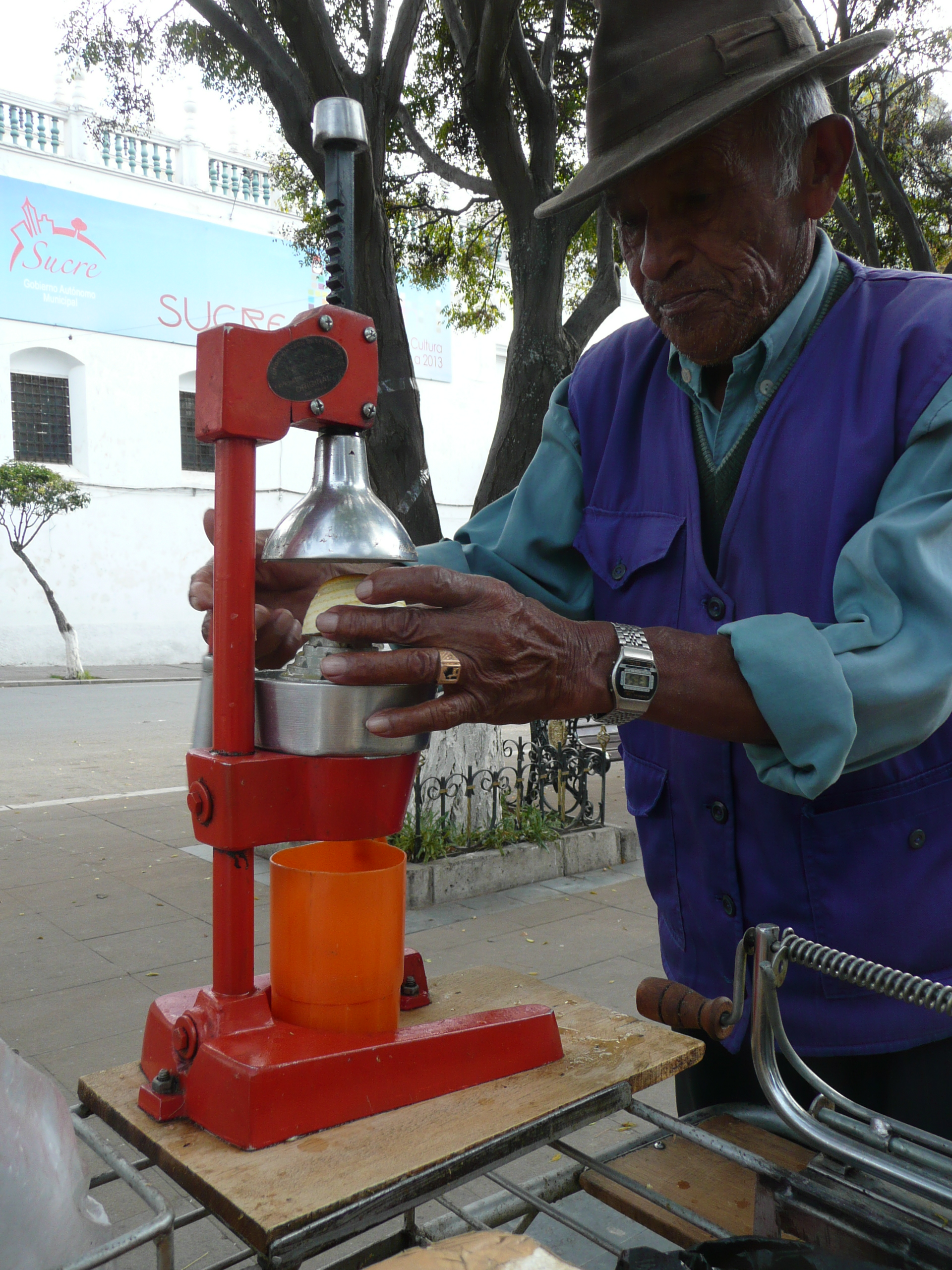
Here, we get shown how it’s done.
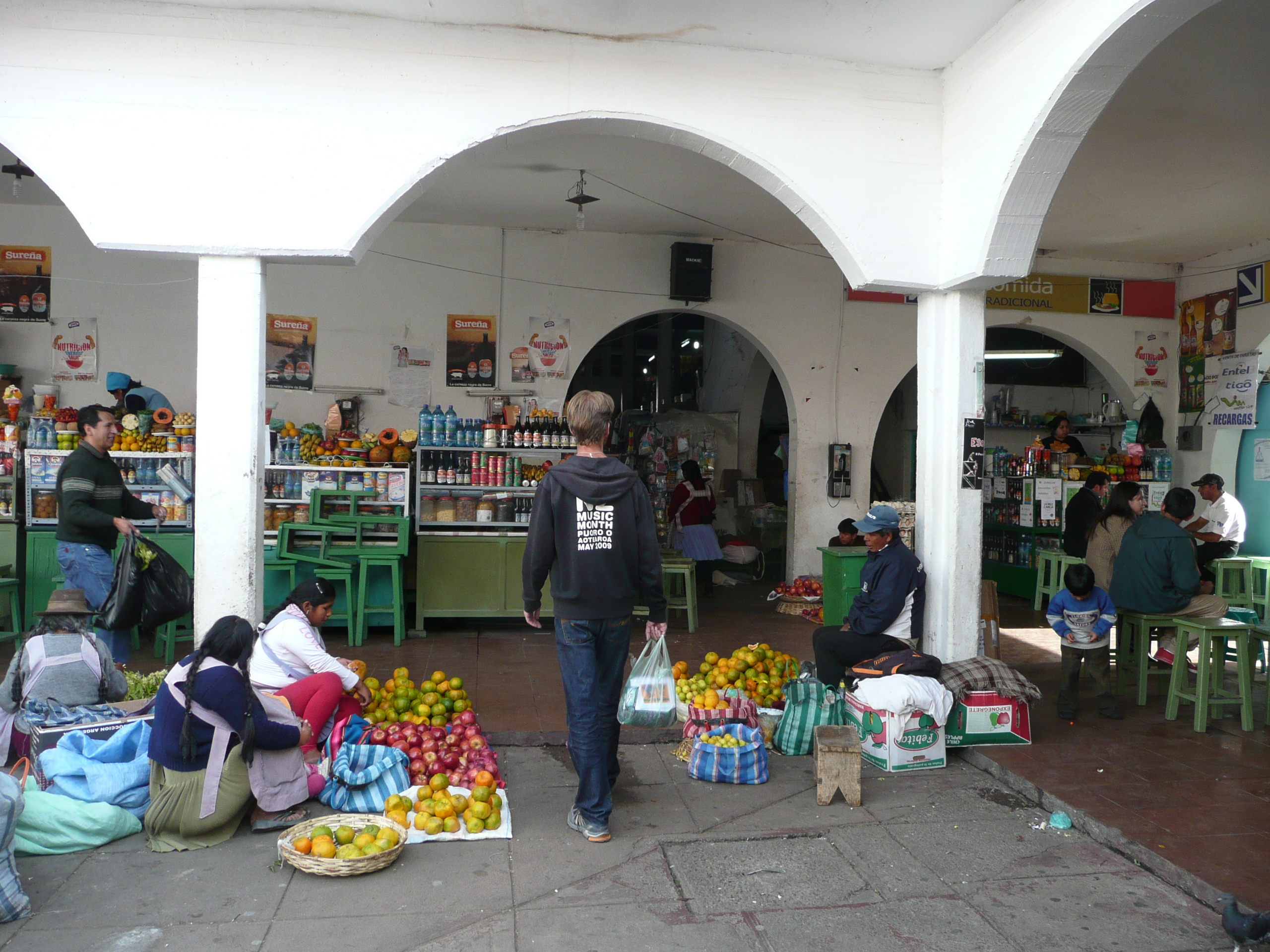
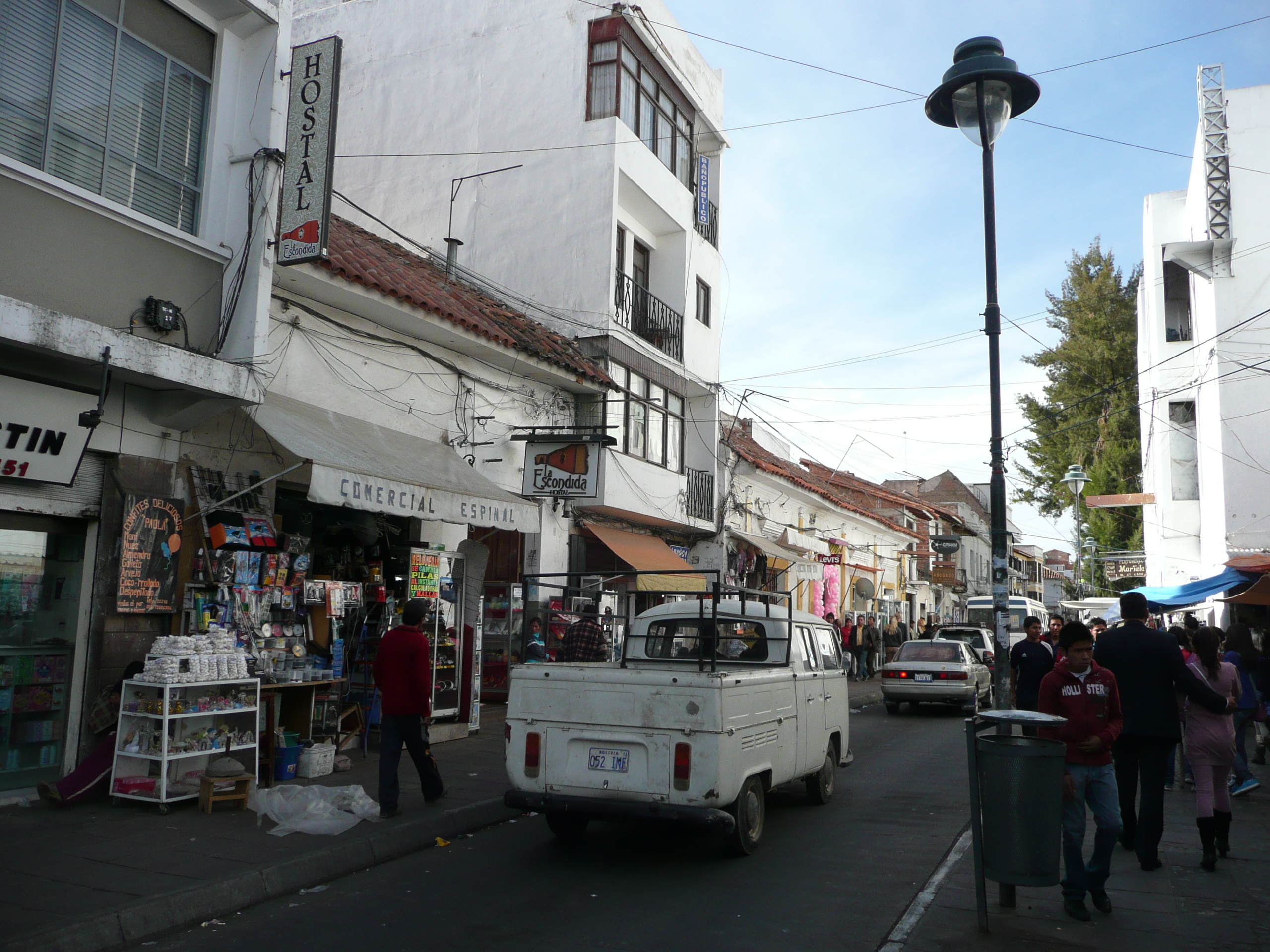
The city really comes alive in the evenings, and when going out at night we would often notice shops or places we’d never seen before. On our last Friday night in Sucre we went looking for some car alarm batteries in the Mercado Central and found the place pumping. Batteries were found, fruit smoothies were drunk, cheap DVDs were bought, and a funnel for pouring gasoline into was attempted to be found in one of many plastics stalls (without any luck as it turns out Bolivians are very DIY in this respect and use an empty coke bottle and windshield wiper to do the job).
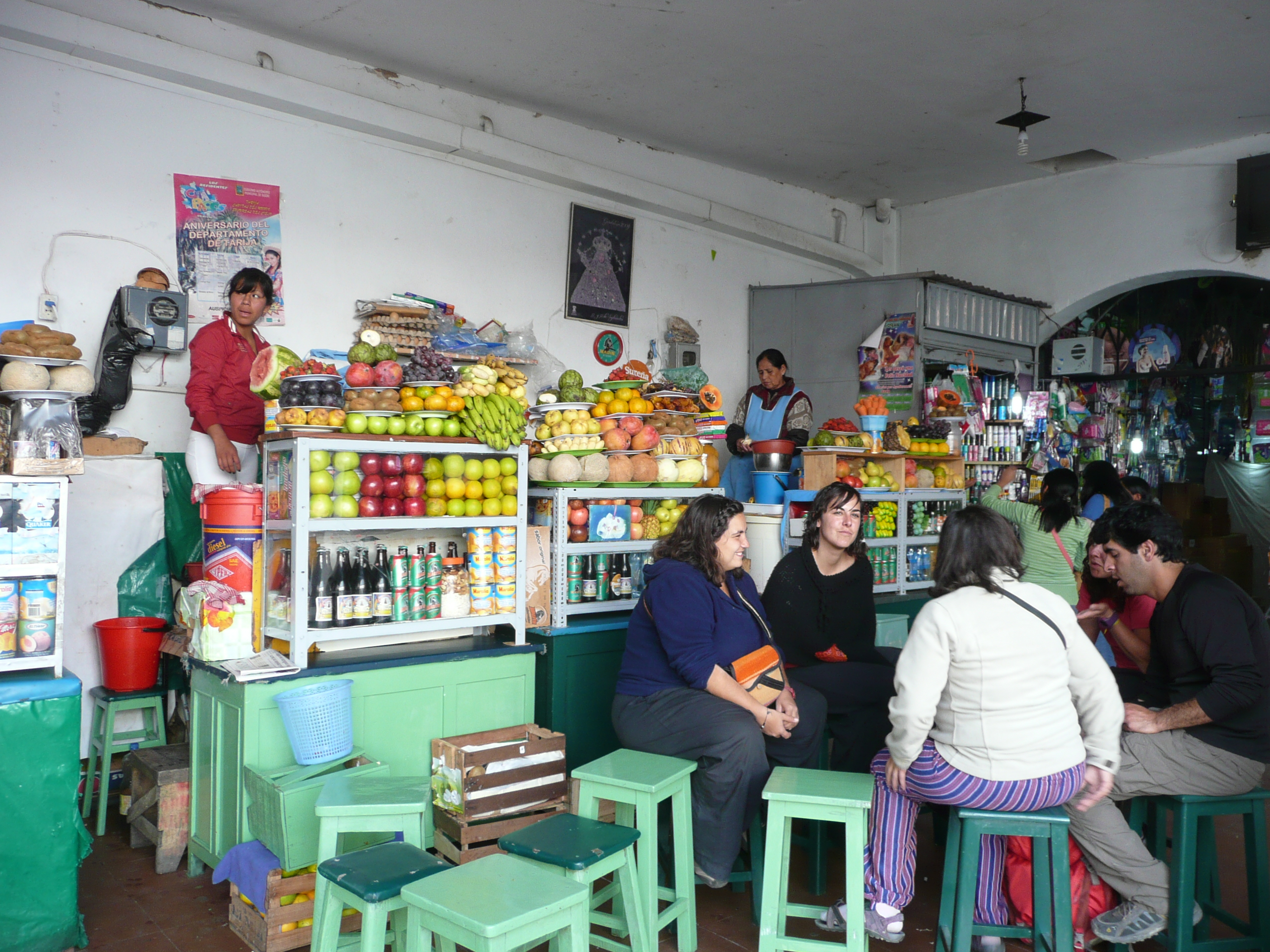
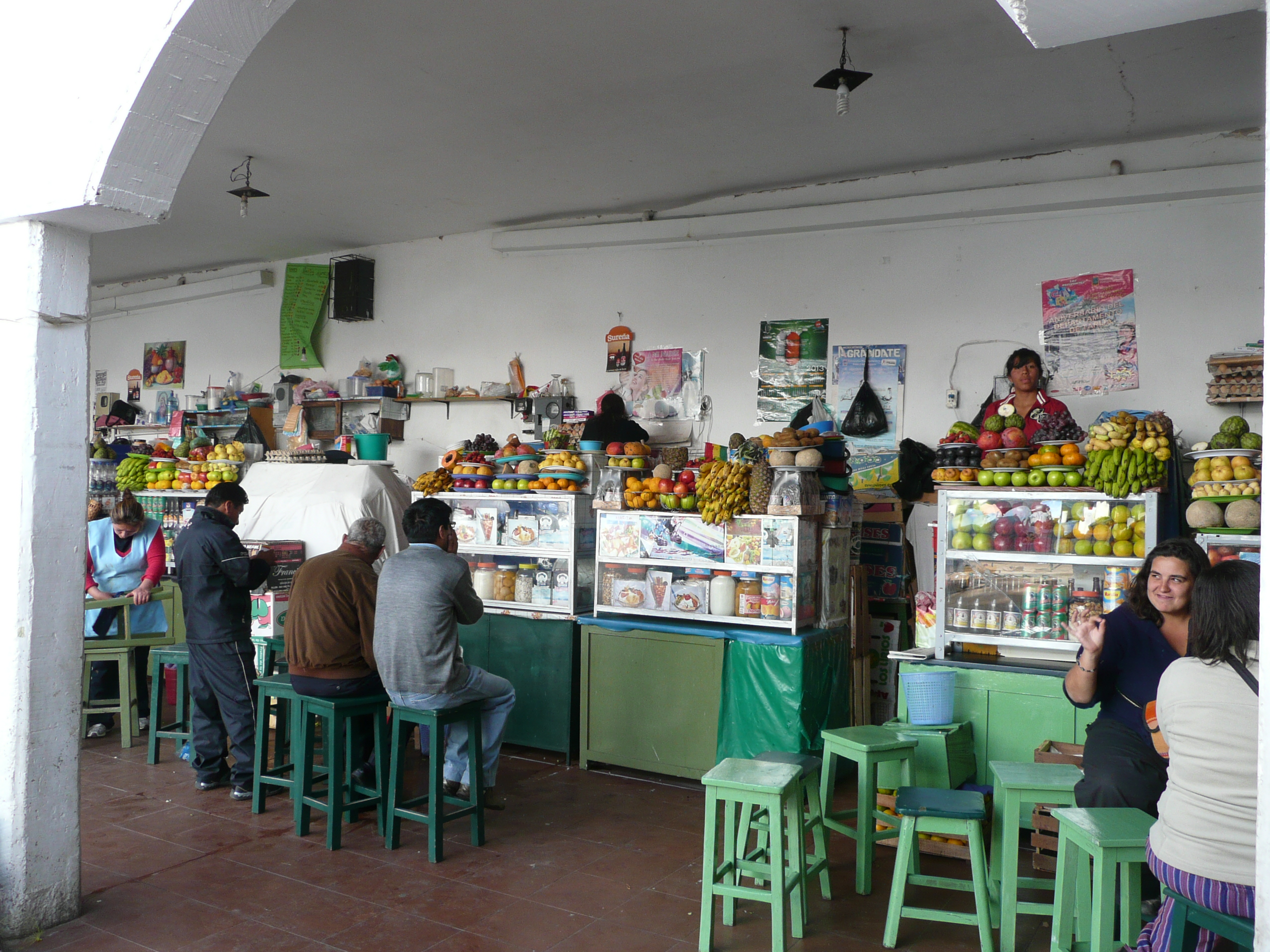
Smoothie stands in the Mercado Centrale. Here you can have any kind of smoothie any which way you want. And so incredibly cheap too.
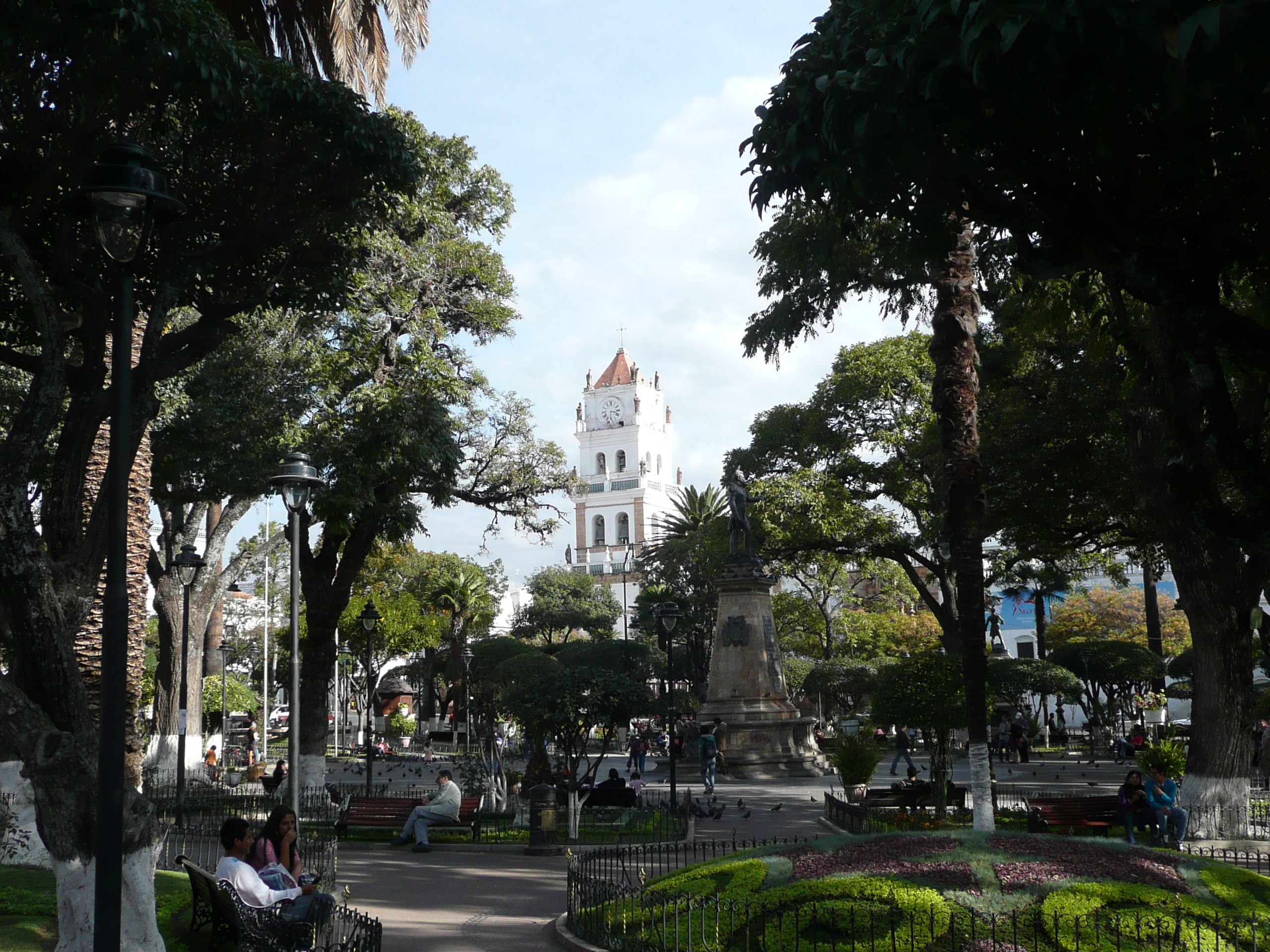
The main plaza, probably the most beautiful plaza we’ve seen during our time in South America – perfectly landscaped gardens.
We also caught up with our Aussie friends before they left Sucre for La Paz. They had also been struck down with tummy issues and had spent a week in bed watching CSI and Grey’s Anatomy reruns (something which resonated with me as I had also gone through a phase of watching Grey’s Anatomy reruns feeling too tired or sick to do much else). We enjoyed a meal at probably the best Italian place in South America, Monterosso and had a great night catching up and eating perfectly cooked pasta.
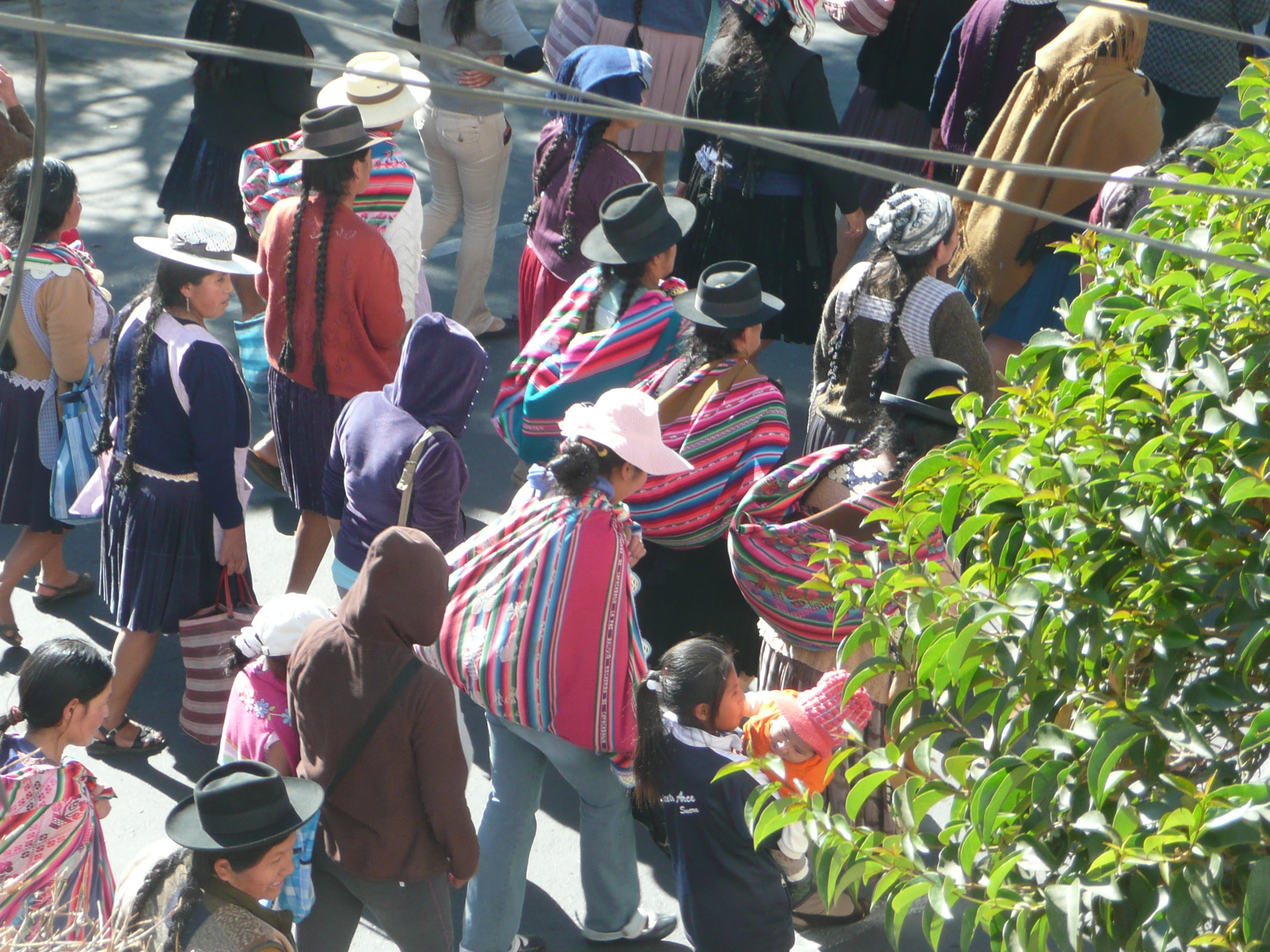
Meanwhile all over the country road blockades and protests had brought the country to a standstill. The week after arriving protests and road blockades started and continued to lock down Sucre and other cities around the country. Ricardo and Maite, the owners of La Selenita had some friends from Belgium arrive while we were there and they got stuck in Sucre. They were able to make it to Uyuni to visit the salt flats but this was after many days delay and having to wait for a two hour refrain in the road blockades. Another time they were meant to visit Maite’s brother in a remote village in the north, but again had to wait a couple of days before finding a temporary break from the road blockades. With this knowledge and also hearing about how bad the protests were going in places like La Paz, Oruro and Santa Cruz we thought it a sure thing that we wouldn’t be able to leave on the day we wanted to. But the weekend beforehand, the protesters and the government started talking. No decisions were made, but an extension of the stalemate that was announced, meaning that for the next thirty days unrestricted travel was going to be possible across the country. So with that in mind, we packed up the car again, had several last cuddles with the beloved hostel cat, said our goodbyes and were on our way to our first stop Potosi, a beautiful colonial city a few hours south of Sucre. Our time in Sucre was not for nothing as with new improved Spanish skills and our mojo for travel returning, we were once again hitting the road, feeling energised and excited to do so.
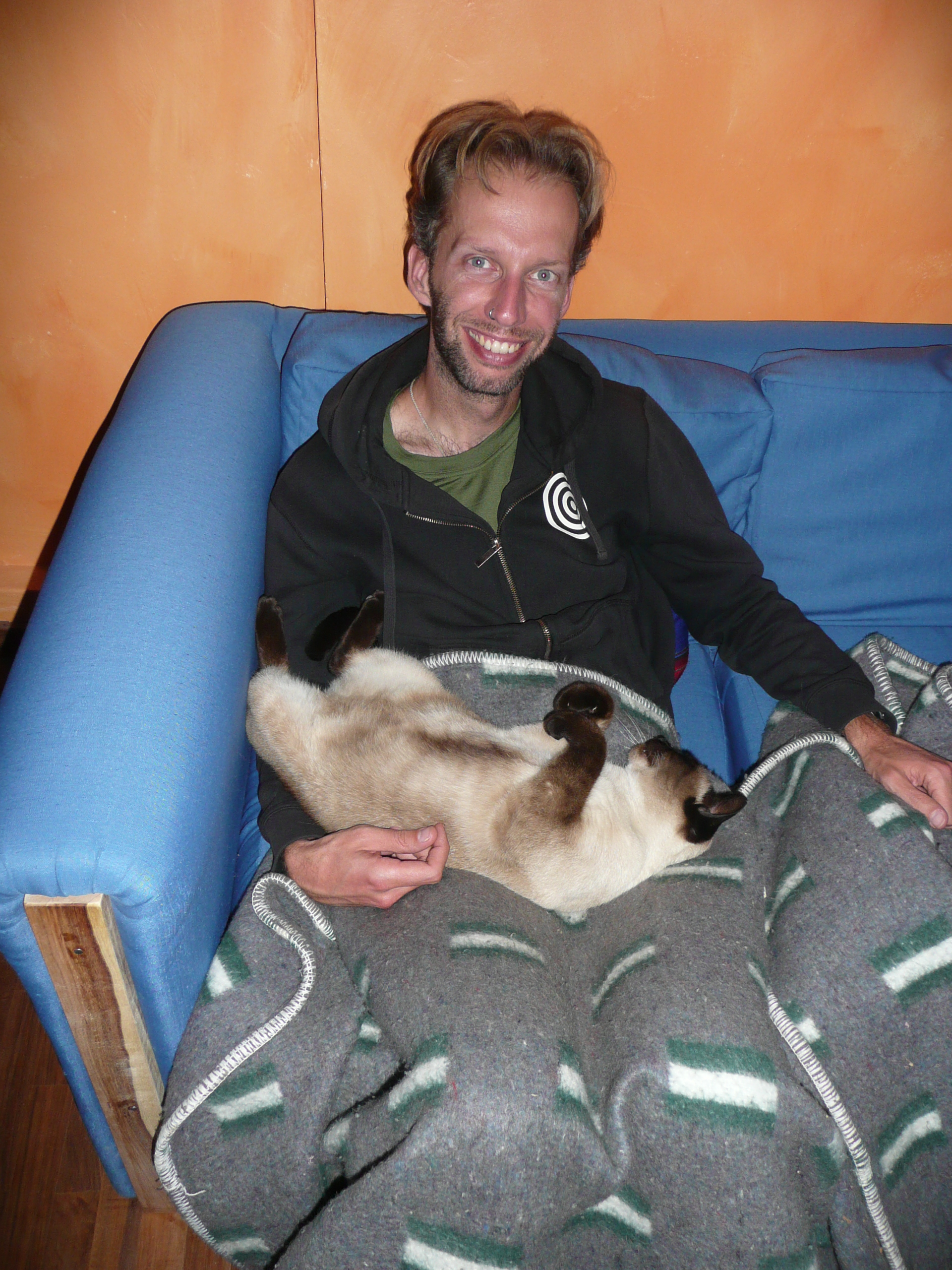
Many nights were spent sitting on this couch cuddling this cat. Amazing cat!
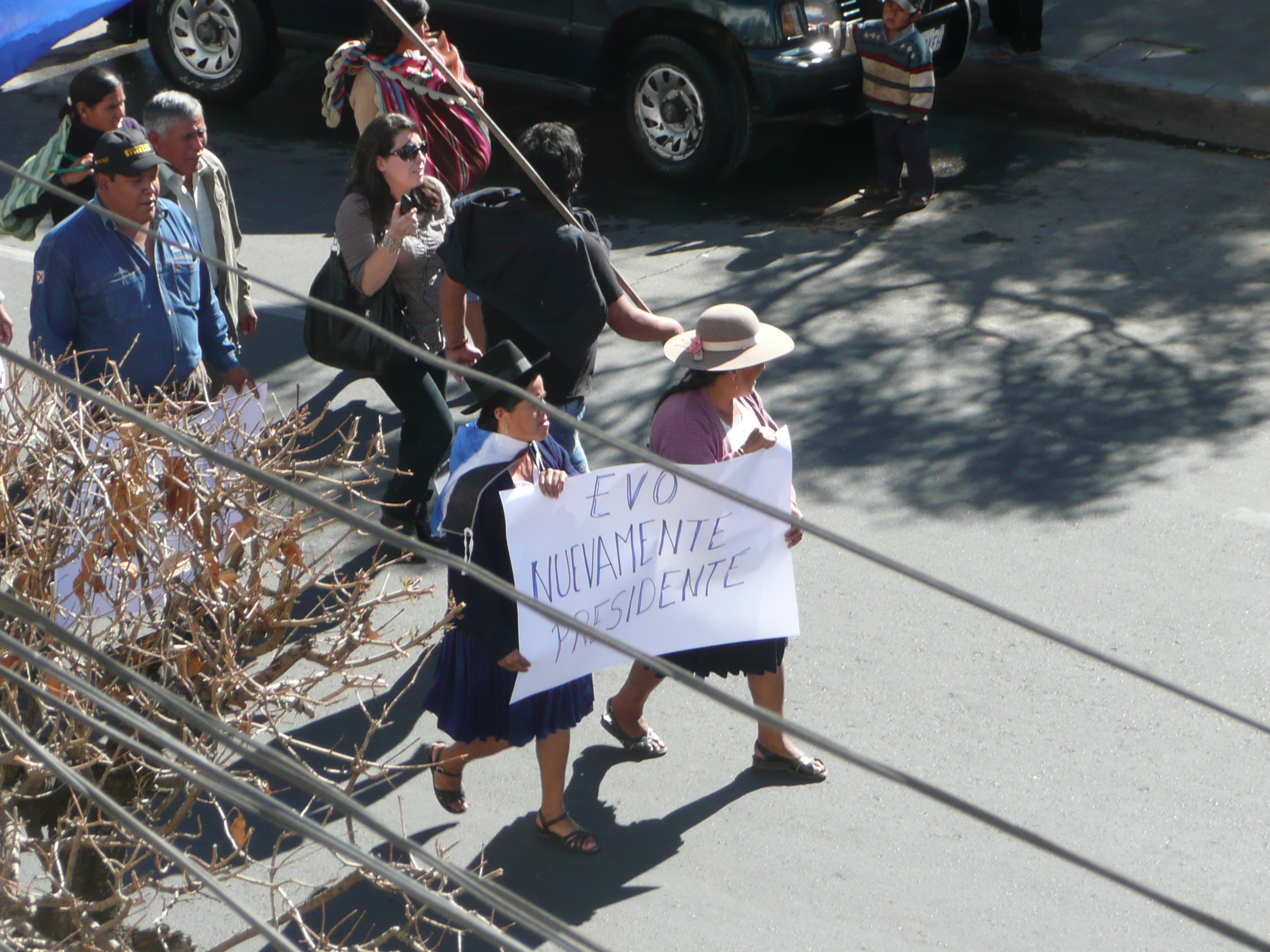
In the space of one lunch hour we saw three different protest groups make their way around the plaza

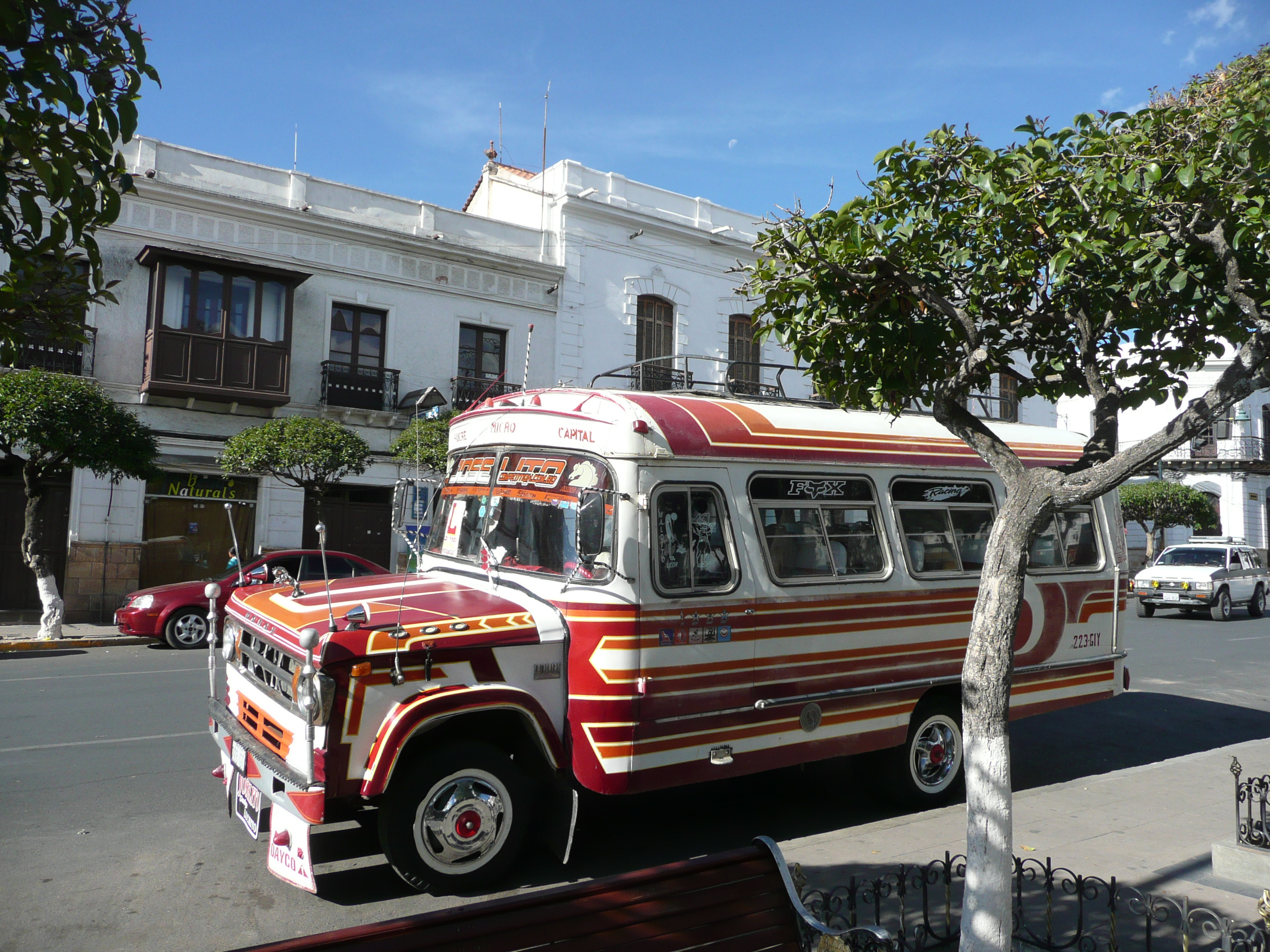
Buses are pretty colourful in Bolivia. Many have Chinese or Japanese writing on theme (where they originally came from).
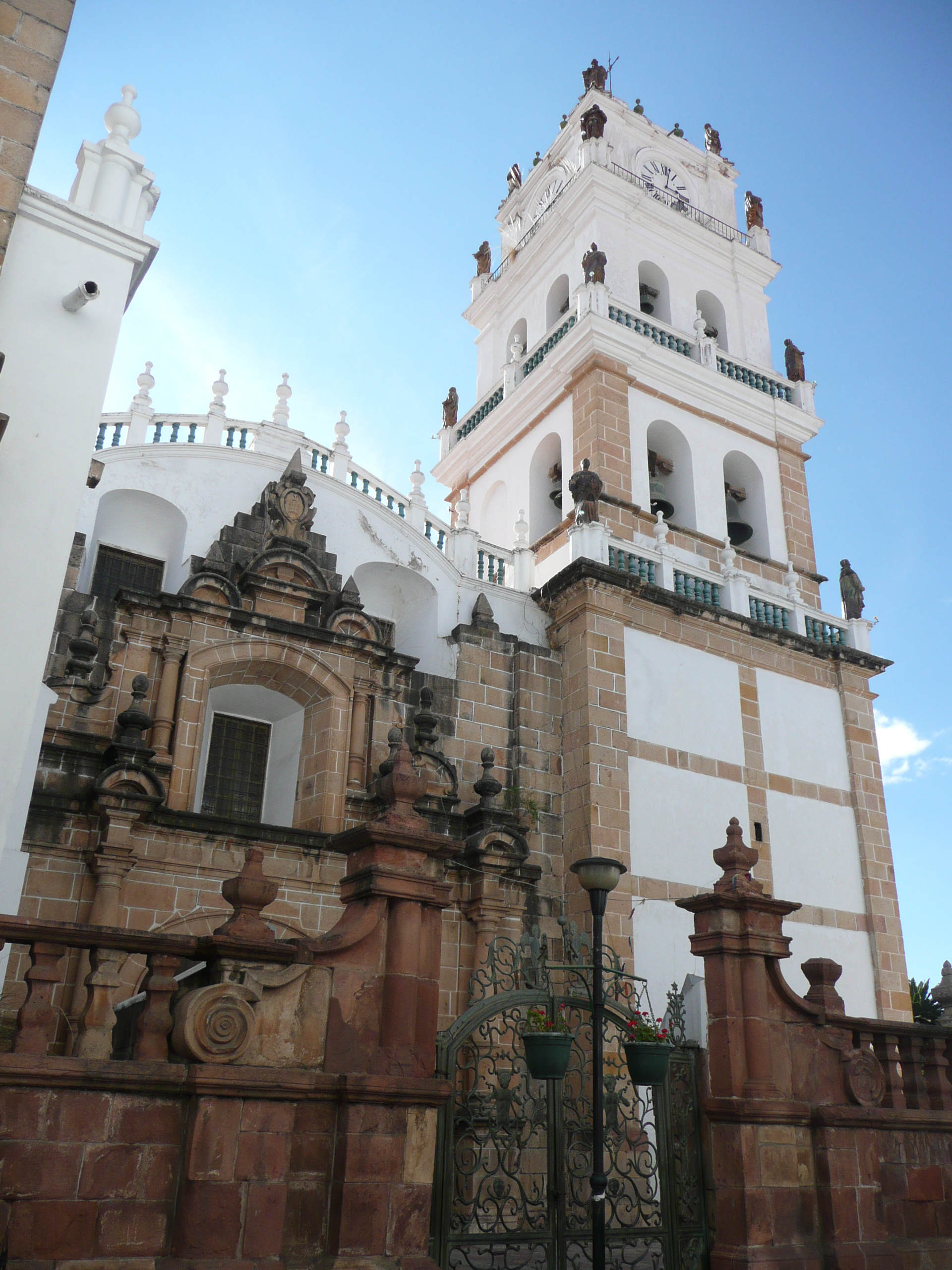
The cathedral on a good day. Really pretty.
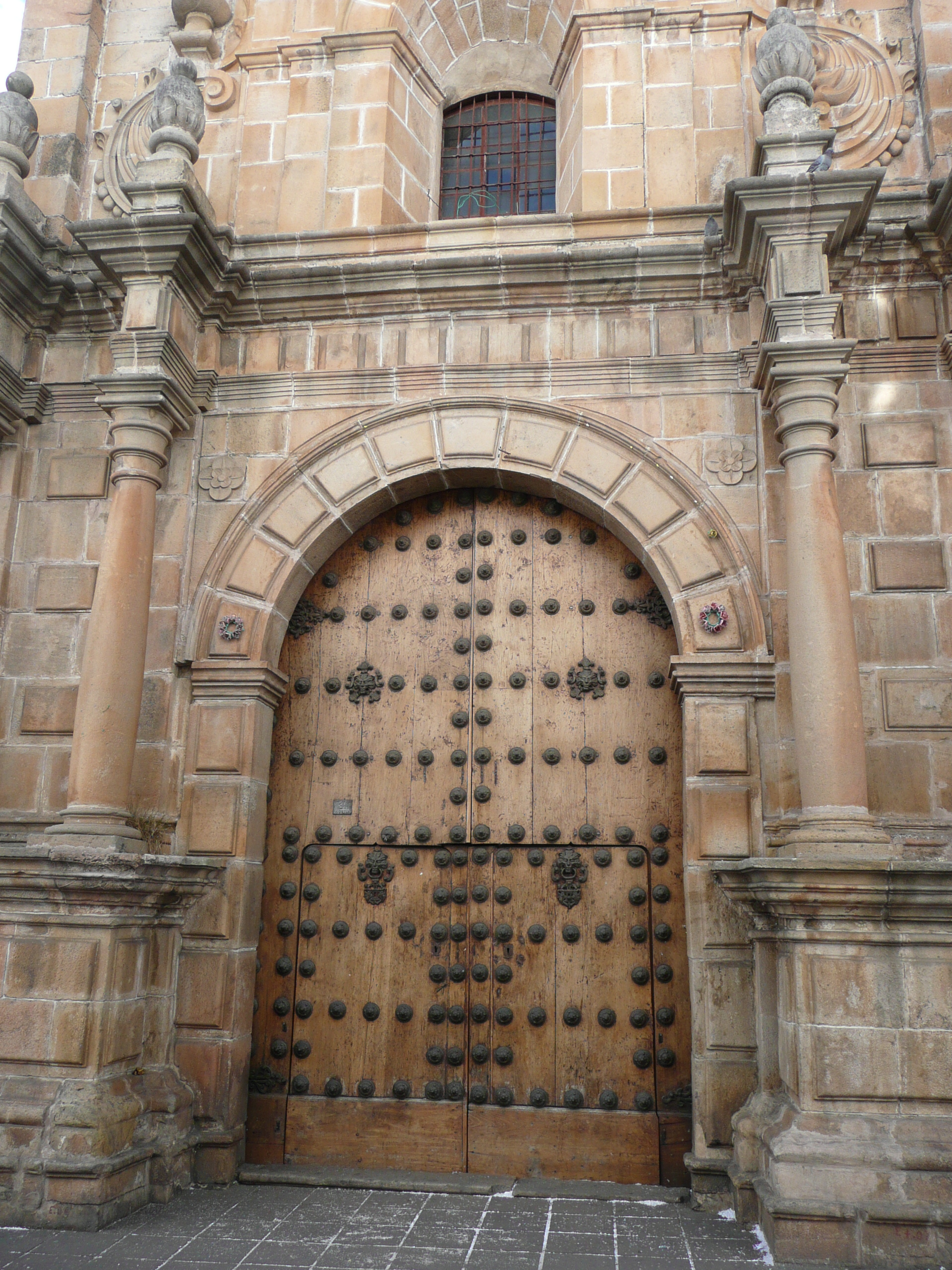
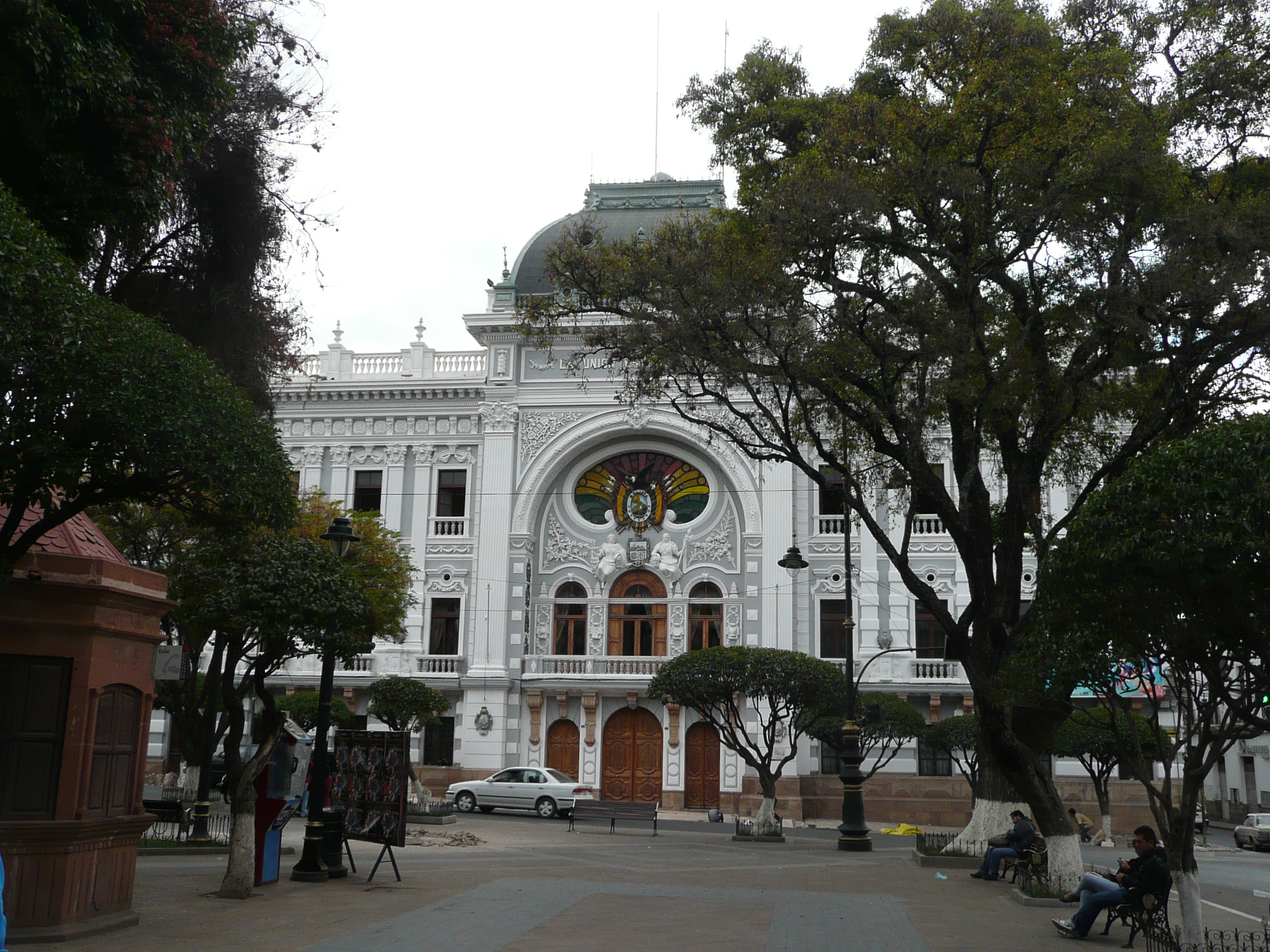
A lot of protests ended up outside of this building.
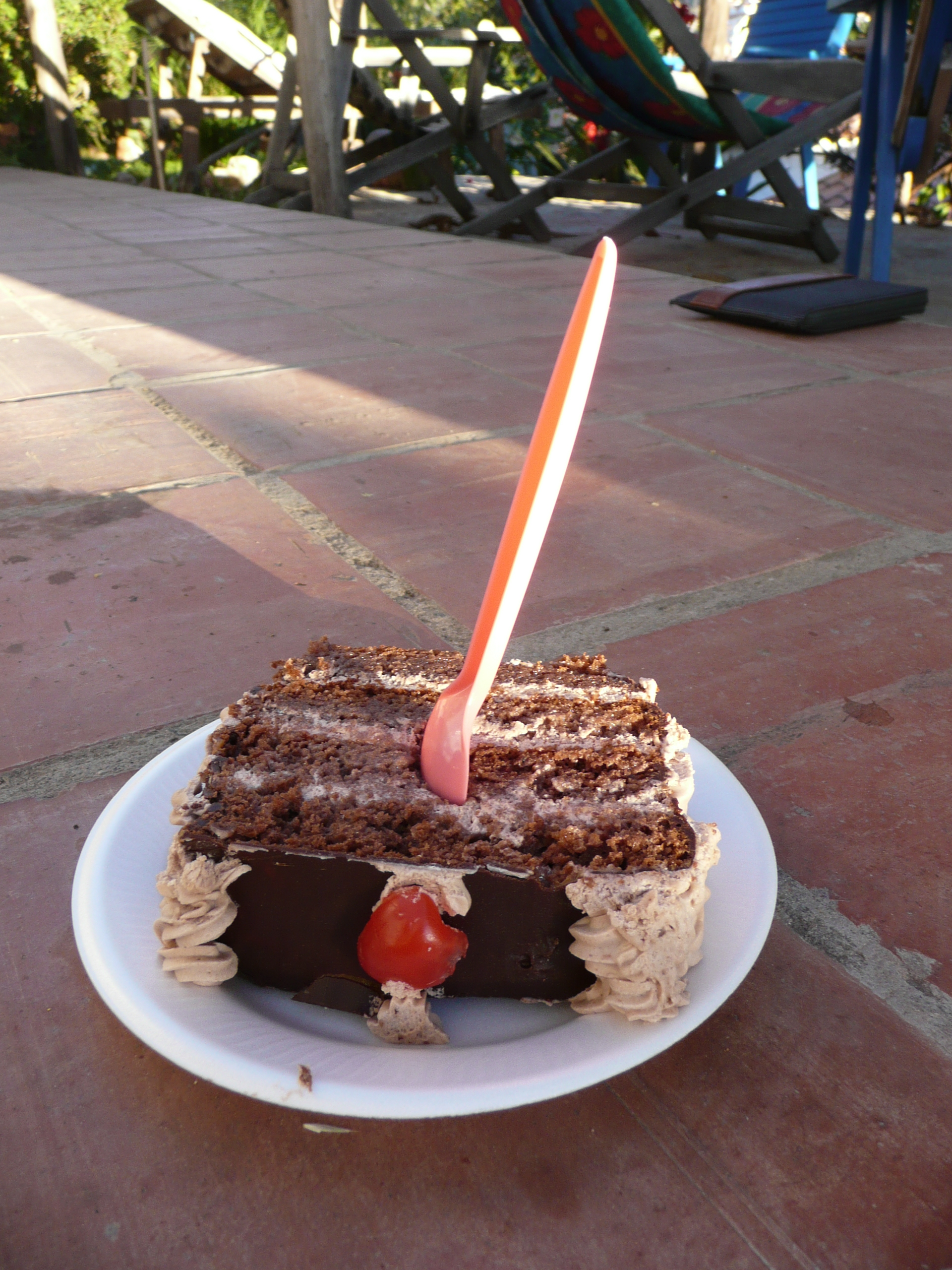
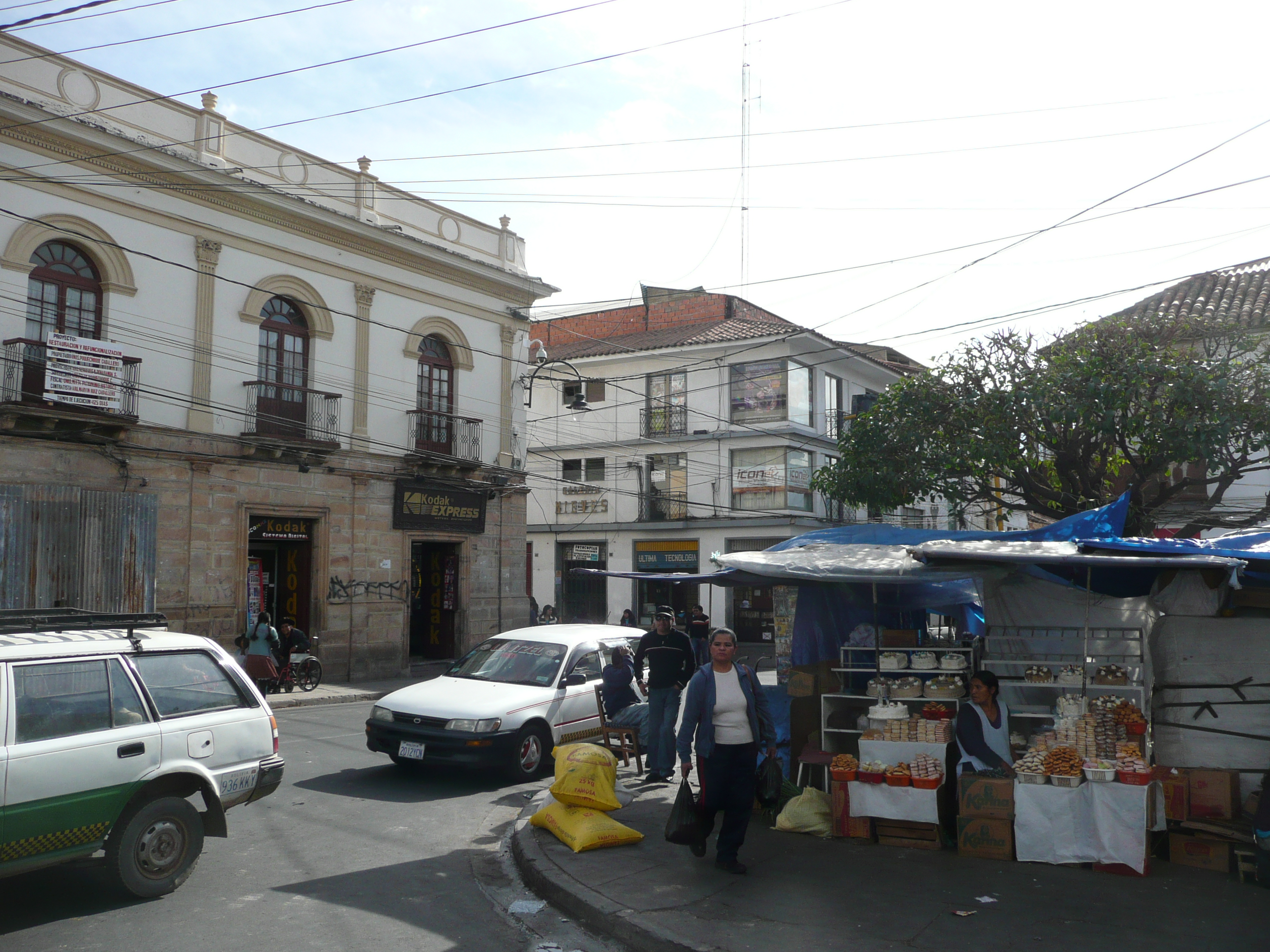
It’s very common to buy cake to go, just like this, popped inside a plastic bag. We saw many students walking along eating cake like this. It tasted pretty good too.
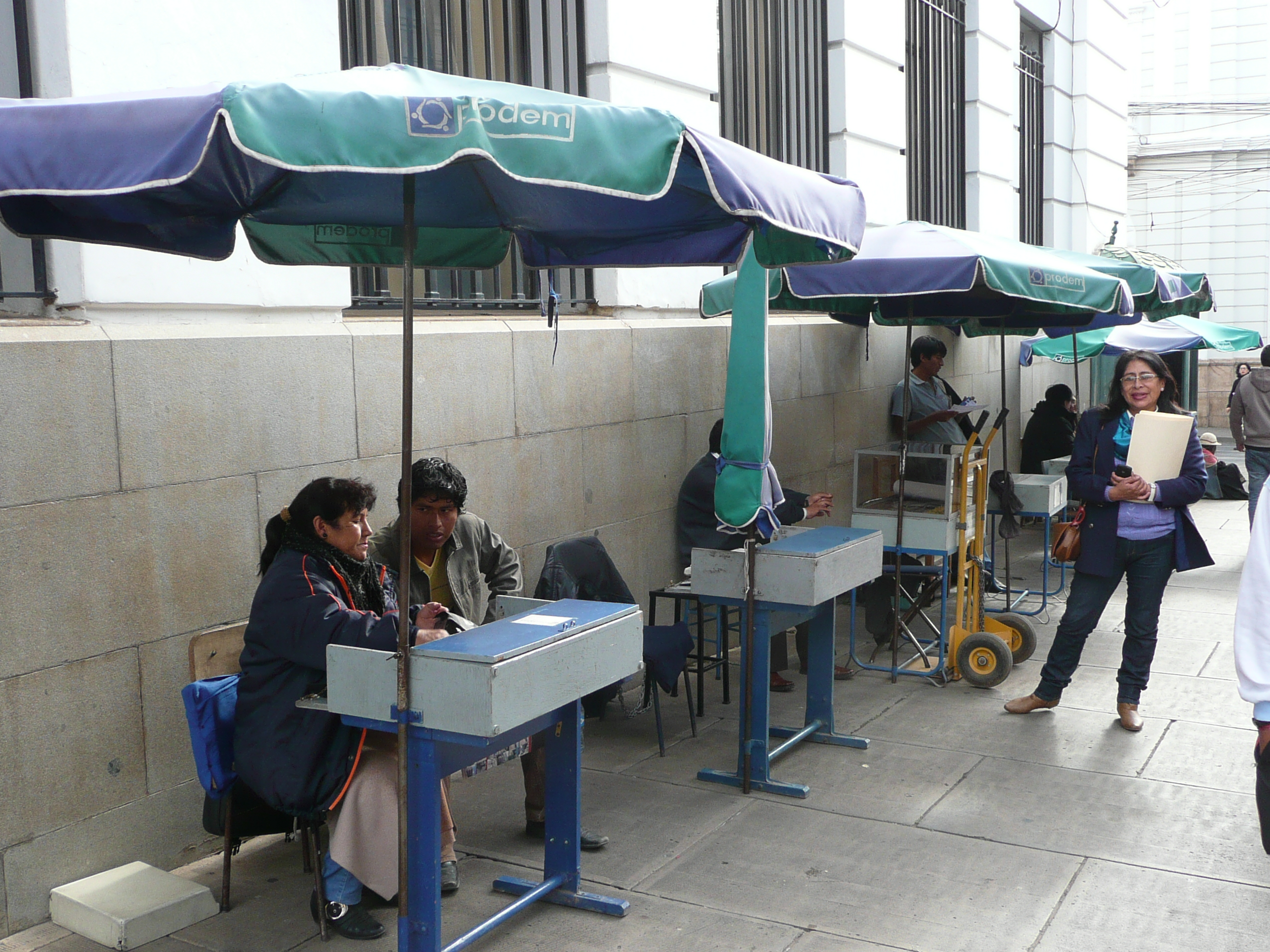
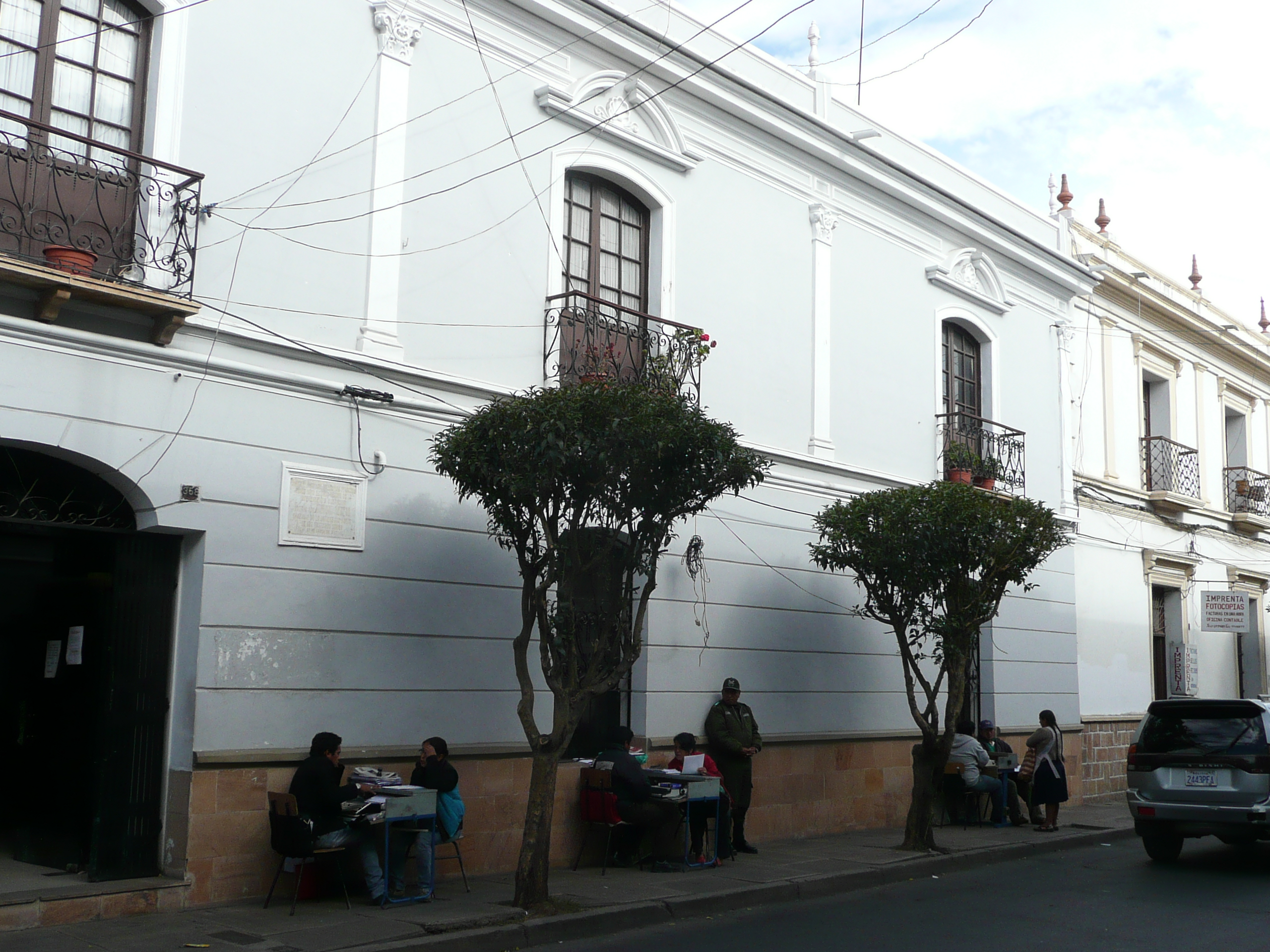
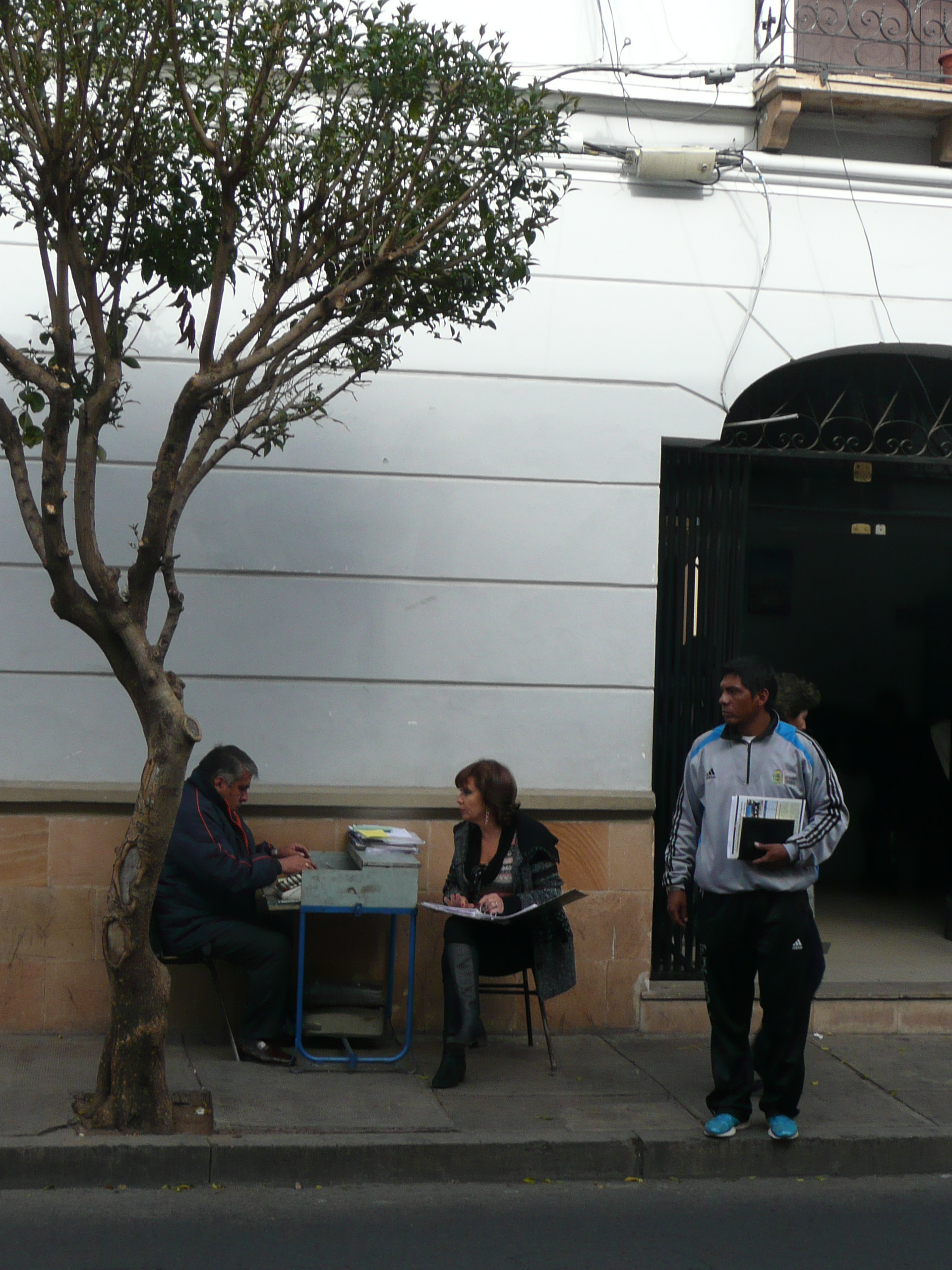
We saw these everywhere in Sucre, and they are for people to come along and get some business admin done by the people at the desks.
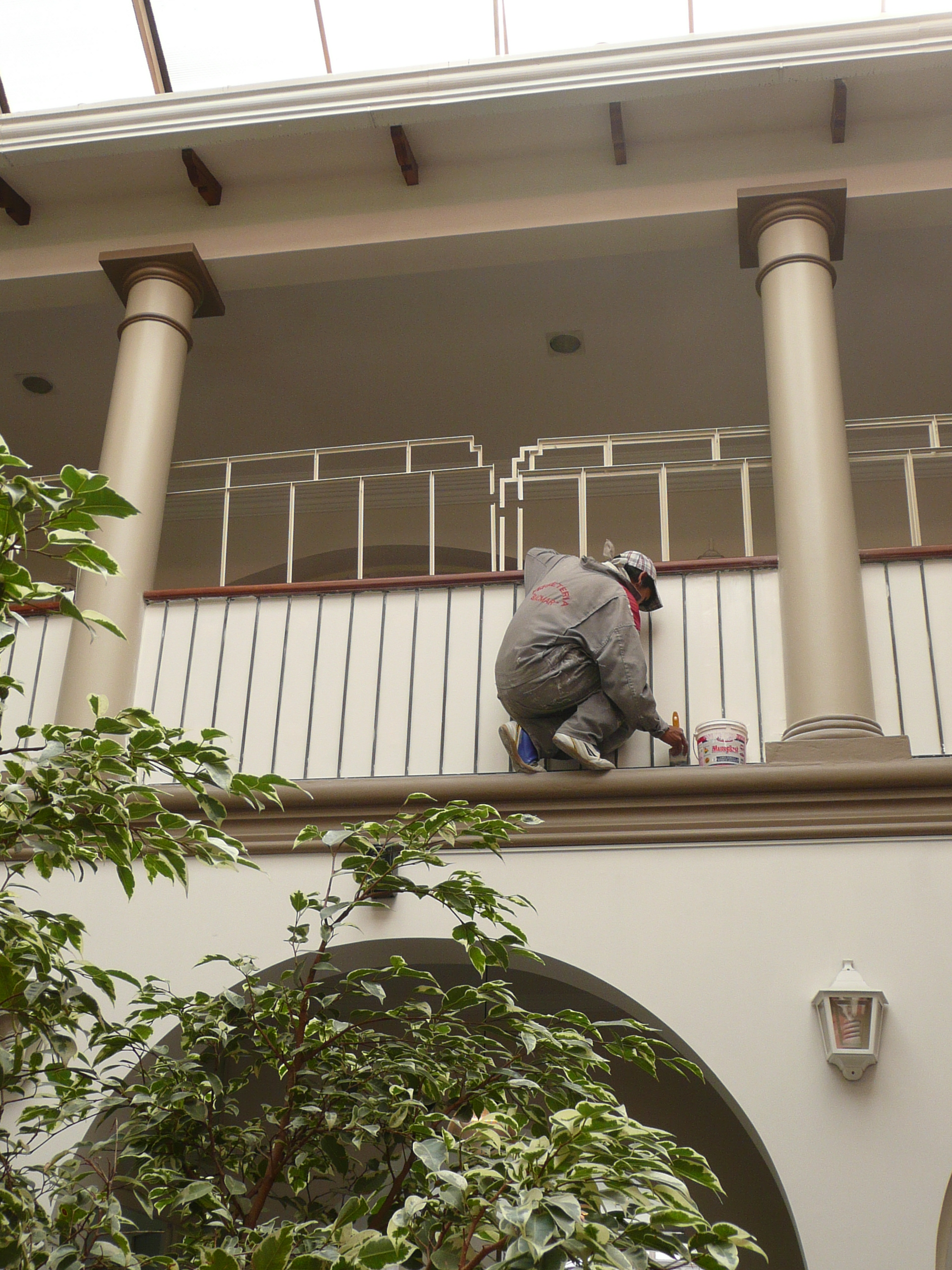
This paint job looked pretty scary!
Hi Guys
Like the post, sorry to here about your tummies! Looks like some amazing buildings out there.
Travis Cottreau liked this on Facebook.
Amy Lane liked this on Facebook.
Mike Smith liked this on Facebook.
Sabrina Pick liked this on Facebook.
Goed dat jullie je rust hebben genomen. Hopelijk hebben jullie genoeg weerstand opgebouwd om de rest van de reis geen last meer te hebben van de maag. Goede reis en geniet er nog maar even van. Mooie fotos. Jullie moeten echt een hondje[ of kat] zoeken. Groeten.
The blog is great. Pictures of julia please
Downloaded the ubet95 app earlier. Pretty seamless experience so far. Fingers crossed for some big wins! ubet95 app
Decided to finally check out Lasbet casino and I’m pleasantly surprised! Good selection of games and no lag issues so far. Seems legit! More info here: lasbet casino
Need the mmy apk? Found it at mmygameapk.com! Quick and easy download. Check it out: mmy apk
Login is fast and the games start instantly. No lagging or crashes which is exactly what I need when gaming. 168jililogin makes everything so effortless.
Best betting experience I have had recently. The interface is clean and the betting options are quite comprehensive. I feel very secure playing here. Check out vn989bet.
Really enjoying the current promotions. The gameplay is fluid and the wins feel rewarding. Jump into pkq98 and see for yourself.