After driving for a couple hours on Bolivia’s altiplano (highlands) we came to the first sizeable town and decided to try if we would be able to buy fuel. It was the state owned fuel station YPFB, which apparently is the most difficult one for foreigners. The woman didn’t seem very enthusiastic and when we asked how much the fuel was, she responded with the international price of 9.12 per litre. And so the negotiations started with me repeatedly saying ‘Muy caro’ (very expensive). After promising to pay her a tip and having her boss involved we were allowed to fill up for 7,5 per litre. Not bad for a first time, but there was room for improvement.
Our goal for the first night was a hotel in Oruro that according to fellow overlanders ‘Life Remotely’ was one of the few places with secure parking. Getting into Oruro wasn’t easy though. Just outside of town the highway all of a sudden was clogged with buses and trucks and utter chaos. We tried to zig-zag our way through this as this was obviously the main road into town, but eventually got stuck. Someone knocked on our window and gestured back to a little hill where we had to cross a drain and follow dirt roads around the impromptu bus terminal to get into town. Having no idea where we were going we just followed the majority of the cars and after five minutes we were back on the main road. Driving in Oruro was bad, chaos. In front of us a collision happened, but we were able to go around it. We found the hotel and were allowed to park within the gates. We immediately went out for dinner and ended up at another Hare Krishna place. Walking around Oruro was very interesting. Lots of stalls on the street selling all sorts of goods and little ‘restaurants’ where typically a woman would sit on the side of the road with a little stove and some ingredients in front of her and in front of that (on the road!) a couple low benches. People would sit down on these benches and the woman would then cook their food for them while they watched.
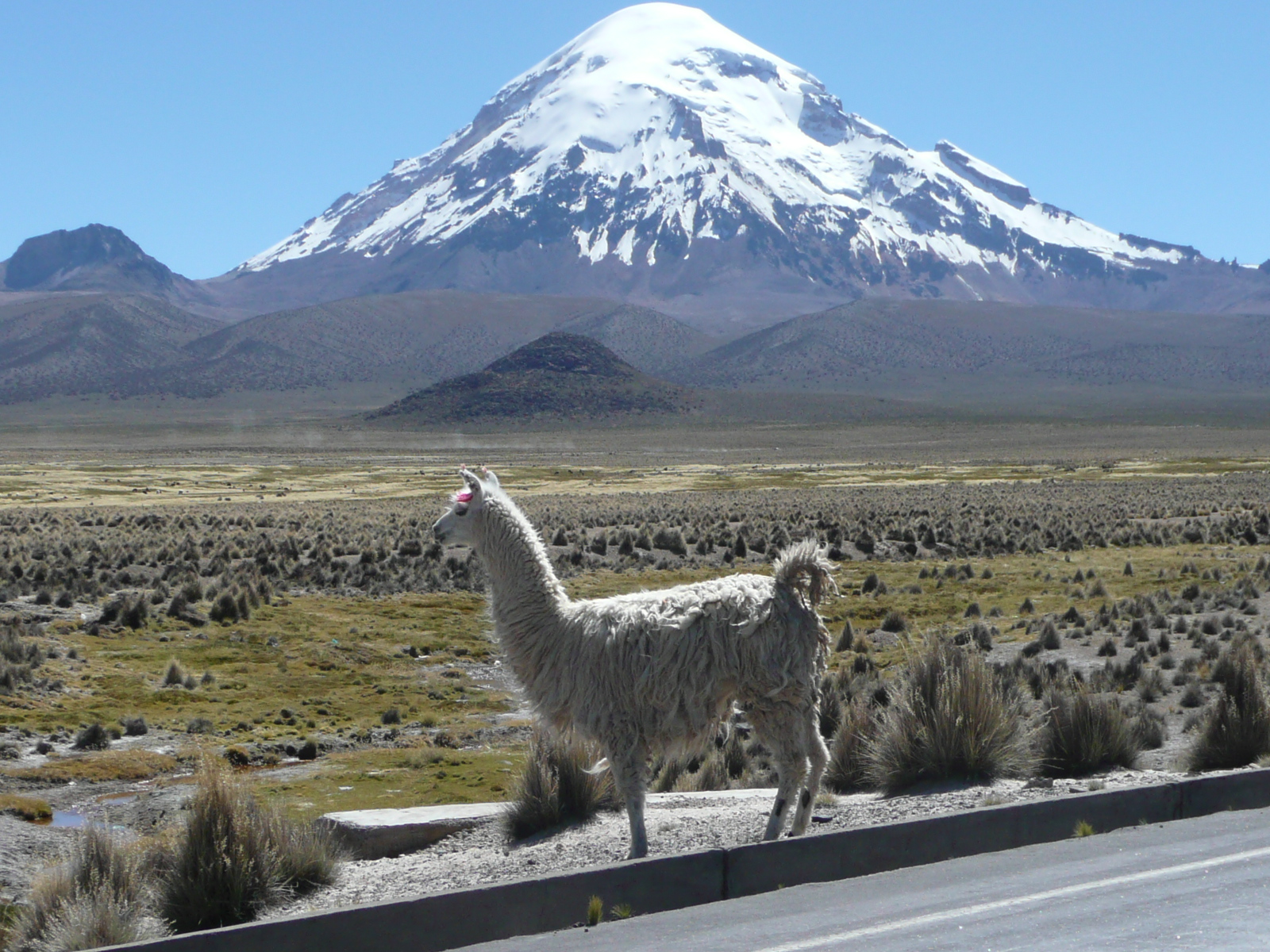
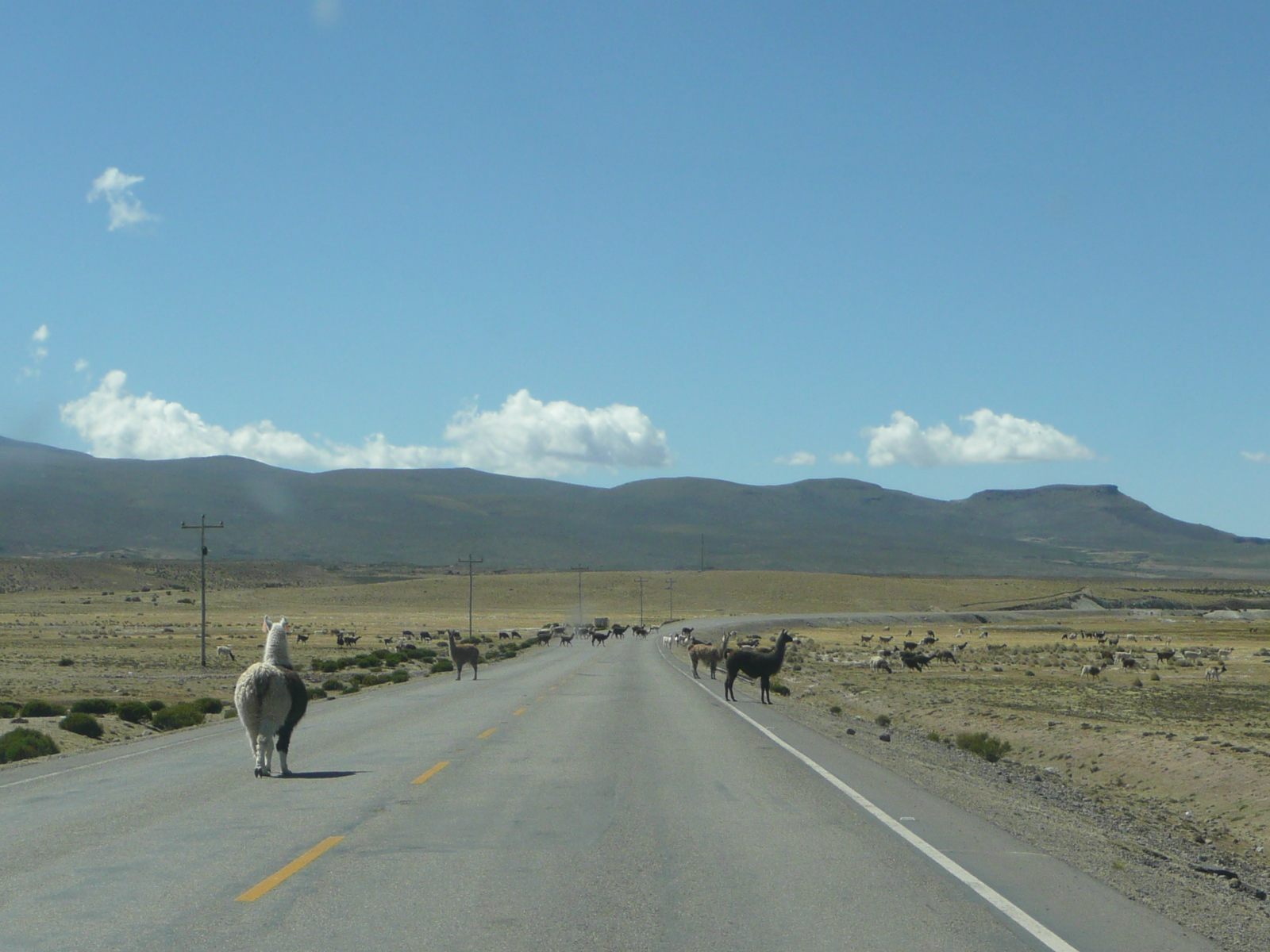
It doesn’t get more Bolivian than this: Llama with fluffy red earrings, altiplano and volcano
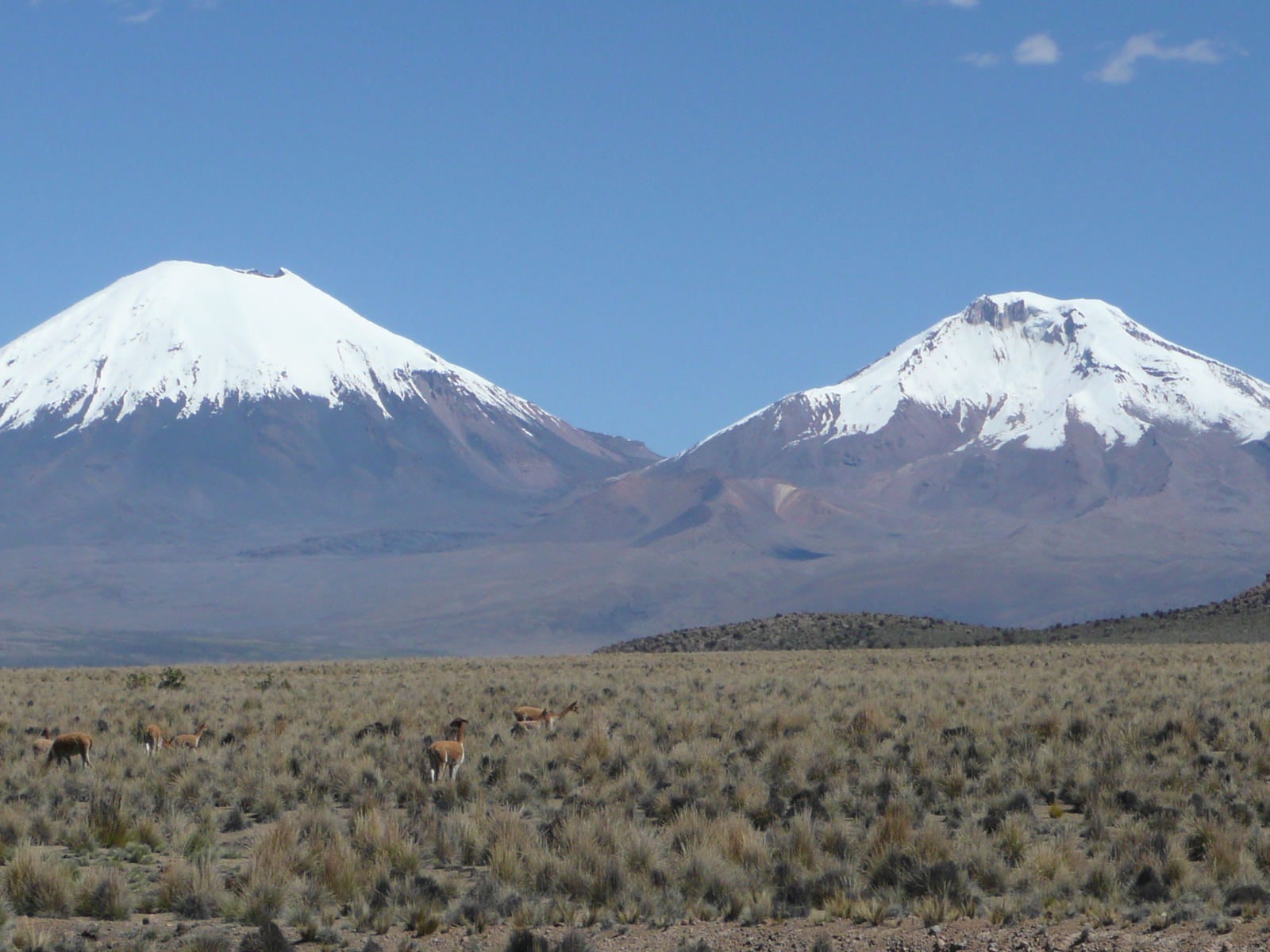
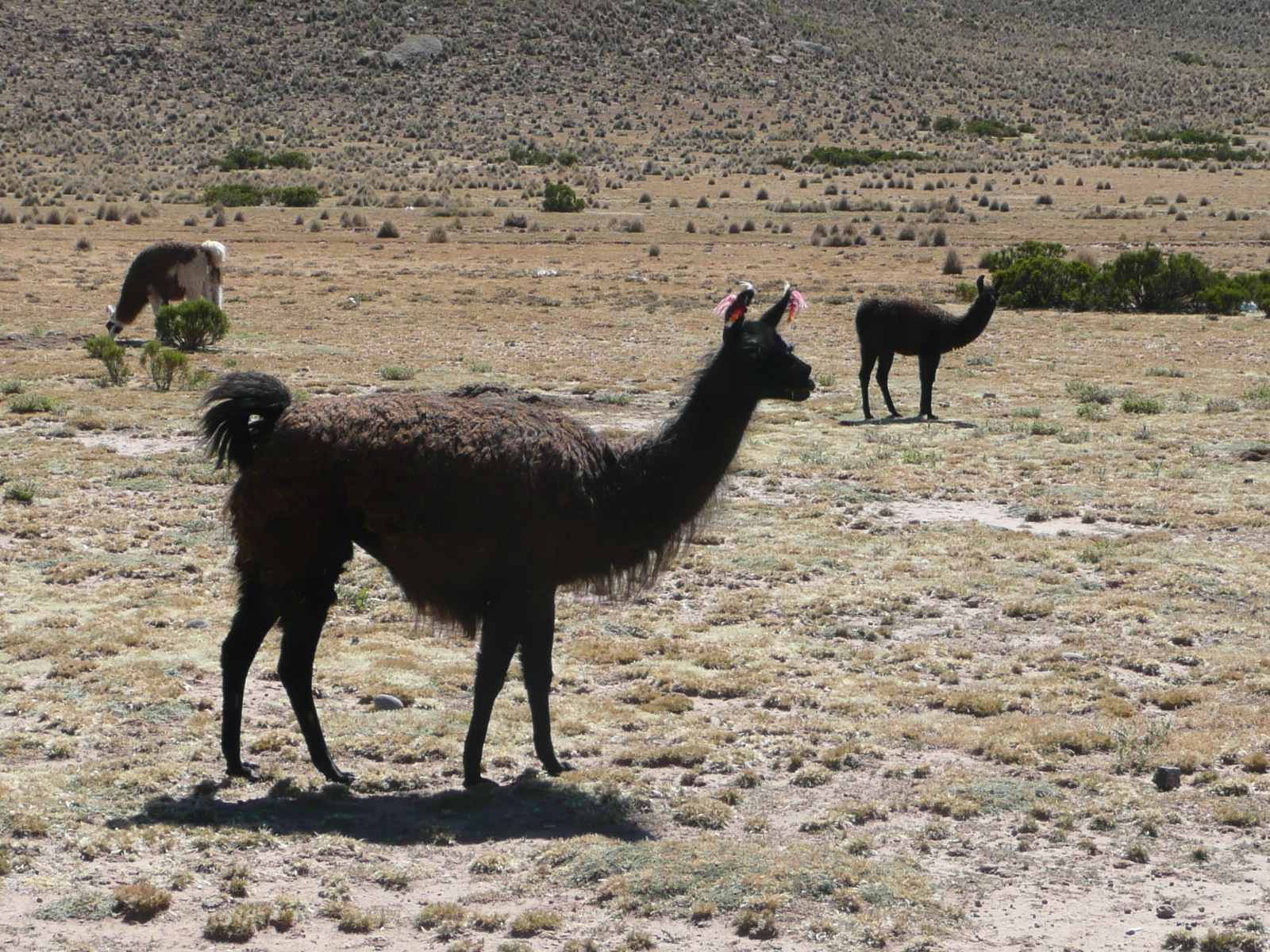
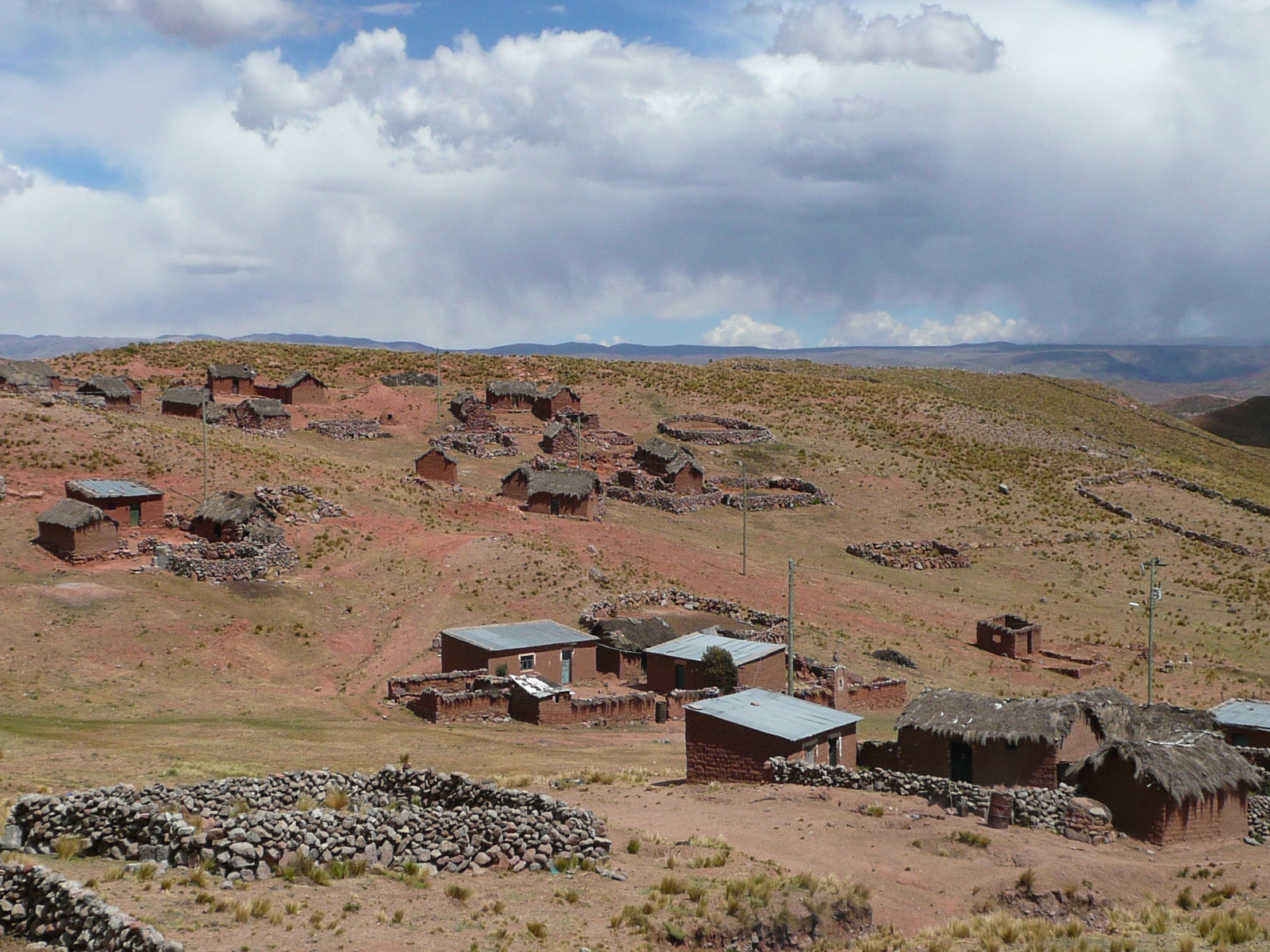
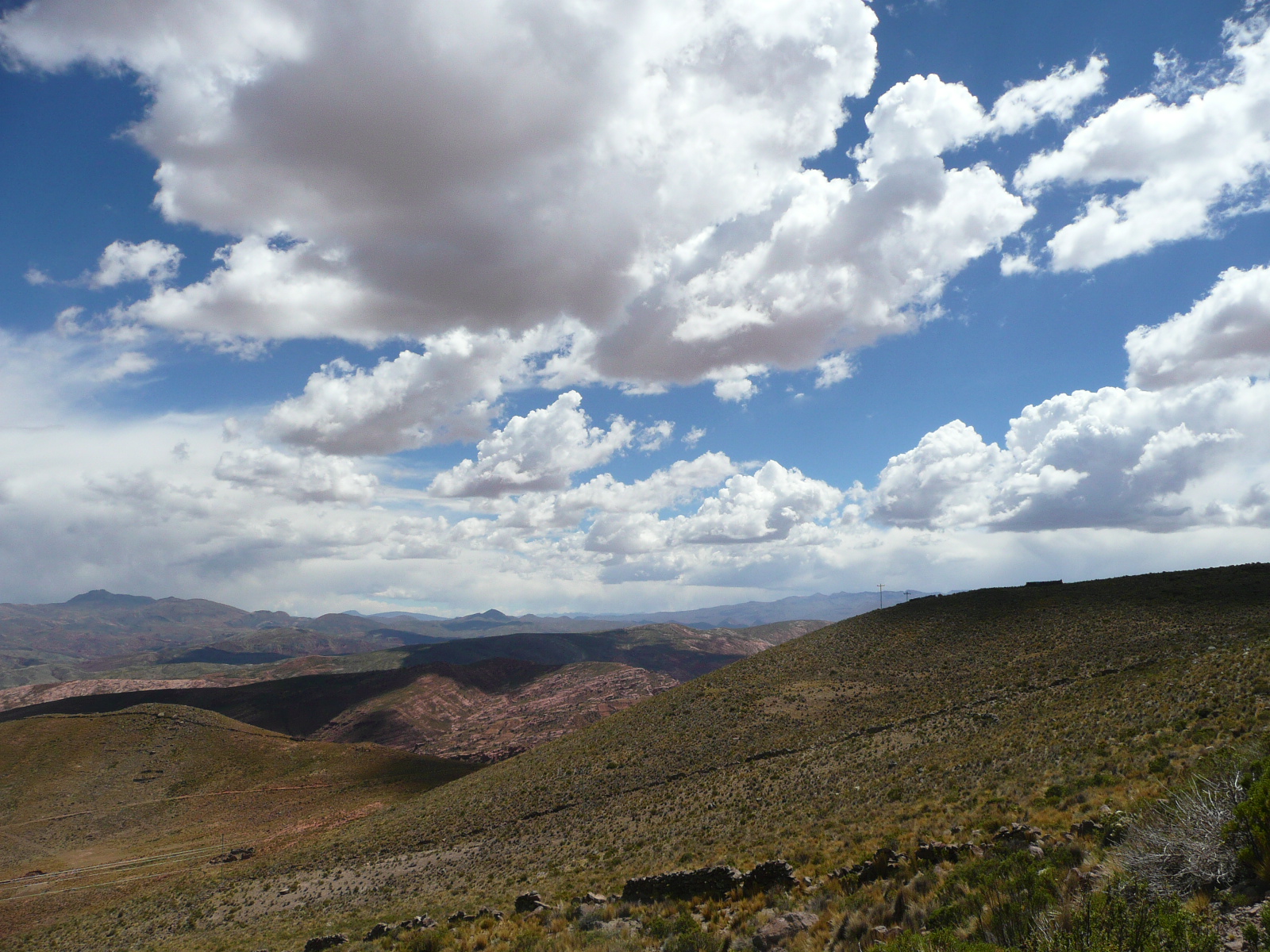
We drove through some villages where the houses where very basic and the people poor
The next day when we wanted to leave the hotel for our drive to Sucre, we had to ask the hotel staff to move some cars so we could get out. A hotel employee had to drive a fancy Toyota FJ Cruiser backwards out of the gate. We were wondering if he was going to manage as he had problems starting the car and getting it in gear, he also didn’t fold out the mirrors. When he got the car going in reverse, he drove it straight into the gate… The car that was in front of the Cruiser, reversed hard, without looking in his mirror, thinking the Cruiser was gone and smashed at decent speed in the front of the Cruiser… Neither of these guys as much as blinked an eye, or got out to inspect the damage. We watched this all happen and decided there and then that we would never give our car keys to a hotel employee!! We later learned that in Bolivia you go to a government office and pay 300 Bolivianos and they give you a drivers licence, meaning that no one gets trained in how to drive or knows the rules. This would become quite apparent while driving in Bolivia. Biggest problems are that drivers don’t look, don’t indicate (at all!), there is no logic to roundabouts, a lot of cars and especially motorbikes don’t have lights at night and to top it off, every city has its own set of traffic rules.
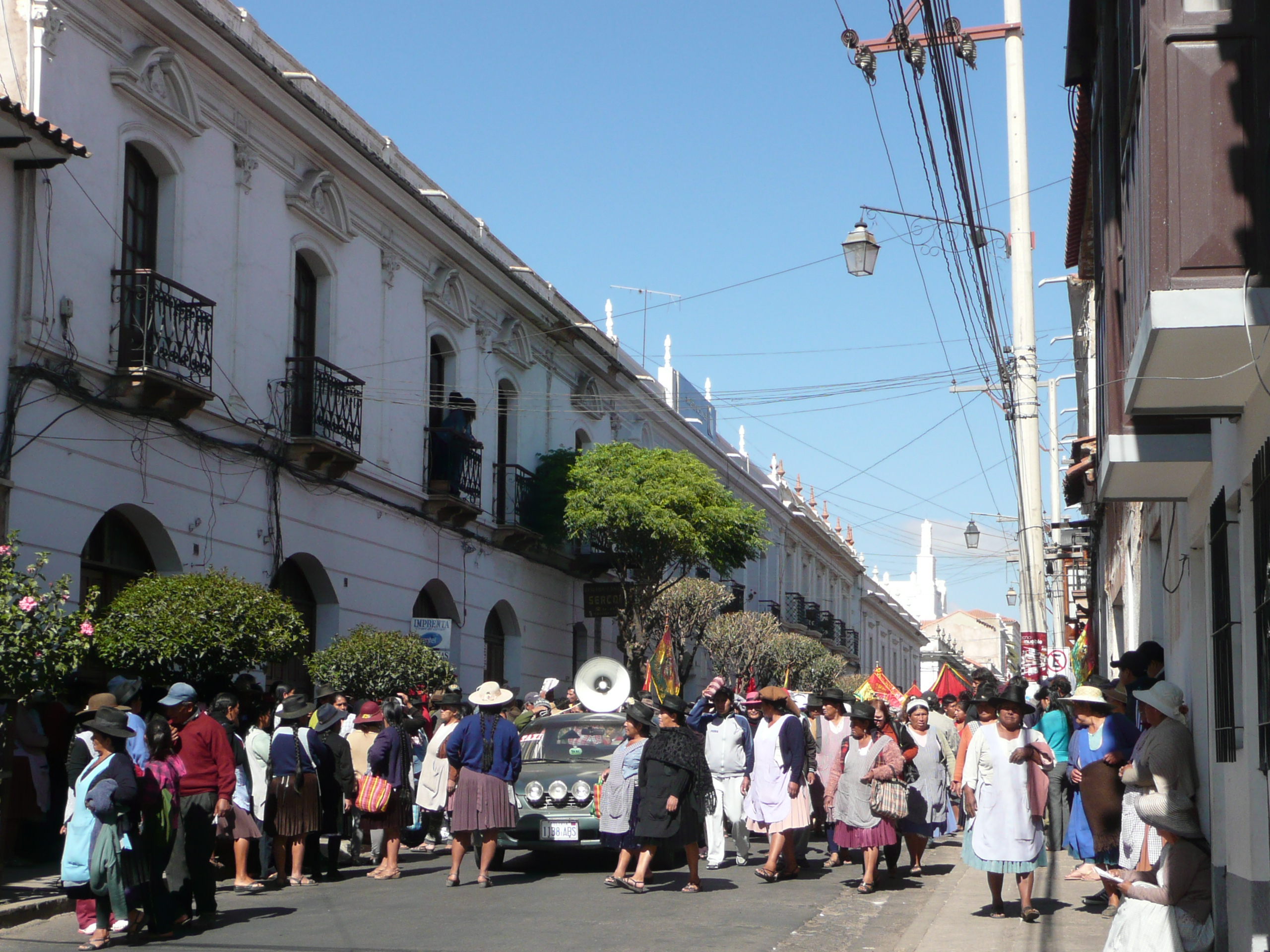
New day, new protest. Every day there are protests with loud firecrackers. Last week all roads in and out of town where blocked by protesters for EIGHT days. A lot of people don’t pay tax and the government wants to change that, but the people don’t, so all over the country cities are locked down by blockades.
We had a long day on the road trying to reach Sucre. We tried a shortcut, but turned around after seeing the state of the road. Instead we drove a lot more kilometres, via Potosi, but had good paved roads the whole way. We got stopped a few times by police and once by an immigration official, but just pretended again we didn’t speak a word of Spanish and only gave them copies of our documents to look at. We also needed fuel again and I wanted to try a new tactic. It didn’t work at the first fuel station, but at the second one after some small talk I asked the fuel attendant how much the fuel was. The answer was ‘9,12 because you are a foreigner’. This time I was better prepared and showed him a copy of our car import paper from customs with all sorts of stamps on it and told him ‘This is an official document from your government which allows us to fill up fuel at local rates. See the plate number is the same as on the document. And I will pay you a tip of 10 Bolivianos’. There was a bit of an uncertain look on his face, but then he smiled and started pumping fuel. We filled up for about 60 New Zealand cents/40 Euro cents a litre, now we’re talking!
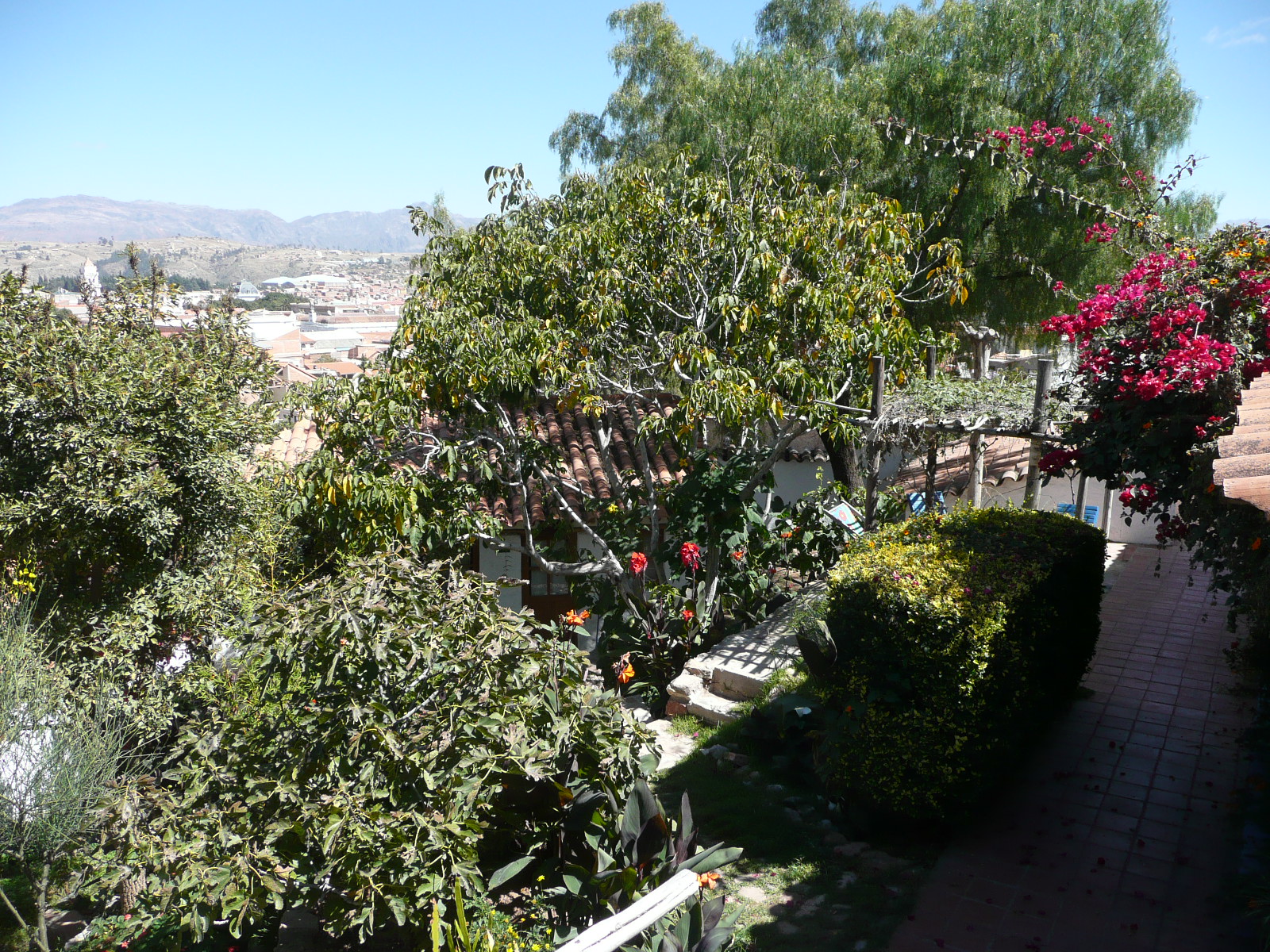
Our first impressions of Sucre were very positive, beautiful white colonial buildings and nice plazas. With some difficulty we found ‘La Selenita’, a hostel run by a French/Belgium couple. La Selenita was a good choice, nice ensuite rooms and common rooms and a beautiful sunny garden with views over Sucre. We had booked for three nights, with the idea to have a look around for a good long term place, but liked it so much we never bothered and negotiated a great long term rate. The next quest was to find a good Spanish school. We had heard good things about Fenix, which is also close to where we were staying, so we paid them a visit. All seemed good and both of us could start immediately for two hours a day from 11am till 1pm, each with our own teacher, so that was sorted as well.
The first couple days in Sucre we took it easy, but after that we immersed ourselves in the activities that Sucre has to offer. It is a very popular city with tourists, especially for people wanting to learn Spanish. There are lots of cafes and restaurants that are mainly focusing on foreigners, although Bolivians seem to like them as well. These places offer movies, show sport, have quizzes, offer dance lessons etc. We started off with a cooking class at our school, so we could meet some of our fellow students. Julia had to chop tomatoes and I had to peel potatoes, we didn’t learn anything else, because after all the prep was done we were ushered out of the kitchen to go and play ‘Uno’. After a long time the ‘Locro’ appeared, a sort of stew with pumpkin, maize, potato etc. We have also met up with people who we have met previously during our trip. Great to catch up and hear their travel stories. It seems that everyone sooner or later stops for a while in Sucre.
Meanwhile we had been struggling with our stomachs a bit. It wasn’t extremely bad, we were mobile, but it wouldn’t stop either. After some investigation from Julia we found out that most likely we were having ‘Giardia’, as a lot of the symptoms applied to us. You can get this from drinking water that has traces of sewerage in it, nice… So we dug into our medical travel kit, which has a ‘runs-flow-chart’ (aka the poo chart) and after following this we ended up with the Giardia box as well and the name of the pills we needed to pop. We are now doing a lot better, but our insides still seem to have a mind of their own sometimes.
Spanish classes have gone well so far. It is interesting to see the different approaches from the teachers as Julia’s classes are very different from mine. However, both of us are focusing a lot on conversation and learning a lot of new vocabulary. In two weeks our Spanish has improved a lot and we are now capable of having social conversation with people. It’s also a very good way of learning about Bolivia, we both don’t seem to be stuck for things to talk about with our teachers and cover lots of social, cultural, economic and political subjects. We both really start to appreciate the vast differences between a western country and Bolivia. Of course we know we are in a third world country and we see the differences around us on the street, but now we also get the inside story, hear about our teachers personal lives and some of the difficulties they have had to deal with.
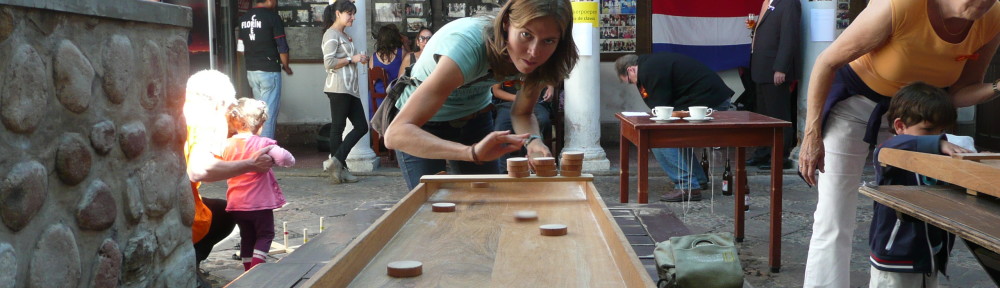
Last week we also had a more Dutch cultural experience as it was the Queen’s birthday and the coronation of King Willem-Alexander and Queen Maxima which was celebrated in Sucre in various cafes/restaurants. We had received an invitation for a reception at Florin, where the three Dutch owners and the Dutch Society of Sucre had organised a party. It all started at 10am with coffee and watching the coronation. Then a speech (which was a lot less painful then the ones given by the ambassador in Wellington!), a toast with champagne and an orange cake. In the meanwhile there were old fashioned games in the patio with games like nail pooing, sjoelen and sack running. Julia was a natural at sjoelen, but didn’t want to give the nail pooing a go. Sack running on the cobble stones didn’t seem a good idea, although we have heard the dentists in Sucre are actually quite decent.
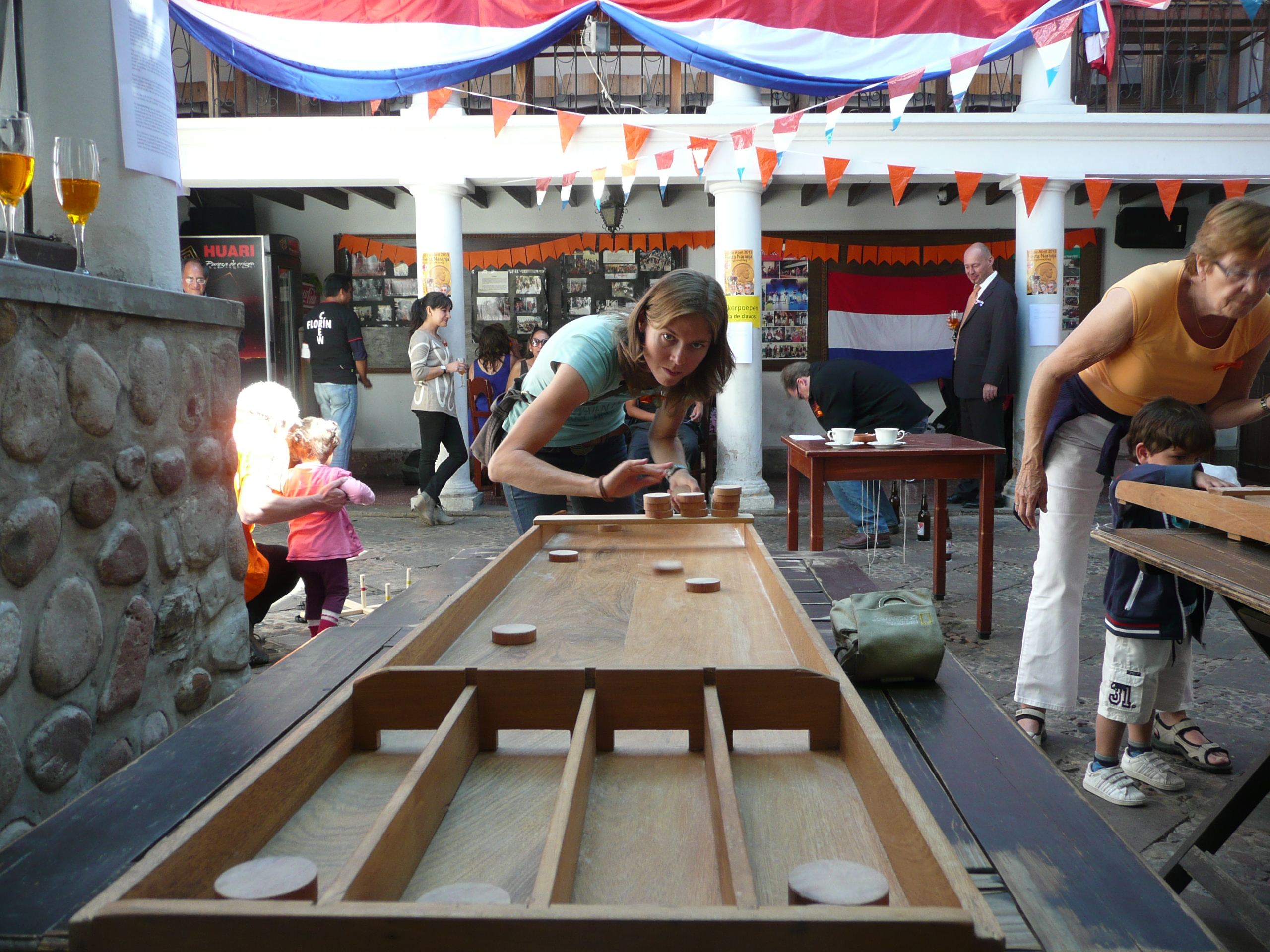
Julia showing how it is done!
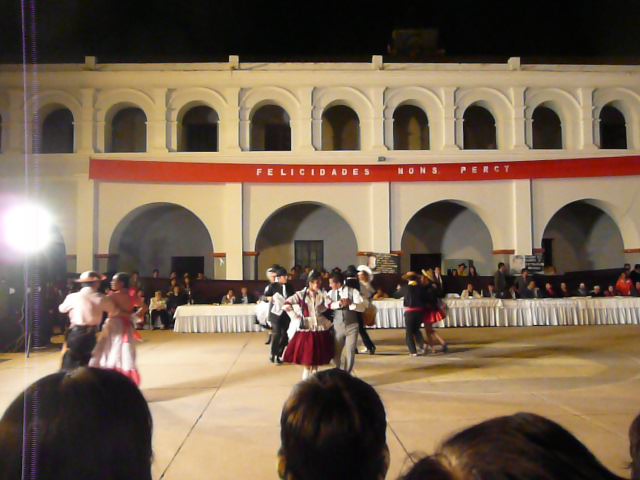
Having eaten an awesome Dutch pea soup the night before in Café Amsterdam, we decided to go back on Queen’s birthday again, this time for kale with potato mash (boerenkoolstamp) with sausage, no Unox, but a chorizo instead. While I ate the traditional Dutch food, Julia ate traditional Mexican food, I couldn’t tempt her! At night we went back to Florin for the party there and just heard the last bit of a Bolivian band which sounded really good. The singer came over to us afterwards for a chat and we asked if they would play in Sucre again. He said ‘Yes tomorrow at 8pm at the college, we’ll wait for you’. So the next day we showed up there and were amazed. It was a goodbye party for a very senior Roman Catholic priest. We were the only white people there, which is unique in Sucre. School kids were serving (free) food and drinks. We had a very small lady who adopted us and made sure we got our share, there was no refusing, which was quite comical as Julia got forced some meaty food upon her which then discreetly had to disappear in my pockets (and later donated to homeless people on the street). The music was great and after that the programme continued with dance performances with the traditional costumes of the various provinces. Quite the show!
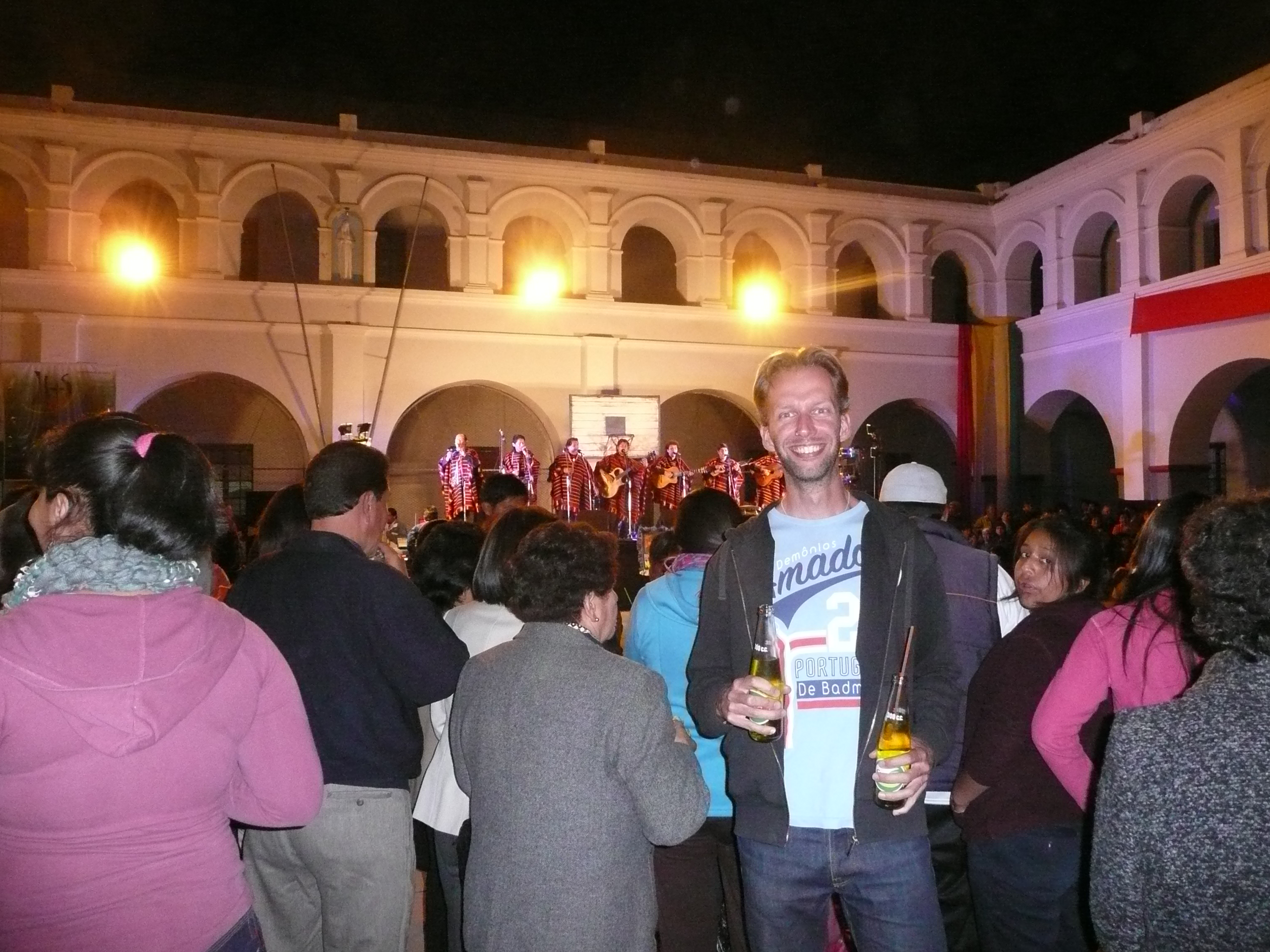
Party with Bolivians, great band in the background
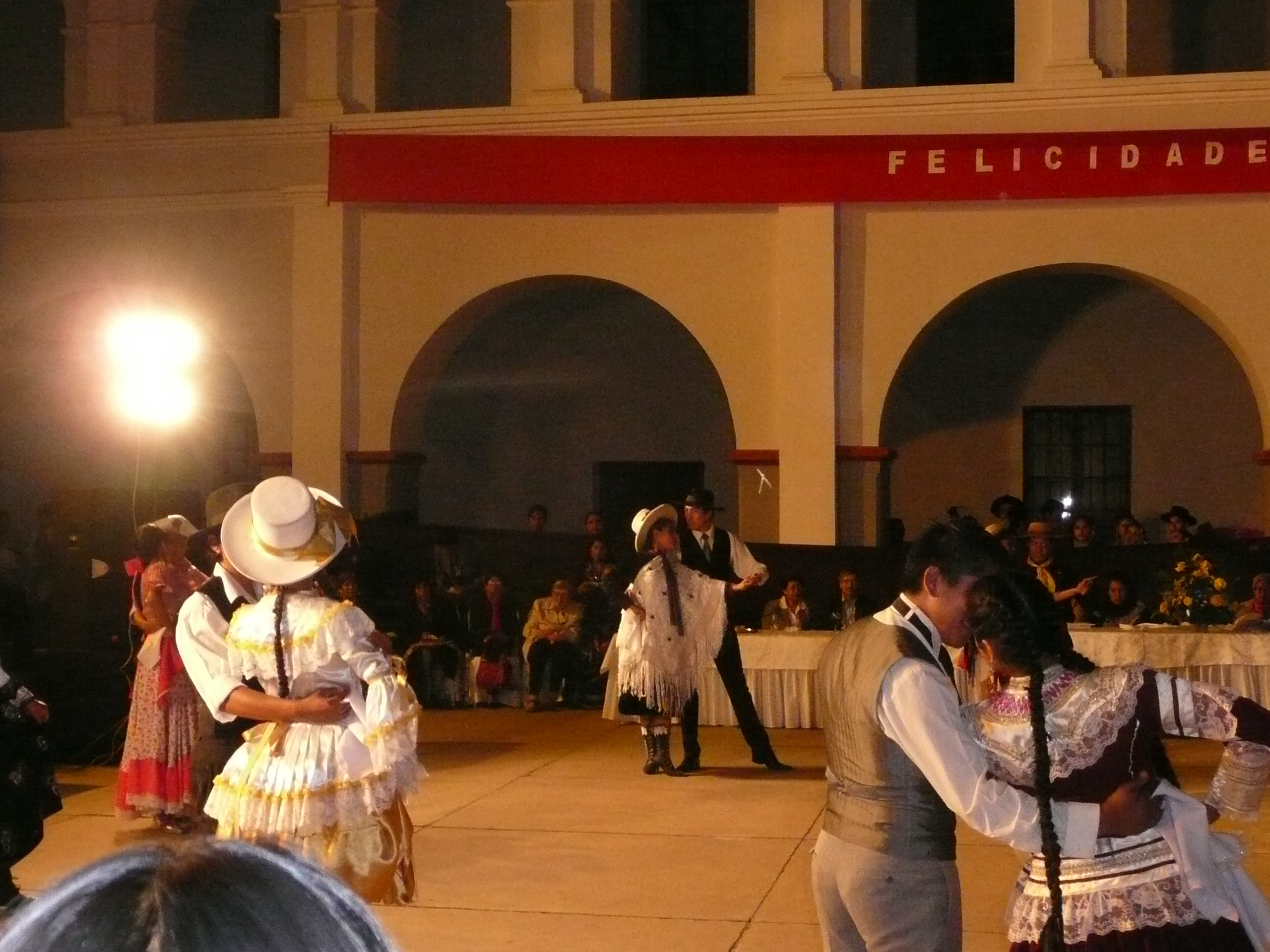
Lots of dance, with differents traditional costumes for the different provinces of Bolivia
A lot of our shopping we have been doing at the Mercado Central, a covered market where you can get almost anything (Bolivia doesn’t have many supermarkets). It is a large building in which people sell fruit, veggies, meat, bread etc. Nothing is refrigerated, so you have to be a bit careful. Some places have stacks of butchered chickens just lying on a counter or whole chunks of cow. Julia has her own supplier, Gaby. She’s a very sweet lady who sits in her indigenous clothing in the middle of her vegetables, but when she sees Julia coming (and me shuffling along) she gets up and calls her ‘Mamasita’ shakes our hands and gives us two kisses. Then Julia says what she wants and Gaby gets everything for her. When done, she gives us some freebees, comes out of her stand again, more handshakes and two more kisses and we are on our way. Now, have you ever been kissed by the girl stacking veggies in the New World or Albert Heijn? No, didn’t think so!
We’ll stay a little while longer in Sucre as we really enjoy our time here and the warm winter days (sunny and 25 degrees every day, no exception)!
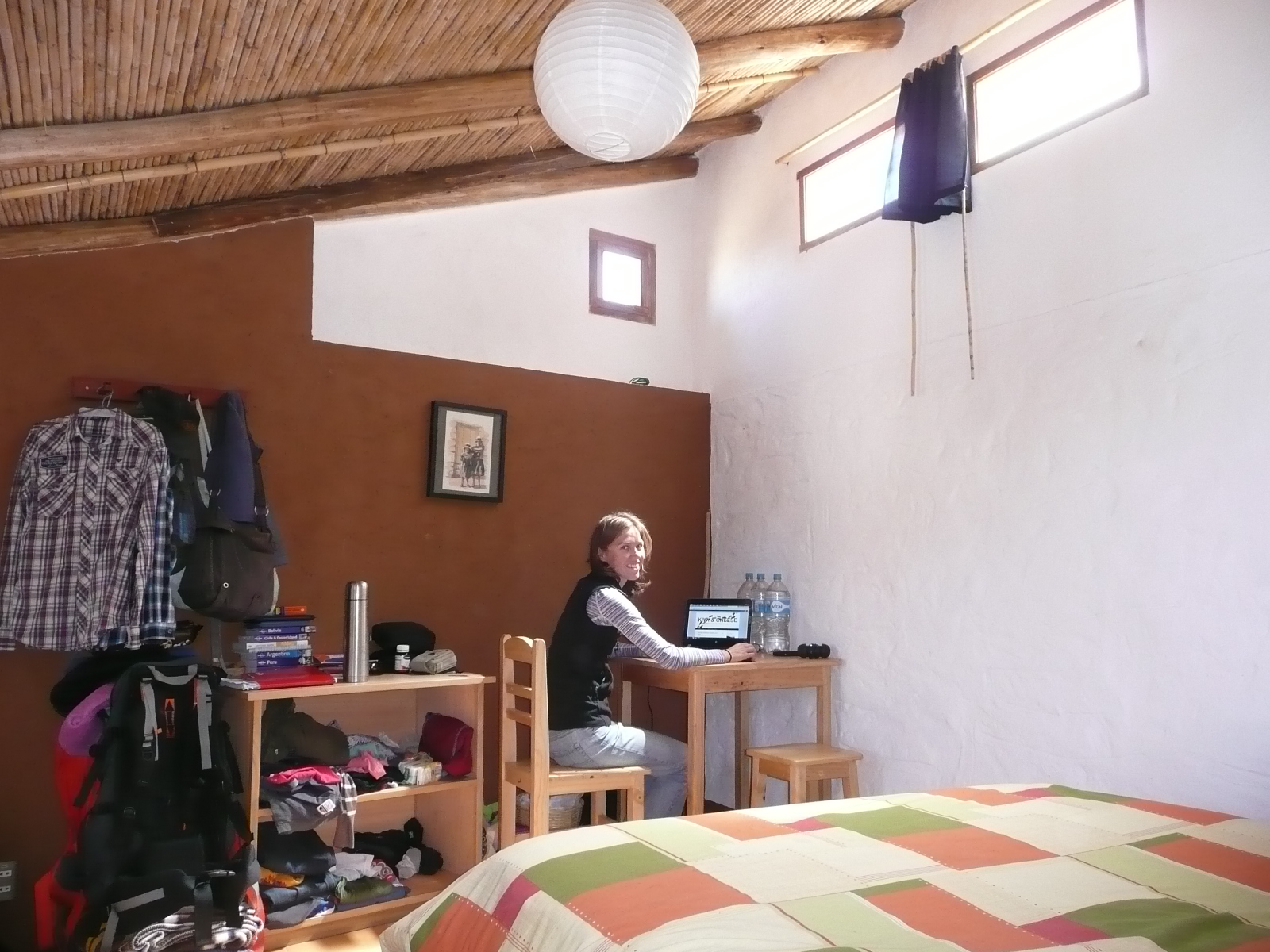
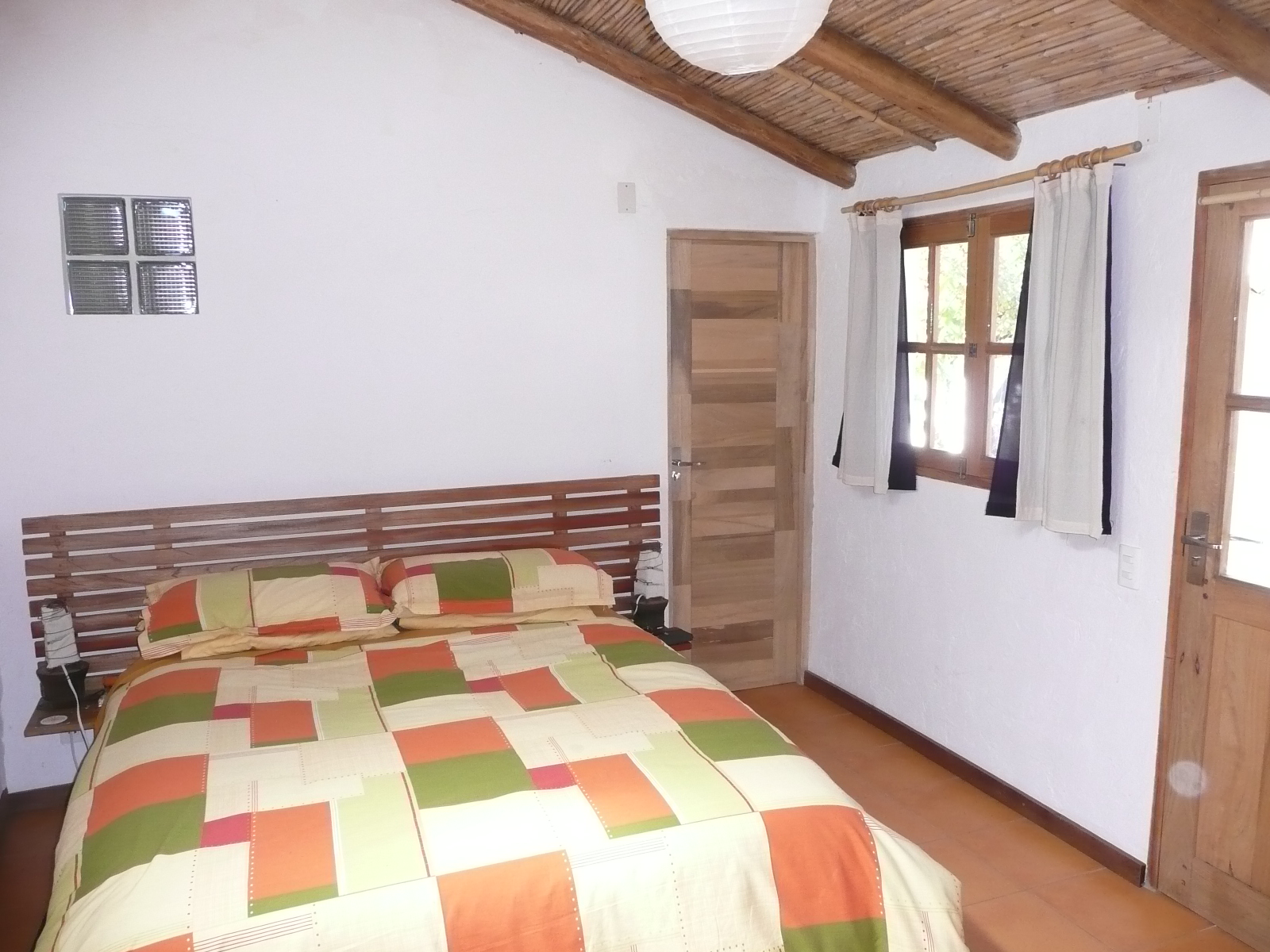
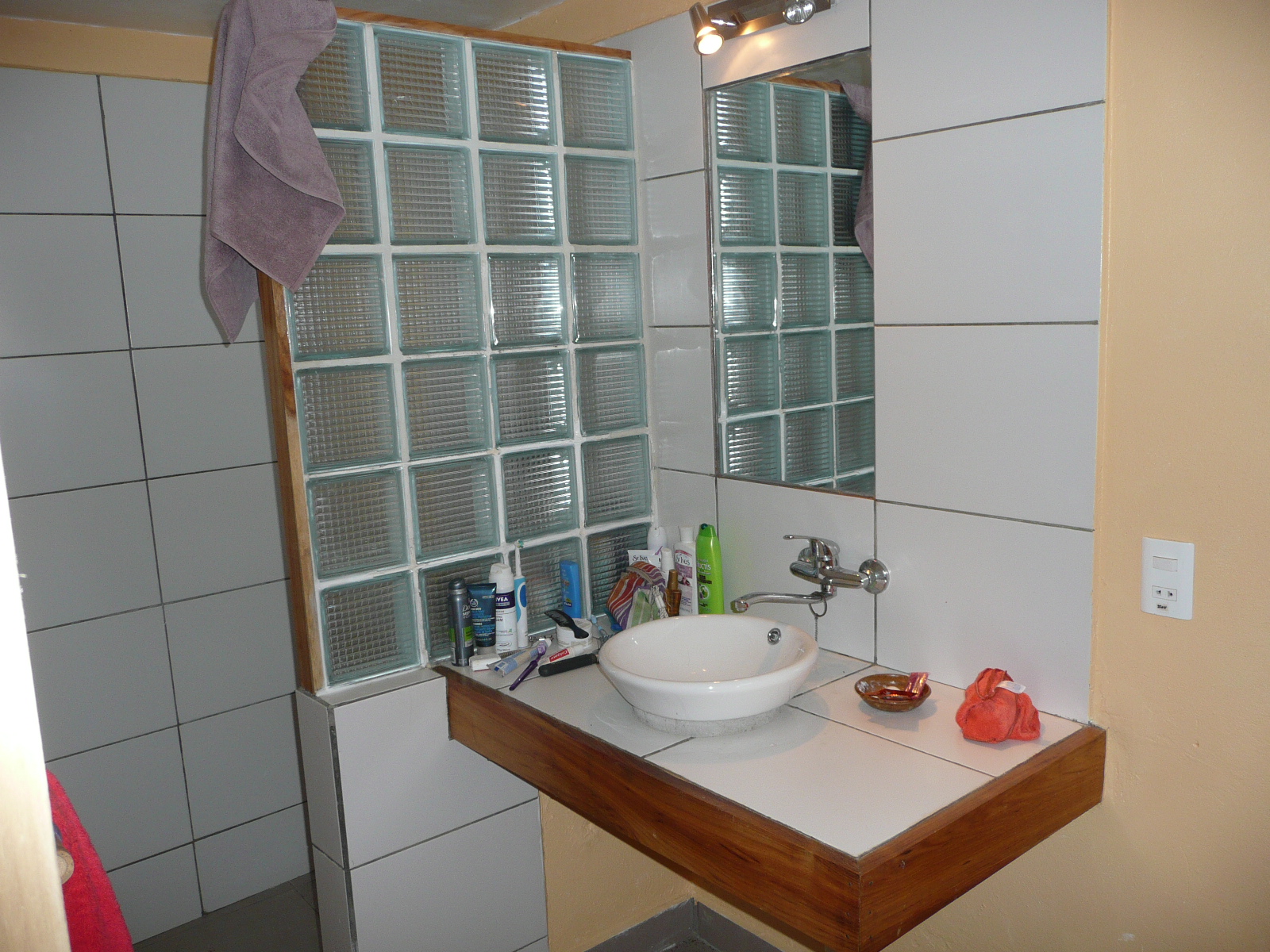
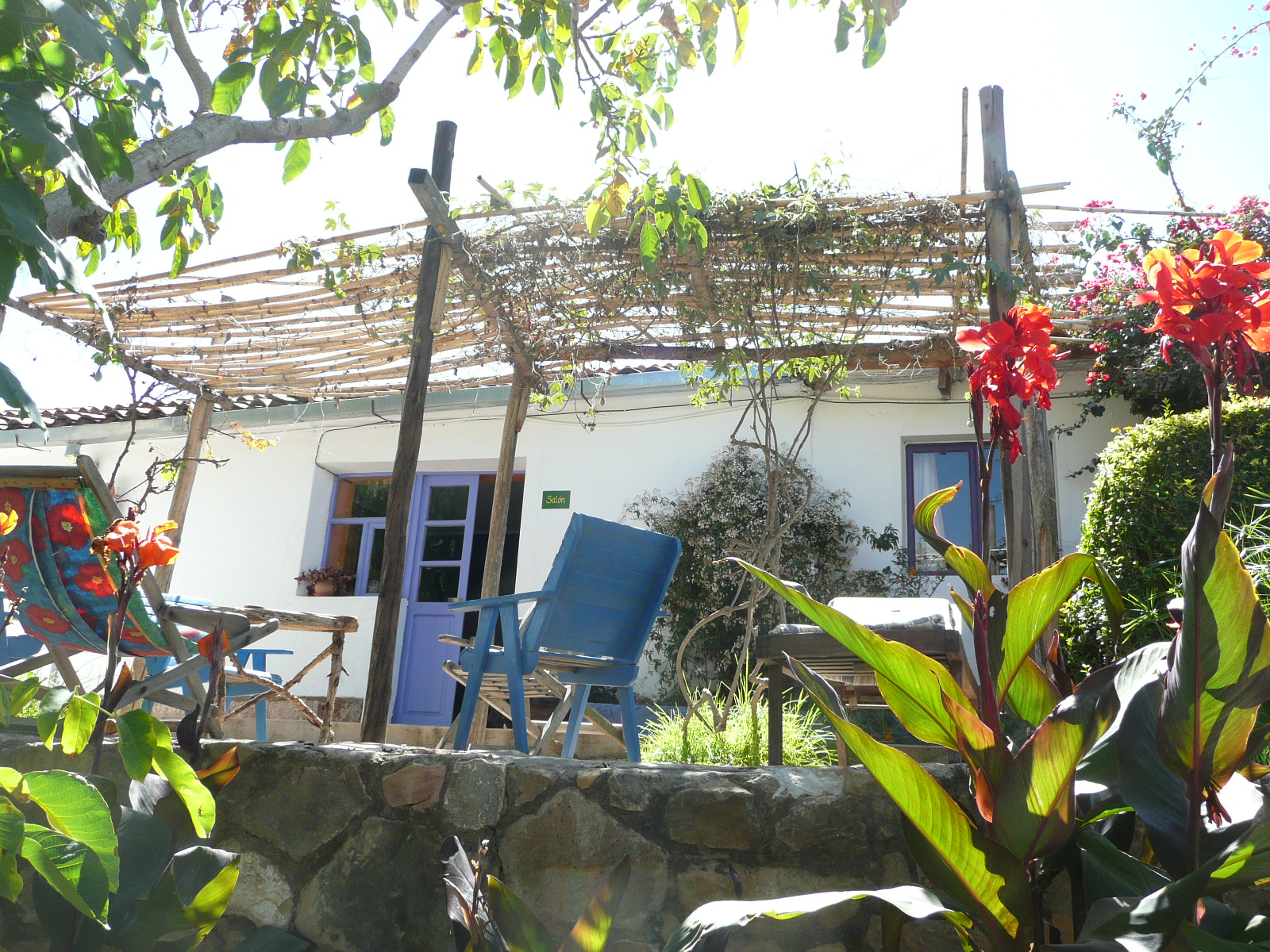
These photos are of La Selenita, our accomodation in Sucre. This is our comfortoble cabana for our stay in Sucre.
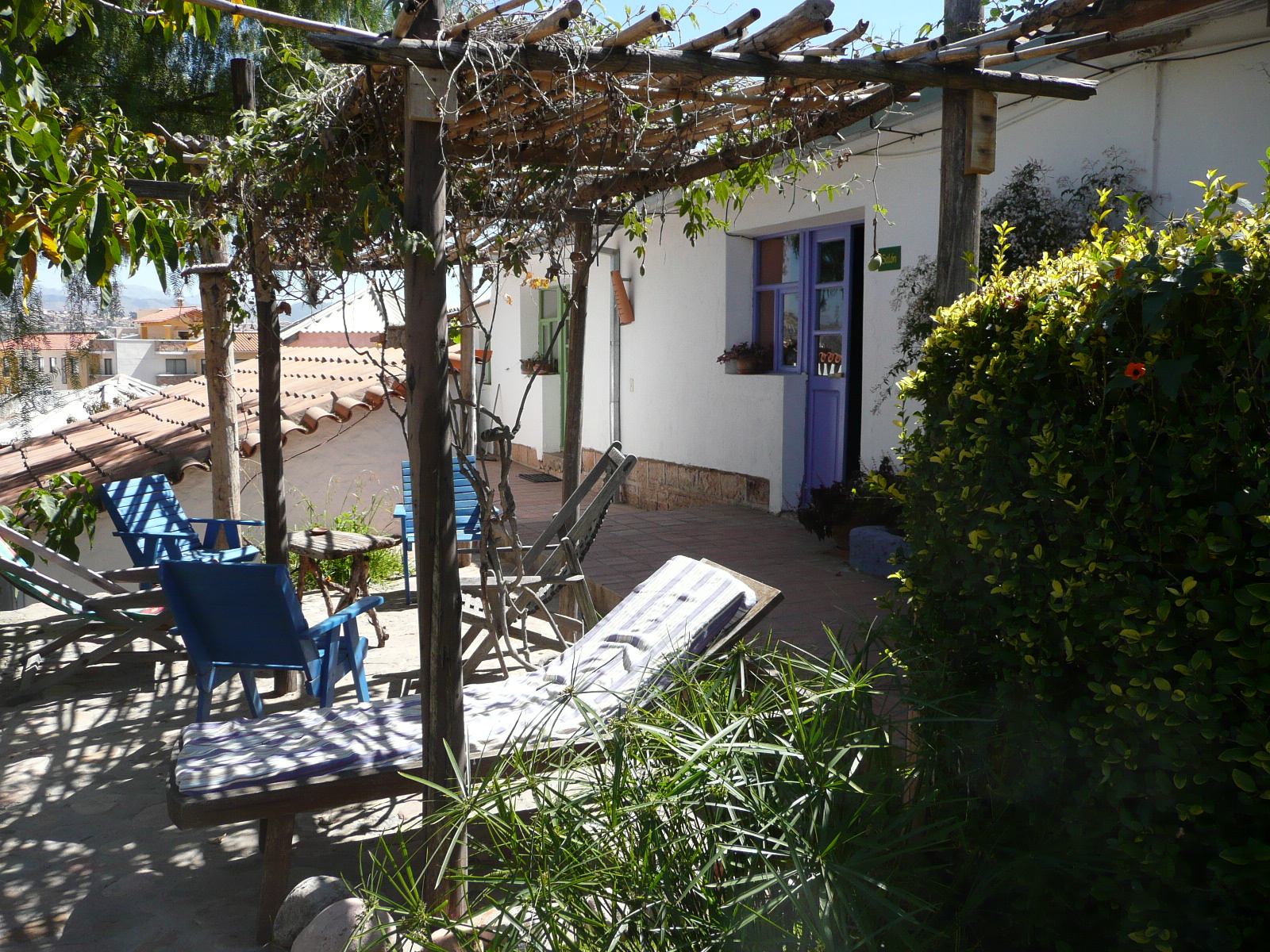
This is where we hang out a lot
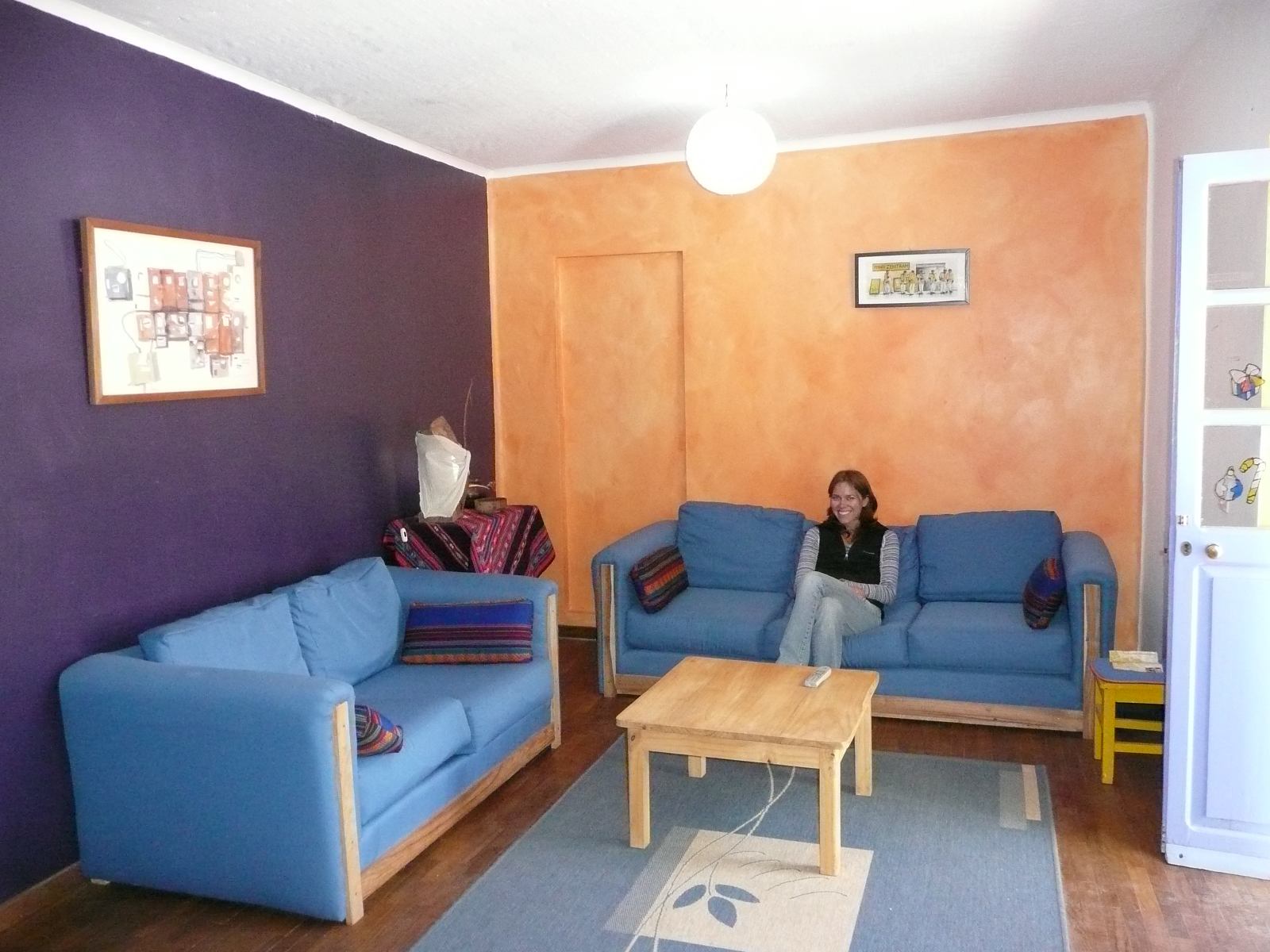
The lounge
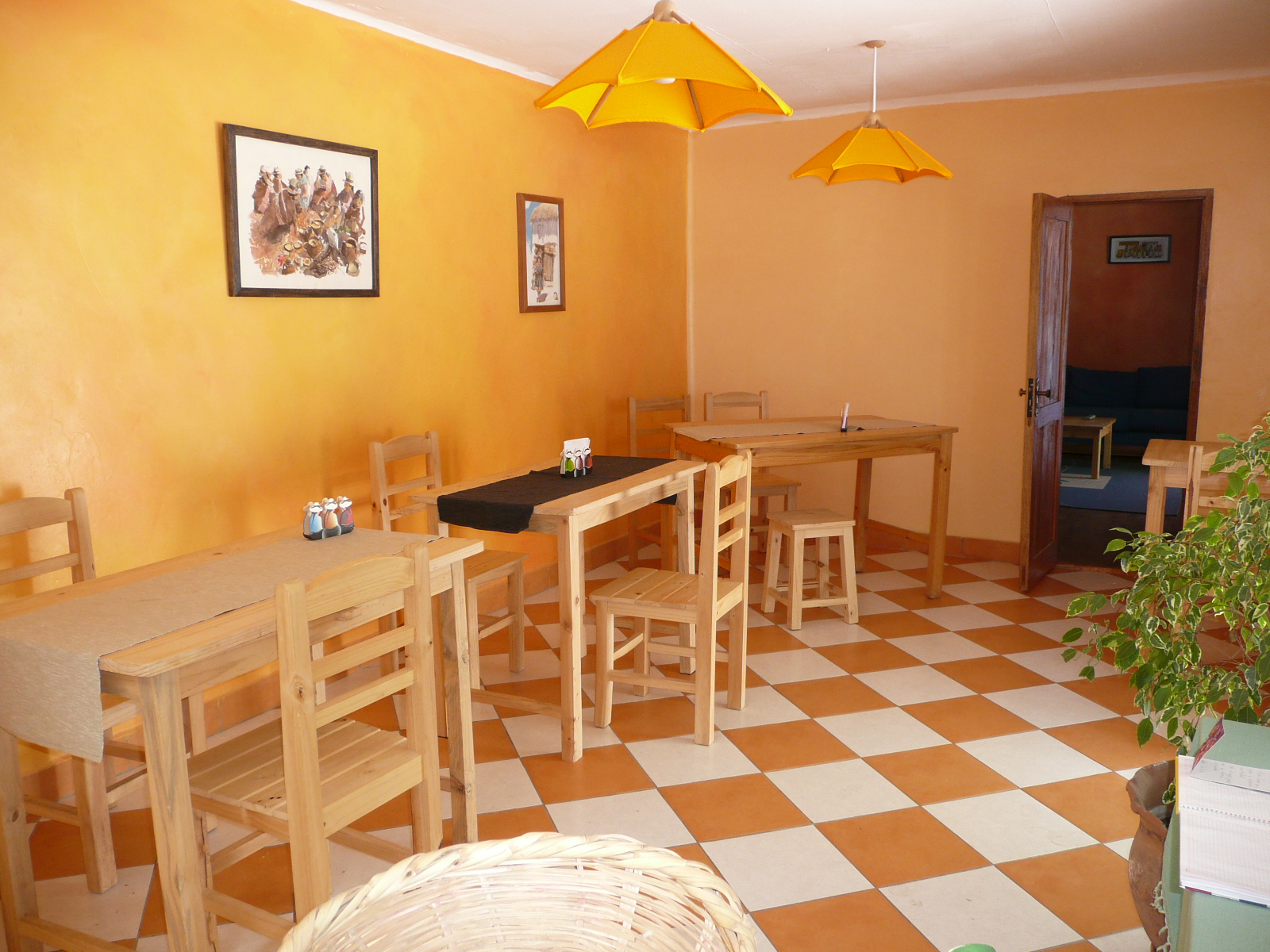
The dining room
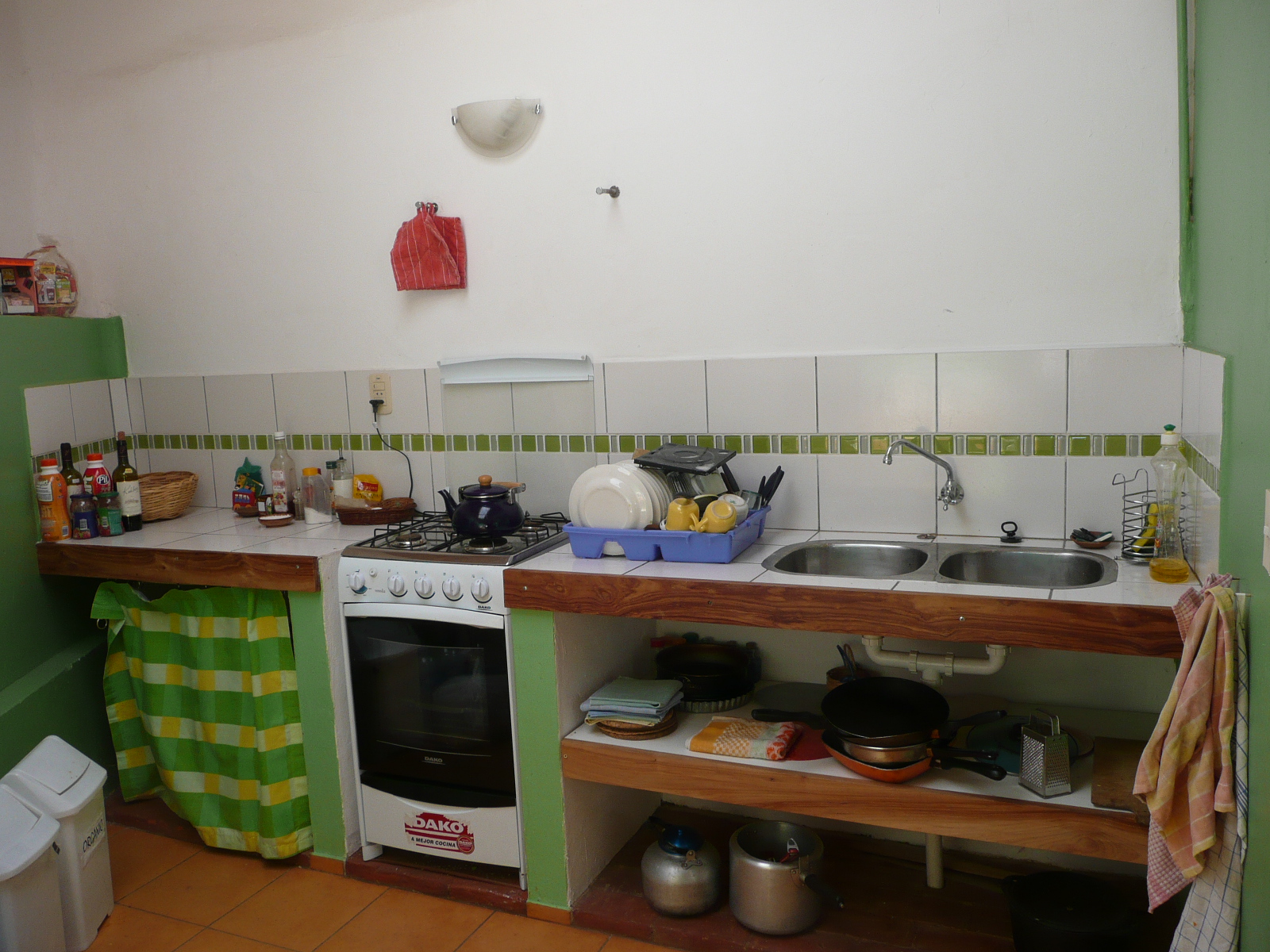
The kitchen
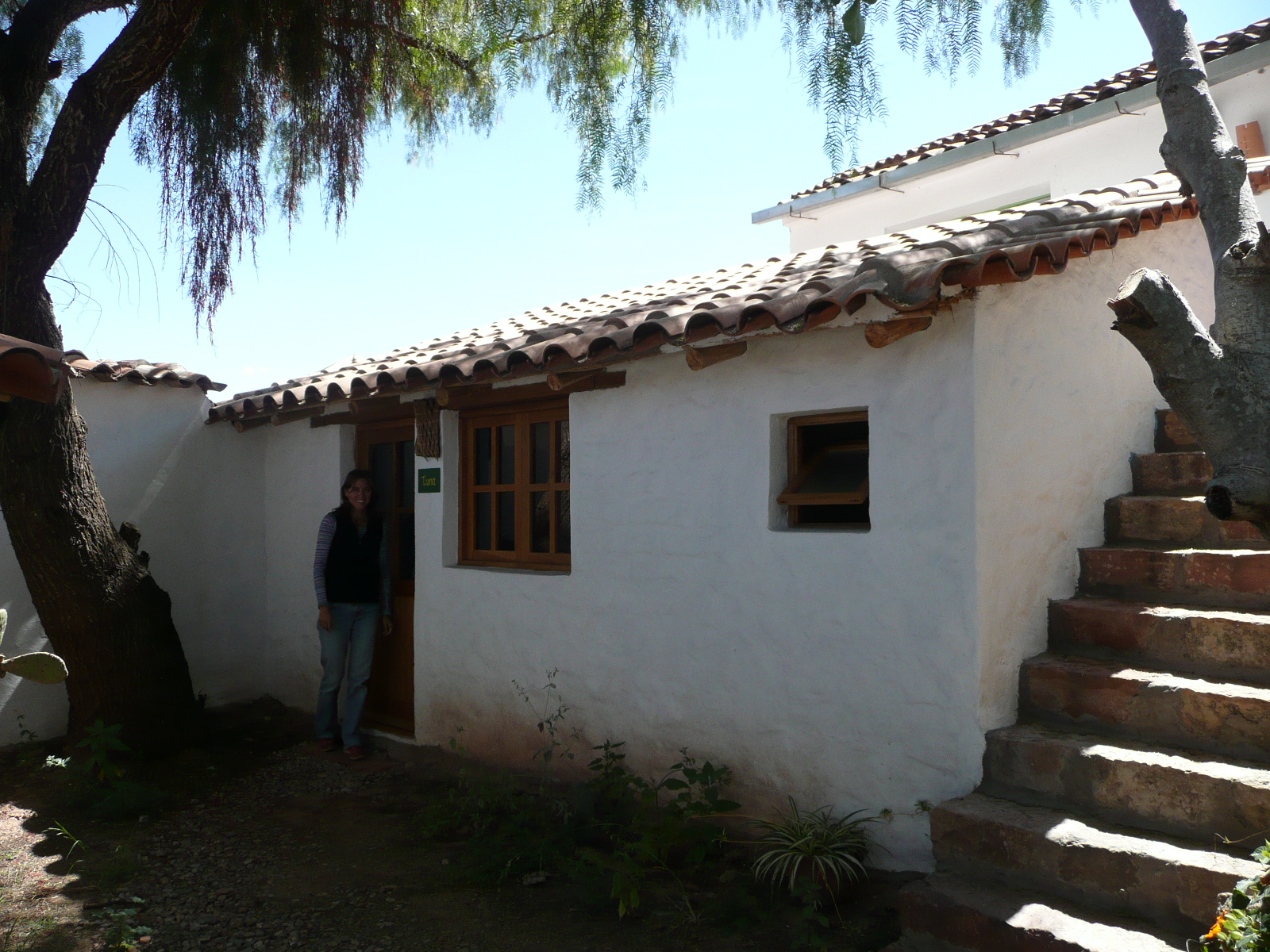
Our cabana
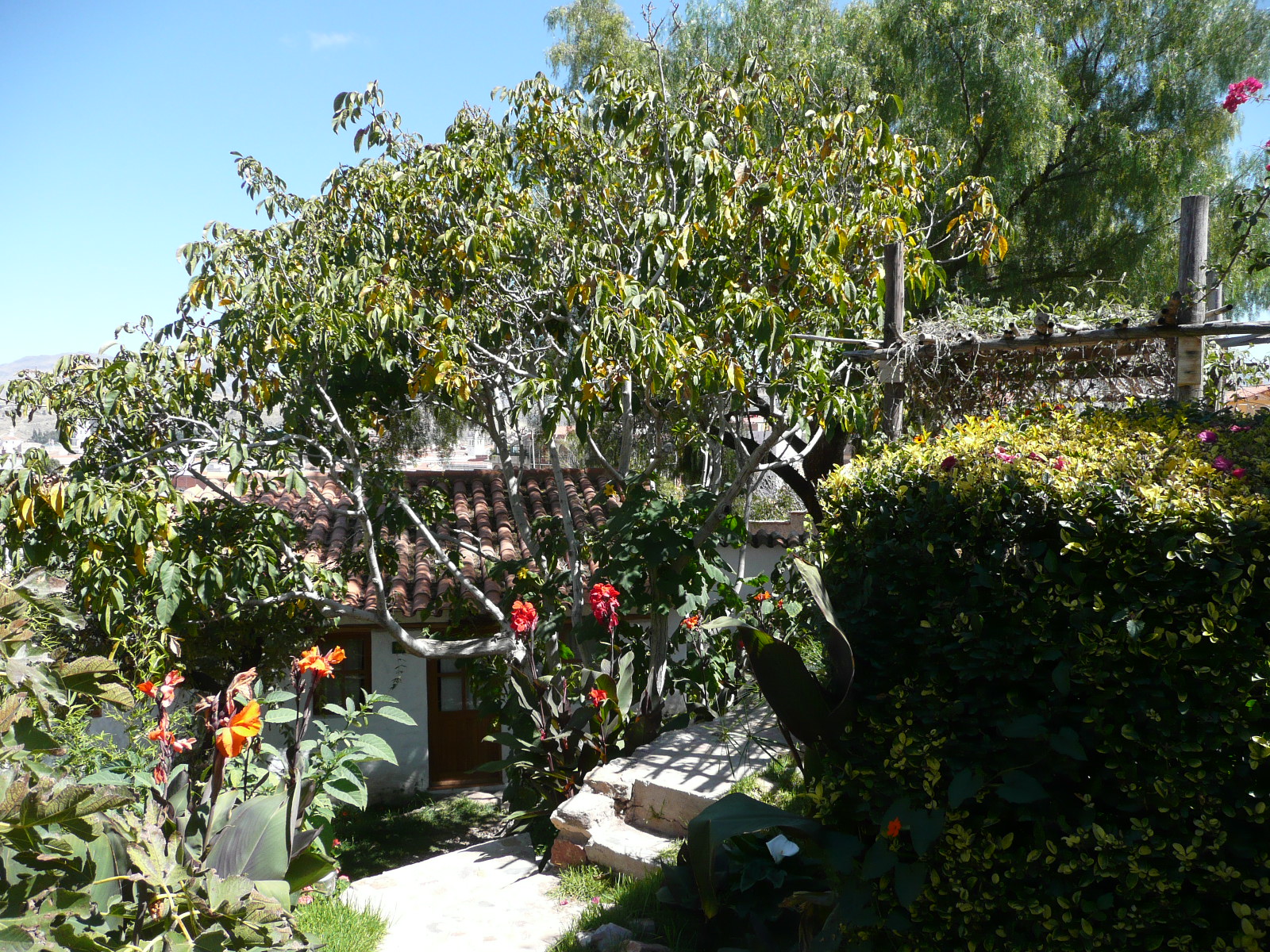
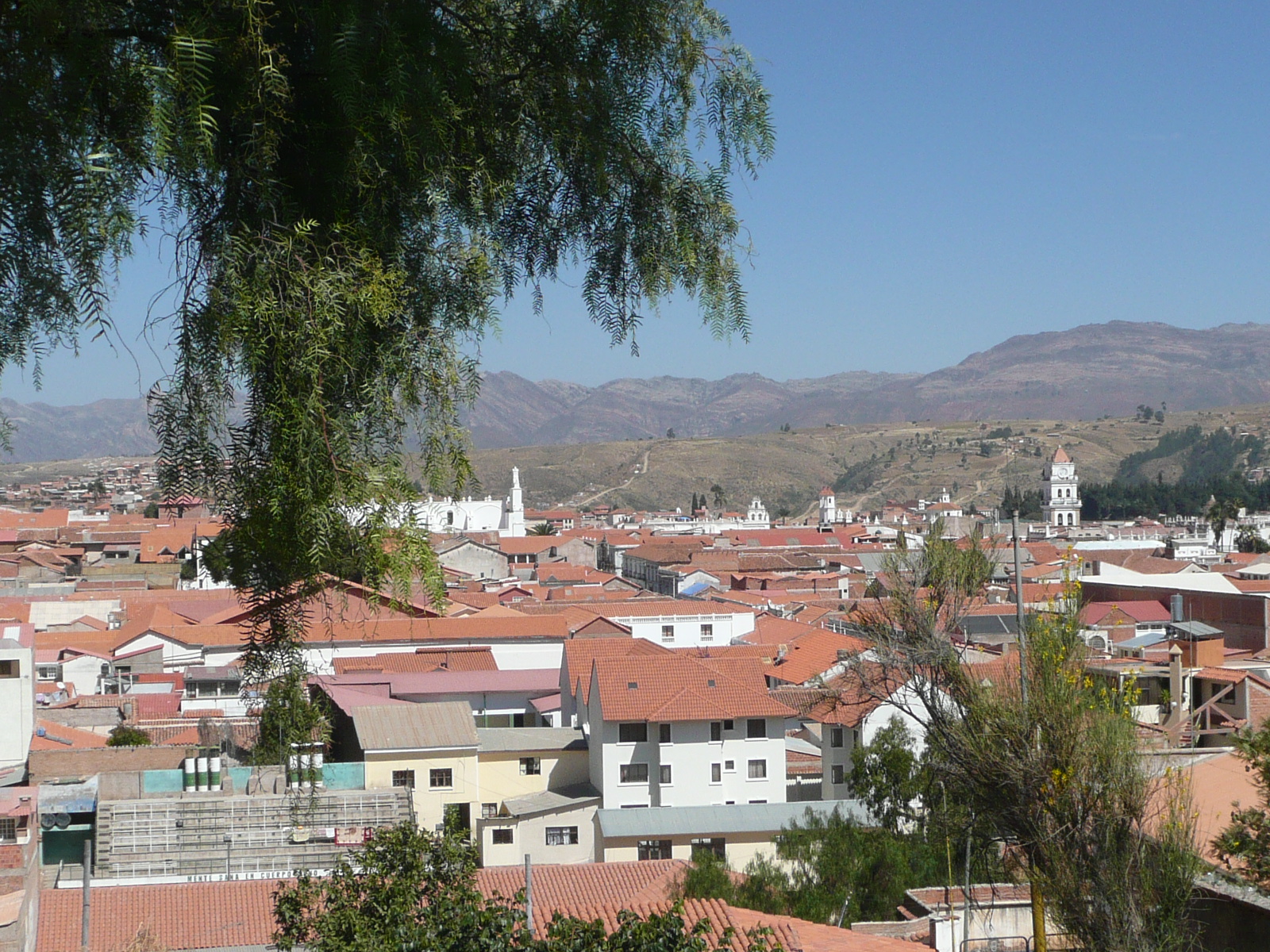
View over Sucre from hostel
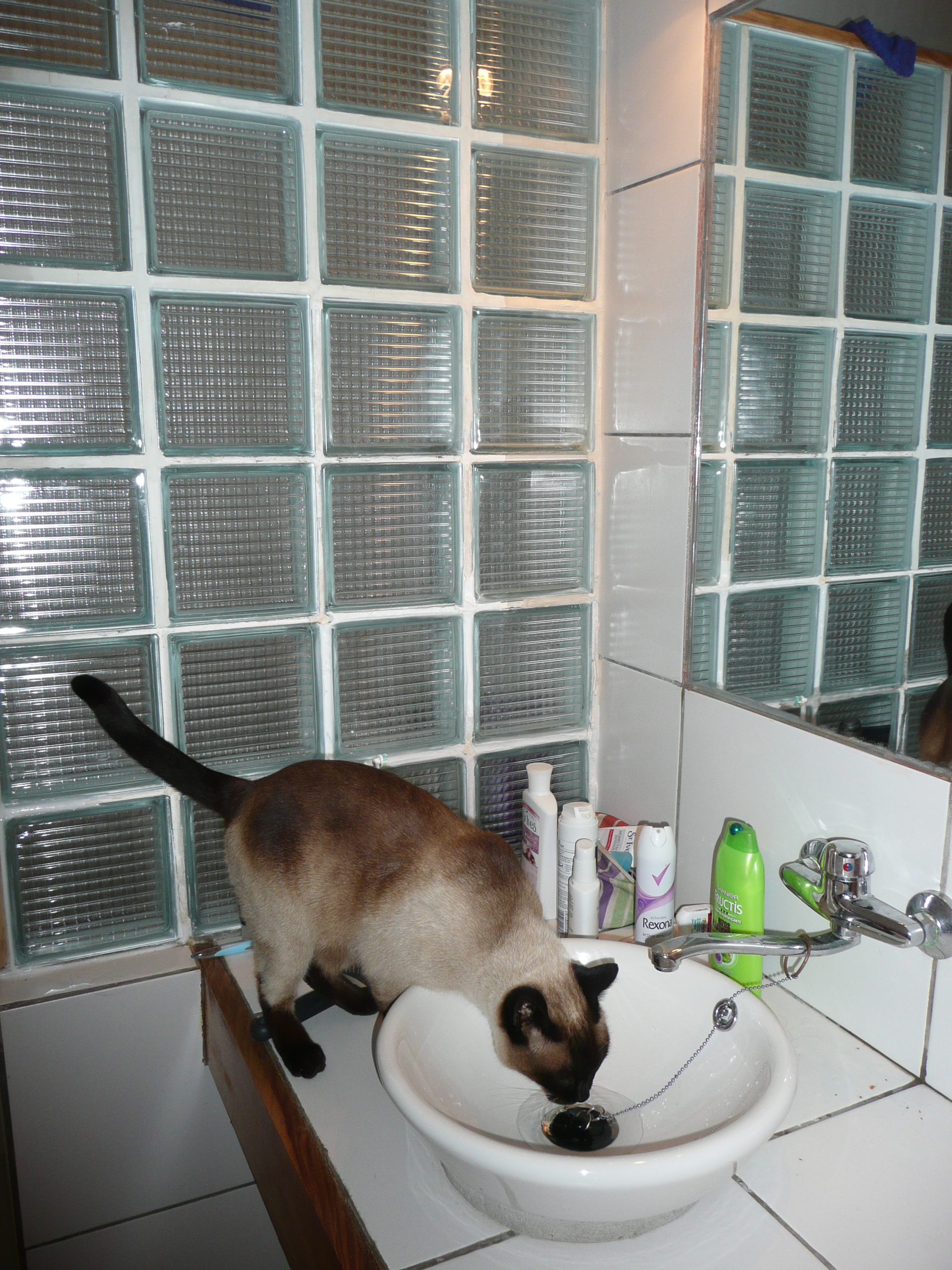
This is our cat, loves to hang out with us and according to Julia loves the songs from Jess Chambers
Love the look of the accommodation, especially the resident cat!
Looks great. Like the shuffle board look too. Thanks for posting this Richard!
Saori Teraoka liked this on Facebook.
Macarena Claro liked this on Facebook.
Mooi Avondtuur weer. haha wel jammer dat Julia Wilkie Smith geen nederlandse eten lust dat leert ze over een tijdje wel als jullie in Nederland zijn.
Tja die bezine is altijd duur maar goed van jullie dat je door hebt gezet.
hier in Nederland is het ook prijzig. Blijft altijd zo denk ik.
Veel reis plezier en ik wacht met smart op jullie volgende verslag.
Groetjes Jan en Ilse.
Symone Krimowa liked this on Facebook.
Roel Verschueren liked this on Facebook.
Ilse Versteeg liked this on Facebook.
Linda Postma liked this on Facebook.
hovering around the vege section at Countdown didn’t result in a kiss… however, Wellington water is Giardia free… I think… Thanks for sharing your experiences. 😉
7F777game me sorprendió, tiene buenos gráficos y la jugabilidad es fluida. Me quedé jugando un buen rato. Si les interesa, aquí está el link: 7f777game.
OKPlayPH es otra plataforma que está ganando terreno. La probé y tiene algunas opciones interesantes. Si están explorando alternativas, pueden revisarla aquí: okplayph.
Just tried winpkrgame and honestly, it’s pretty decent! The interface is clean, and I didn’t experience any lag. Could use a few more game options, but overall a solid experience. Check it out at winpkrgame!
Hola! Found 639clublogin the other day. Easy to register, and the platform feels pretty secure. Definitely worth checking out to see if it is for you. Join! Learn more here 639clublogin!
Greetings, people! Checking out 8scasino, and it looks pretty legit. Good game variety, and a nice layout. Give it a look yourself to see if you want to play. See more here 8scasino!
Hi, fam! Testing out 959betlogin. The signup was simple. It might be worth a try, but you need to see it yourself. You will have fun for sure! Get on the action 959betlogin!