Salta, nicknamed ‘Salta the beautiful’ is an old colonial city in the north west of Argentina. The guide book says the city has a population of 535,303, smaller than Mendoza, but still a decent sized city. We had looked forward to visiting it for a long time, having read about the city when we were still researching destinations to visit while still living in Wellington. Driving into the city first impressions weren’t great. Narrow busy streets, chaotic traffic with lots of pedestrians doing random stuff. The municipal campground 6km from the centre was where we’d planned to stay but it gave us bad vibes so we decided to move on. We were lucky to find space at a Posada very close to the city thanks to the help of the tourism office. It was also insanely cheap, only 170 Pesos. Unfortunately Semana Santa (Easter) was starting the next day, and most people have five days of vacation as a result, Thursday through to Monday. It felt like all of Argentina descended on Salta and the north west of Argentina. For the next five days we were constantly battling crowds and having difficulties with finding accommodation (even campsites). In the end Semana Santa won, and instead of taking our time to see Salta and the Jujuy provinces we ended up spending one day sight seeing in Salta and then camping in San Lorenzo, a village 12kms outside of the city. However a whole group of dogs were at the campsite as well and they barked all night long, and even fought with each other. Not a wink of sleep was had, and while we thought we’d stay a couple of days extra in the village we ended up packing up mid afternoon and driving four hours north to the village of Purmamarca where we camped the night before crossing back into Chile via the infamous Paso de Jama. The one good thing about this rushed finish to our time in Argentina was that we came in on budget, and spent the very last of our Pesos buying expensive fuel in Susques, a small village just a couple of hours before the border crossing into Chile.
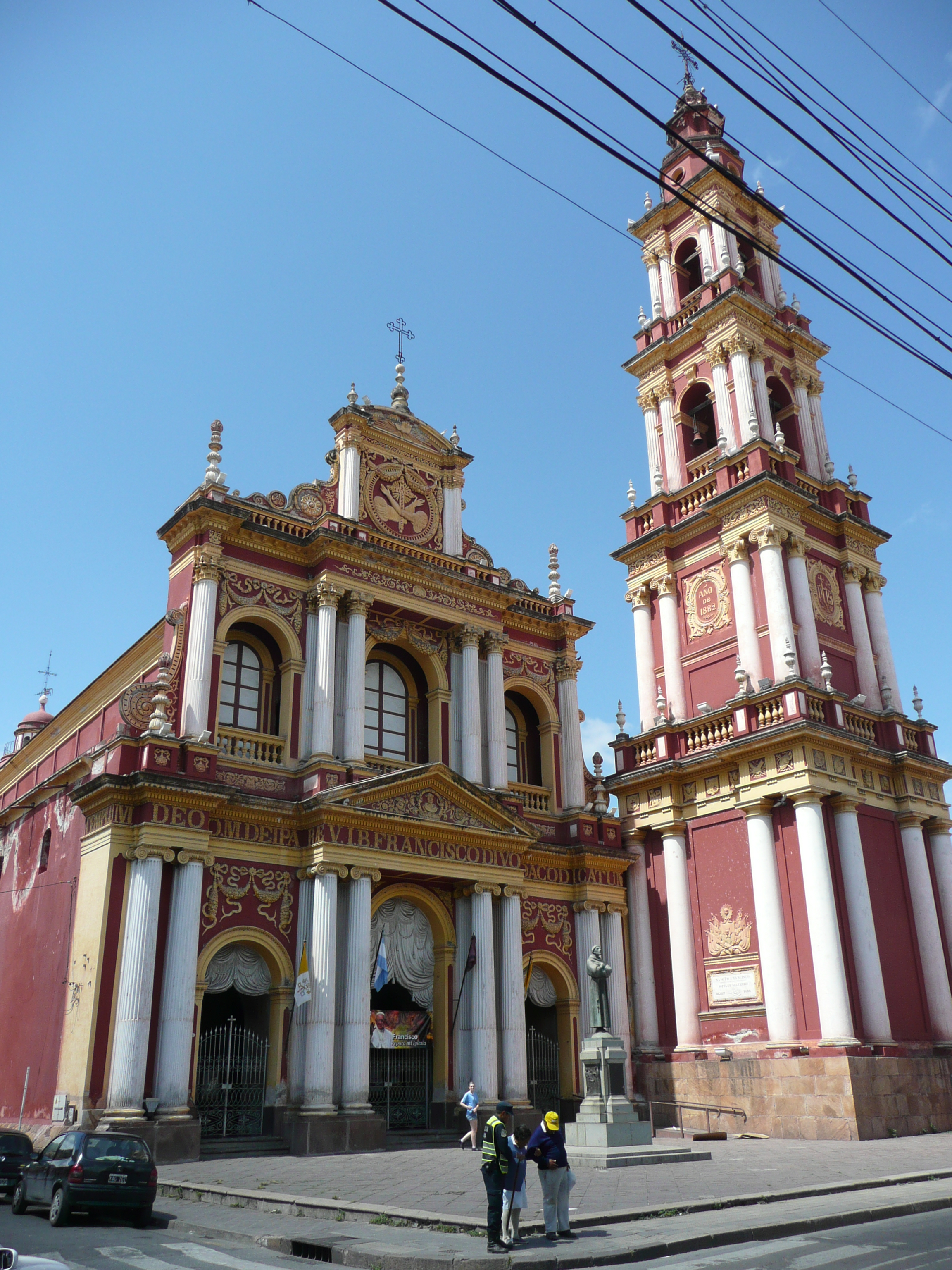
San Francisco Church, Salta
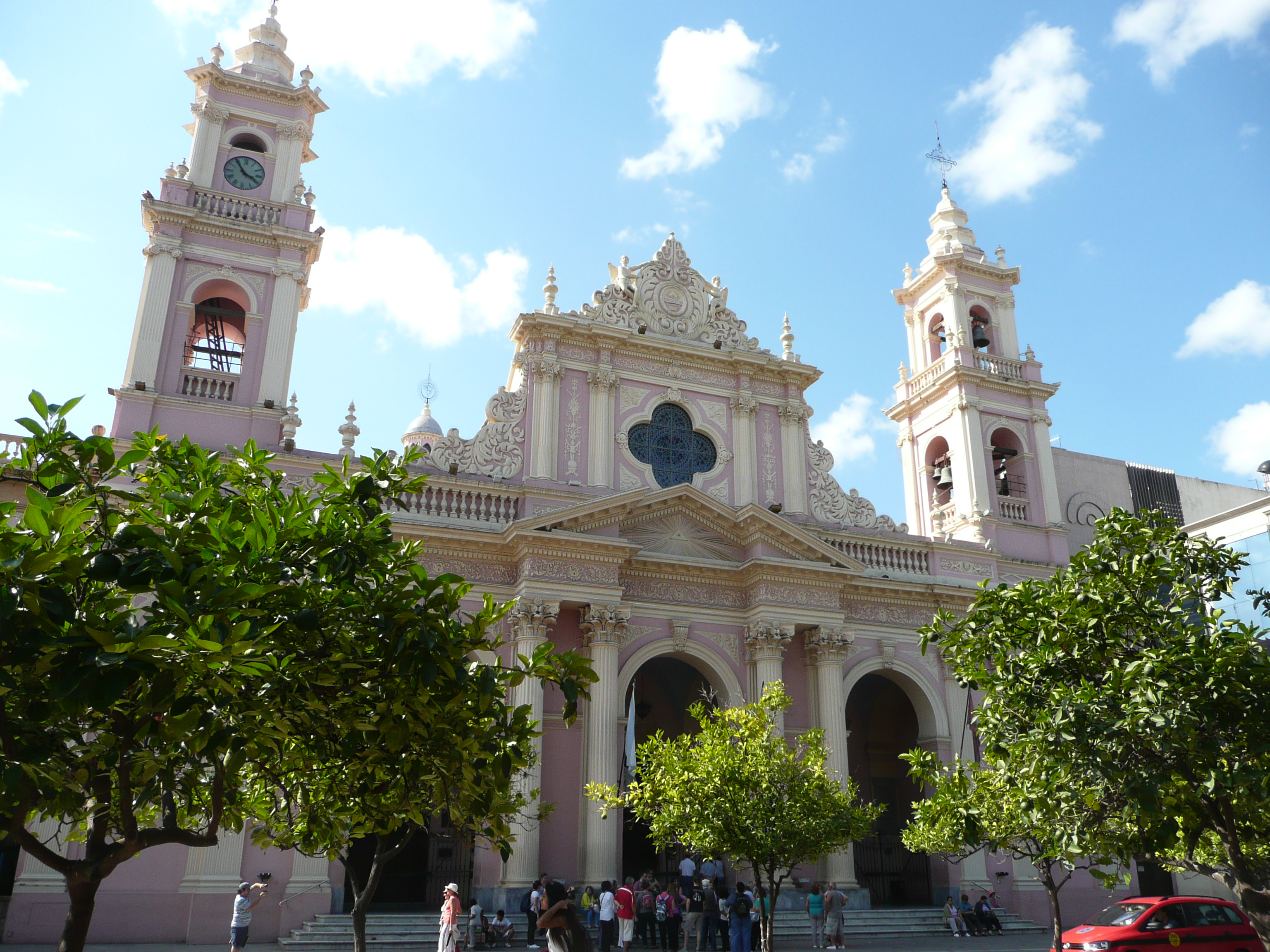
Salta’s pink cathedral, dating from 1878.
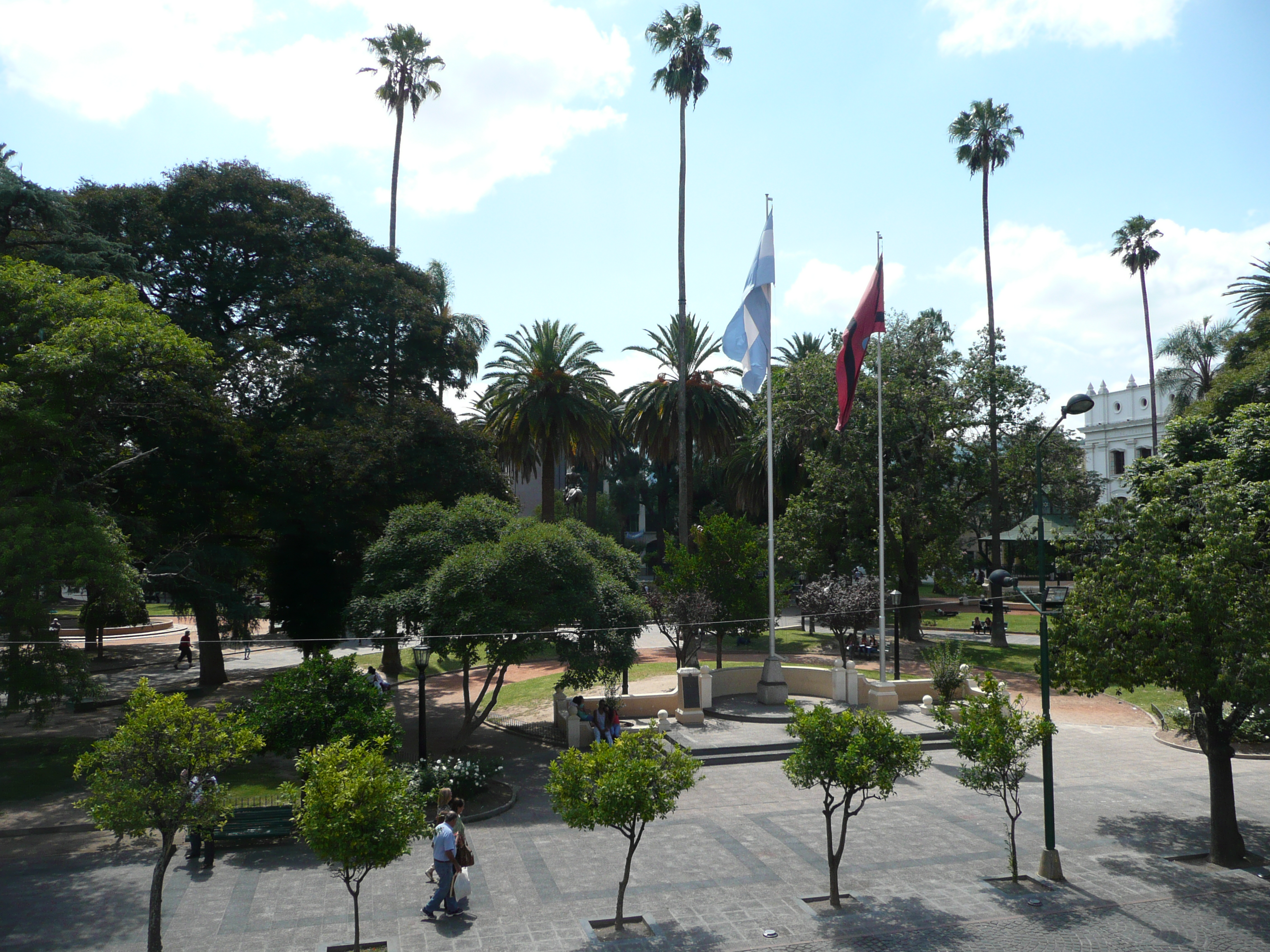
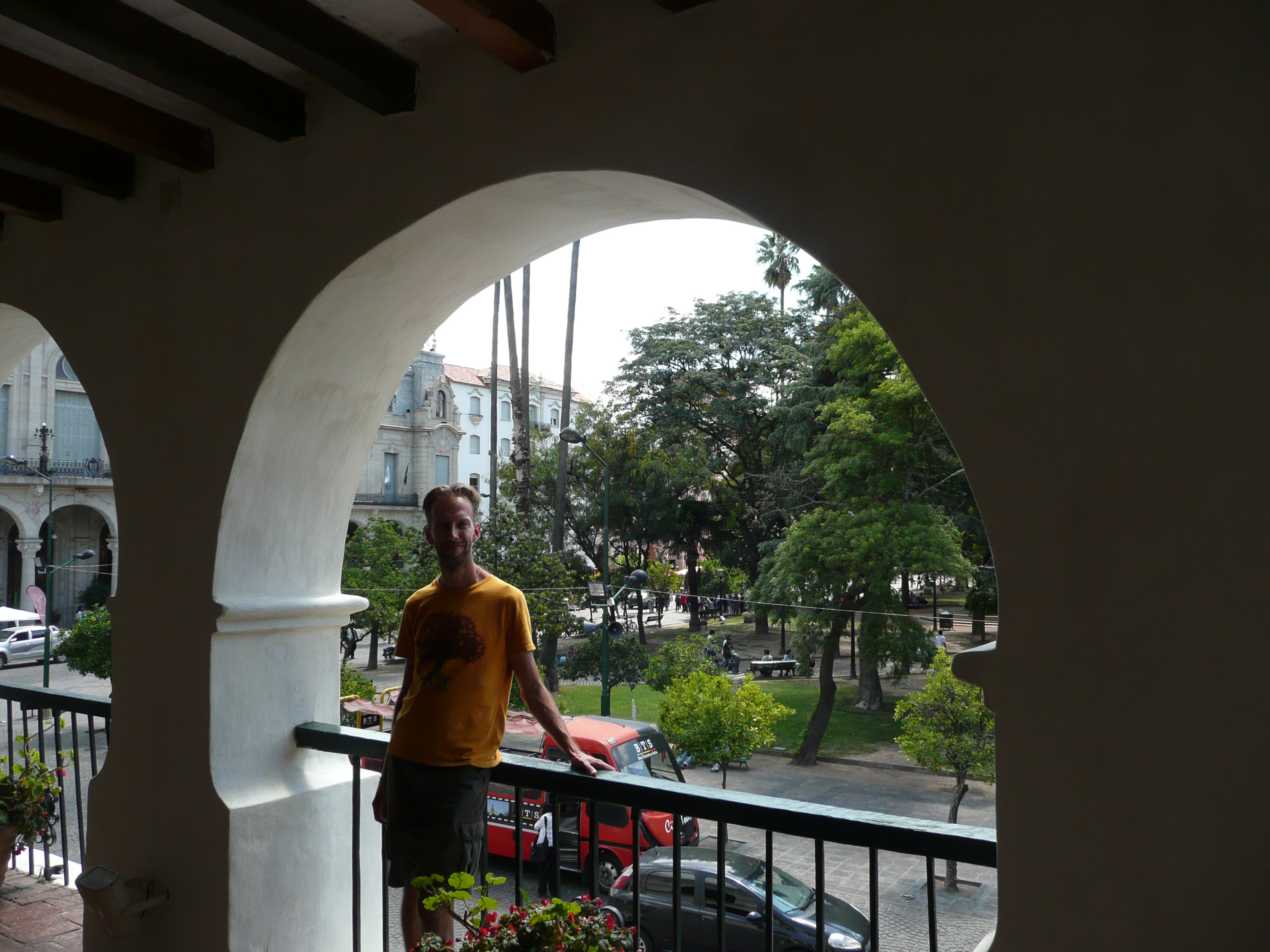
View over Salta’s pretty plaza
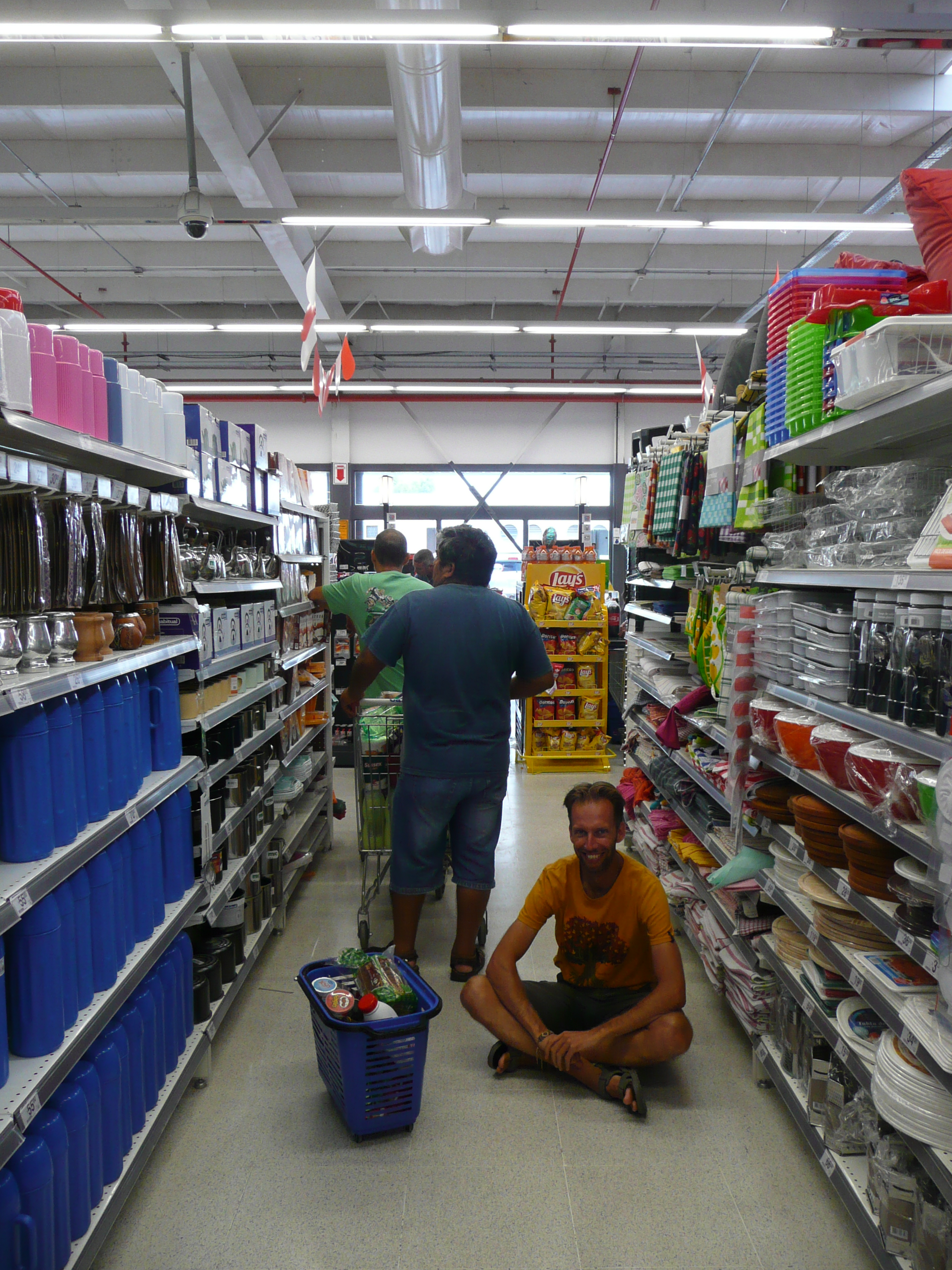
In Salta, Argentina, the land of the queues, it really is a national sport there. Here we were in line for 1 hour waiting to buy our groceries. Insane. We asked if it was normal and people said yes!
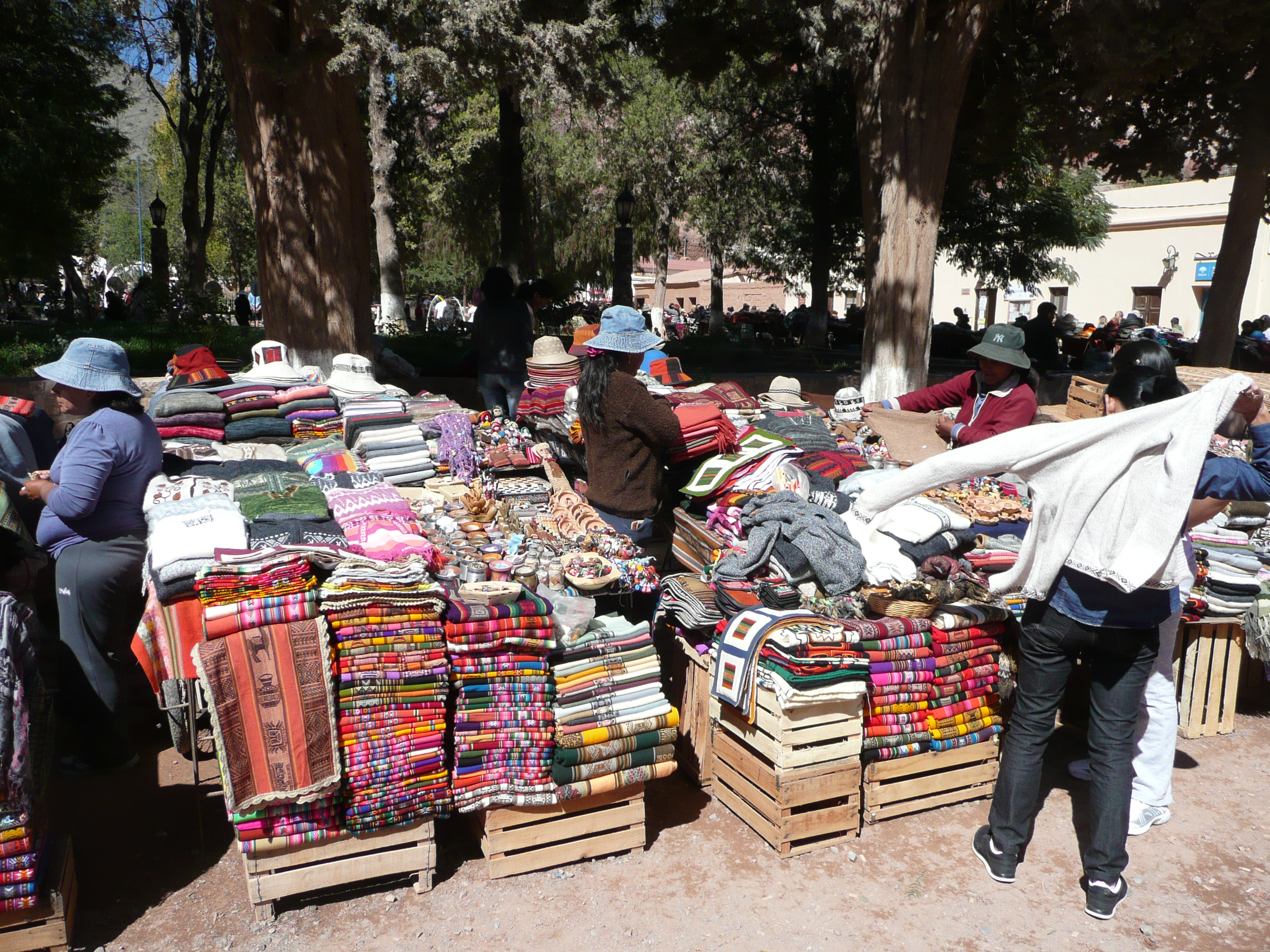
At the market in Purmamarca, very colourful and busy.
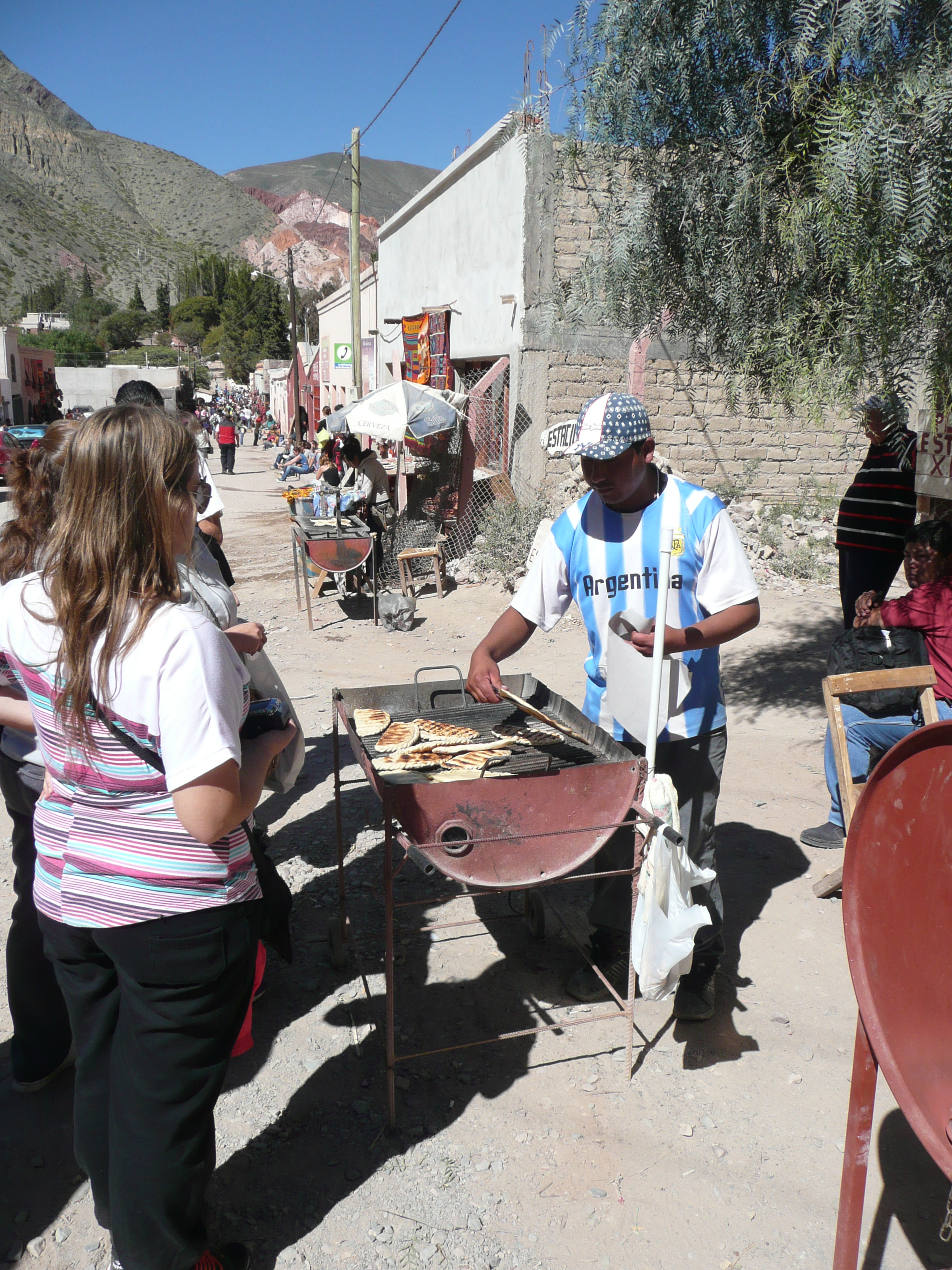
Typical streetfood in northern Argentina – pastry filled with cheese. Not that tasty.
Paso de Jama was a cool drive. At immigration on the Argentinean side, we were already at 4200m, which we thought was quite high. But after crossing the border into Chile you quickly climb to 4800m and stay at that altitude for a long time. We didn’t know that Chilean immigration was actually down in the town of San Pedro de Atacama so we kept on driving with the expectation of finding Chilean immigration just around the next corner. It wasn’t. The scenery along the way was stunning, big empty spaces, and the feeling of remoteness permeating every corner we took. There were salt flats, there were mountains and volcanoes, and there was sand, weirdly shaped rocks, flamingos. We would have enjoyed it more if we’d not been nervously wondering if we’d missed the Chilean immigration office. Then it started to get dark and we were still a little way of San Pedro de Atacama. We descended to 3000m high, found a good spot in the desert off the road well out of sight from the road, and set up camp for the night. A quick meal of noodles and coffee, and then we huddled in our tent for the rest of the night, not before taking a look at the stars – amazing! It was a very cold night and the tent was set up on a slant so we didn’t have our most comfortable night’s sleep. The next morning, it was freezing, and we quickly packed up the tent, rolled up our thermarests, stuffed our sleeping bags and sleeping sacks away, and rolled on down the hill to San Pedro de Atacama which sits at 2440m. There we joined the long line of people at the Chilean immigration office.
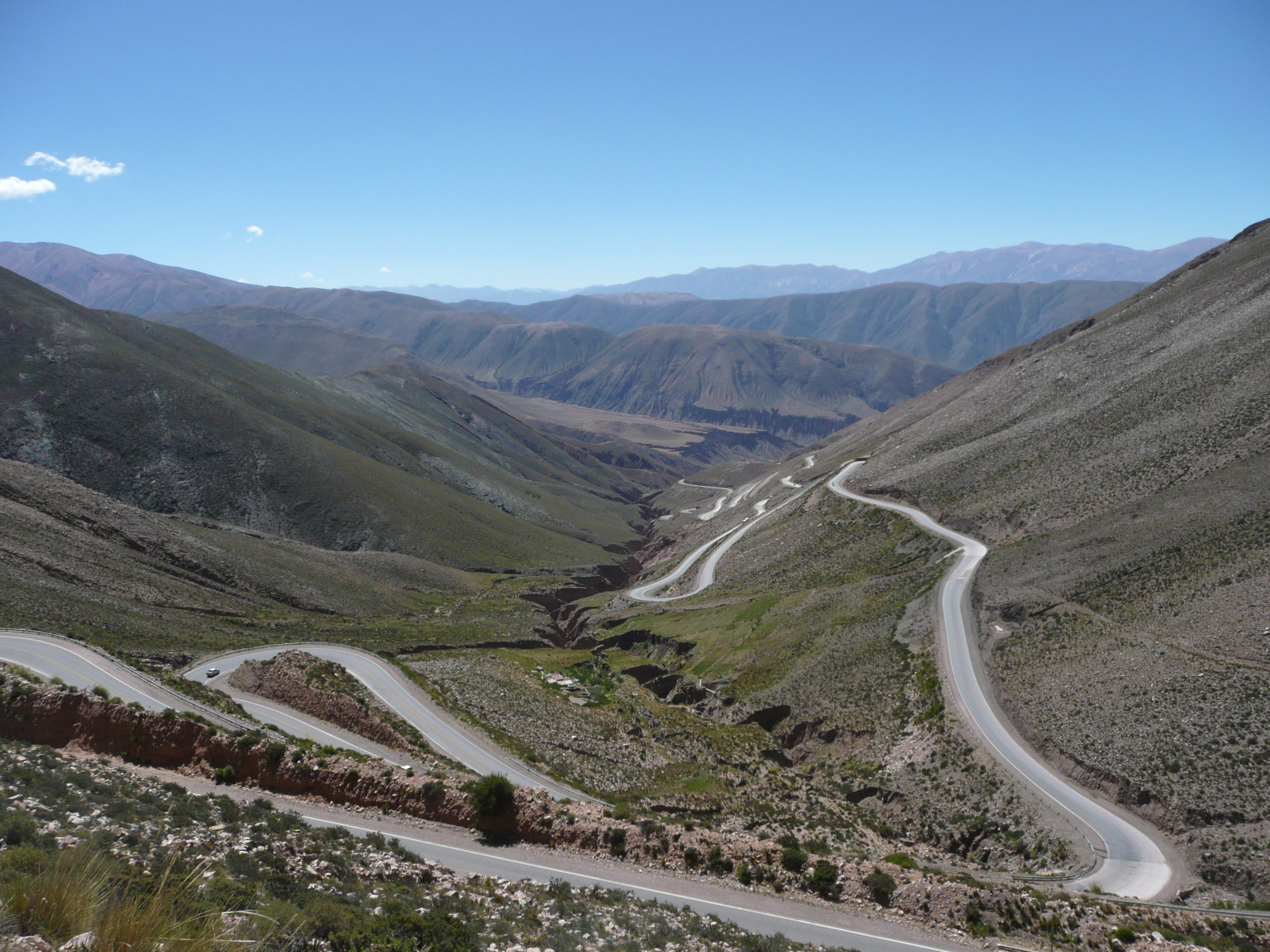
Our first crossing of the drive to Paso de Jama, this time to 4200m high.
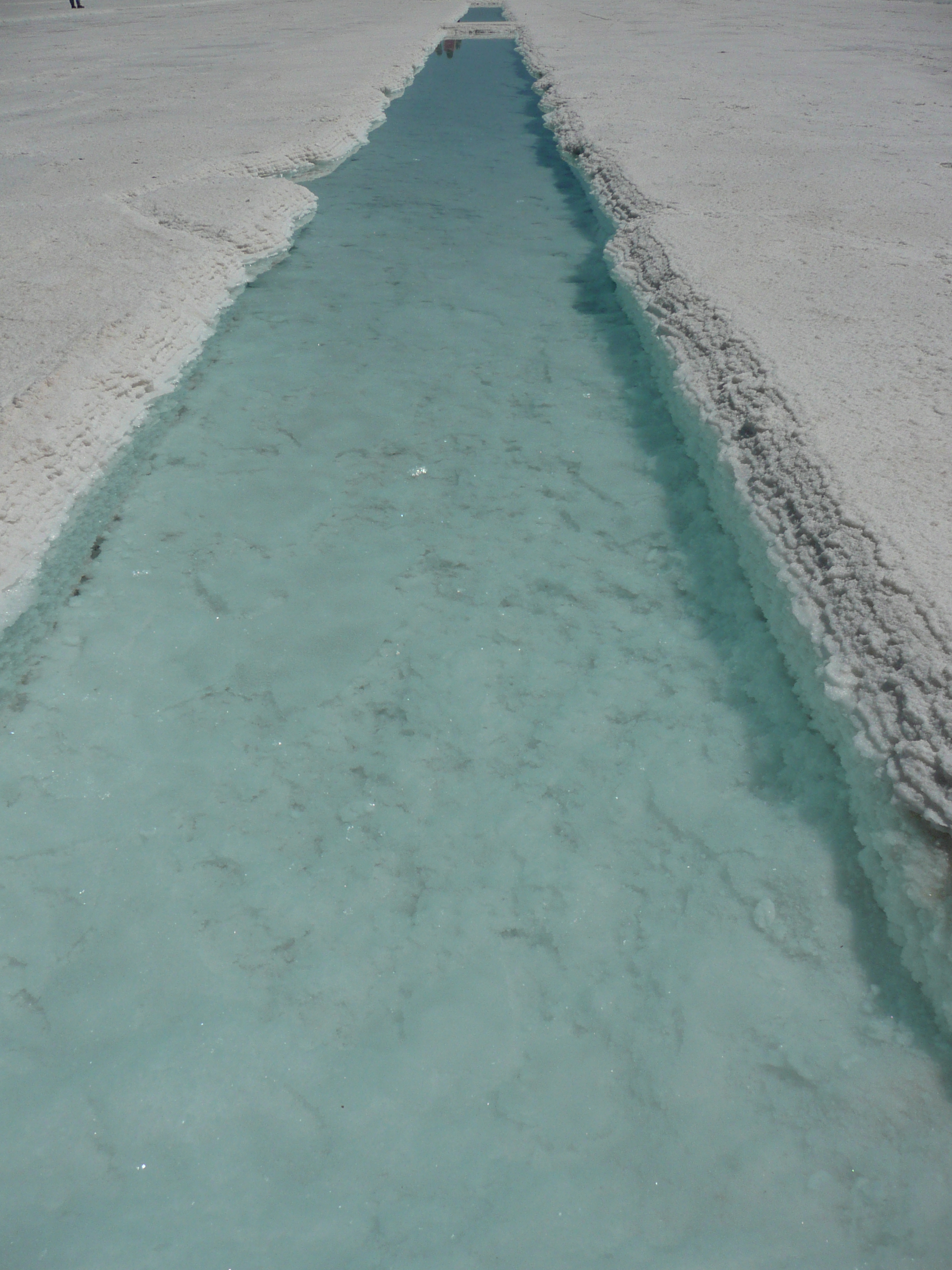
Salt mining in Salinas Grandes, northern Argentina.
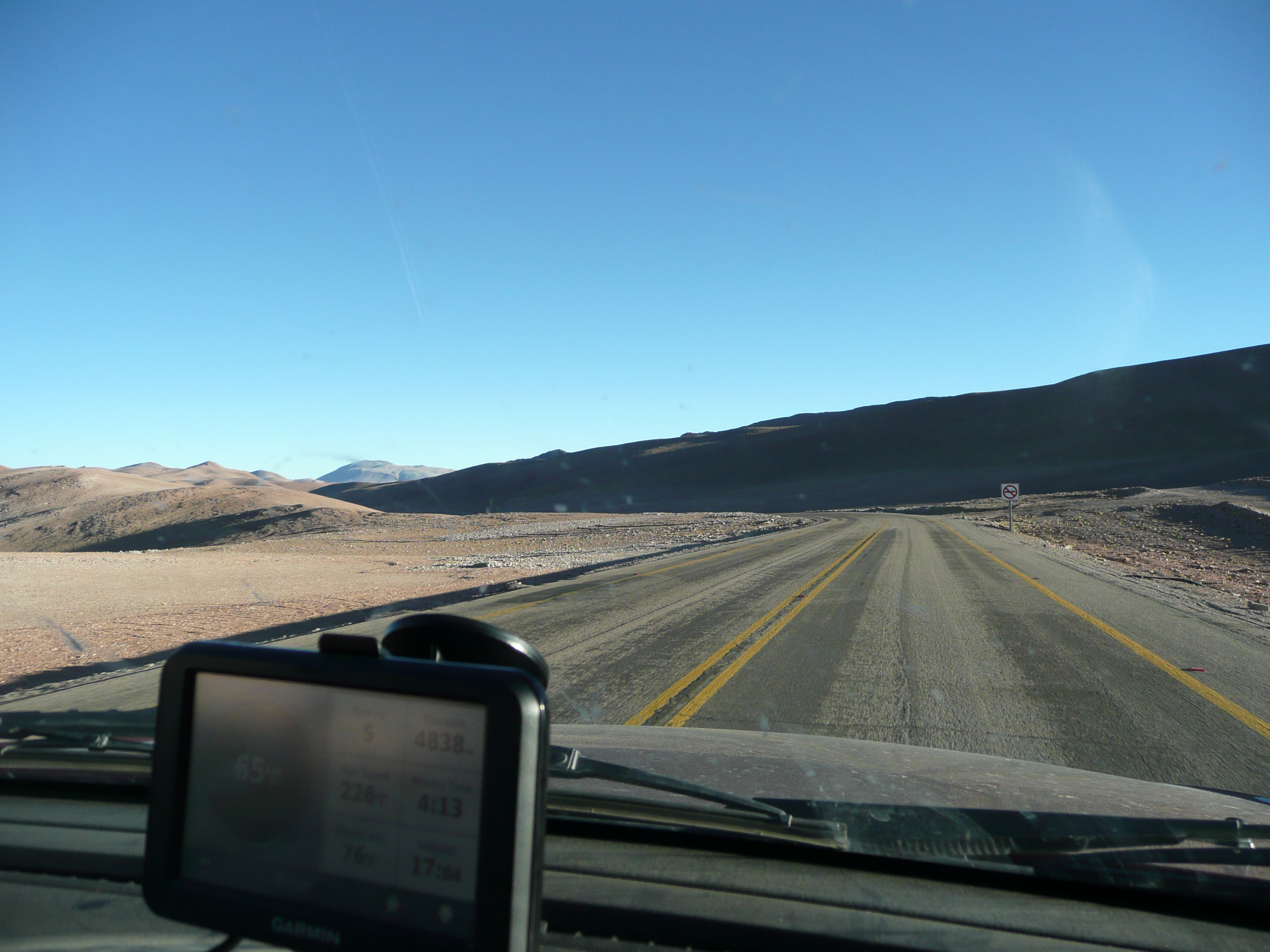
4800m and climbing! After crossing Paso de Jama towards Chile.
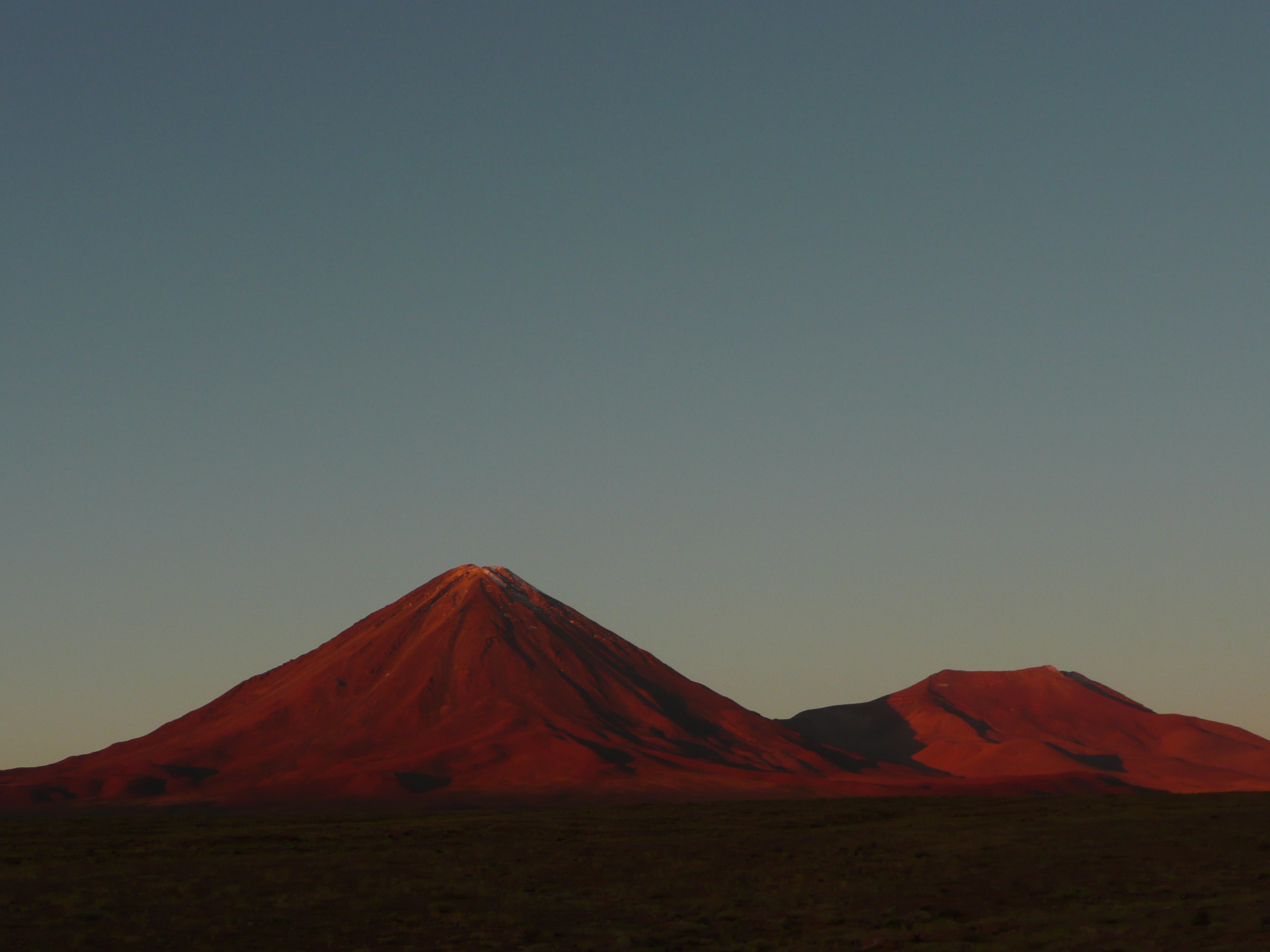
Setting up camp in the Atacama Desert in the shadow of beautiful Licancabur volcano.
San Pedro de Atacama is an oasis town set amongst spectacular scenery. It sits against a backdrop of volcanoes and mountains that are +5000m tall including the most spectacular Licancabur volcano which sits at 5916m. The town itself is very easy going and also extremely pretty with its streets being lined with adobe buildings. There are hardly any paved roads, mostly just dusty dirt roads. There’s no supermarket, rather every street corner has a little shop (or almacen) where you buy your groceries from. This is the most popular area of northern Chile to visit, and we quickly saw why. While there aren’t so many touristic things to see and do within the town itself, it’s San Pedro’s proximity to spectacular destinations that makes it a great base for exploring the surrounding area.
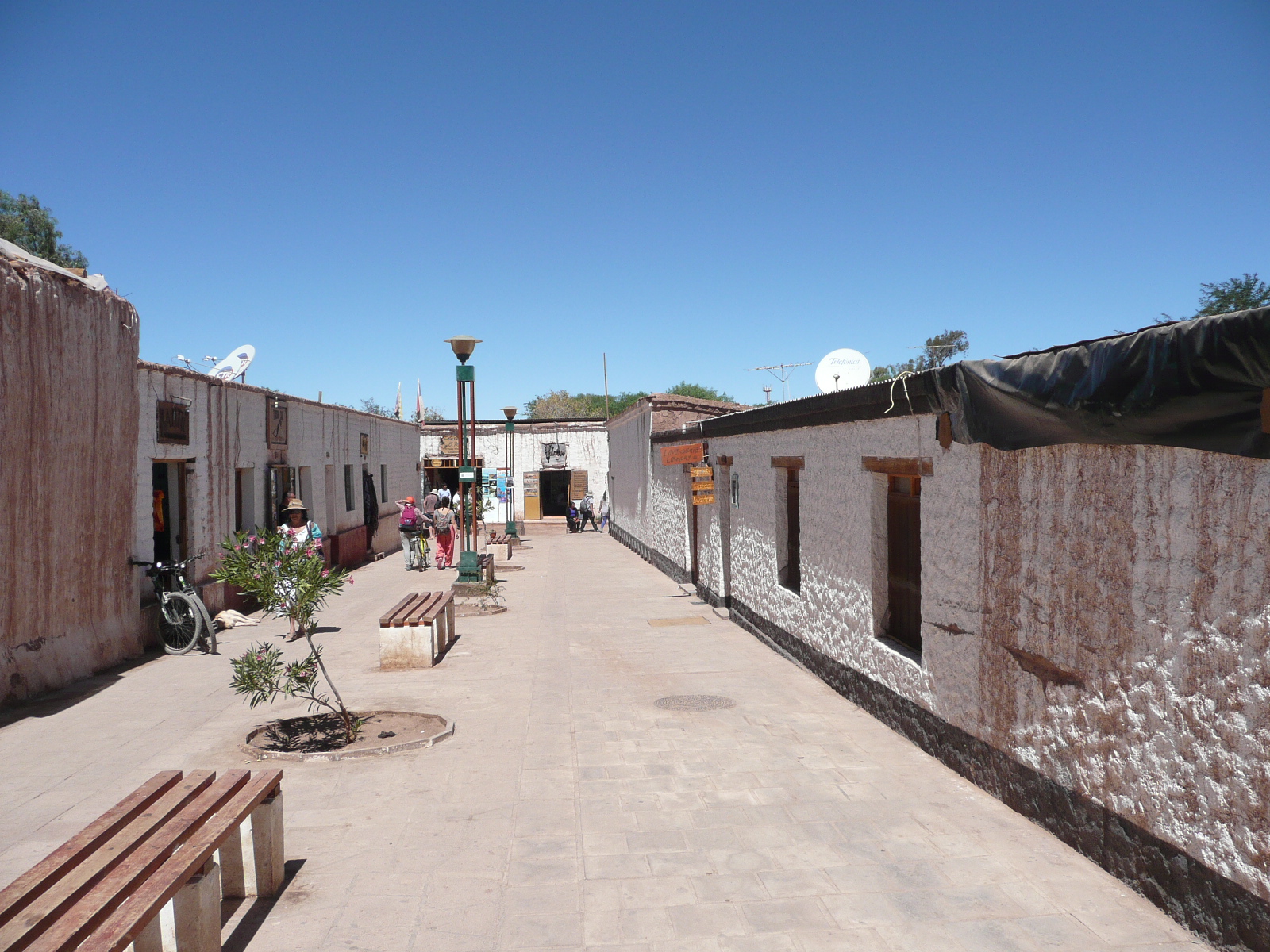
Adobe buildings in San Pedro de Atacama.
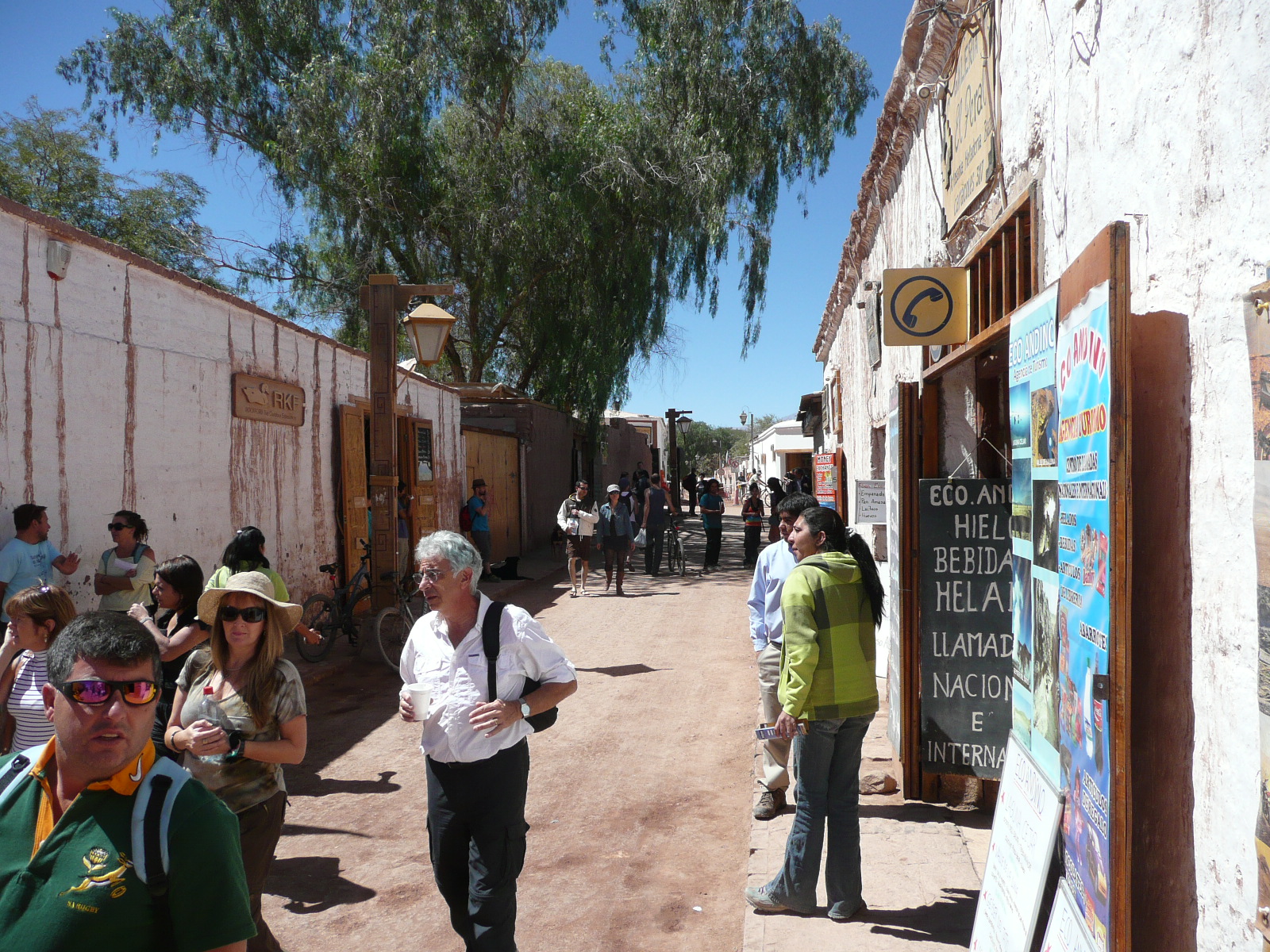
Typical street in San Pedro. Most unlikely buildings are shops!
On our first day there we drove two hours on a very bad road to the El Tatio geyser field. Sitting at 4300m high this is the world’s highest geyser field. The majority of people visit via a tour that picks them up at 4am, in time to see the geysers steaming at their best at 6am. At this time the temperature is -12 degrees, and the geysers steam quite high. We had thought about camping here, but after a cold night at 3000m we decided we would try to stay in town. While the geysers were nice, the backdrop was what made it a special sight to see. Adding to that, Richard and I were the only ones there. The geyser field also had a hot pool that you could swim in, and since we were the only ones there we decided this was the perfect time for a skinny dip! Skinny dipping at 4300m high was something quite unreal. Not a soul around, and just geysers and volcanoes and the sky surrounding you. Truly something special to remember.
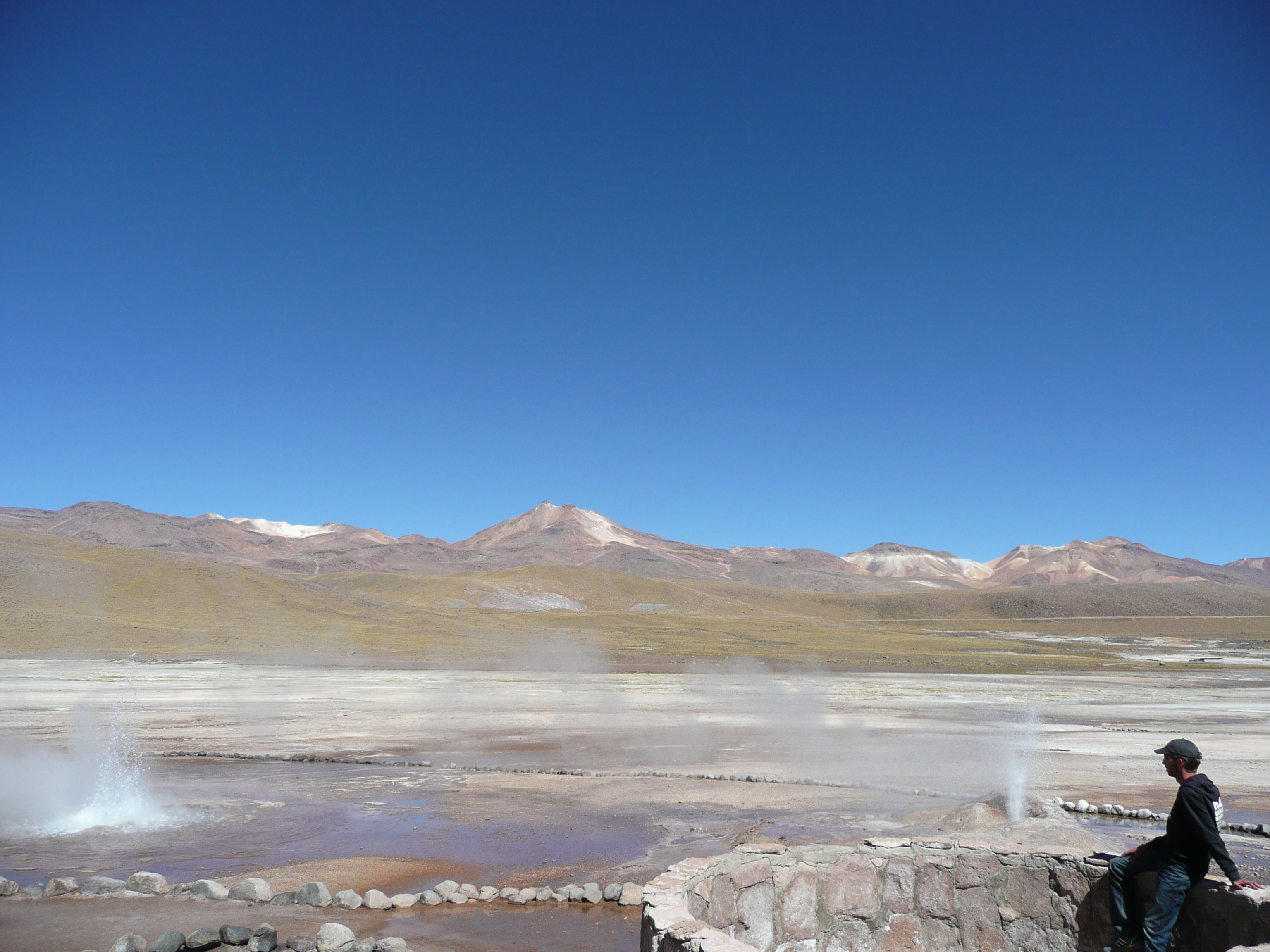
El Tatio geyser field. No one around at all. So lonely and desolate, and such a beautiful area.
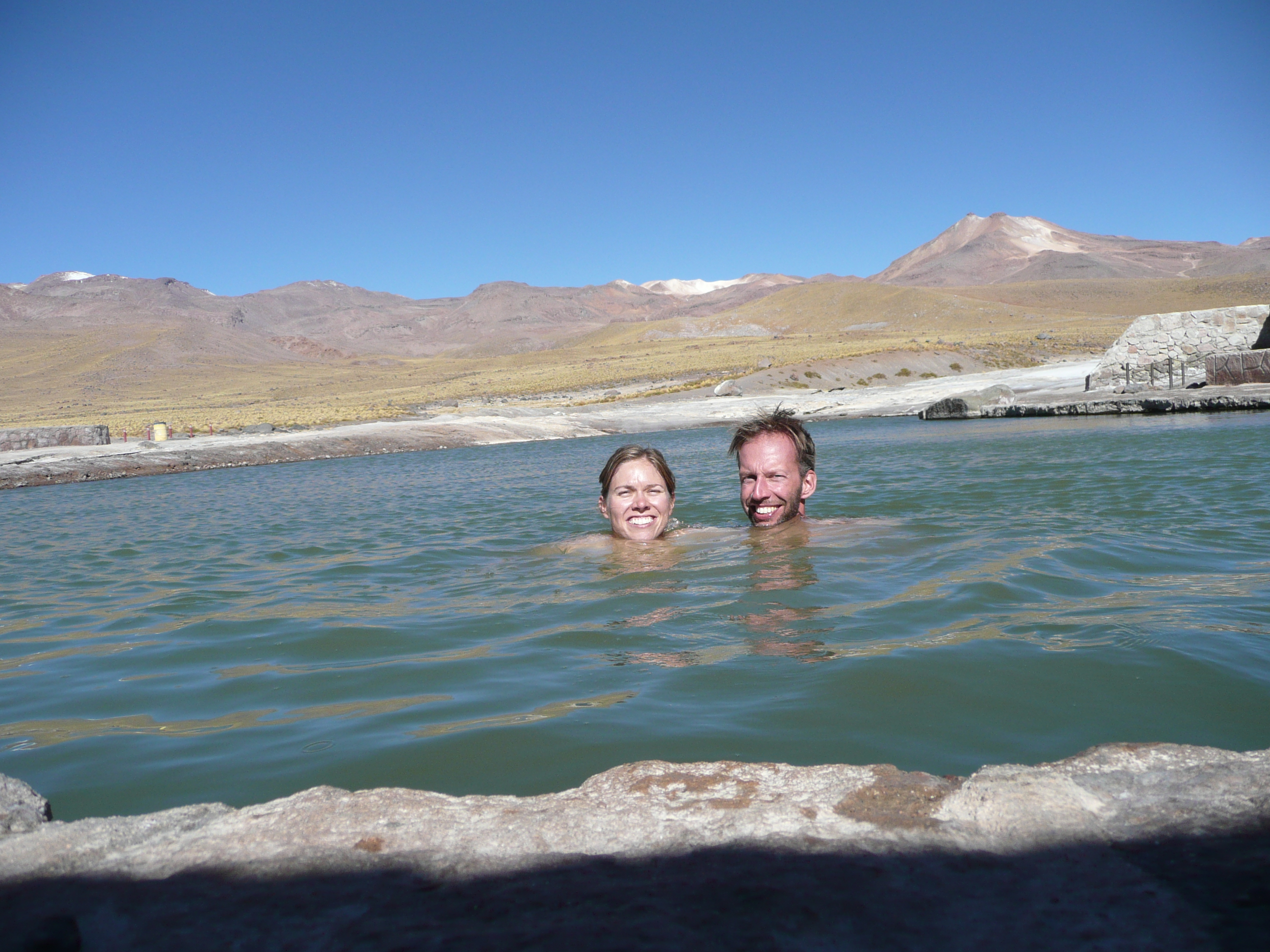
Highest altitude for skinny dipping, at 4300m!
We couldn’t find a decent campground for the night, and ended up settling for the less-worse of the three we looked at. The campground was covered in dust and everything got so dirty. This was also the night where we started to have some serious problems with our tent… not good considering how much camping we still have ahead of us. Richard managed to get the fly over the tent, but we were both dreading the thought of our tent giving out and having to buy a Doite tent (the local Chilean brand) which we’ve seen first hand is not all that waterproof. Luckily MSR have been great and are sending us new tent poles which should fix the problem, and they also offered us some tips on how to fix the zippers which have been very sticky, making it difficult to open and close the tent.
After a stretch of dusty desert camping we decided to move indoors and found a hostal just outside of town where we spent the rest of the week. We stayed in a nice room that opened out onto a central courtyard where we would sit and read.
For the rest of the week we had a relaxing time enjoying the peace and quiet of the hostal and doing day trips to sights outside of town. On our first night in the hostal we drove to Valley of the Moon to watch the sunset, an unforgettable experience. Standing atop giant sand dunes we had spectacular views of the sunset turning the volcanoes dotted along the horizon to different colours of pink and red. The Valley itself is spectacular, orange rock formations that have salt dusted on top, so the whole area looks strangely enough like it’s covered in snow. Immensely pretty area. We liked it so much that we went back to watch the sunset again on our last night in San Pedro.
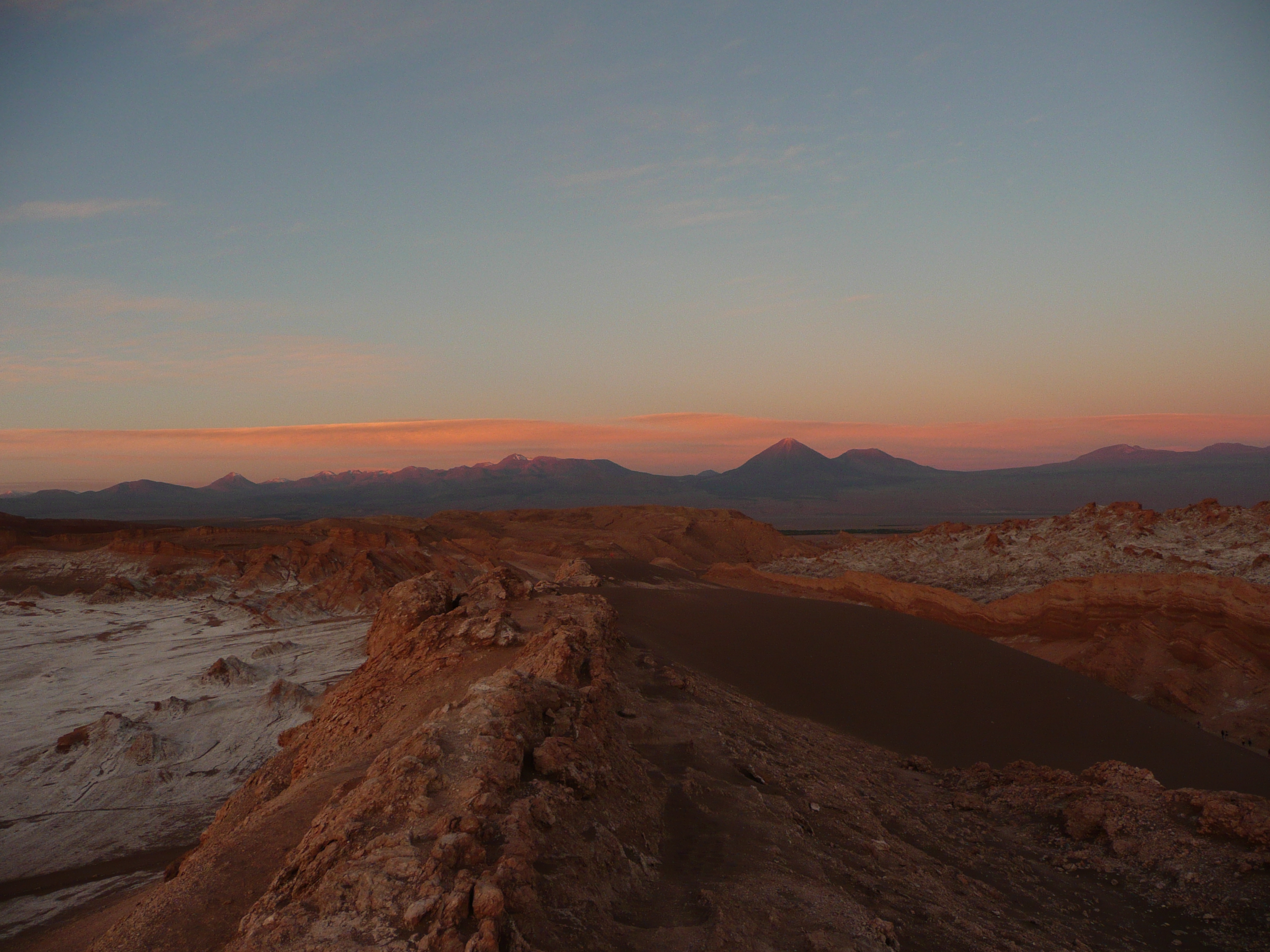
Sunset at Valley of the Moon
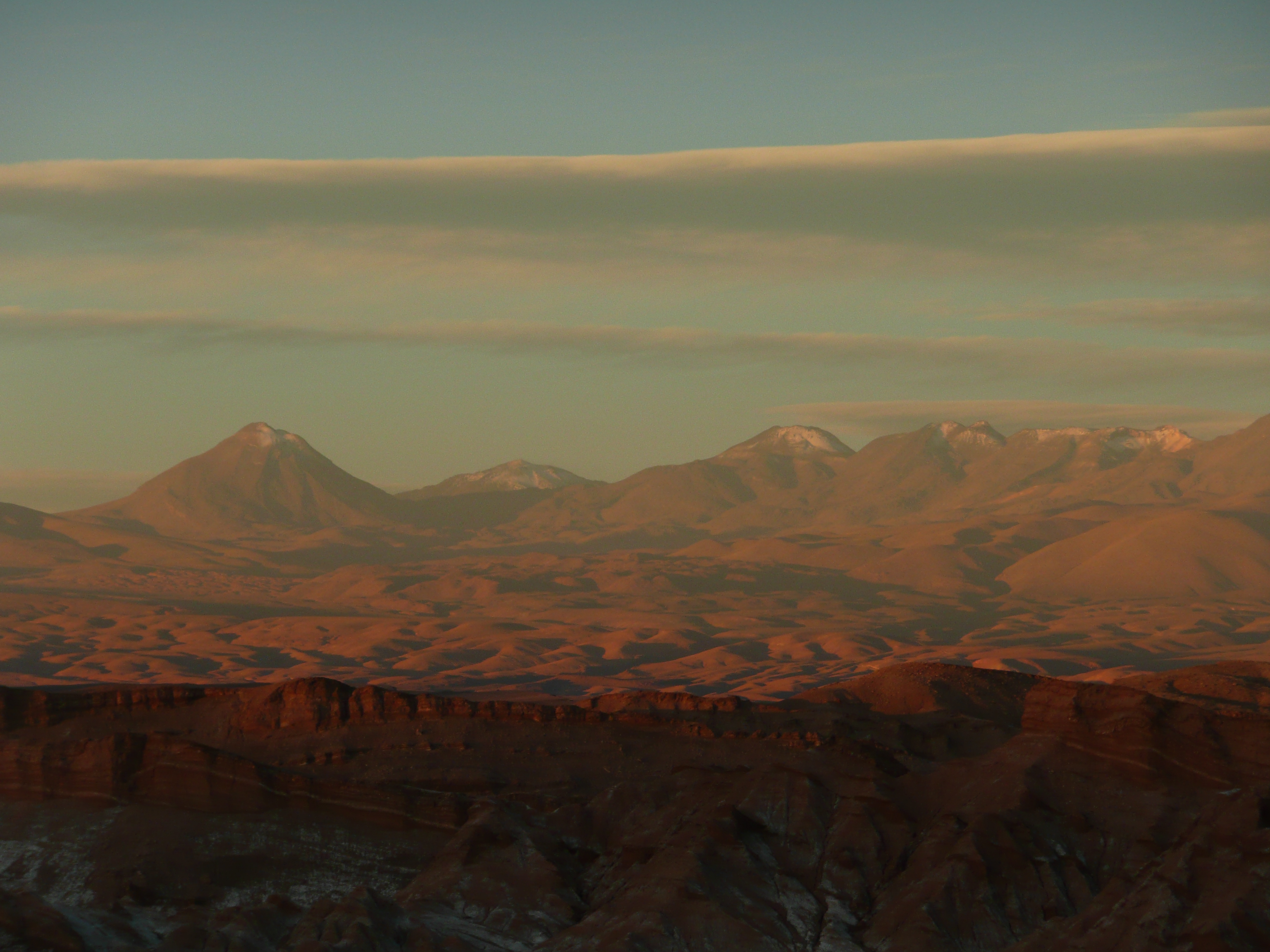
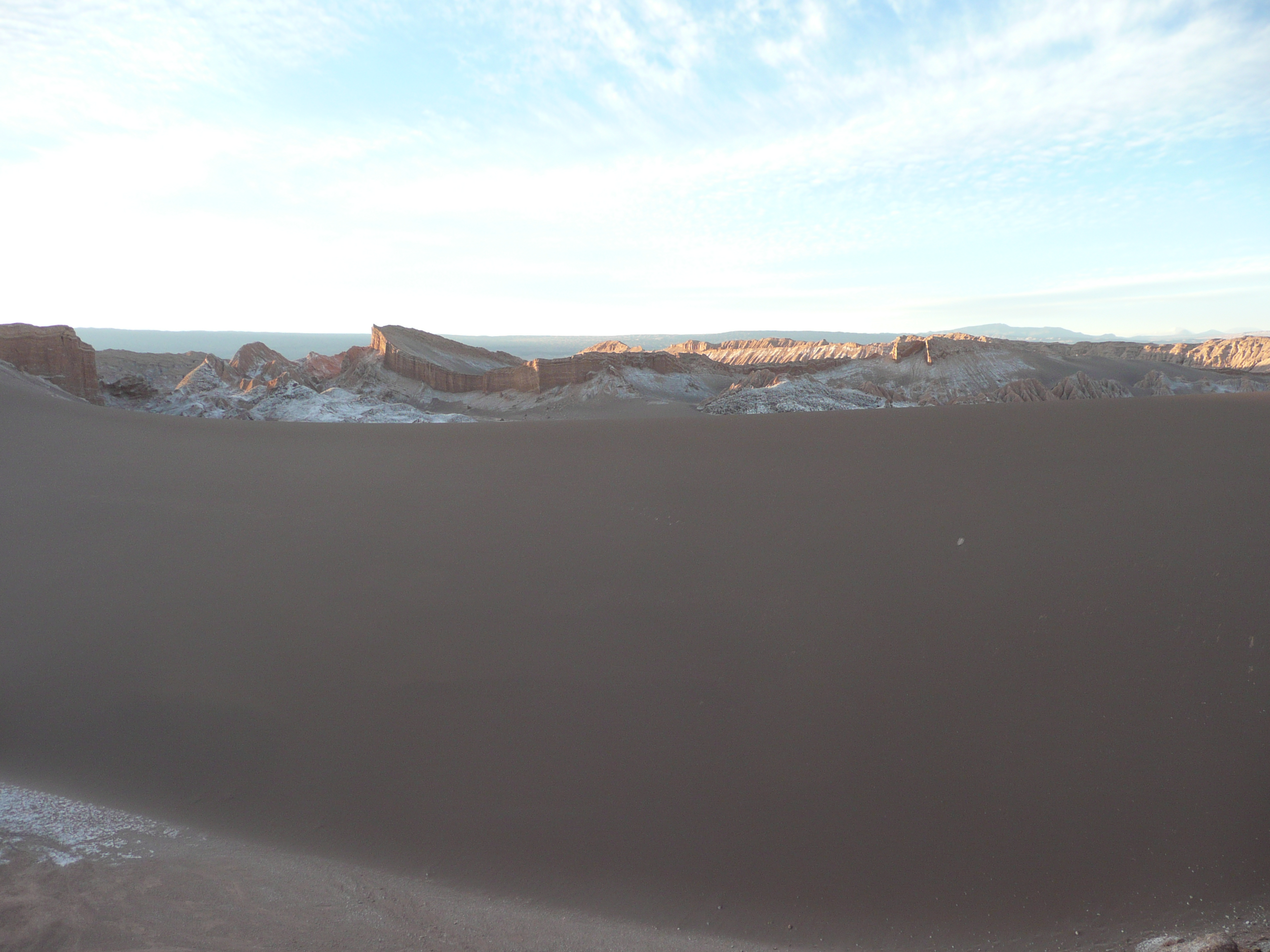
Sand dune at Valley of the Moon, so perfectly shaped.
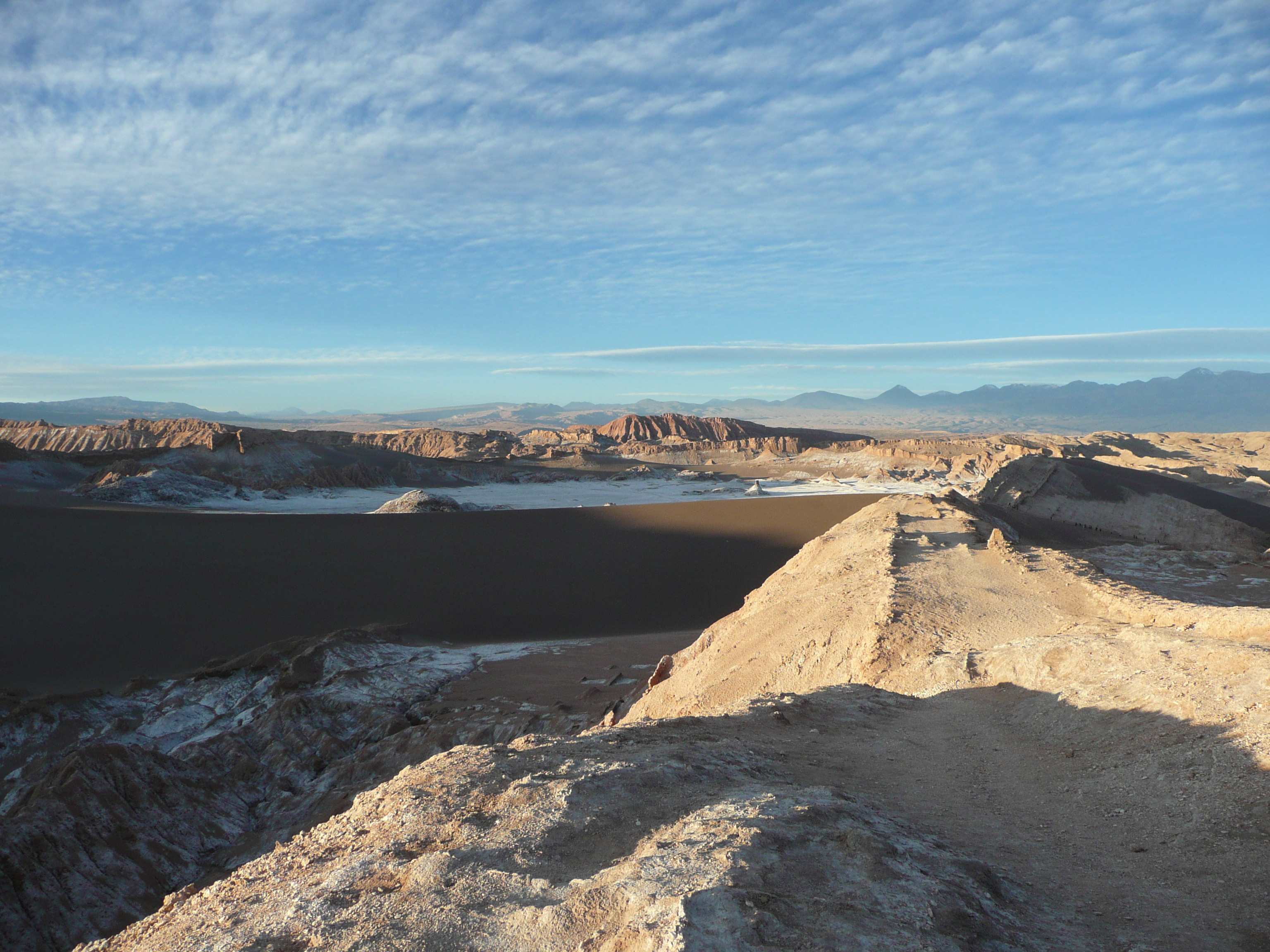
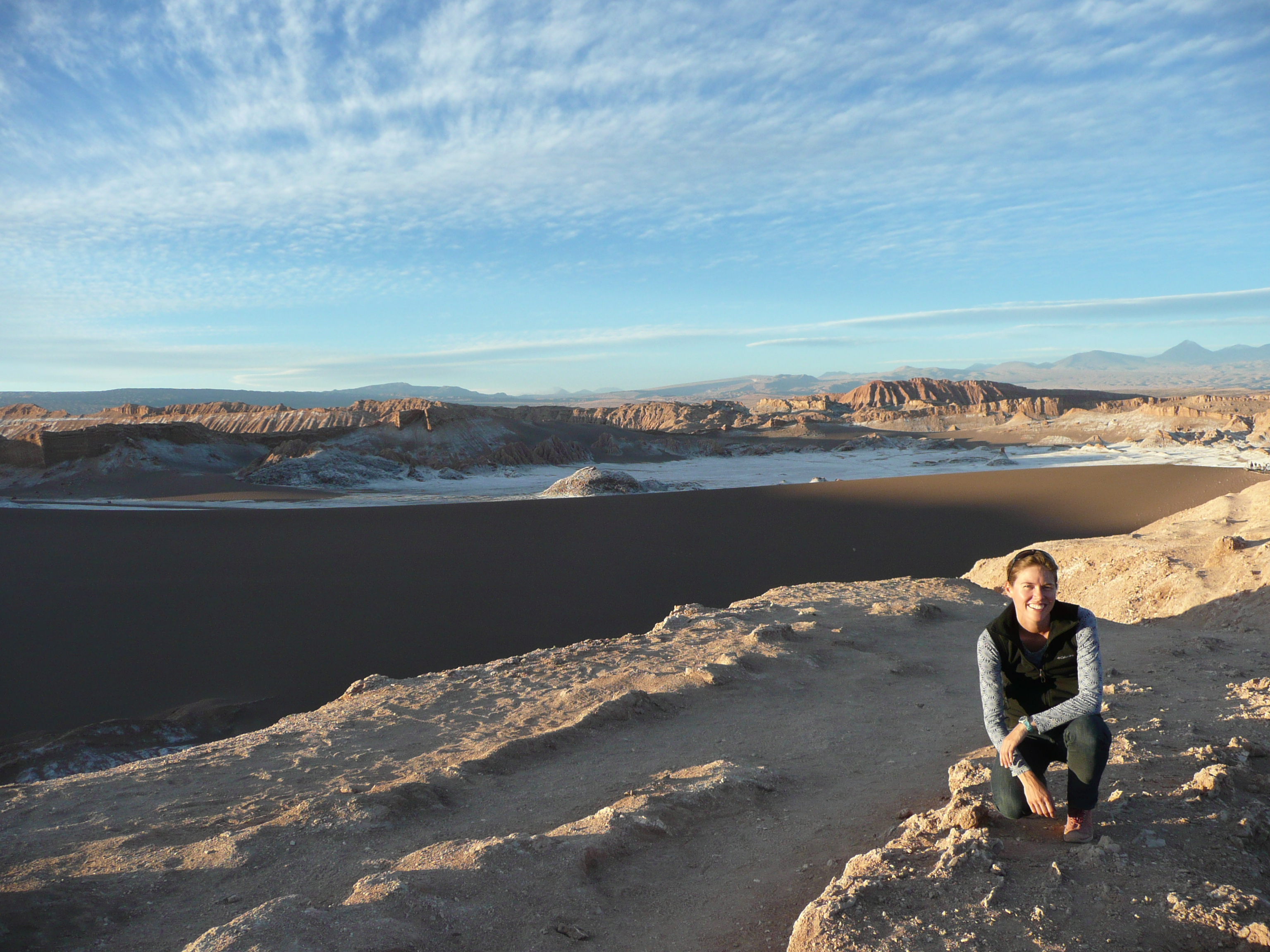
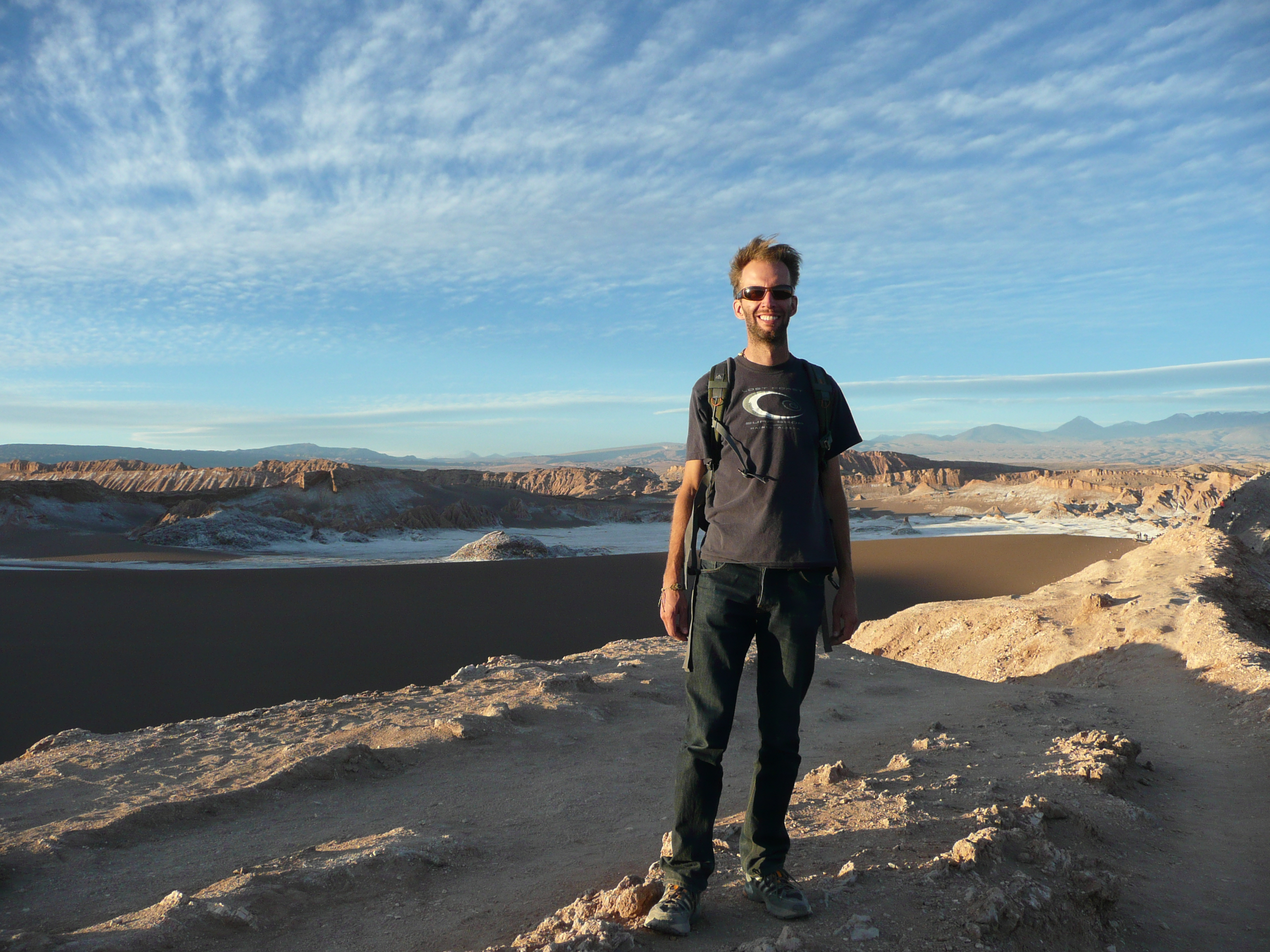
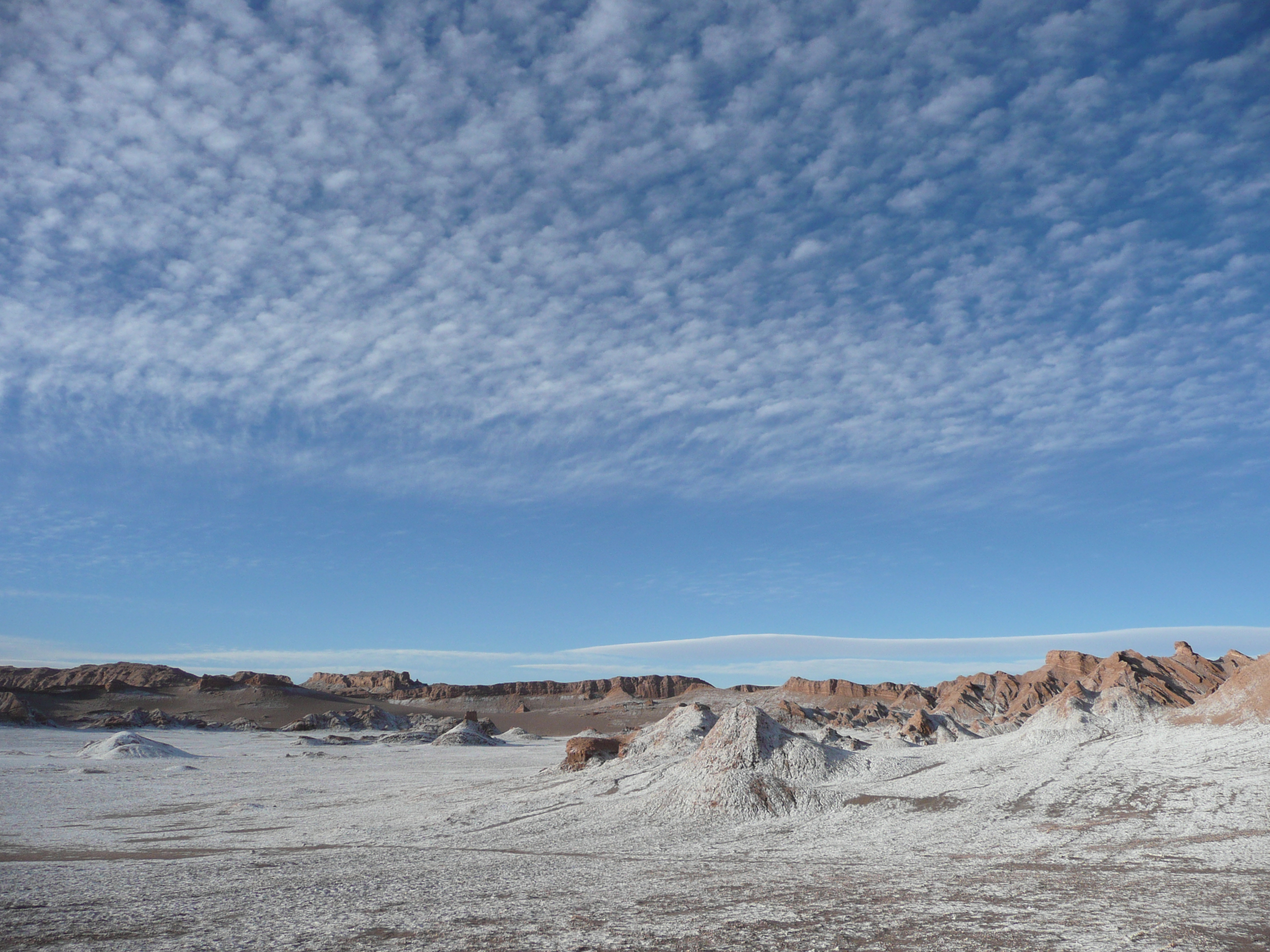
It looks like snow, but it’s salt.
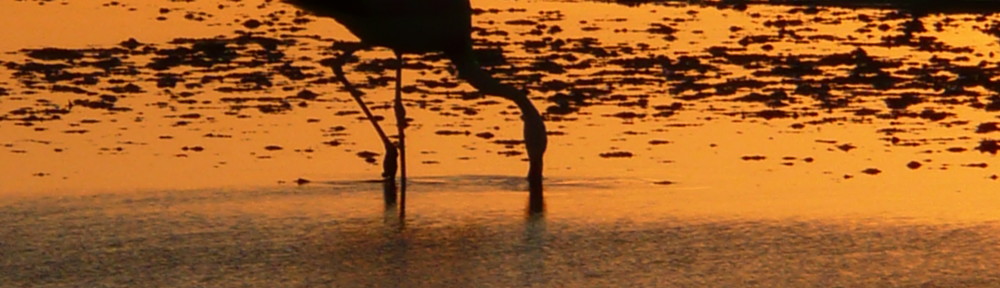
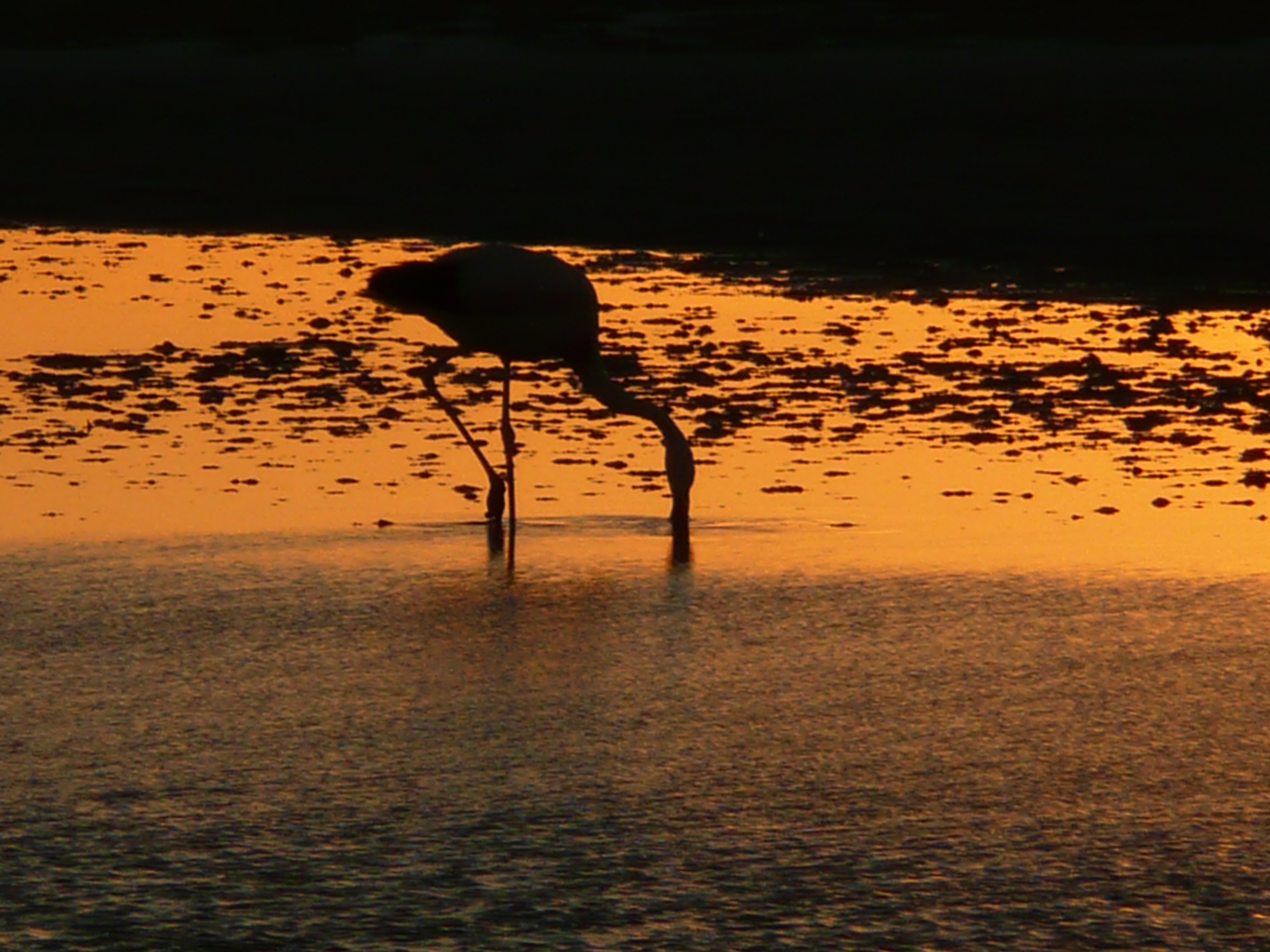
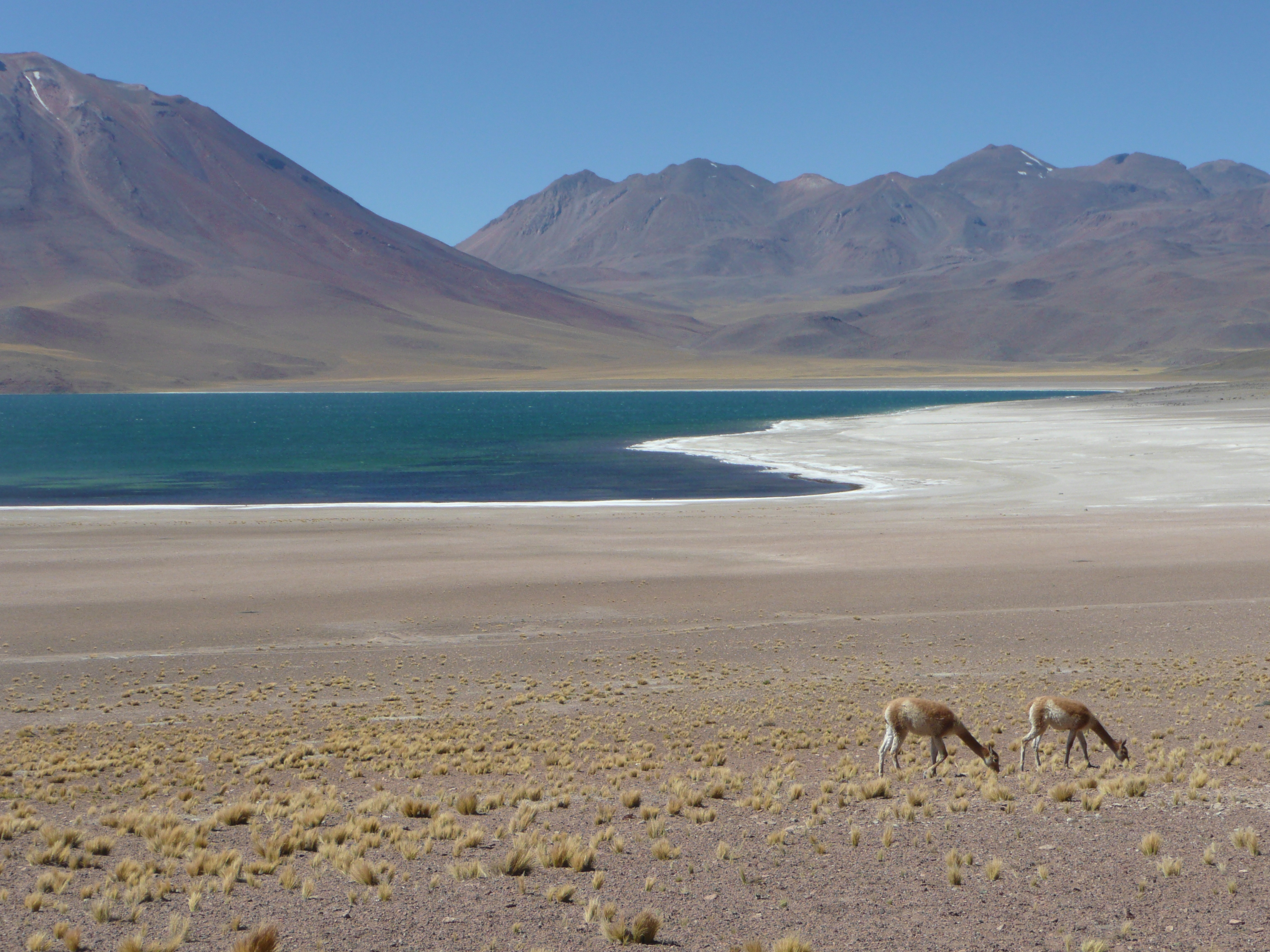
Another day trip we did was to visit the altiplano lakes, Laguna Miscanti and Miniques which sit at high altitude between two very beautiful mountains. It was a long day, and ended up costing 250kms, but the range of scenery we saw made it worthwhile. Highlights included seeing small villages still using ancient Incan terraces for agriculture and gardening purposes, the lakes themselves where we were again the only people around, and then down to Laguna Chaxa which sits amongst the salt flats. Here we observed three different types of flamingo species – James, Chilean and Andean. This was also the backdrop for watching another amazing sunset.
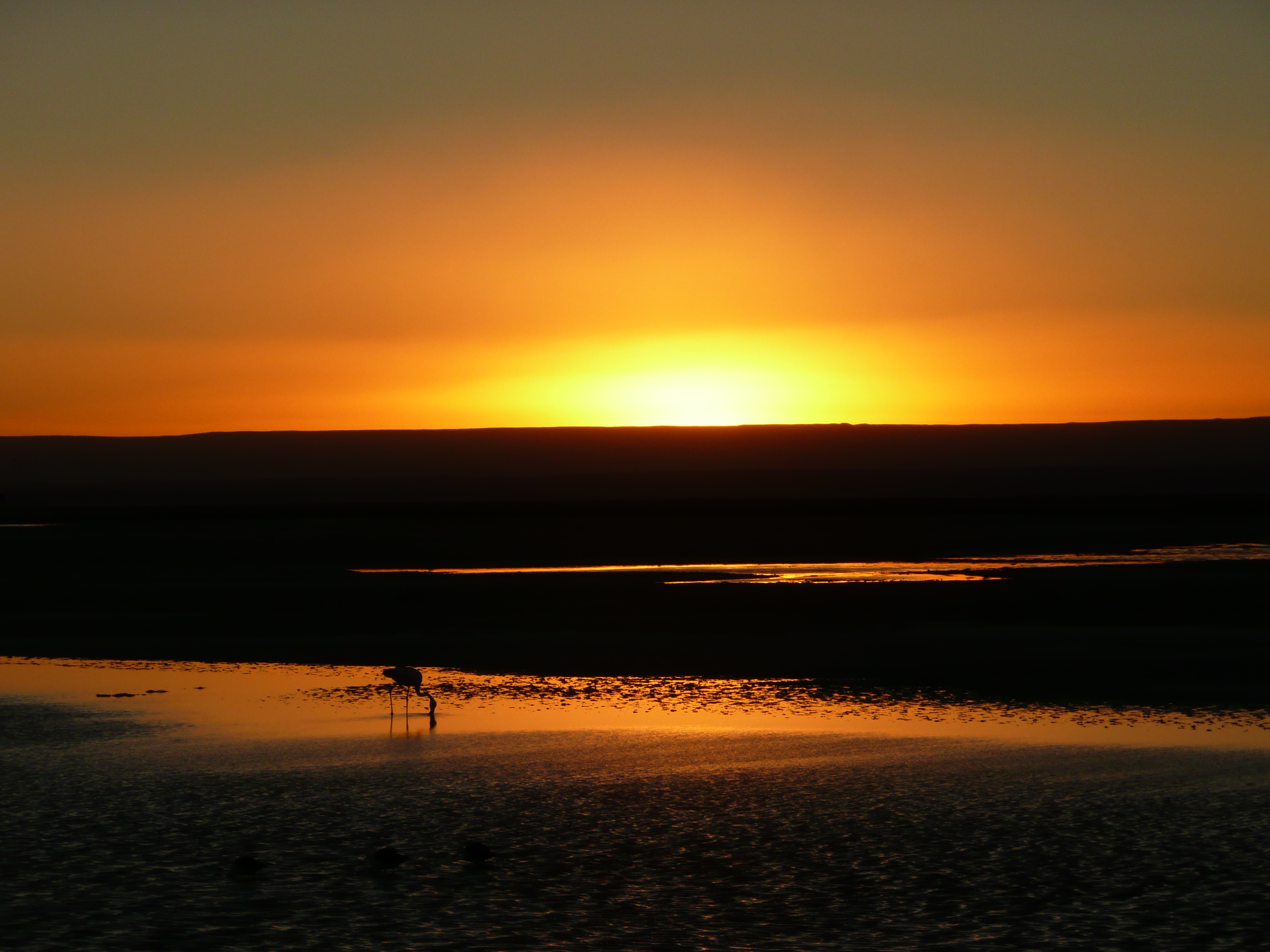
Laguna Chaxa sunset.
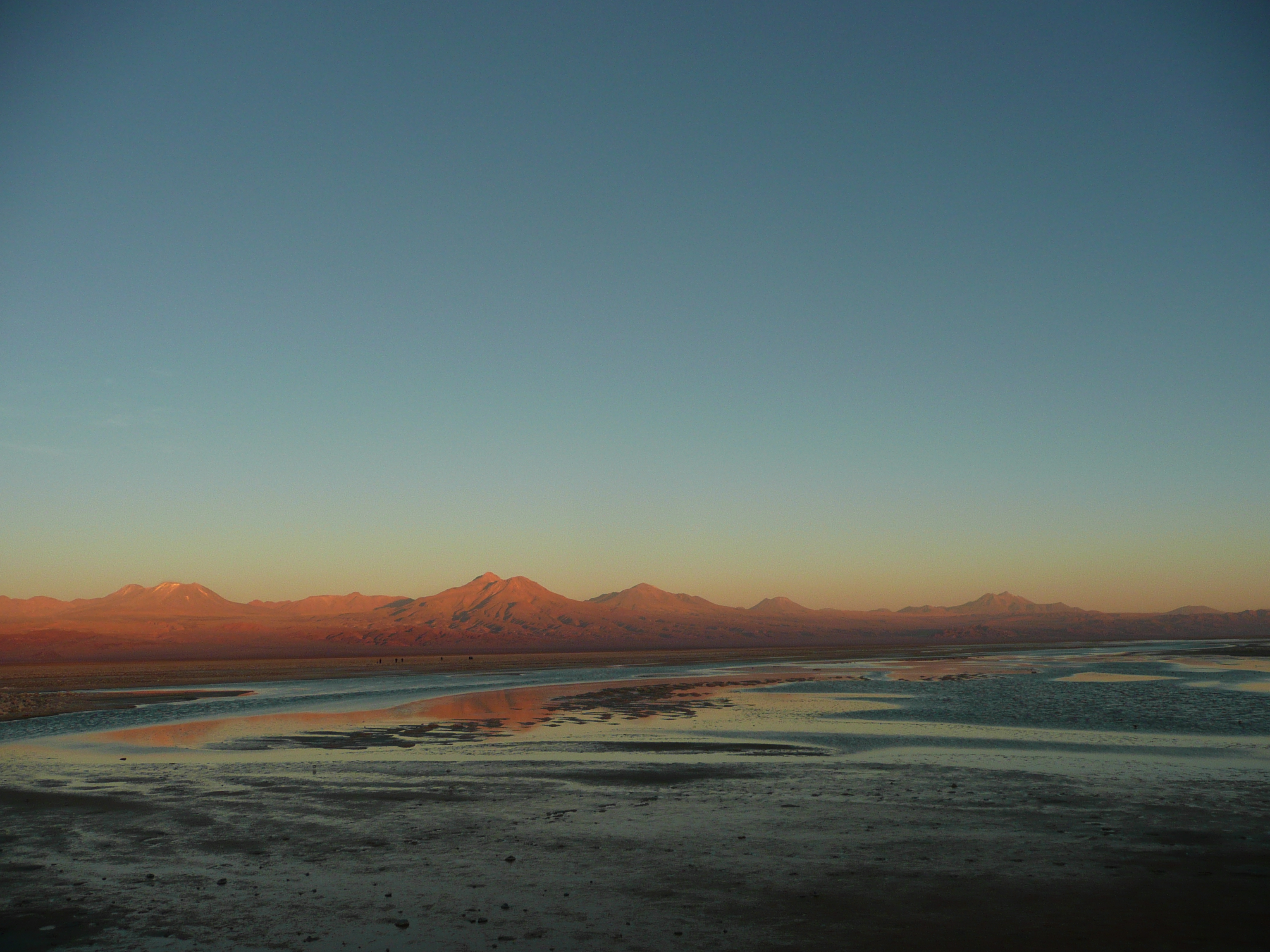
Laguna Chaxa with the mountains reflected in the water.
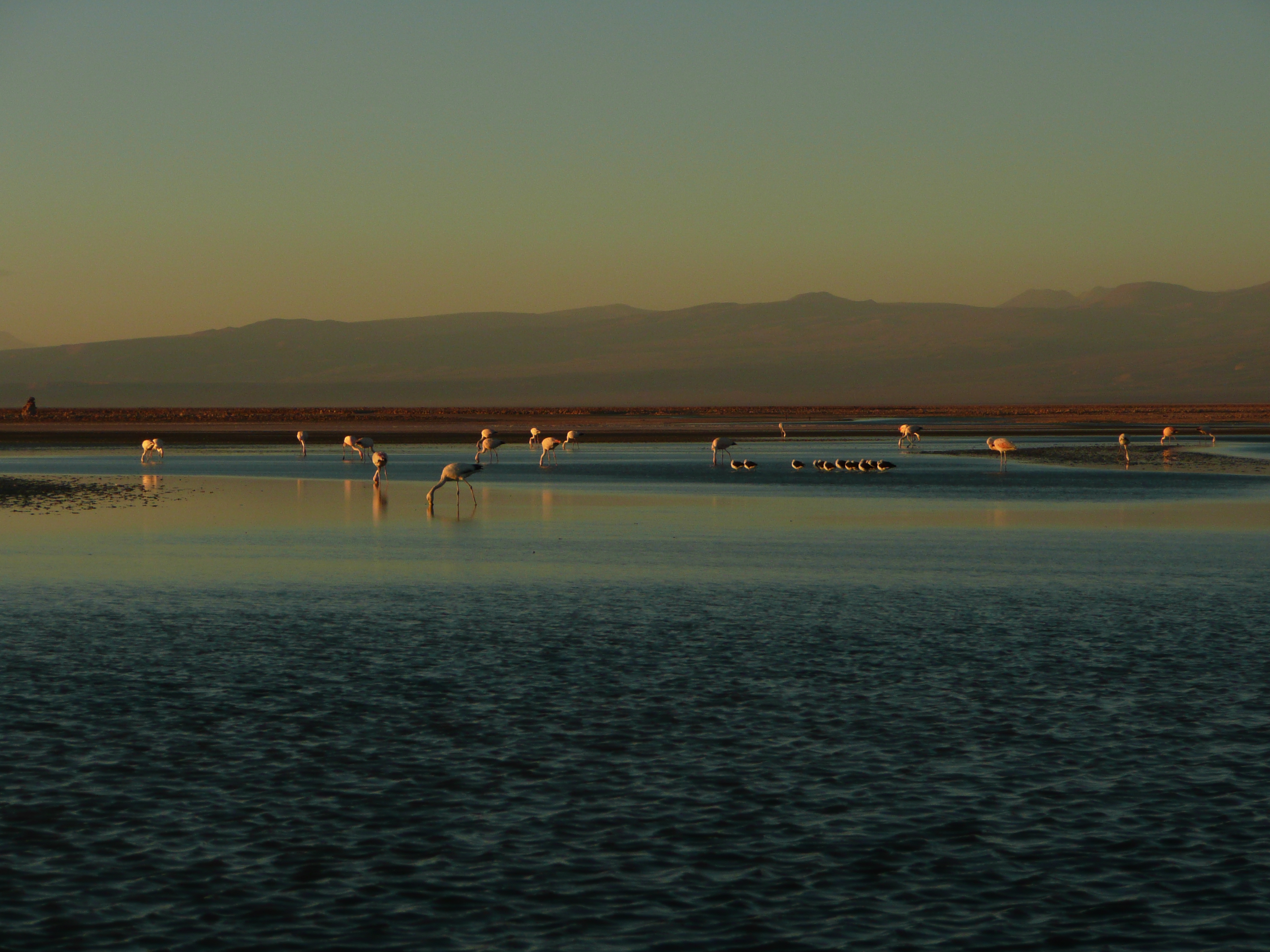
Flamingoes.
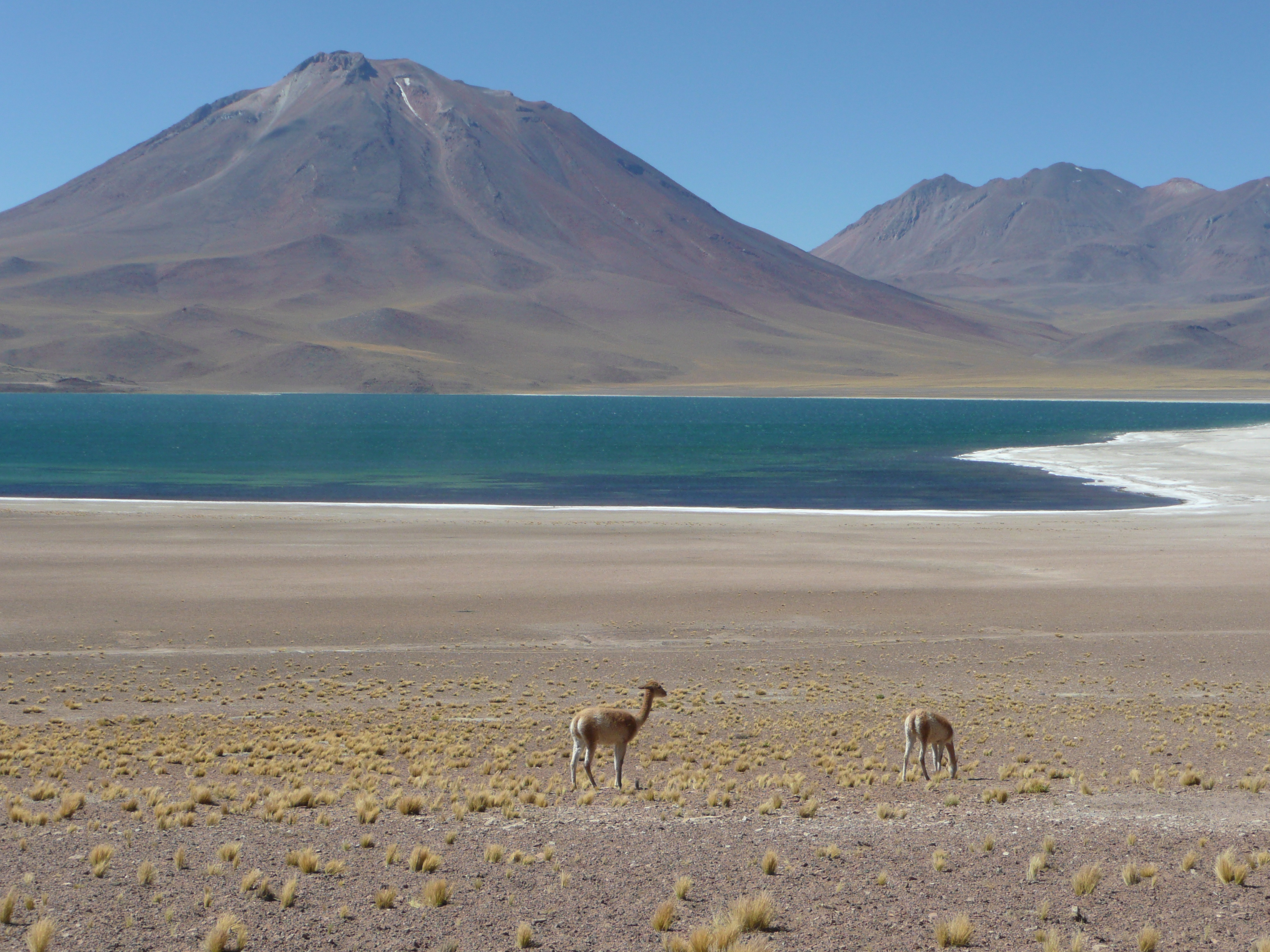
Altiplano lakes and vicunas.
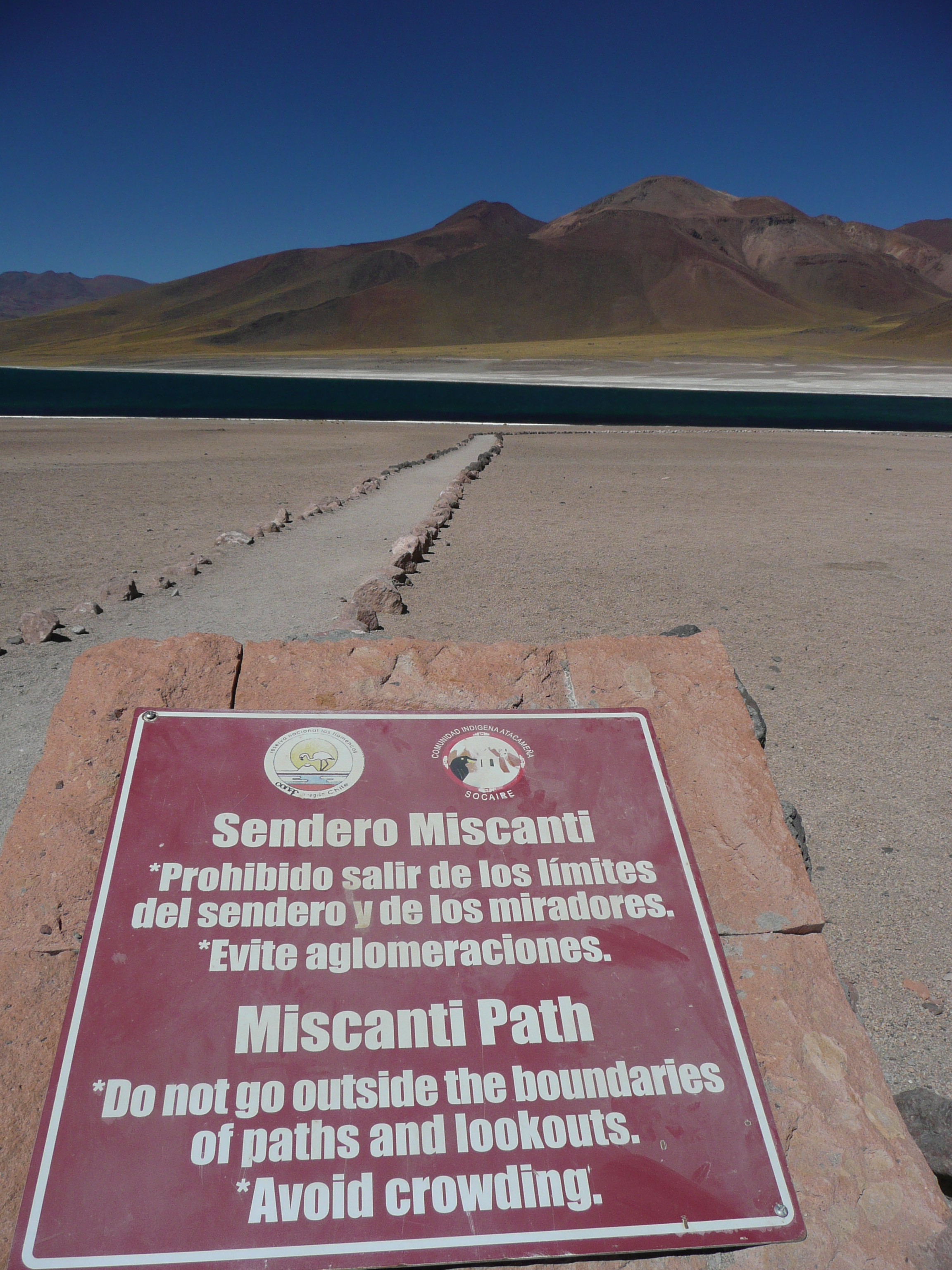
We were the only ones there!!
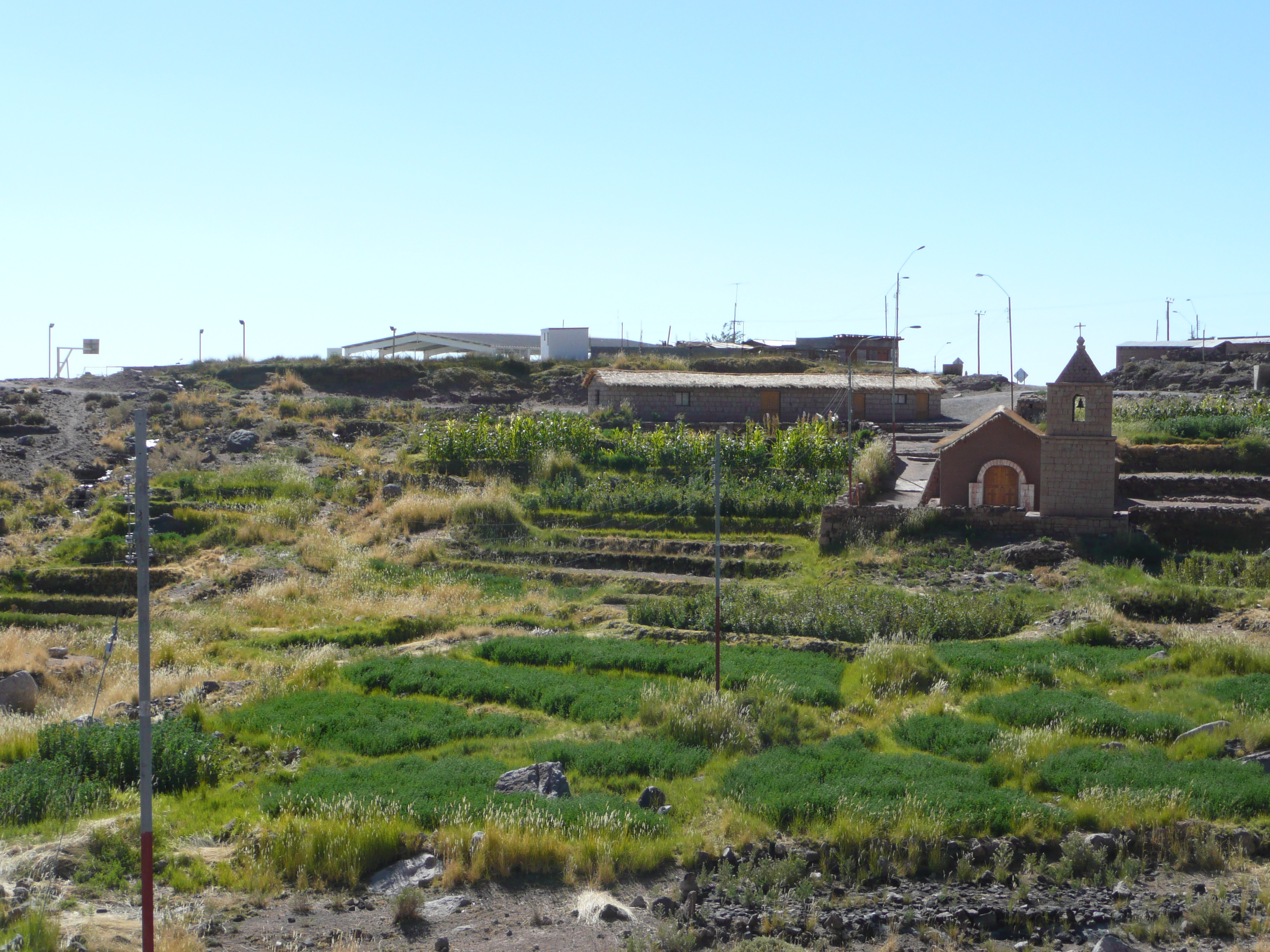
Incan terraces still in use today.
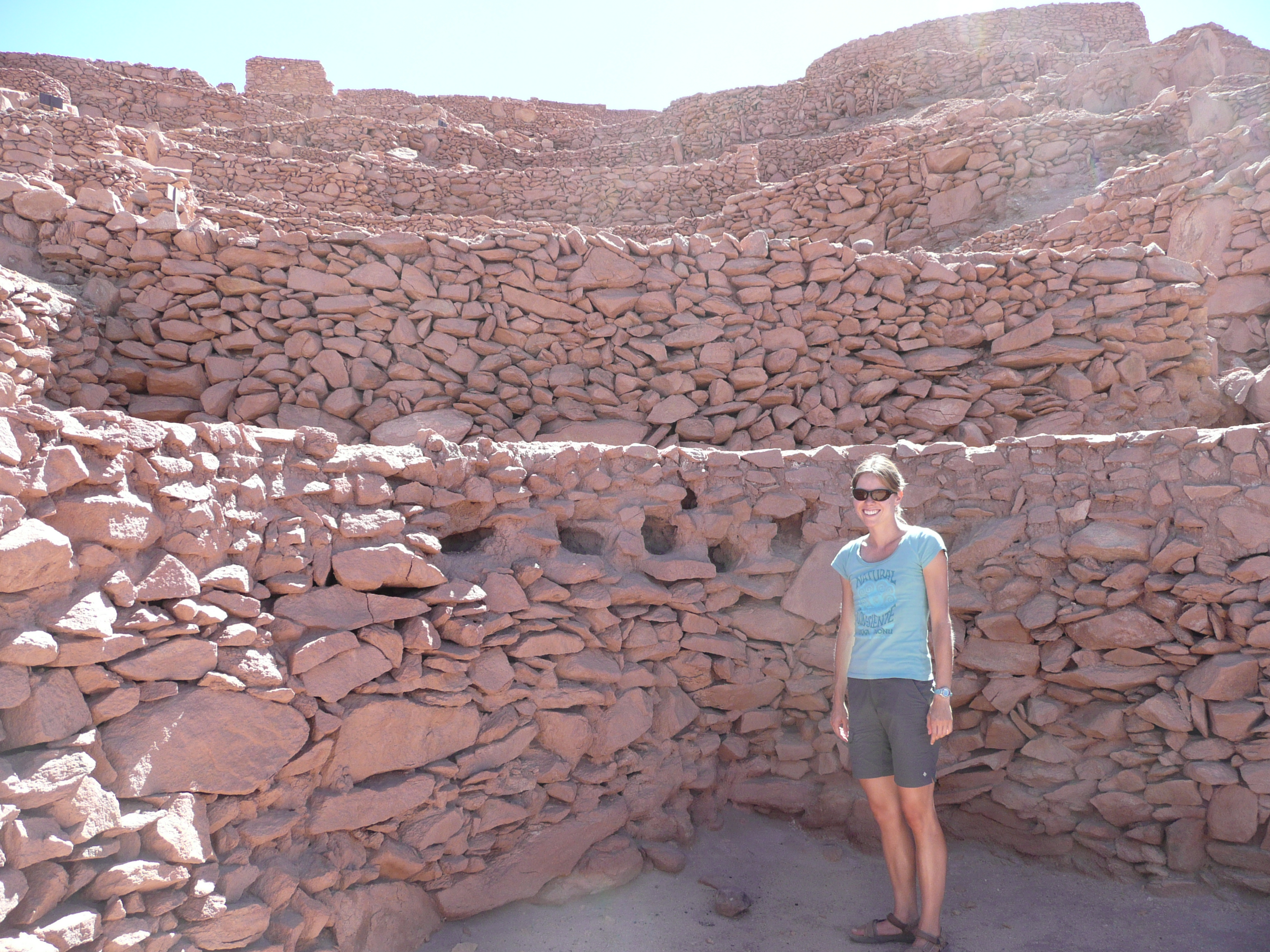
Other nice things that we did were visit the archaeological museum in town which had a surprising amount of information and signage in English, and then the Pukara de Quitor, an old and crumbling 12-century fortress, which was one of the last bastions against Pedro de Valdivia and the Spanish in northern Chile.
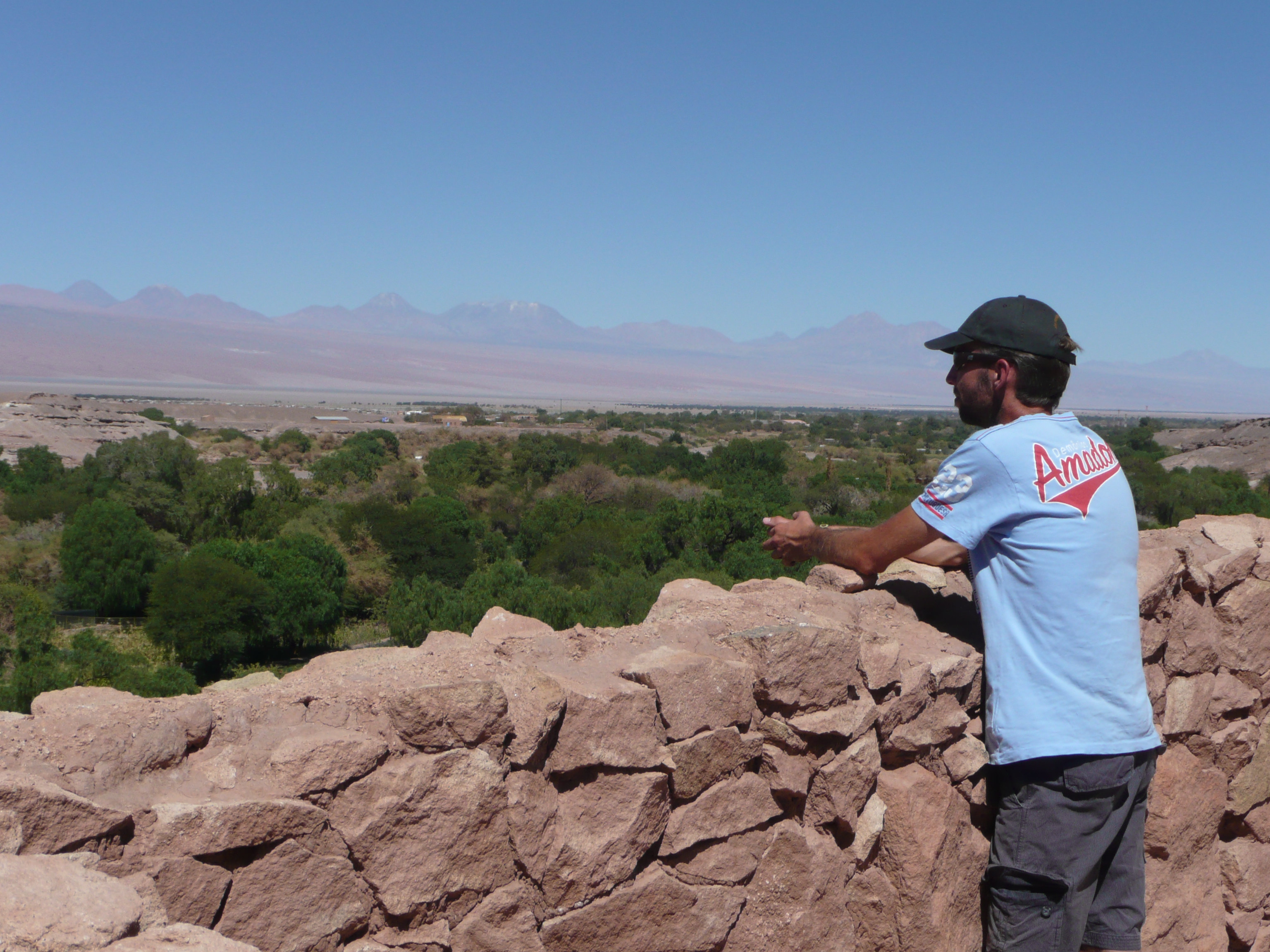
Pukara de Quitor fortress.
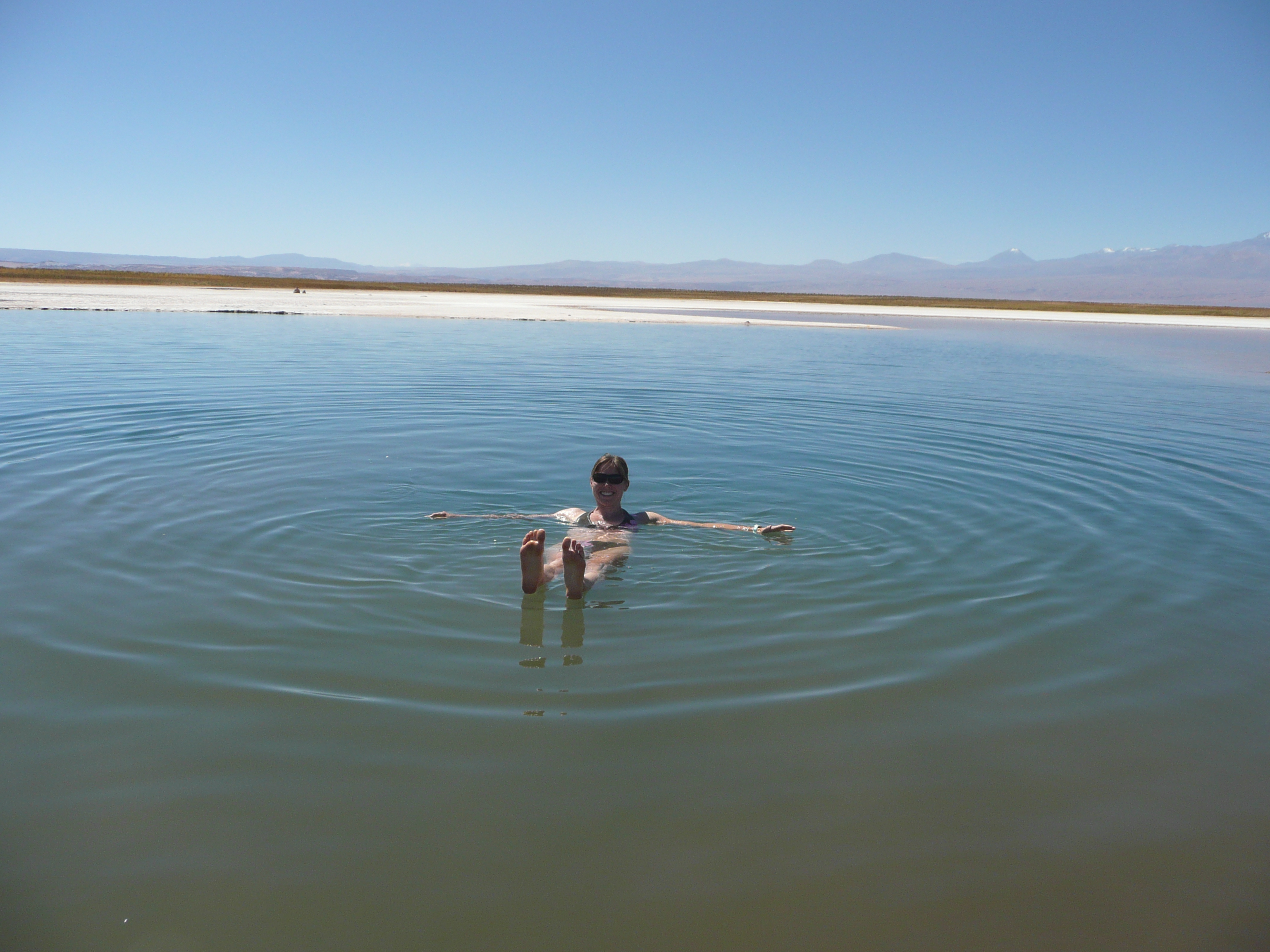
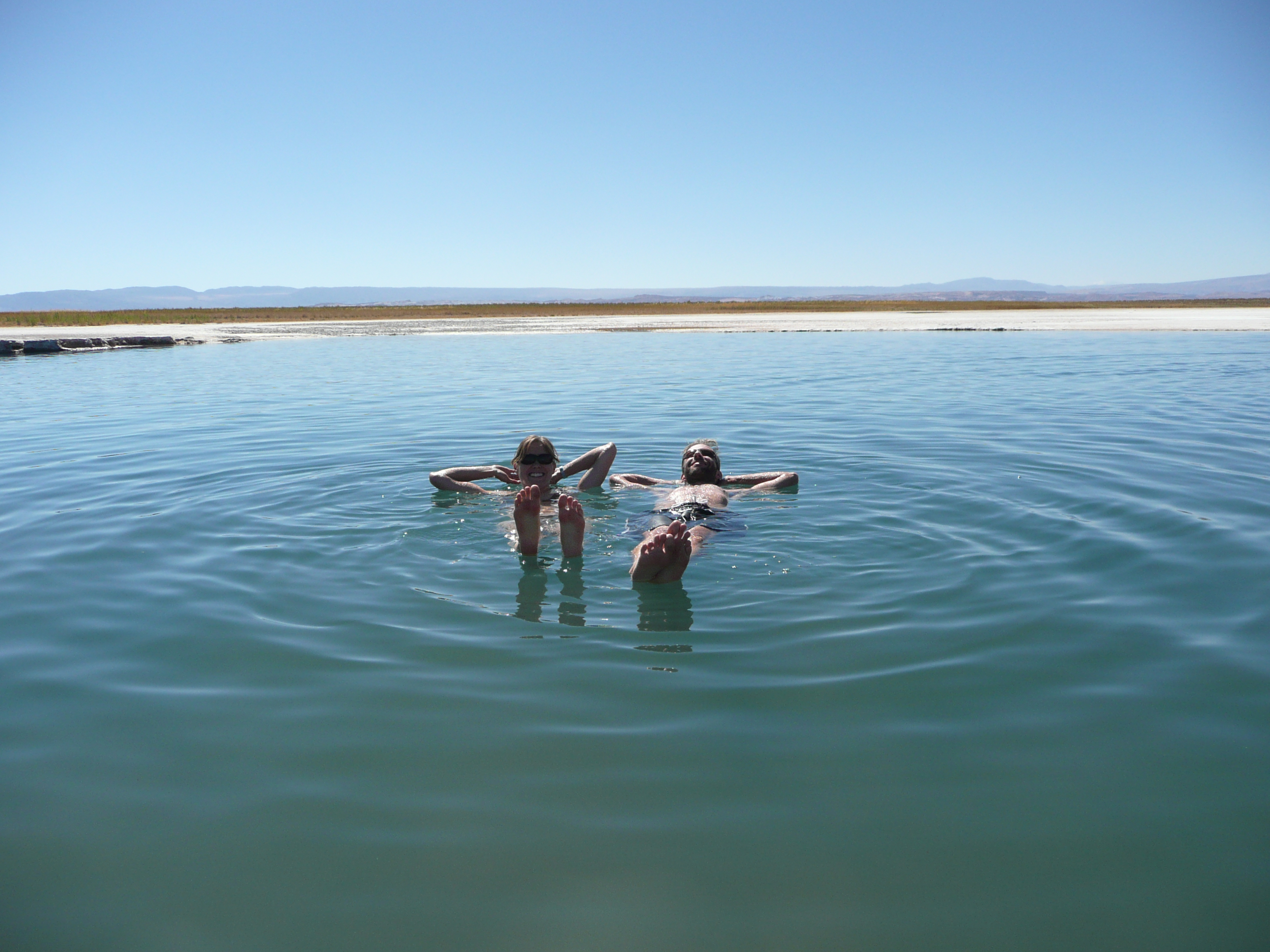
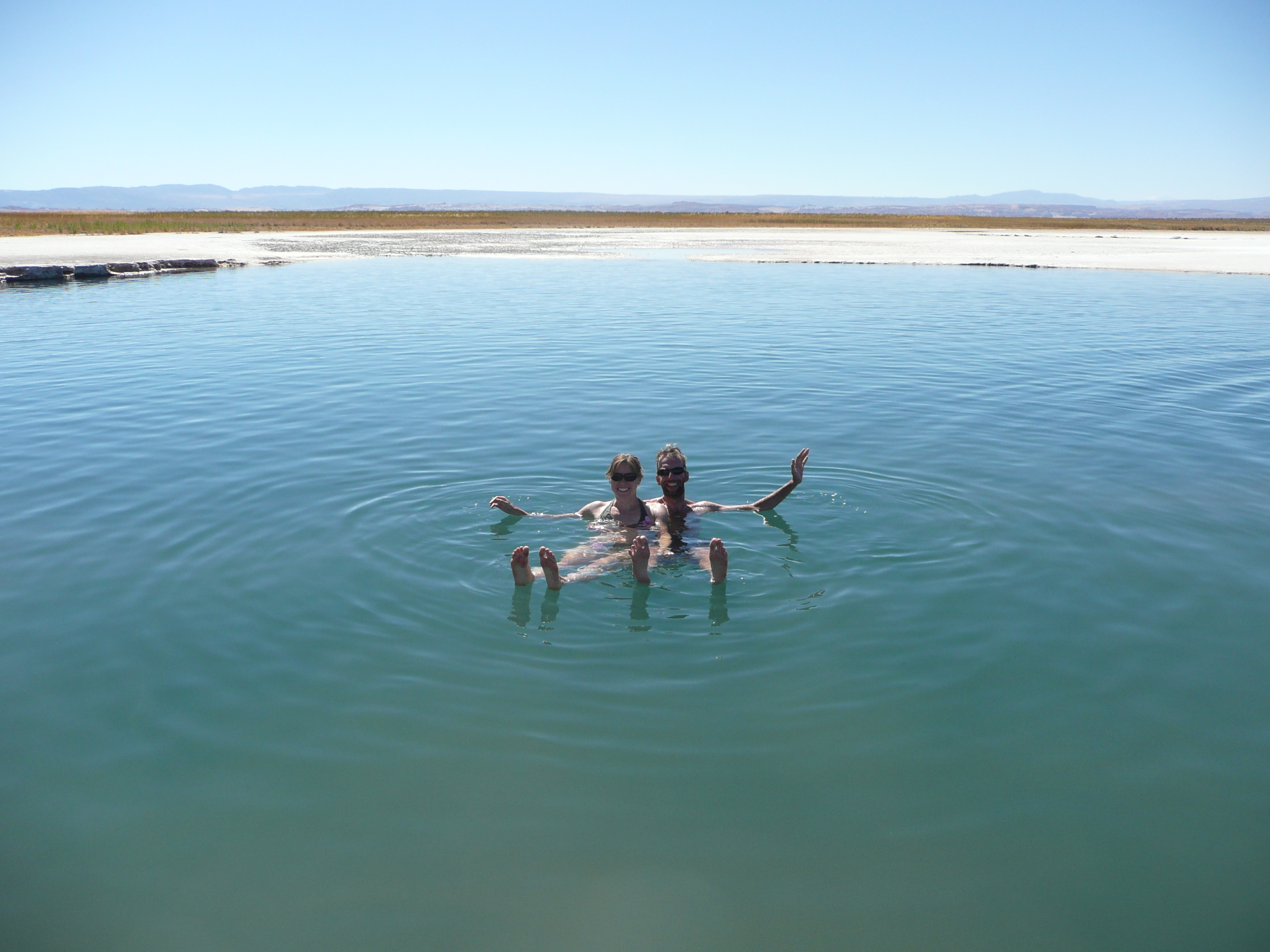
The most fun thing hands down that we did while we were in San Pedro was visit Laguna Cejar and Piedra on the slat flats. Laguna Cejar is too dangerous for swimming now, but you’re allowed do swim in Piedra. The lagunas have a higher concentration of salt than the Dead Sea, which made for a great swimming day. Swimming was hard as our legs and arms didn’t want to stay under water, but floating was easy. Such a strange sensation. It was hot and with the salt attracting the sun’s rays we were coating on the SPF50 sunscreen. A funny thing with the swimming also was that the salt stuck to you once you got out of the water, and both of us had a huge crust of salt all over our skin after our first swim. We got back in the water for another swim and then afterwards used 2L bottle of waters that I’d been heating up in the sun for a couple of hours to wash off the salt.
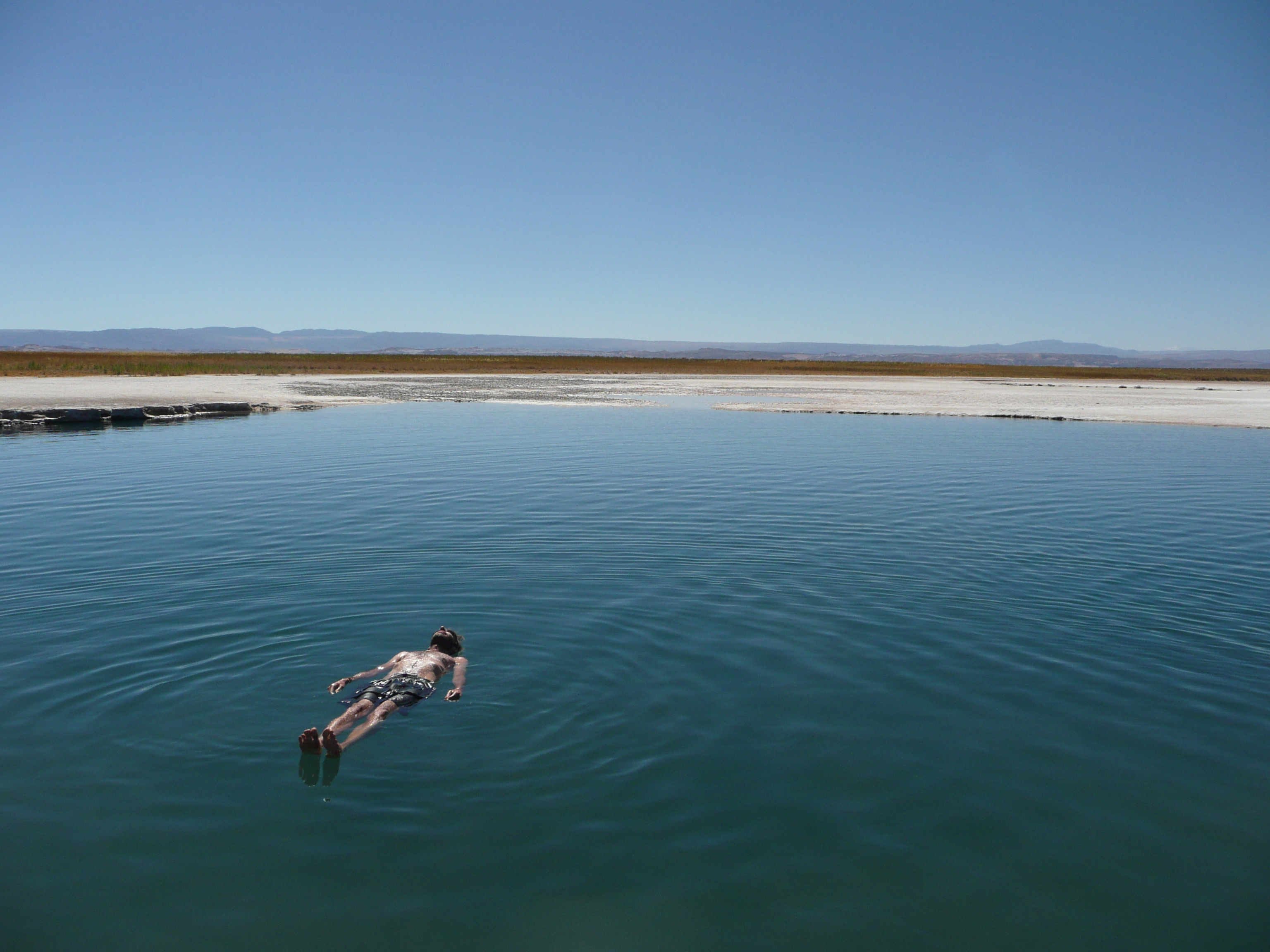
Floating!
On our last day in San Pedro we visited the Meteora Museum. There have been quite a lot of meteor rock discoveries near the Atacama Desert and this little museum displayed the findings and also explained the different parts of a meteor. The guide was very passionate, and although the tour was entirely in Spanish we did get a better understanding of meteors.
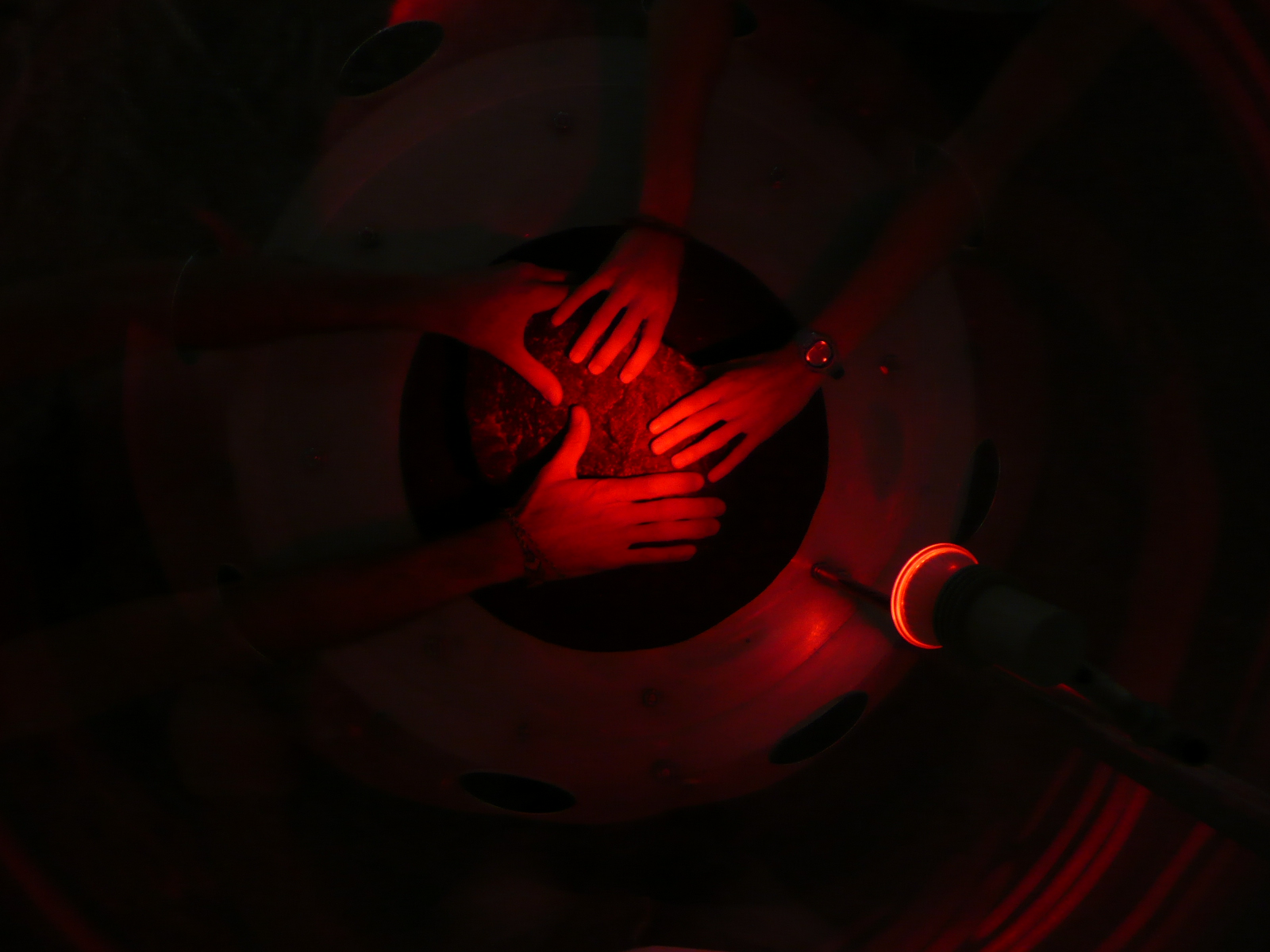
Hands! Touching meteor rock older even than this planet.
Onto Iquique, four hours drive via the coast. Iquique is Chile’s premier beach resort. We had pictured a relaxed beach town, but in reality it was a big city. Lots of cars, lots of people, and probably due to the Zona Franca (tax free shopping area). The beach was quite pretty and standing on the beach looking at the skyscrapers that looked small because of the massive sand dunes behind was quite a sight to see. Unfortunately, we could not find any accommodation and stayed only one night before driving further north to Arica, one of our last stops before going to Bolivia. Arica is another beach town. It’s quite relaxed, although still busy in the town centre. It’s here that we’ve run some of our last errands: buying insurance, getting the brake pads fixed, getting US Dollars and Bolivianos from the Cambio shops, and other bits and pieces. We’re staying on the outskirts in a hostel run by Kiwi and Chilean couple. It’s a five minute walk to the beach so every afternoon at about 5pm we go to the beach and have a swim. Yesterday I took Richard for his first boogie board ever, and we had a great time. The beach isn’t as gorgeous as the beaches in New Zealand, but it feels good to be back by the water and swimming in the sea again. Nothing quite like it!
Great post guys. 🙂
I feel so much happier now I unntrseadd all this. Thanks!
Kris Price liked this on Facebook.
Roel Verschueren liked this on Facebook.
Silvana Rivero liked this on Facebook.
Kaye Wilkie liked this on Facebook.
Debbie Cartwright liked this on Facebook.
Theo Sprangers liked this on Facebook.
Norman Magowan liked this on Facebook.
Sabine Bartsch liked this on Facebook.
Finally got round to checking out how you are going, really does look like the adventure of a lifetime! All the best to you both.
That is fantastic. Surely as good as it gets. You can relax soon at the Casa Verde
Best platform I have used in the Philippines so far. The variety of games is impressive and the payouts are fair. Give phbcgame a try, you won’t regret it.
I’ve been trying a few different spots lately and this one really stands out. The payouts are fair and the interface is super smooth. Definitely worth a try if you love a good thrill! Check out br0078bet